Puffed Grain
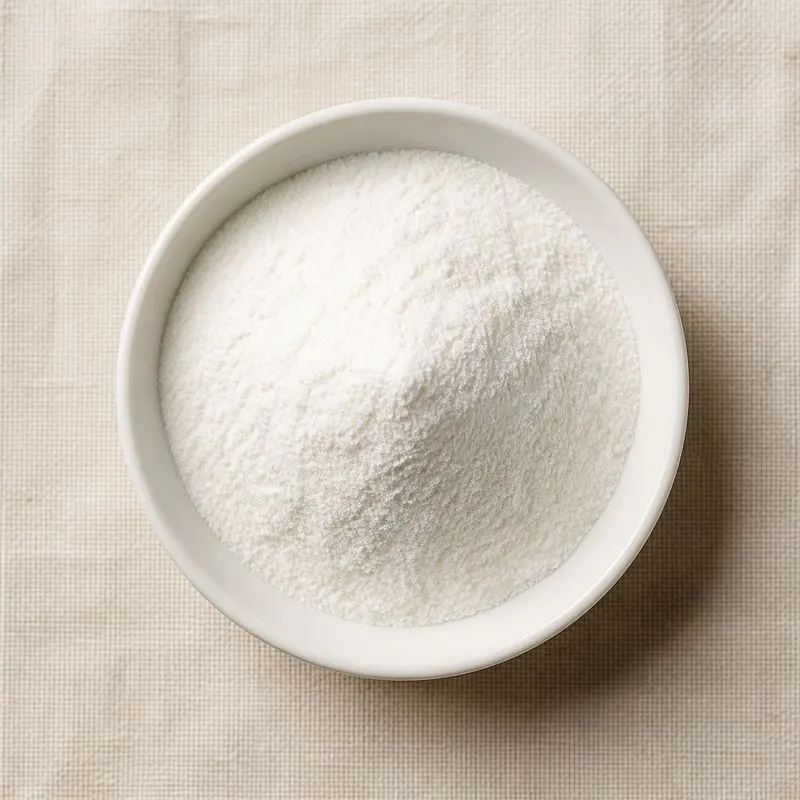
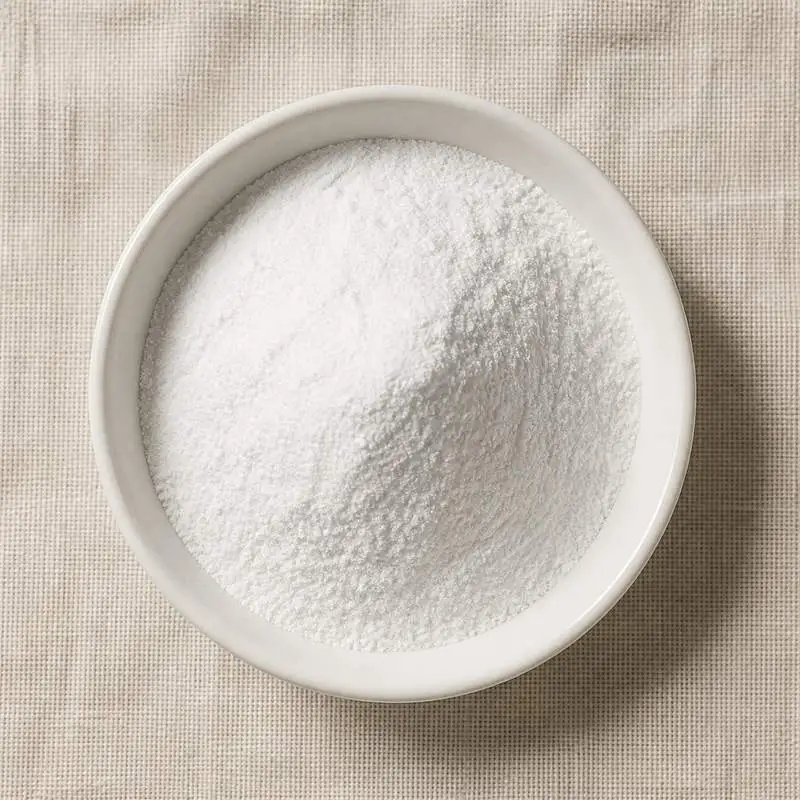
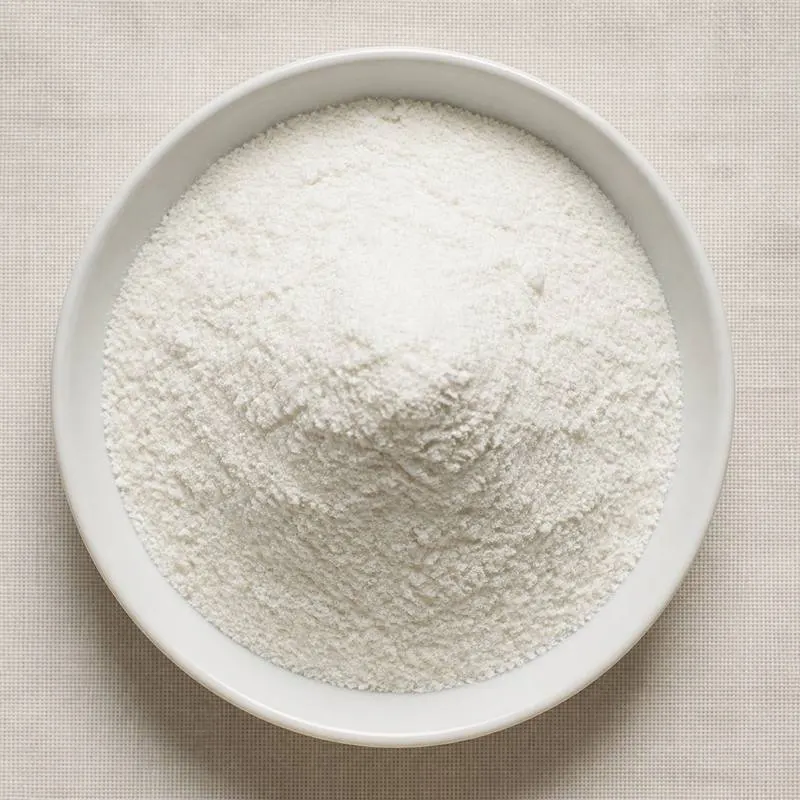
Puffed grain is whole or broken cereal kernel that has been expanded by the sudden vaporisation of the water held inside it, giving a light, porous, crisp piece many times the volume of the starting grain. Rice, wheat, maize, millet, sorghum, quinoa and buckwheat are all puffed commercially, with rice and wheat the highest volume.
The expansion is a physical transformation rather than a chemical one. Under heat and pressure the starch in the endosperm gelatinises while the moisture in the kernel is held as superheated water; when the pressure is released or the surface fails, that water flashes to steam and blows the softened starch matrix into a foam, which then sets as it cools and dries. The result is a fully cooked, ready to eat cereal piece with an open cell structure, a bulk density typically between 0.1 and 0.2 grams per cubic centimetre, and a starch that is very easily digested by enzymes.
Moisture in the finished piece runs 4 to 6 percent, the colour is pale cream to golden, and the aroma is a clean toasted cereal note. It is not water soluble; it hydrates rapidly and loses its crispness, which is the central formulation constraint. Water activity must be held below roughly 0.3 for the crunch to survive, so puffed grain is packed with a moisture barrier and, where it is used in bars or with fruit, is coated with fat, chocolate or a film former to slow migration from the surrounding matrix.
We source bulk Puffed Grain from top China manufacturers for our partners. The manufacturer is in Shanxi. A smaller requirement can ship in a combined container with other ingredients.
Please send the grade you need, the volume and your destination port, and we will come back with a solution and a price.
or call +86-21-6858 0751
- Function
- Nutraceutical
Specifications
| Item | Specification |
|---|---|
| Appearance | Expanded whole kernels, cream to golden, uniform, free of scorched pieces |
| Identification | Conforms to puffed cereal grain of the declared species |
| Odour and taste | Clean toasted cereal, free of rancid or burnt notes |
| Moisture | 6.0 percent maximum |
| Water activity | 0.30 maximum |
| Bulk density | 0.10 to 0.20 g per cubic centimetre |
| Fines through 2 mm screen | 3.0 percent maximum |
| Ash | 2.0 percent maximum |
| Foreign matter | None detected |
| Lead | 0.2 mg/kg maximum |
| Arsenic, inorganic, rice grades | 0.2 mg/kg maximum |
| Cadmium | 0.1 mg/kg maximum |
| Acrylamide | 300 ug/kg maximum |
| Total plate count | 1,000 cfu/g maximum |
| Yeast and mould | 100 cfu/g maximum |
| Escherichia coli | Absent in 1 g |
| Salmonella | Absent in 25 g |
Common Markets Grades
Grades are set first by cereal and by whether the grain is whole or milled. Whole kernel puffed rice, wheat and millet retain the shape of the grain; puffed grain made from grits or broken kernels gives a smaller, more uniform piece. Wholegrain grades retain the bran and germ and puff to a denser, darker piece than refined grades.
The second axis is the puffing route, which changes the piece. Gun puffed grain, made in a batch pressure vessel, expands to the largest volume and the most irregular shape. Oven or hot air puffed grain is smaller and denser but more uniform. Extruded pieces are the most uniform of all but are formed rather than whole and are traded as a separate category.
Beyond that, buyers specify piece size on a screen basis and the tolerance for fines, since fines are the main quality complaint in bar and coating applications. Coated grades are traded as a distinct line: sugar coated, honey coated, chocolate enrobed and oil sealed pieces, and the last of these is used where the grain must resist moisture in a wet matrix. Salted, malted and cocoa flavoured versions, organic certified material and gluten free certified rice and maize grades complete the range.
Applications
- Ready to eat breakfast cereals, where puffed grain is either the whole product or the light component of a mixed cereal
- Cereal bars and snack bars, where oil sealed or coated pieces provide crunch that survives contact with a binding syrup
- Chocolate confectionery, where puffed rice is folded into a chocolate mass for a light aerated bite
- Muesli and granola blends, where the low density pieces balance the weight of flakes and dried fruit
- Protein and meal replacement bars, where puffed grain lowers density and offsets the dense mouthfeel of protein systems
- Yoghurt and dessert toppings, where the pieces sit in a separate compartment to keep them away from the moisture of the dessert
- Instant porridge and beverage premixes, where pre-gelatinised puffed grain hydrates quickly without cooking
- Coatings and inclusions for ice cream, where fat coated pieces resist moisture pickup in a frozen matrix
- Puffed grain flour and rice crisp powder, milled from the puffed piece as a pre-gelatinised, cold water swelling ingredient
- Infant snacks and toddler puffs, where the low density and rapid oral dissolution suit early self feeding
China Manufacturers of Puffed Grain
Top Puffed Grain manufacturers in China.

Company names and logos are the property of the manufacturers themselves. They are listed here because our own directory records them as producing this ingredient. A listing is not an endorsement by them, and we do not represent them or speak on their behalf.
Regulatory Status
In the United States puffed grain is a conventional food requiring no additive clearance, made from ordinary cereal by a physical process, and is regulated under the general adulteration and labelling provisions of the Federal Food, Drug, and Cosmetic Act. Where sugar, oil, salt or vitamins are added, those ingredients carry their own status and must be declared, and vitamin and mineral fortification of ready to eat cereal follows the FDA fortification policy. Cereals containing wheat must declare wheat as a major food allergen, and any gluten free claim on rice or maize based puffed grain requires compliance with the 20 parts per million threshold of 21 CFR 101.91. Because puffing is a high temperature process on a carbohydrate substrate, acrylamide formation is a recognised issue and the FDA has issued non binding guidance on reducing acrylamide in foods.
In the European Union puffed grain is an ordinary food under general food law, and puffing is a physical process that does not bring the product within the Novel Food Regulation. Cereals containing gluten must be declared under the Food Information to Consumers Regulation. The product falls within the scope of Regulation (EU) 2017/2158 on acrylamide, which establishes mitigation measures and benchmark levels for cereal based products including breakfast cereals, and operators are required to apply the mitigation measures set out there. Statutory maximum levels for mycotoxins in cereals and for lead and cadmium apply to the raw grain, along with pesticide maximum residue levels. Codex Alimentarius addresses the product through its general standards for contaminants and for food additives, its code of practice for the reduction of acrylamide in foods, and its standard for processed cereal based foods for infants and young children where the puffed grain is used in that channel.
Manufacturing Process
Grain is cleaned on scalpers, aspirators, destoners, magnets and optical sorters, and where the piece must retain kernel shape it is graded closely by size so that the whole charge puffs at the same rate. Some routes hull or pearl the grain first; rice is milled to remove the bran where a white puffed piece is wanted. Moisture is then adjusted by conditioning with steam or water to the level the process requires, typically 12 to 18 percent, because the water inside the kernel is the working fluid of the whole operation.
The classical route is gun puffing. A weighed charge of conditioned grain is sealed into a rotating pressure vessel and heated while the internal pressure rises to roughly 8 to 15 bar over several minutes, which cooks and gelatinises the starch while keeping the moisture liquid. The lid is then released instantaneously, the pressure drops to atmospheric, and the superheated water inside each kernel flashes to steam and expands the grain as it is ejected into a collection hood.
Continuous routes are used at higher throughput. Hot air puffing passes conditioned grain through a fluidised bed at 200 to 280 degrees Celsius for a few seconds, so that surface heating drives the internal water to steam without a pressure vessel. Extrusion puffing works on flour or grits rather than whole grain, cooking the material under pressure in a screw extruder and expanding it at the die, and produces formed shapes rather than intact kernels.
Whatever the route, the puffed pieces leave hot and slightly moist and are dried and cooled on a belt or fluidised bed to 4 to 6 percent moisture, then screened to remove fines, passed over magnets and metal detection, optionally coated with syrup, oil or chocolate in a rotating drum, and packed immediately into moisture barrier film or bulk liners with the headspace controlled.