RapeSeed Extract
Rapeseed extract is a preparation obtained from the seed or seed meal of Brassica napus, the oilseed left after pressing and solvent extraction of rapeseed oil. The meal is rich in phenolic material, and the dominant compound is sinapine, the choline ester of sinapic acid, which is isolated and traded as sinapine thiocyanate, a crystalline salt used as an analytical marker and as a standardised active.
Alongside the phenolic fraction the same feedstock yields two other commercial articles. Rapeseed protein isolate and enzymatically produced rapeseed peptide are recovered from the defatted meal as plant protein ingredients, and a phytosterol and tocopherol fraction is recovered from the deodoriser distillate of the oil refinery. Which of these a specification refers to is stated explicitly, since the three have nothing in common beyond their origin.
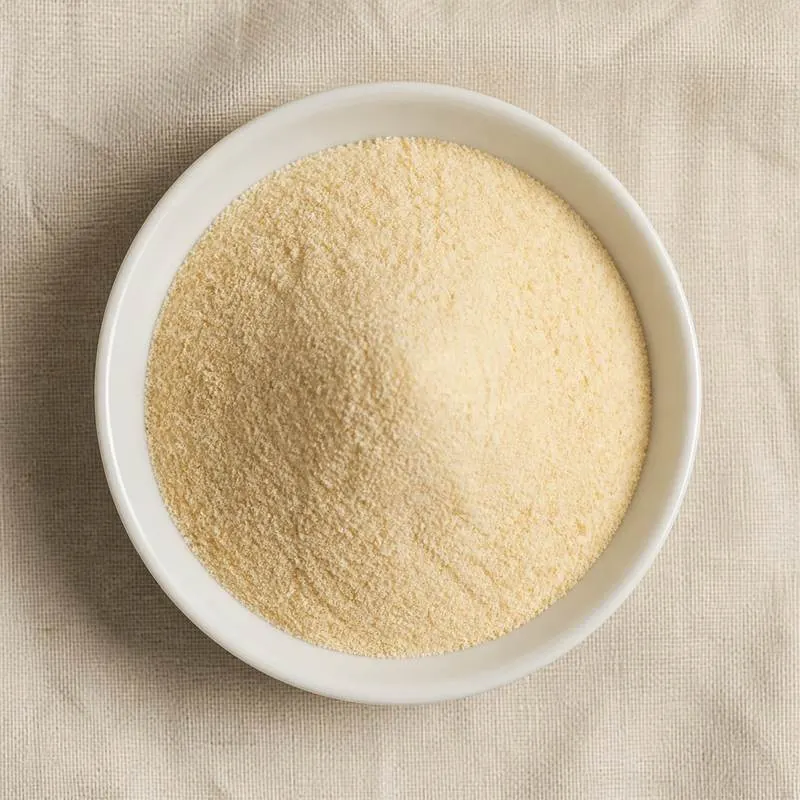
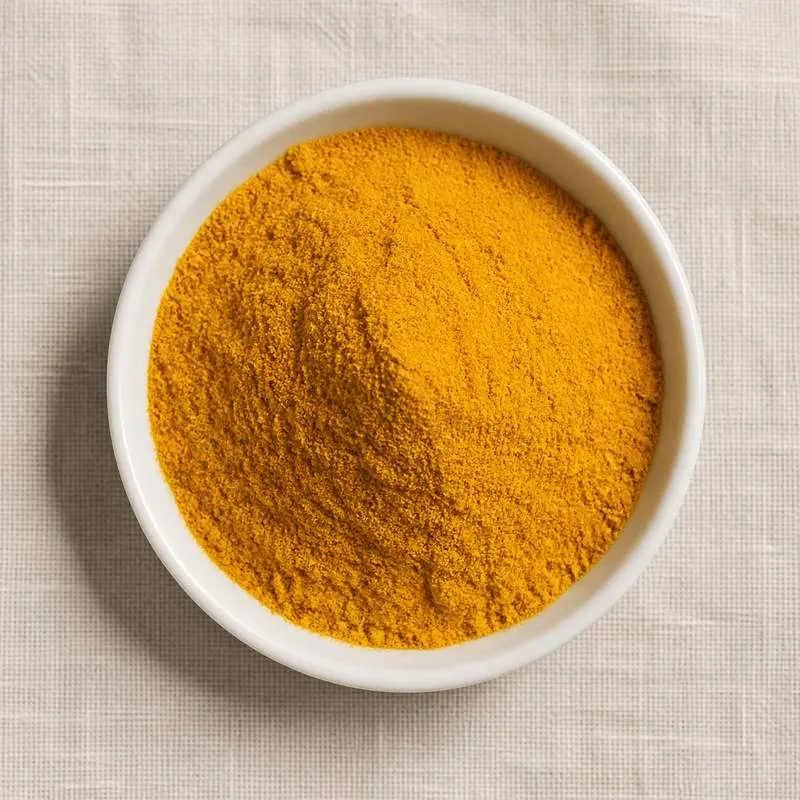
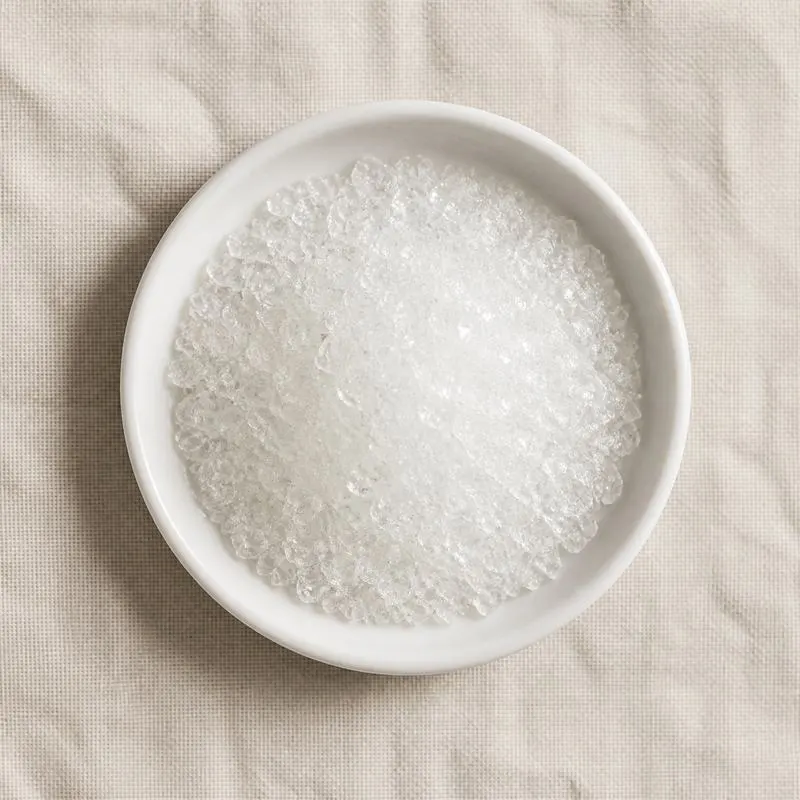
Sinapine thiocyanate is a white to off white crystalline powder, soluble in water and in aqueous alcohol, bitter, and stable in the dry state. The ester bond hydrolyses under alkali and on prolonged heating in solution to give sinapic acid and choline, so aqueous preparations are held near neutral or on the acid side. Protein and peptide grades are cream to light brown powders, soluble at pH away from their isoelectric point.
We source bulk RapeSeed Extract from top China manufacturers for our partners. The manufacturer is in Shaanxi. A smaller requirement can ship in a combined container with other ingredients.
Please send the grade you need, the volume and your destination port, and we will come back with a solution and a price.
or call +86-21-6858 0751
- Function
- Plant extract
Specifications
| Item | Specification |
|---|---|
| Appearance | White to off white crystalline powder |
| Odour and Taste | Odourless, bitter |
| Sinapine Thiocyanate (HPLC) | ≥ 98.0% |
| Identification | Conforms by HPLC retention and UV spectrum |
| Loss on Drying | ≤ 2.0% |
| Residue on Ignition | ≤ 0.5% |
| Free Sinapic Acid | ≤ 1.0% |
| Particle Size | 100% through 80 mesh |
| Residual Methanol | ≤ 30 mg/kg |
| Residual Ethanol | ≤ 0.5% |
| Heavy Metals (as Pb) | ≤ 10 mg/kg |
| Lead | ≤ 1.0 mg/kg |
| Arsenic | ≤ 1.0 mg/kg |
| Total Plate Count | ≤ 1,000 cfu/g |
| Yeast and Mould | ≤ 100 cfu/g |
| Salmonella | Absent in 25 g |
Common Markets Grades
Sinapine thiocyanate is traded at 98 percent by HPLC as an essentially pure compound, with lower assay extracts at 10 to 50 percent total phenolics sold for blending. Sinapic acid grades at 90 to 98 percent are produced by hydrolysing the ester and are quoted separately, since the acid and the choline ester are different articles.
Protein grades cover rapeseed protein concentrate at 55 to 65 percent protein and isolate at 90 percent, with the specification stating glucosinolate, phytate and residual erucic acid content, all of which are the traditional quality concerns for this feedstock. Enzymatic peptide grades are quoted on degree of hydrolysis and molecular weight distribution. Physical forms across the range are spray dried powder at 80 mesh and, for the crystalline compounds, milled crystals with a defined particle size. Feed grade and food grade specifications differ mainly in their glucosinolate and microbiological limits.
Applications
- Dietary supplements, where sinapine thiocyanate and sinapic acid are used as standardised antioxidant phenolics
- Analytical reference material, sinapine thiocyanate being the marker used to assay rapeseed meal in feed authenticity testing
- Animal feed formulations, where rapeseed protein is a mid protein vegetable source in poultry and swine diets
- Plant based food formulations, using rapeseed protein isolate as an emulsifier and gelling protein
- Meat analogue and extruded protein products, where the isolate contributes structure alongside pea and soy protein
- Beverages and clinical nutrition, using rapeseed peptide for its solubility across a wide pH range
- Skin care and hair care products, where the phenolic fraction is used for antioxidant activity
- Sports nutrition powders, where rapeseed peptide is blended into plant protein systems
- Natural antioxidant applications in fats and oils, using the phenolic fraction to slow rancidity
China Manufacturers of RapeSeed Extract
Top RapeSeed Extract manufacturers in China.

Company names and logos are the property of the manufacturers themselves. They are listed here because our own directory records them as producing this ingredient. A listing is not an endorsement by them, and we do not represent them or speak on their behalf.
Regulatory Status
In the United States rapeseed derived ingredients are treated according to what they are. Low erucic acid rapeseed oil, commercially known as canola oil, is affirmed as generally recognised as safe under 21 CFR 184.1555, which sets the erucic acid limit for that material. Rapeseed protein and phenolic extracts have no equivalent listing, so food use of those fractions rests on a self affirmed or notified GRAS conclusion, while feed use falls under the Association of American Feed Control Officials ingredient definitions and Food and Drug Administration feed regulations.
In the European Union rapeseed ingredients carry no E number because they are foods and feed materials rather than additives. Erucic acid content is capped in vegetable oils and in foods containing them under Regulation 1881/2006 as amended, and glucosinolate content is the corresponding control point for meal used in feed. Rapeseed protein isolate produced by processes without a history of use before May 1997 requires novel food authorisation under Regulation 2015/2283, and authorisations of this kind are granted for a defined specification and set of food categories. Mustard, a related Brassica, is a named allergen, so cross contact controls are a routine part of the specification. Codex has a standard for named vegetable oils that covers low erucic acid rapeseed oil.
Manufacturing Process
The starting point is the defatted meal that leaves the oil mill after the seed has been cleaned, flaked, conditioned, pressed and solvent extracted, and after the residual hexane has been removed in a desolventiser toaster. For phenolic production the meal is extracted with aqueous methanol or ethanol at moderate temperature, since sinapine is well soluble in alcohol and water mixtures. The extract is filtered and the alcohol recovered under vacuum.
The aqueous concentrate is loaded onto a macroporous adsorption resin or an ion exchange column, which retains the cationic sinapine while sugars, salts and part of the colour pass to waste, and the phenolic fraction is eluted with aqueous alcohol. Adding a thiocyanate salt to the concentrated eluate precipitates sinapine thiocyanate, which is recovered on a centrifuge, recrystallised from an alcohol and water mixture, dried under vacuum at low temperature, milled and assayed by HPLC. Protein grades follow a separate route in which the meal is extracted with alkaline water, the extract clarified, the protein precipitated at its isoelectric point or concentrated by ultrafiltration, then washed to remove glucosinolates and phytate and spray dried.