Red Pepper Oleoresin
Red pepper oleoresin is the solvent extracted concentrate of dried ripe capsicum fruit, carrying the pungent principles, the colouring carotenoids and the volatile aroma of the spice in a single viscous liquid. Depending on the variety extracted, the material is bought either for its heat or for its colour, and the two functions are sold as separate products.
Pungency comes from the capsaicinoids, chiefly capsaicin and dihydrocapsaicin, which act on the TRPV1 receptor and are concentrated by extraction to a level far above the spice itself, so a pungent oleoresin is standardised and diluted before use. Colour comes from carotenoid pigments, principally capsanthin and capsorubin, which are extracted alongside and are measured as extractable colour in ASTA units. Mild paprika varieties give a high colour and negligible heat, hot varieties give the reverse.
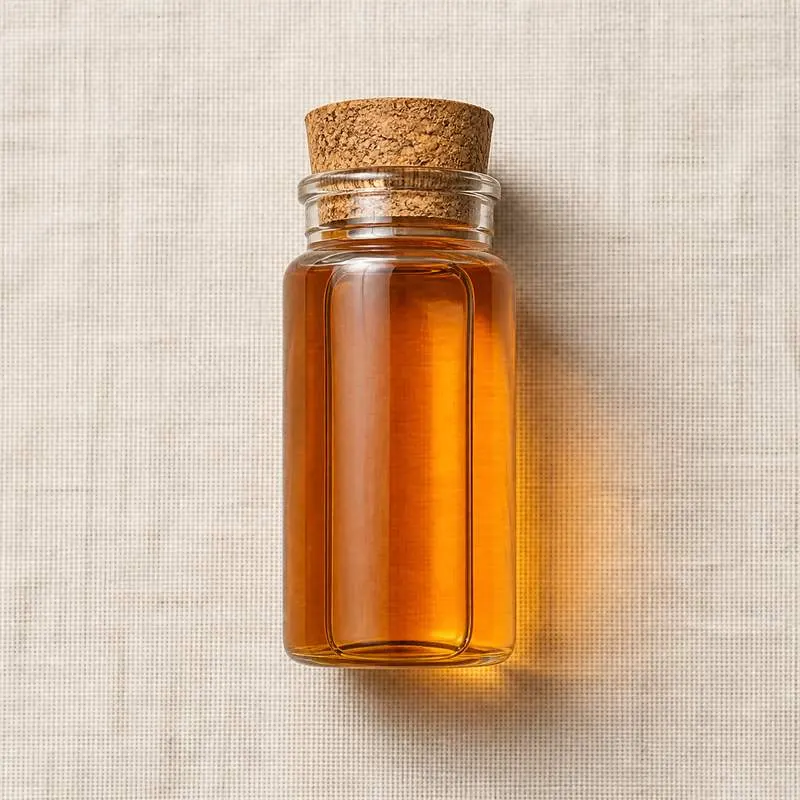
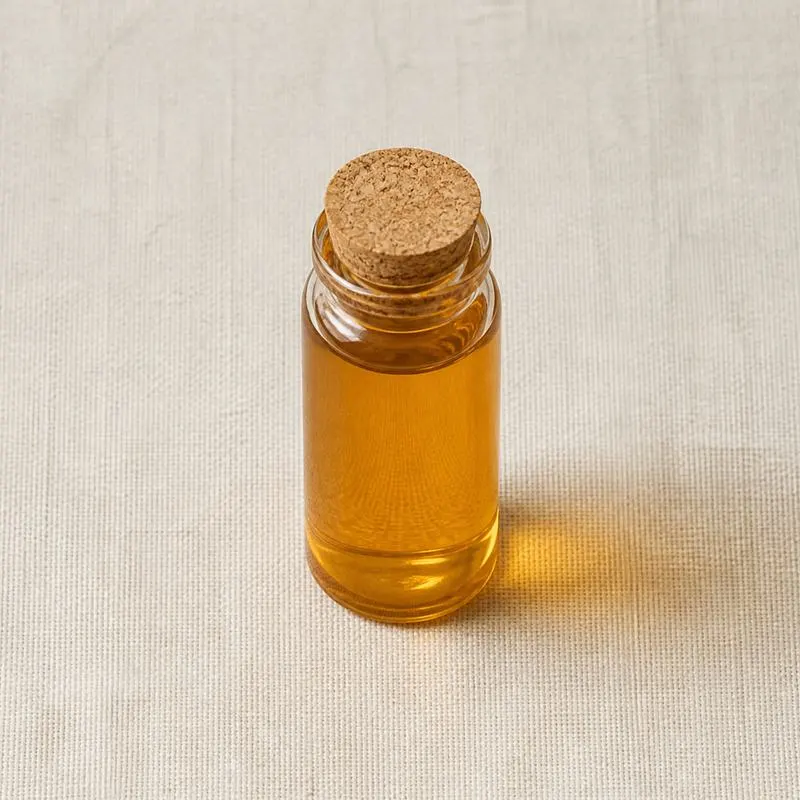
The product is a deep red to dark reddish brown viscous liquid that separates and deposits waxes on standing and is warmed and homogenised before dosing. It is oil soluble and water dispersible only after emulsification, so it is commonly sold already standardised in vegetable oil, emulsified with polysorbate, or plated onto a dry carrier. The pigments are light and oxygen sensitive, so the material is packed in opaque containers under nitrogen.
We source bulk Red Pepper Oleoresin from top China manufacturers for our partners. The manufacturer is in Henan. A smaller requirement can ship in a combined container with other ingredients.
Please send the grade you need, the volume and your destination port, and we will come back with a solution and a price.
or call +86-21-6858 0751
- Function
- Flavours and Aromas
Specifications
| Item | Specification |
|---|---|
| Appearance | Viscous homogeneous liquid, wax deposit on standing permitted |
| Colour | Deep red to dark reddish brown |
| Odour and flavour | Characteristic capsicum, pungent according to grade |
| Pungency | Declared per grade in Scoville heat units |
| Capsaicin plus dihydrocapsaicin | Determined by high performance liquid chromatography, per grade |
| Extractable colour | Declared per grade in ASTA units |
| Relative density at 25 degrees Celsius | 0.930 to 1.050 |
| Refractive index at 20 degrees Celsius | 1.4800 to 1.5200 |
| Moisture | 2.0 percent maximum |
| Residual solvent, hexane | 25 mg/kg maximum |
| Total aflatoxins | 10 microgram/kg maximum |
| Lead | 2.0 mg/kg maximum |
| Total plate count | 1,000 cfu/g maximum |
| Yeast and mould | 50 cfu/g maximum |
| Salmonella | Absent in 25 g |
Common Markets Grades
Pungent grades are traded on Scoville heat units, with the neat extract commonly in the region of hundreds of thousands to over a million units and diluted grades standardised at declared levels such as 100,000 or 500,000 units. Colour grades, generally described as paprika oleoresin, are traded on extractable colour in ASTA units, typically from around 40,000 upward, with pungency limited by specification rather than sought.
Physical form gives the other set of positions: neat oleoresin, oil dispersed liquids in vegetable oil or medium chain triglyceride, water dispersible emulsified grades for brines and beverages, and dry soluble powders plated on salt, dextrose or silica for dry seasoning blends. Extraction route separates hexane and acetone extracted material from ethanol extracts and from supercritical carbon dioxide extracts, the last sold where a solvent free position is required. Decolourised capsicum extracts, from which the pigment has been stripped so that heat can be added without colour, are a further distinct item.
Applications
- Instant noodle and soup seasonings, supplying heat and colour at low inclusion
- Snack seasonings, applied as a dry soluble powder in the topical blend
- Sausage and processed meat products, giving uniform heat and colour without visible particles
- Sauces, dressings and prepared condiments
- Chilli oil and seasoning oil manufacture, dosed into the oil phase
- Retorted and canned foods, where ground spice would add a microbiological load the extract does not
- Colouring of cheese, snacks and processed foods, using the paprika colour grades
- Marinades and brines for poultry and meat, using a water dispersible grade
- Pet food palatants and coatings
- Pharmaceutical and topical counterirritant preparations built on capsaicinoids
China Manufacturers of Red Pepper Oleoresin
Top Red Pepper Oleoresin manufacturers in China.
Company names and logos are the property of the manufacturers themselves. They are listed here because our own directory records them as producing this ingredient. A listing is not an endorsement by them, and we do not represent them or speak on their behalf.
Regulatory Status
In the United States 21 CFR 182.10 and 182.20 list capsicum oleoresin among the spices, oleoresins and natural extractives generally recognised as safe for their intended use in food, and it holds FEMA GRAS status as a flavouring. Paprika and paprika oleoresin used to give colour are colour additives exempt from certification, and 21 CFR 73.345 lists them; when used for colour they must be declared as such rather than hidden within a spice declaration. Extraction solvents are controlled as secondary direct additives with residual limits, and any carrier or emulsifier in a dispersed grade must itself be a permitted food ingredient.
In the European Union the functional distinction is the same but the labelling differs. Capsicum extract used for flavour is a flavouring preparation under Regulation (EC) No 1334/2008 and carries no E number, while paprika extract used as a colour is an authorised food colour with the number E160c, permitted in specified food categories at defined levels. The extraction solvent is controlled under the extraction solvents legislation. Mycotoxin limits for dried chilli and paprika, pesticide maximum residue levels and the controls on unauthorised industrial dyes in chilli products all apply to the incoming raw material, the last being a recurring cause of border rejections in this commodity.
Manufacturing Process
Dried ripe capsicum pods are cleaned, destemmed and, where the target is a specific heat or colour level, blended by variety before being coarsely milled. The milled material is charged to a battery of percolation extractors and washed in counter current flow with a food grade solvent, usually hexane, acetone or ethanol, or is extracted with supercritical carbon dioxide where a solvent free product is required. The miscella carries capsaicinoids, carotenoids, volatile oil, waxes and lipids.
The miscella is concentrated in a falling film or wiped film evaporator under vacuum, and residual solvent is stripped in a thin film unit at low temperature so that the carotenoids are not degraded. Waxes are removed by chilling and filtration where a clear product is needed. The stripped resin is then standardised, either by dilution with refined vegetable oil to hit a declared Scoville figure or, for colour grades, by blending high and low colour lots to a target ASTA value, and the blend is homogenised and polish filtered. Dry soluble grades are made by spraying the standardised oleoresin onto a carrier in a plating mixer or by spray drying an emulsion. Finished material is filled into opaque lined drums or pails under nitrogen.