Rehmannia Glutinosa Catalpol
Catalpol is an iridoid glycoside, chemically a glucoside of the epoxy-iridoid catalpol aglycone with formula C15H22O10 and molar mass 362.33 g/mol. It is the principal marker compound of the root of Rehmannia glutinosa, the Chinese foxglove known in herbal trade as di huang, and it also occurs in Plantago and Catalpa species, from which it takes its name.
Commercial material is traded either as a purified compound or as a Rehmannia root extract standardised on catalpol content, and it is used as a reference marker and as a standardised botanical active rather than as a food additive. The root additionally carries acteoside, stachyose and other oligosaccharides, and rehmannioside iridoids, which are reported alongside catalpol in extract specifications.
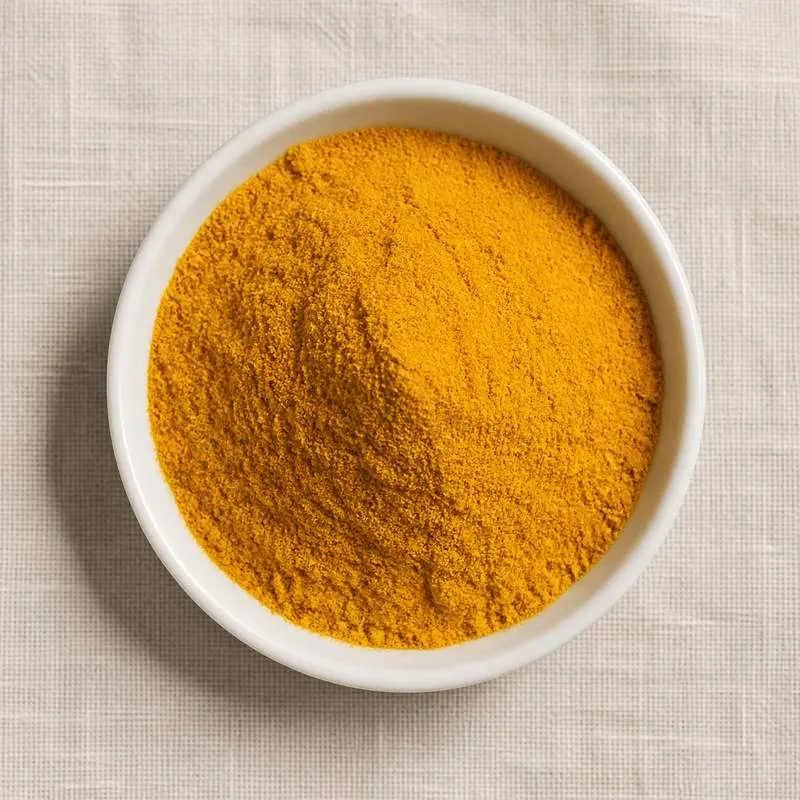
Purified catalpol is a white to off white crystalline powder, freely soluble in water and in methanol, sparingly soluble in ethanol and practically insoluble in non-polar solvents. It is a bitter tasting, strongly hygroscopic material. The molecule carries a strained epoxide and an acetal linked sugar, both of which hydrolyse under acid and at elevated temperature, so extraction and drying are run at controlled temperature and the powder is packed under a moisture barrier and stored cool.
We source bulk Rehmannia Glutinosa Catalpol from top China manufacturers for our partners. The manufacturer is in Shaanxi. A smaller requirement can ship in a combined container with other ingredients.
Please send the grade you need, the volume and your destination port, and we will come back with a solution and a price.
or call +86-21-6858 0751
- Function
- Plant extract
Specifications
| Item | Specification |
|---|---|
| Appearance | White to off white crystalline powder |
| Odour and Taste | Odourless, bitter |
| Catalpol (HPLC) | ≥ 98.0% |
| Identification | Conforms by HPLC retention and UV spectrum |
| Melting Range | 203 to 208°C |
| Loss on Drying | ≤ 2.0% |
| Residue on Ignition | ≤ 0.5% |
| Related Iridoids | ≤ 1.5% total |
| Particle Size | 100% through 80 mesh |
| Residual Ethanol | ≤ 0.5% |
| Residual Methanol | ≤ 30 mg/kg |
| Heavy Metals (as Pb) | ≤ 10 mg/kg |
| Lead | ≤ 1.0 mg/kg |
| Arsenic | ≤ 1.0 mg/kg |
| Total Plate Count | ≤ 1,000 cfu/g |
| Yeast and Mould | ≤ 100 cfu/g |
| Salmonella | Absent in 25 g |
Common Markets Grades
Purified catalpol is traded at 98 percent by HPLC as a reference and high assay active, with 90 and 95 percent grades available at lower cost. Standardised Rehmannia root extracts are quoted at 1, 2, 5 and 10 percent catalpol, and the higher figures are difficult to reach because catalpol is degraded by the traditional processing of the root. Ratio extracts at 4:1 and 10:1 without a marker are sold for traditional preparations.
A distinction that matters commercially is between fresh or dried raw root, sold as sheng di huang, and the steamed and repeatedly dried preparation known as shu di huang. Steaming hydrolyses much of the iridoid fraction and darkens the root, so processed root carries far less catalpol and is not a suitable feedstock for a high assay extract. Physical grades cover crystalline powder for the purified compound, spray dried powder at 80 mesh for extracts, and liquid concentrate for beverage manufacture.
Applications
- Dietary supplements standardised on catalpol content, positioned on kidney and metabolic support
- Traditional Chinese herbal preparations and decoction granules, where Rehmannia root is a classical component
- Multi-botanical tonic formulations combined with Cornus, Dioscorea and Poria
- Herbal teas and instant granule stick packs in Asian markets
- Analytical reference material, catalpol being the assay marker for Rehmannia in pharmacopoeial testing
- Skin care preparations, where the iridoid and polysaccharide fraction is used as a soothing and hydrating agent
- Research preparations in iridoid glycoside pharmacology and metabolism
China Manufacturers of Rehmannia Glutinosa Catalpol
Top Rehmannia Glutinosa Catalpol manufacturers in China.
Company names and logos are the property of the manufacturers themselves. They are listed here because our own directory records them as producing this ingredient. A listing is not an endorsement by them, and we do not represent them or speak on their behalf.
Regulatory Status
In the United States Rehmannia root extract is sold as a dietary ingredient under the Dietary Supplement Health and Education Act, on the basis of a history of use of the root in supplements. Catalpol itself has no food additive regulation, no colour additive listing and no entry among substances generally recognised as safe, so purified catalpol is not marketable as a general food ingredient and is sold principally as a reference standard and as a standardised extract component. Claims are limited to structure and function statements.
In the European Union catalpol has no E number and is not an authorised food additive. Rehmannia glutinosa root preparations have no established record of significant consumption in the Union before May 1997, so both the extract and the purified compound fall within the scope of Regulation 2015/2283 on novel foods, and treatment varies between member states under their national botanical lists. Regulation 1223/2009 governs cosmetic use. Codex has no standard covering the material, and the Joint FAO WHO Expert Committee has not evaluated it.
Manufacturing Process
Rehmannia roots are lifted in autumn, washed, graded and dried in warm air at moderate temperature, since high heat hydrolyses the iridoid fraction that the extract is built on. The dried root is sliced and milled to a coarse cut and extracted in counter current flow with water or with dilute aqueous ethanol at 50 to 70 degrees Celsius. Temperature is held down deliberately, because catalpol degrades quickly above about 80 degrees and under acid conditions.
The liquor is separated on a decanter centrifuge and clarified by plate and membrane filtration, and where a high sugar load is present the extract is first passed through a step that removes stachyose and the other oligosaccharides, since they otherwise dominate the dry solids. The clarified extract is loaded onto a macroporous adsorption resin or an activated carbon column that retains the iridoids while sugars and salts pass to waste, and the iridoid fraction is eluted with dilute ethanol. For purified catalpol the eluate is taken further by preparative chromatography, concentrated under vacuum at low temperature and crystallised from an alcohol and water mixture, then recovered on a centrifuge and dried under vacuum. Extract grades are instead concentrated in a falling film evaporator, standardised against an assayed batch and spray dried at a controlled inlet temperature.