Renal Peptide
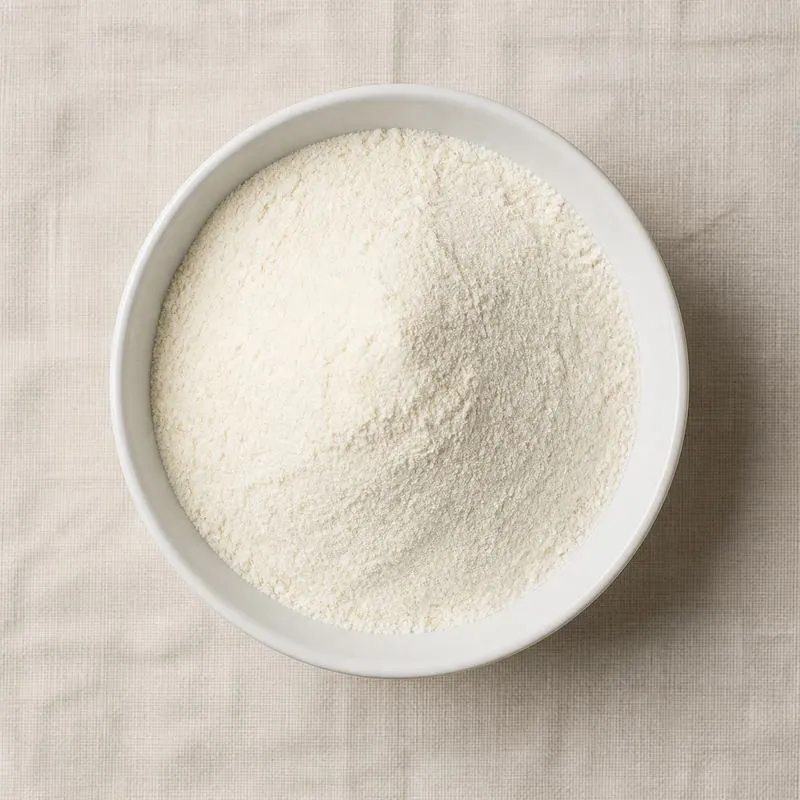
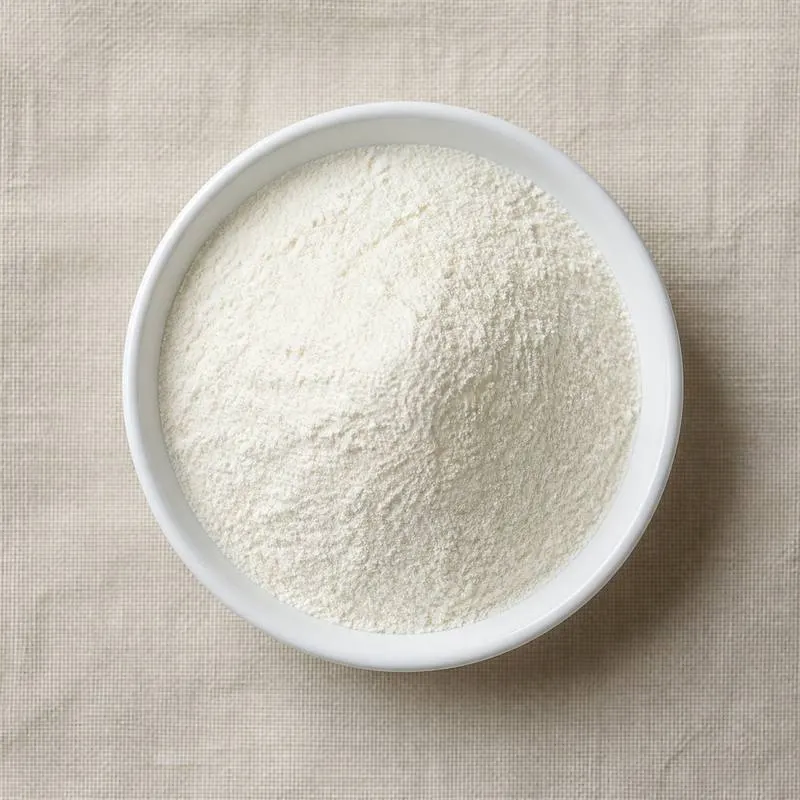
Renal peptide is a low molecular weight protein hydrolysate prepared by controlled enzymatic digestion of mammalian kidney tissue, usually porcine or bovine, and sold as a dried powder for nutritional and health food formulation.
The material consists mainly of oligopeptides in the 200 to 1000 dalton range together with free amino acids, residual nucleotides and mineral ash carried over from the tissue. Degree of hydrolysis is the quality parameter that matters most, since it determines both the peptide chain length distribution and the intensity of the bitter, meaty note the powder contributes.
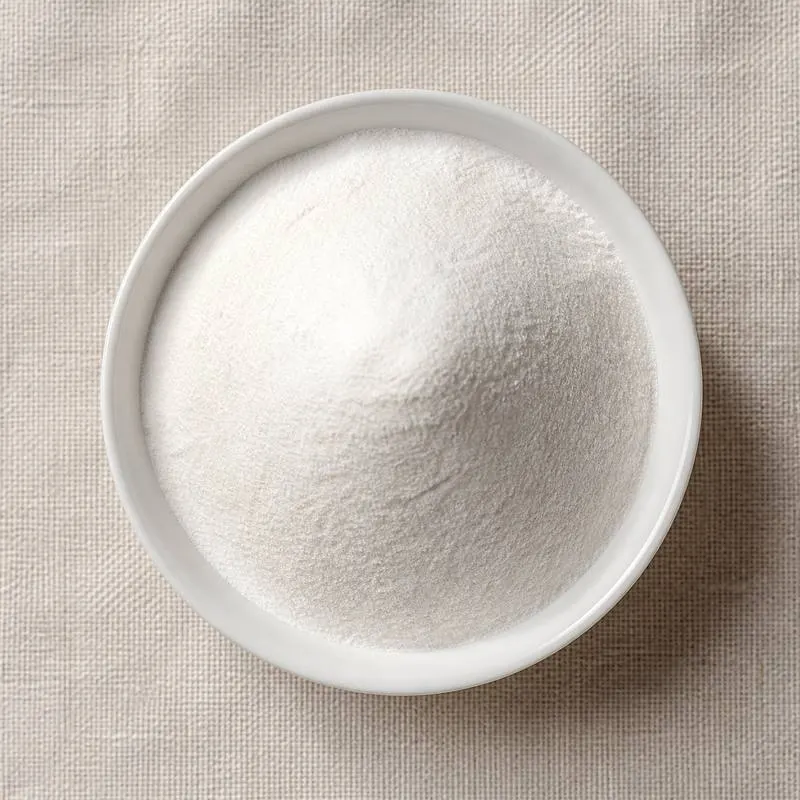
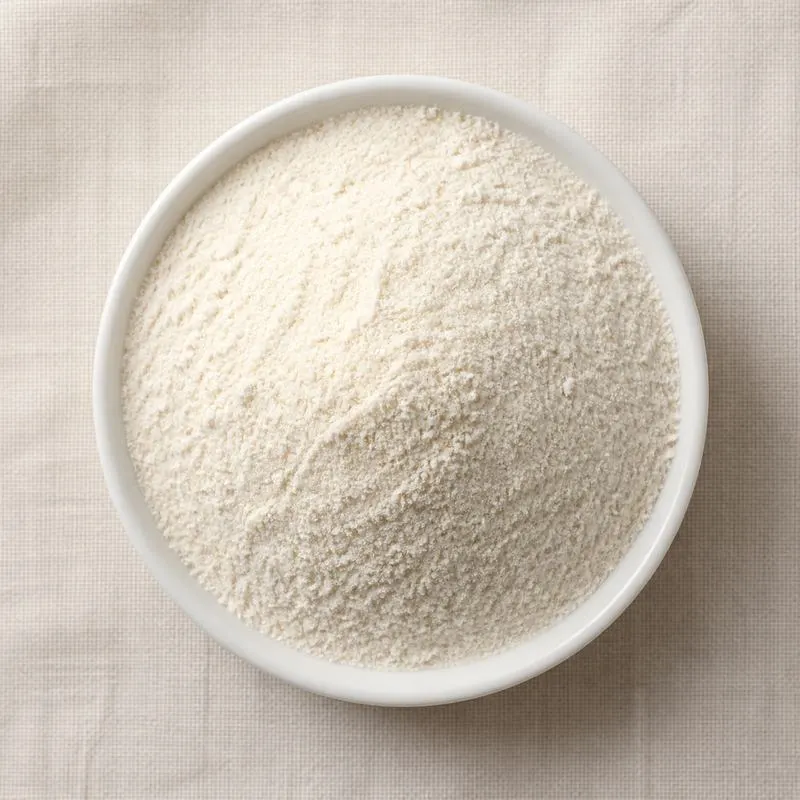
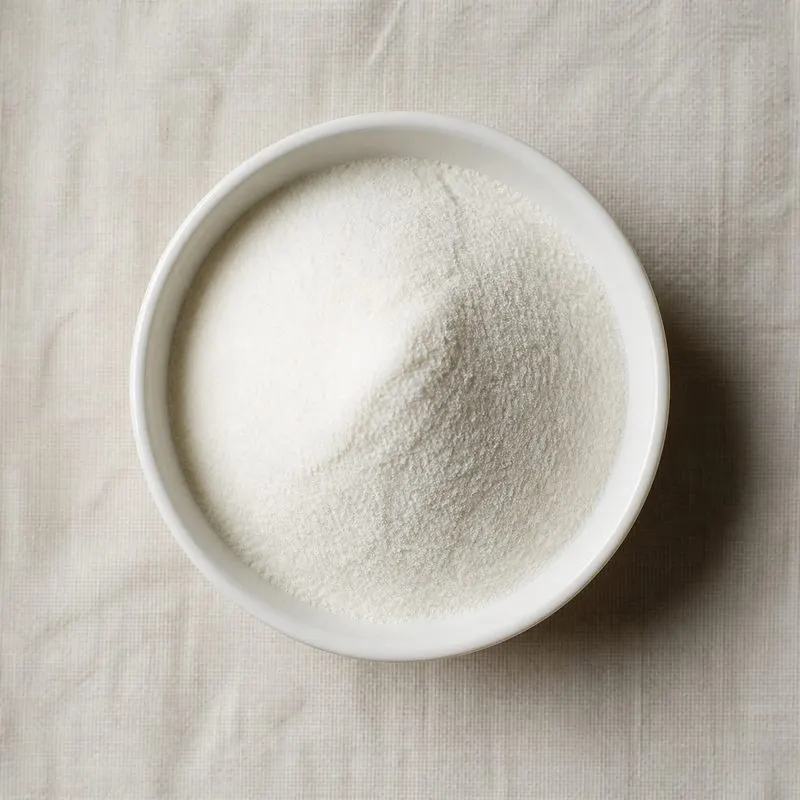
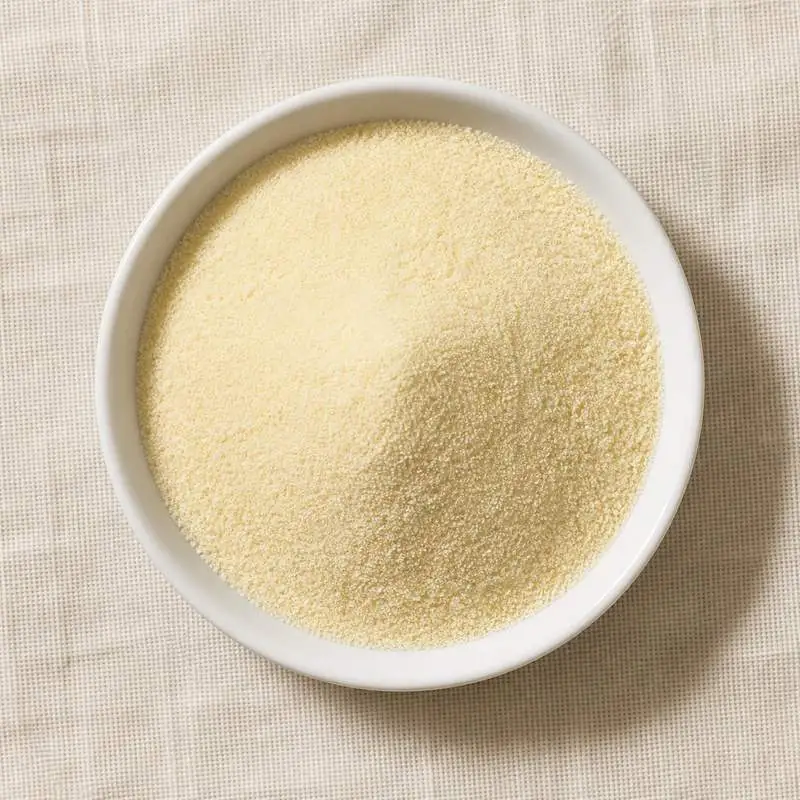
The powder is light yellow to pale brown, hygroscopic, and readily soluble in water at neutral pH to give a slightly turbid solution. Peptides of this size are heat stable through pasteurisation and tolerate acidic conditions better than the intact parent protein, so the material survives beverage processing without precipitating.
We source bulk Renal Peptide from top China manufacturers for our partners. The manufacturer is in Inner Mongolia. A smaller requirement can ship in a combined container with other ingredients.
Please send the grade you need, the volume and your destination port, and we will come back with a solution and a price.
or call +86-21-6858 0751
- Function
- Protein
Specifications
| Item | Specification |
|---|---|
| Appearance | Light yellow to pale brown free flowing powder |
| Odour and taste | Characteristic peptide odour, slightly bitter |
| Peptide content (dry basis) | 80.0 percent minimum |
| Peptides below 1000 Da | 75.0 percent minimum |
| Total nitrogen | 12.0 percent minimum |
| Loss on drying | 7.0 percent maximum |
| Ash | 8.0 percent maximum |
| Fat | 1.0 percent maximum |
| pH (1 percent solution) | 6.0 to 7.5 |
| Heavy metals (as Pb) | 10 mg/kg maximum |
| Lead | 0.5 mg/kg maximum |
| Arsenic | 0.5 mg/kg maximum |
| Total plate count | 10,000 cfu/g maximum |
| Yeast and mould | 50 cfu/g maximum |
| E. coli | Absent in 1 g |
| Salmonella | Absent in 25 g |
Common Markets Grades
Renal peptide is traded principally as a spray dried food grade powder with peptide content stated on a dry basis, commonly 80 percent minimum, and with the proportion of peptides below 1000 daltons declared separately as a functional specification.
A freeze dried grade is offered where a lighter colour and lower thermal history are required, and a granulated version is produced for direct filling into sachets and capsules. Deodorised and debittered variants are made by additional activated carbon treatment or resin adsorption for use in flavour sensitive applications.
Applications
- Capsule and tablet health food products, where it serves as the peptide active in formulations positioned around renal and urinary support
- Protein fortified powdered drink mixes, contributing nitrogen in a rapidly absorbed low molecular weight form
- Nutritional formulas for people with impaired digestive capacity, where pre-hydrolysed peptides reduce the demand on gastric and pancreatic proteases
- Sports nutrition blends, used alongside plant and dairy peptides to broaden the amino acid profile
- Liquid oral nutrition supplements, where its solubility at neutral pH prevents the sediment associated with intact proteins
- Savoury flavour bases, where the free amino acids and nucleotides contribute a meaty background note
- Pet nutrition products and palatants, where kidney derived hydrolysates raise acceptance in dry diets
- Microbiological and cell culture media, as an organic nitrogen source in peptone style applications
China Manufacturers of Renal Peptide
Top Renal Peptide manufacturers in China.

Company names and logos are the property of the manufacturers themselves. They are listed here because our own directory records them as producing this ingredient. A listing is not an endorsement by them, and we do not represent them or speak on their behalf.
Regulatory Status
Renal peptide is handled as a food ingredient rather than a food additive, so it carries no E number in the European Union and no additive listing in the United States. Its acceptability rests on the status of the source animal and the enzymes used: the raw tissue must come from animals passed fit for human consumption under the applicable meat inspection rules, and the processing aids must themselves be permitted food enzymes.
In the United States a hydrolysate of this type is used under the general food ingredient framework, with the enzymes employed drawn from those with GRAS status for protein hydrolysis. In the European Union an animal organ hydrolysate with no significant history of consumption before May 1997 falls to be assessed under the novel food regulation before it may be placed on the market, and material intended for the EU is normally reviewed on that basis. Codex has no commodity standard specific to organ derived peptides, though the general principles for hydrolysed protein products and the Codex hygiene provisions for meat apply. Products are also subject to the animal by-product and transmissible spongiform encephalopathy controls that govern trade in bovine derived materials.
Manufacturing Process
Production begins with fresh or frozen kidney tissue collected from abattoirs under veterinary inspection. The tissue is trimmed of fat and connective membrane, minced, and dispersed in water to a controlled solids level. The slurry is heated briefly to inactivate endogenous enzymes and reduce the microbial load, then cooled to the working temperature of the protease system.
Hydrolysis is carried out with food grade proteases, typically an alkaline bacterial protease followed by a neutral or exopeptidase stage, at 50 to 60 degrees Celsius with the pH held constant by alkali addition. The reaction is stopped by heat inactivation once the target degree of hydrolysis is reached. The digest is centrifuged and filtered to remove residual fat and undigested solids, decolourised over activated carbon, then passed through ultrafiltration and nanofiltration membranes that fractionate the peptides by size and remove excess salt. The permeate is concentrated under vacuum and spray dried, or freeze dried where the premium grade is required.