Salidroside
Salidroside (CAS 10338-51-9) is the principal active glycoside of Rhodiola rosea and the most widely cited marker compound for standardised rhodiola extracts.
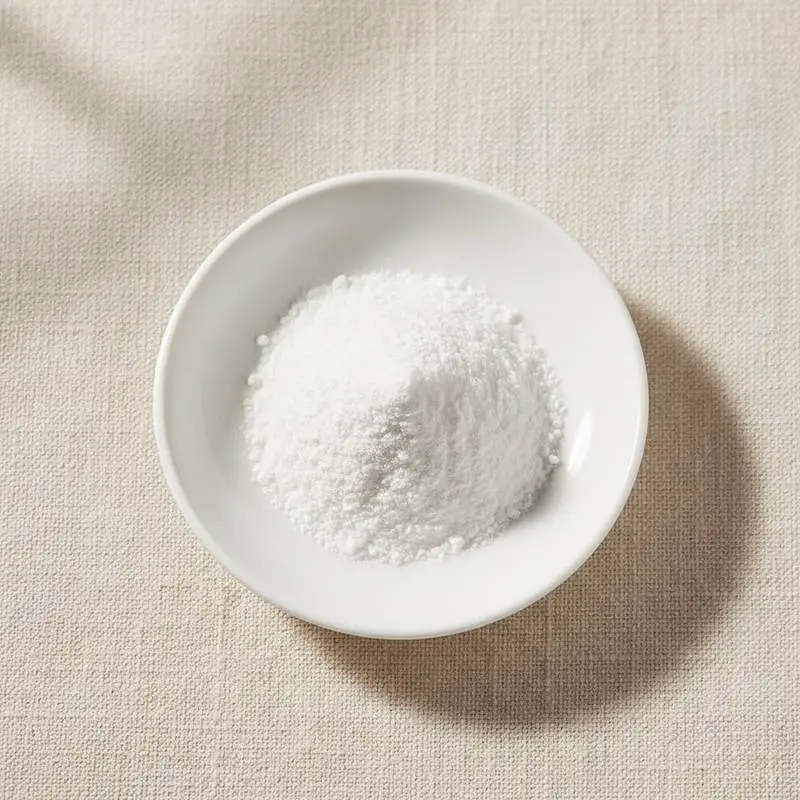
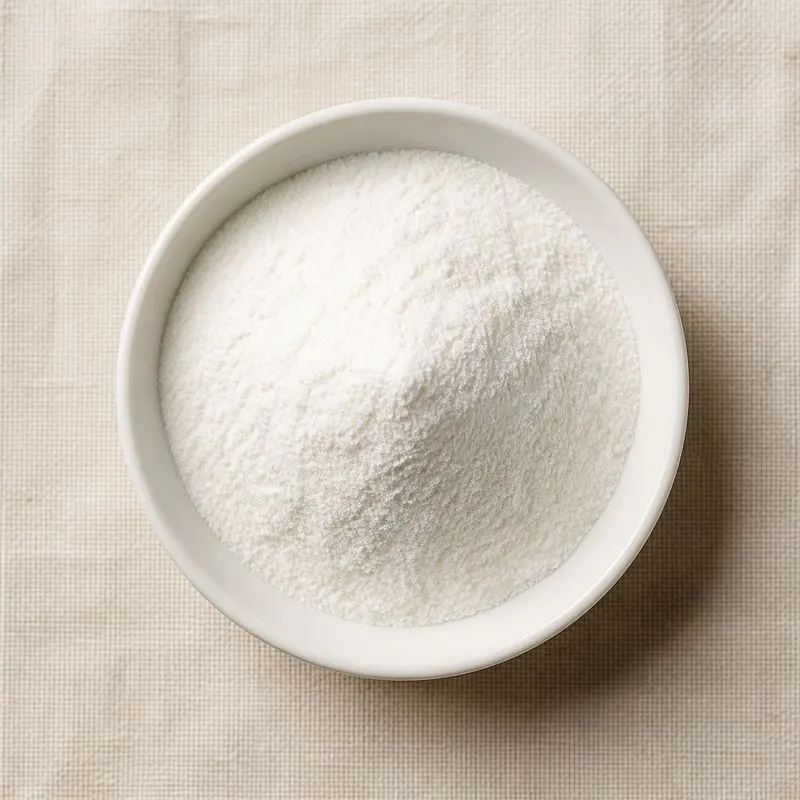
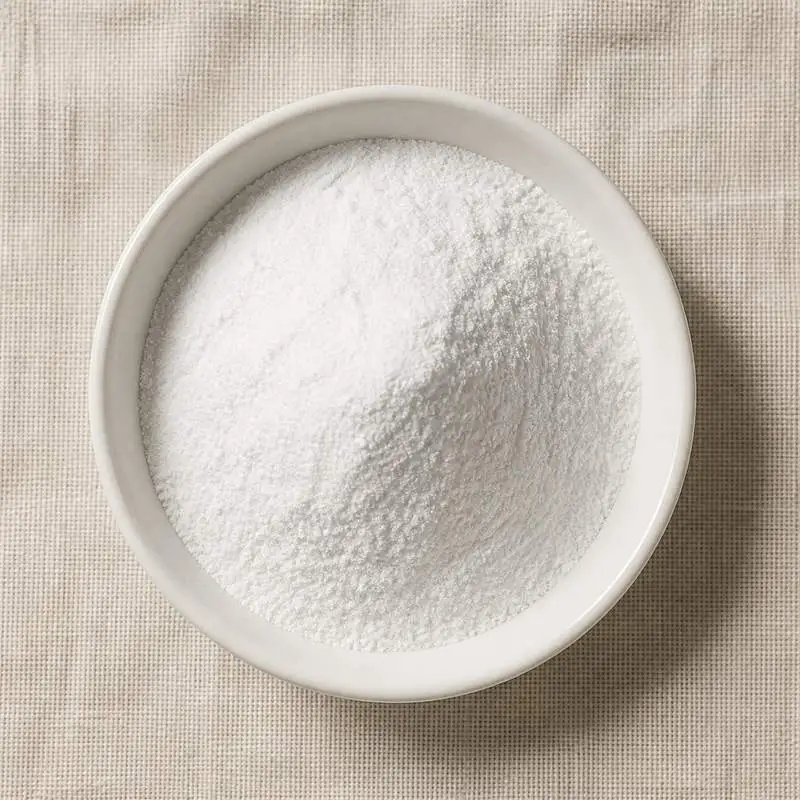
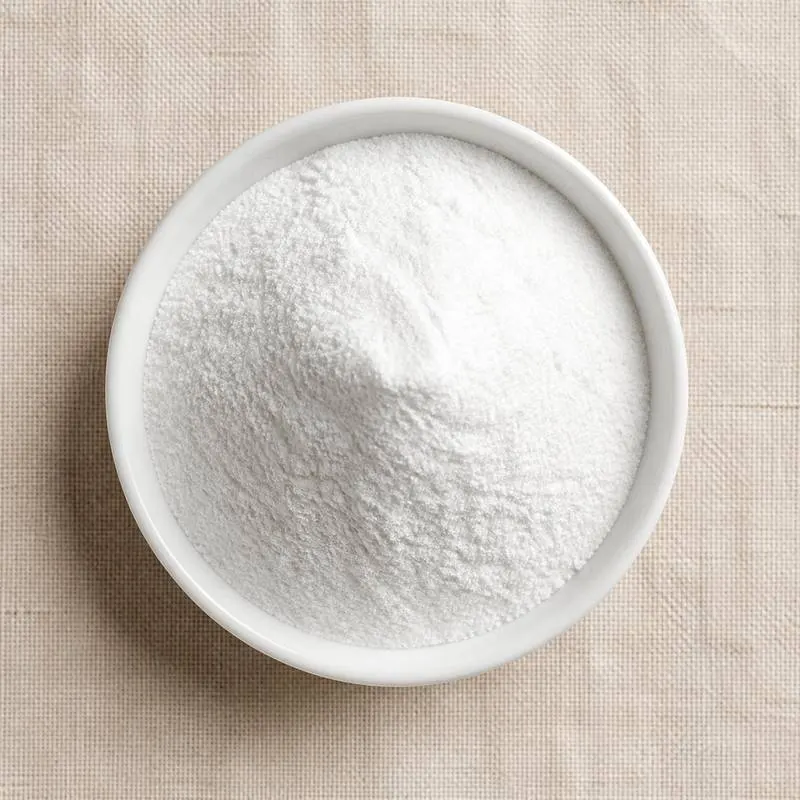
The molecule is tyrosol 8-O-β-D-glucopyranoside, formula C₁₄H₂₀O₇, molar mass 300.30 g/mol. It is a white to pale yellow crystalline powder, freely soluble in water, methanol, and ethanol and practically insoluble in nonpolar solvents.
We source bulk Salidroside from top China manufacturers for our partners. The manufacturer is in Beijing. A smaller requirement can ship in a combined container with other ingredients.
Please send the grade you need, the volume and your destination port, and we will come back with a solution and a price.
or call +86-21-6858 0751
- Packaging
- 25 kg kraft paper bag with PE inner liner
- ISO 9001
- HACCP
- Halal
- Kosher
Specifications
| Item | Specification |
|---|---|
| Appearance | White to pale yellow crystalline powder |
| Identification | Infrared spectrum and HPLC retention conform to reference standard |
| Salidroside (HPLC, dry basis) | ≥ 98.0% |
| Rosavins (HPLC) | Not standardised in purified grade; root extract grades run 3.0% rosavins with 1.0% salidroside |
| Loss on Drying | ≤ 1.0% |
| Sulphated Ash | ≤ 0.5% |
| Residual Solvent (Ethanol) | ≤ 5,000 mg/kg |
| Particle Size | 100% through 80 mesh |
| Solubility | Freely soluble in water, methanol and ethanol |
| Heavy Metals (as Pb) | ≤ 10 mg/kg |
| Arsenic (as As) | ≤ 1 mg/kg |
| Total Plate Count | ≤ 1,000 cfu/g |
| Yeast and Mould | ≤ 100 cfu/g |
| E. coli | Negative/g |
| Salmonella | Negative/25g |
Common Markets Grades
Salidroside is graded by HPLC purity and by source.
Standardised rhodiola root extracts are graded by combined rosavins and salidroside, with typical specifications of three percent rosavins and one percent salidroside as the historical reference profile.
Concentrated extracts standardised to three, five, or ten percent salidroside are produced for capsule and tablet manufacture, often without the rosavin fraction when sourced from Rhodiola crenulata rather than Rhodiola rosea.
Purified salidroside at 98 percent and 99 percent is produced for clinical research and analytical use. Fermentation-derived salidroside has appeared in the past several years from engineered microbial systems, offered at comparable purity.
Applications
- Adaptogen capsules positioned for fatigue, stress, and resilience
- Cognitive and focus supplements for sustained mental performance
- Mood support blends combined with saffron or ashwagandha
- Sports endurance formulas targeting recovery and oxygen utilisation
- Altitude and travel-readiness products
- Nootropic stacks for working memory and reaction time
- Functional teas and infusions with adaptogen positioning
- Cosmetic serums and creams with antioxidant and anti-fatigue claims
- Hair-care leave-in tonics for scalp resilience
- Veterinary supplements for performance horses and working dogs
- Research material for HPA-axis and heat-shock protein studies
- Reference standard for rhodiola species authentication
Brands Using Salidroside
Widely-distributed consumer products that list Salidroside on the ingredient label.
- Nature's WayNature's Way Rhodiola Premium Extract 250 mg ↗Rhodiola rosea root extract capsule standardised to 3% rosavins (7.5 mg) and 1% salidroside (2.5 mg) per serving for energy and cognitive performance.Label verified 2026-05-24
- Nootropics DepotRhodiola Rosea Capsules - 3% Salidroside ↗A Rhodiola rosea extract capsule standardised to 3% salidroside.Label verified 2026-05-24
- Double Wood SupplementsRhodiola Rosea Supplement 500 mg (3% Salidrosides, 1% Rosavins) ↗Supplies 500 mg Rhodiola rosea per capsule, standardised to 3% salidrosides and 1% rosavins, third-party tested.Label verified 2026-05-24
- SolaraySolaray Super Rhodiola Root Extract 500 mg ↗500 mg rhodiola root extract per capsule with guaranteed 15 mg (3%) rosavins and 5 mg (1%) salidrosides for stress and energy support.Label verified 2026-05-24
- Mind Lab ProMind Lab Pro Universal Nootropic (Rhodiola Rosea) ↗Nootropic stack containing Rhodiola rosea standardised to 3% rosavins and 1% salidroside for cognitive performance under stress.Label verified 2026-05-24
- Gaia HerbsGaia Herbs Rhodiola Rosea Liquid Phyto-Caps ↗A liquid phyto-cap of Siberian Rhodiola rosea root extract containing rosavins and salidrosides.Label verified 2026-05-24
Brand names, product names and logos are the property of their owners. They appear here as published evidence that the ingredient is used, taken from the brand's own label or website. Their appearance is not an endorsement, and it does not mean the brand buys from us or from any manufacturer listed on this site.
China Manufacturers of Salidroside
Top Salidroside manufacturers in China.

Company names and logos are the property of the manufacturers themselves. They are listed here because our own directory records them as producing this ingredient. A listing is not an endorsement by them, and we do not represent them or speak on their behalf.
How We Help Source Salidroside
Direct Factory Sourcing
We run the whole process: selecting the manufacturer from the top Chinese food ingredient producers, negotiating the price, verifying quality, and coordinating the logistics. You deal with us instead of with several factories at once.
Original Packaging and Documents from the Manufacturer
The manufacturer sends your Salidroside out of its own factory in the original packing, through to your destination port. The COA, COO, MSDS, TDS and any certifications reach you from the manufacturer as well.
Free Samples and Lead Time
We send 100 to 500 g free for your own laboratory to test and you cover only the courier, usually within 2 to 3 working days. ETD is usually within 7 to 15 days once the order is confirmed, and we check that date against the factory's own manufacturing schedule before we give it to you.
Combined Shipment
We can load Salidroside together with other ingredients such as Arachidonic Acid, Coenzyme Q10 and Chondroitin Sulphate Sodium into one 20' FCL. If your quantity is small, we can also ship LCL.
Regulatory Status
Rhodiola rosea root has a long history of use in northern European, Russian, and Chinese traditional systems, and standardised extracts are widely sold worldwide.
In the European Union, Rhodiola rosea root extract is registered as a traditional herbal medicinal product under Directive 2004/24/EC for the temporary relief of symptoms of stress such as fatigue and weakness. The Ph. Eur. monograph for Rhodiolae rhizoma et radix specifies salidroside and rosavin content as quality criteria.
In the United States, rhodiola extracts are marketed as dietary-supplement ingredients under DSHEA. Fermentation-derived salidroside has been the subject of New Dietary Ingredient notifications by specific suppliers.
EFSA has not authorised any specific health claim for rhodiola or salidroside.
The European Pharmacopoeia and the Chinese Pharmacopoeia both define salidroside reference substance specifications. The molecule is also a primary marker in the differentiation between Rhodiola rosea and the closely related Rhodiola crenulata, which lacks rosavins but contains comparable salidroside.
Manufacturing Process
Three routes contribute to current salidroside supply.
The traditional route extracts rhodiola root from wild and cultivated stocks of Rhodiola rosea and Rhodiola crenulata. The dried root is milled and extracted with aqueous ethanol, concentrated under vacuum, and clarified. Macroporous adsorption resin separates the polar glycosides from sugars and tannins, and stepwise ethanol-water elution recovers a fraction enriched in salidroside and tyrosol.
For higher purities, preparative reversed-phase chromatography or countercurrent chromatography resolves salidroside from related glycosides such as rosavin, rosin, and rosarin.
The second route is chemical synthesis, in which tyrosol is selectively glycosylated with an activated glucose donor under Lewis-acid catalysis. The synthetic product is identical to the natural compound, which has a single defined stereochemistry.
The third route, increasingly visible, is microbial fermentation. Engineered strains of Saccharomyces cerevisiae and Escherichia coli expressing tyrosine decarboxylase, alcohol dehydrogenase, and glycosyltransferase enzymes produce salidroside from glucose, eliminating pressure on wild rhodiola stocks. Commercial fermentation-derived salidroside became available in the late 2010s.