Salmon Ovary Peptide
Salmon ovary peptide is a low molecular weight protein hydrolysate prepared by enzymatic digestion of the ovarian membrane and roe tissue of salmon, marketed as a marine nutraceutical raw material.
The starting tissue is unusually rich in nucleoprotein, so the hydrolysate carries both short peptides and a measurable nucleic acid fraction, and protamine derived arginine rich sequences give it a distinctive amino acid profile. Most of the peptide mass falls below 1000 daltons after membrane fractionation, which is the specification buyers use to distinguish it from a simple fish protein hydrolysate.
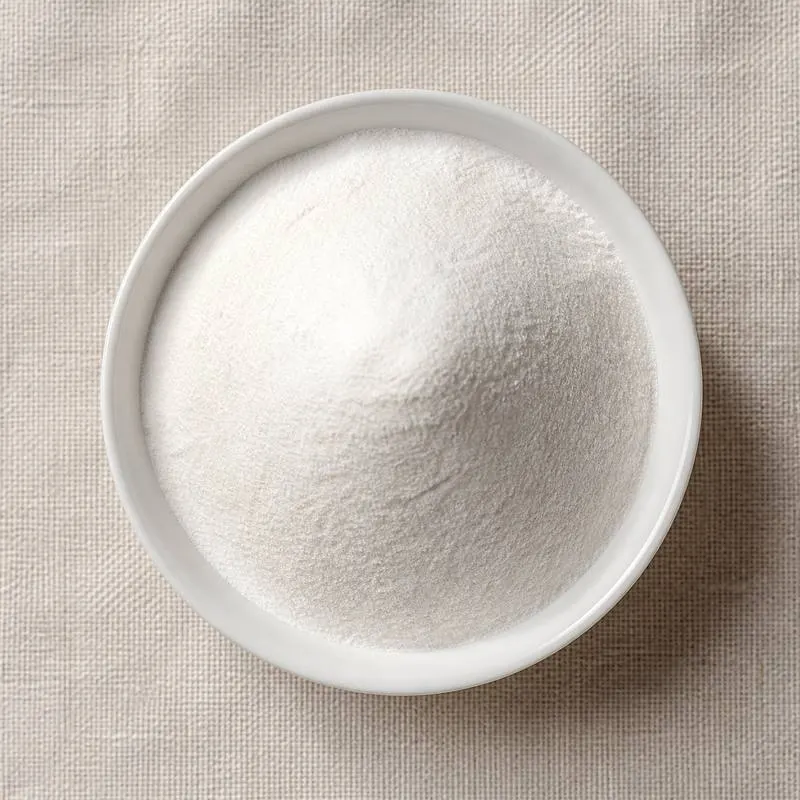
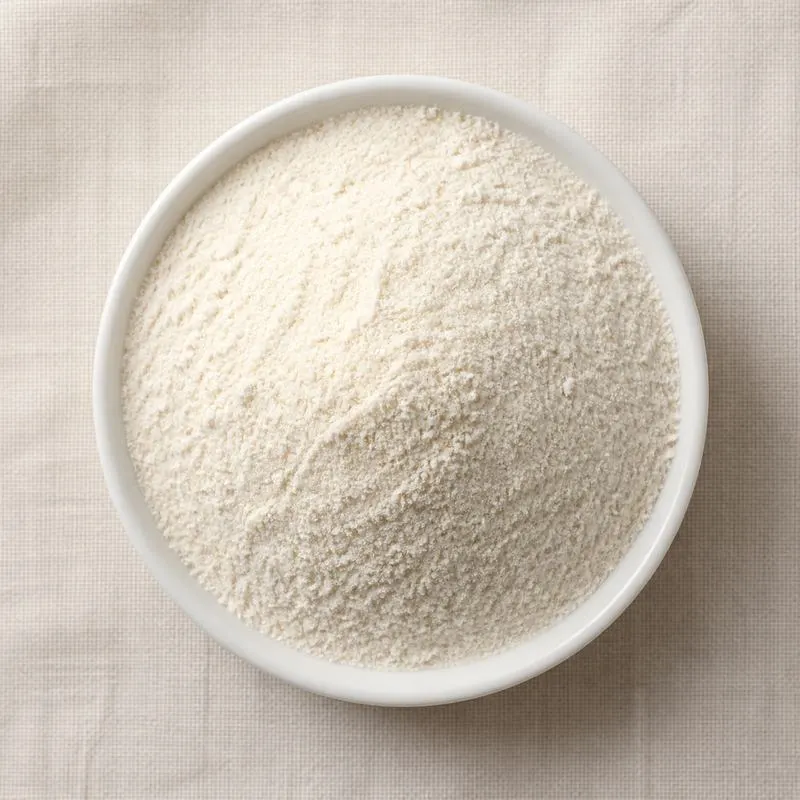
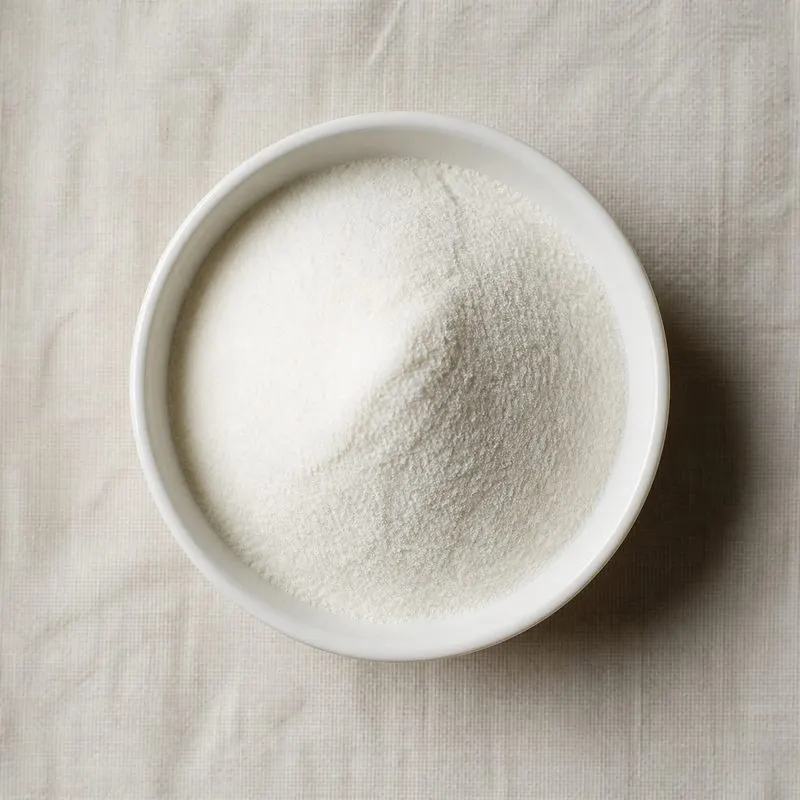
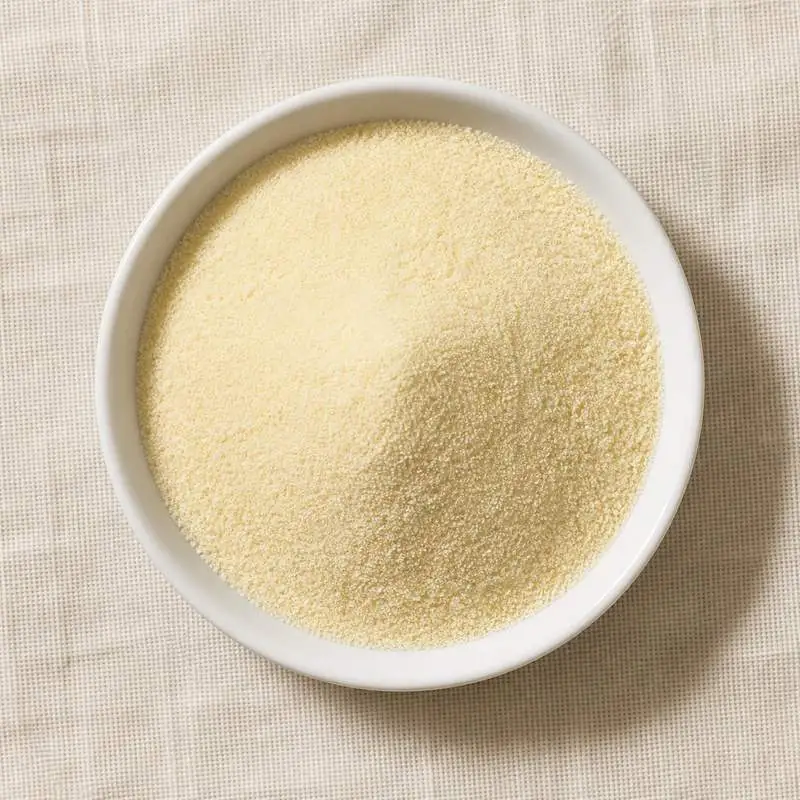
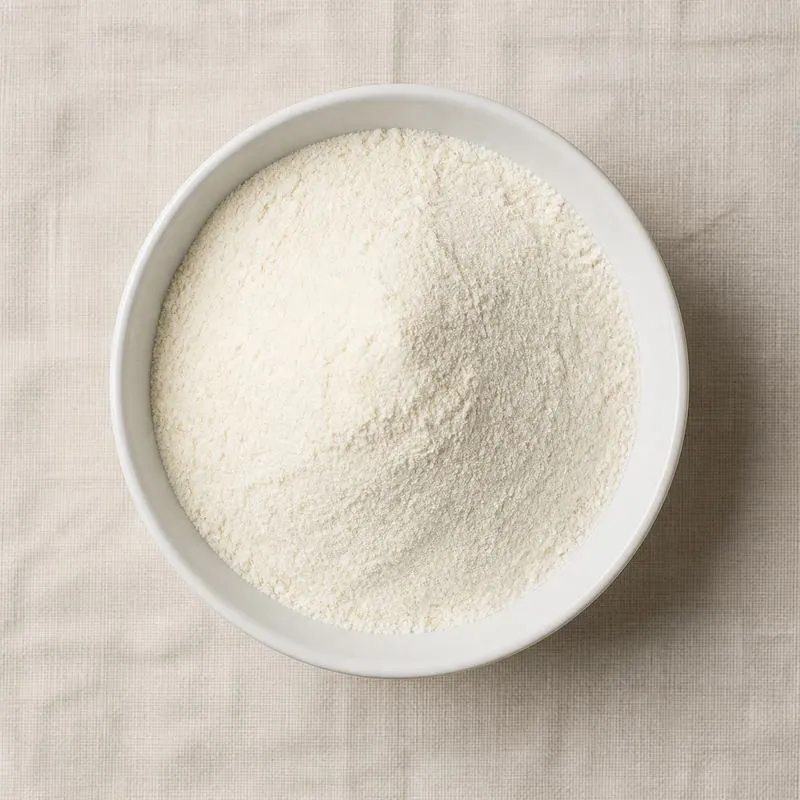
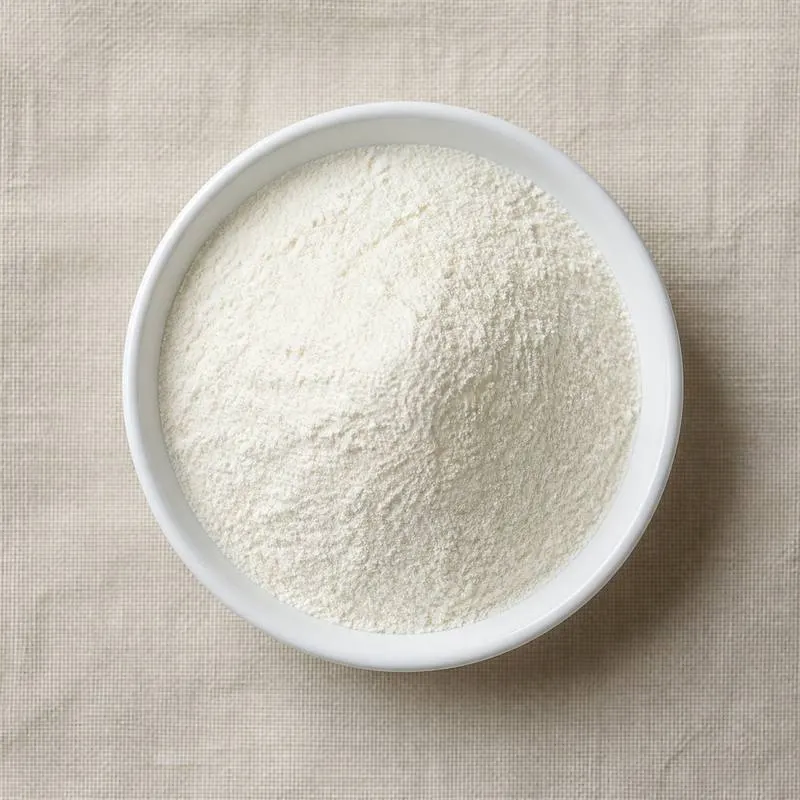
It is an off-white to light yellow spray dried or freeze dried powder that is freely soluble in water and stable across the pH range met in beverages. The powder is hygroscopic and carries a mild marine odour, which is the main formulation constraint and the reason deodorised grades exist.
We source bulk Salmon Ovary Peptide from top China manufacturers for our partners. A smaller requirement can ship in a combined container with other ingredients.
Please send the grade you need, the volume and your destination port, and we will come back with a solution and a price.
or call +86-21-6858 0751
- Function
- Protein
Specifications
| Item | Specification |
|---|---|
| Appearance | Off-white to light yellow fine powder |
| Odour and taste | Mild characteristic marine odour, slightly salty |
| Peptide content (dry basis) | 80.0 percent minimum |
| Peptides below 1000 Da | 85.0 percent minimum |
| Total nitrogen | 12.0 percent minimum |
| Loss on drying | 7.0 percent maximum |
| Ash | 8.0 percent maximum |
| Fat | 1.0 percent maximum |
| pH (1 percent solution) | 5.5 to 7.5 |
| Lead | 0.5 mg/kg maximum |
| Arsenic | 1.0 mg/kg maximum |
| Mercury | 0.5 mg/kg maximum |
| Total plate count | 10,000 cfu/g maximum |
| Yeast and mould | 50 cfu/g maximum |
| E. coli | Absent in 1 g |
| Salmonella | Absent in 25 g |
Common Markets Grades
The material is traded as a food grade powder specified on peptide content, commonly 80 percent minimum on a dry basis, with the fraction below 1000 daltons declared separately. Nucleic acid content is stated where the buyer is formulating around that fraction rather than around the peptides alone.
Spray dried powder is the volume grade; a freeze dried grade is used where a paler colour and lower thermal history justify the cost. Deodorised versions produced by additional carbon or resin treatment are used in flavour sensitive drinks, and a granulated grade is made for direct sachet and capsule filling.
Applications
- Capsule and tablet supplements, where it is the peptide active in products positioned around reproductive and skin health
- Powdered beverage sachets and instant drink mixes, taking advantage of its complete solubility in cold water
- Ready to drink functional beverages, where its stability at acidic pH avoids the haze that intact fish proteins produce
- Collagen and beauty drink blends, used alongside collagen peptides to broaden the peptide profile
- Jelly sticks and gummy formats, dosed into the gelatin or pectin base before setting
- Nutritional powders for people with limited digestive capacity, where pre-hydrolysed peptides require little further proteolysis
- Topical cosmetic formulations, as a water soluble marine peptide in serums and essences
- Savoury seasoning bases, where the free amino acids contribute a marine umami note
Brands Using Salmon Ovary Peptide
Widely-distributed consumer products that list Salmon Ovary Peptide on the ingredient label.
Brand names, product names and logos are the property of their owners. They appear here as published evidence that the ingredient is used, taken from the brand's own label or website. Their appearance is not an endorsement, and it does not mean the brand buys from us or from any manufacturer listed on this site.
China Manufacturers of Salmon Ovary Peptide
Top Salmon Ovary Peptide manufacturers in China.

Company names and logos are the property of the manufacturers themselves. They are listed here because our own directory records them as producing this ingredient. A listing is not an endorsement by them, and we do not represent them or speak on their behalf.
Regulatory Status
Salmon ovary peptide is treated as a food ingredient rather than a food additive, so it has no E number in the European Union and no additive listing in the United States. Its regulatory position turns on the raw material and on novelty rather than on an additive approval.
In the United States a fish protein hydrolysate of this type is used under the general food ingredient framework, and the proteases employed are drawn from enzyme preparations with GRAS status for protein hydrolysis. Because it is derived from fish, it must be declared as a fish allergen. In the European Union a marine tissue hydrolysate without significant consumption history before May 1997 is assessed under the novel food regulation before it can be placed on the market, and suppliers intending to serve the EU are expected to establish that position. Codex has no commodity standard specific to marine peptides, but the general Codex hygiene provisions for fish and fishery products apply to the raw material, and the contaminant limits set for fish derived ingredients, particularly for heavy metals, apply to the finished powder.
Manufacturing Process
Production starts from salmon ovary tissue recovered as a by-product of fish processing, frozen at the plant and held cold until use. The tissue is thawed, washed to remove blood and adhering viscera, minced, and dispersed in water. A short heat step inactivates the endogenous proteases and reduces the microbial load before the reaction proper begins.
Hydrolysis is run with food grade proteases, usually an alkaline bacterial protease followed by an exopeptidase stage, at 50 to 60 degrees Celsius with the pH held at the enzyme optimum by controlled alkali addition. When the target degree of hydrolysis is reached the enzymes are killed by heating, and the digest is centrifuged to strip residual fat and insoluble tissue. The clarified liquor is decolourised and deodorised over activated carbon, then fractionated by ultrafiltration and nanofiltration to cut off the high molecular weight material and remove salt. The permeate is concentrated under vacuum and spray dried, or freeze dried for the premium grade.