Sanqi Extract
Sanqi extract is a standardised botanical extract of the root of Panax notoginseng, a member of the ginseng family also traded as notoginseng or tienchi, characterised by its content of dammarane-type saponins known as notoginsenosides.
The active fraction is a mixture of triterpene saponins, chiefly notoginsenoside R1 together with ginsenosides Rg1, Rb1, Rd and Re. Total saponin content is the trading basis, and the ratio of Rg1 to Rb1 distinguishes notoginseng from Asian ginseng, which carries a different saponin profile. The root also contains dencichine, an amino acid associated with the plant's traditional use, and a starch fraction that is largely removed during purification.
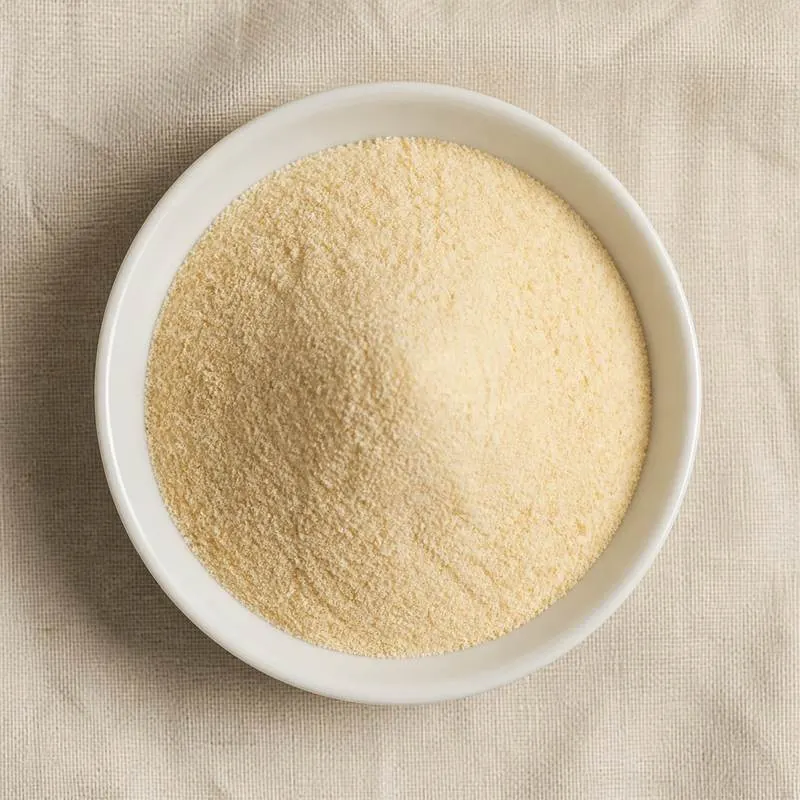
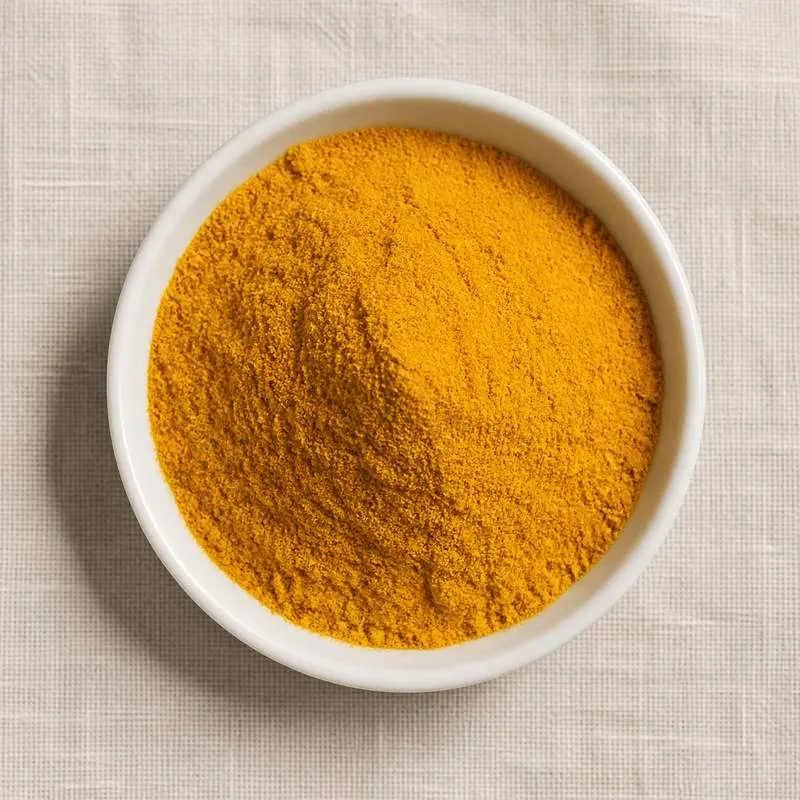
Commercial material is a light yellow to pale brown fine powder with a slightly bitter taste. Saponins are freely soluble in water and in aqueous ethanol, and solutions are stable across the mildly acidic to neutral range. Extended exposure to strong acid or to temperatures above about 80 degrees Celsius promotes hydrolysis of the sugar chains and converts the primary saponins into secondary forms, so the powder is handled cold where the declared saponin profile matters.
We source bulk Sanqi Extract from top China manufacturers for our partners. The manufacturer is in Jilin. A smaller requirement can ship in a combined container with other ingredients.
Please send the grade you need, the volume and your destination port, and we will come back with a solution and a price.
or call +86-21-6858 0751
- Function
- Plant extract
Specifications
| Item | Specification |
|---|---|
| Appearance | Light yellow to pale brown fine powder |
| Botanical source | Panax notoginseng, dried root |
| Total saponins by UV | 80.0 percent minimum |
| Notoginsenoside R1 by HPLC | 5.0 percent minimum |
| Identification | Conforms by HPLC against reference standard |
| Loss on drying | 5.0 percent maximum |
| Sulphated ash | 5.0 percent maximum |
| Particle size | 100 percent through 80 mesh |
| Residual ethanol | 0.5 percent maximum |
| Lead | 1.0 ppm maximum |
| Arsenic | 1.0 ppm maximum |
| Total plate count | 10,000 cfu per gram maximum |
| Yeast and mould | 500 cfu per gram maximum |
| E. coli | Negative in 1 gram |
| Salmonella | Negative in 25 grams |
Common Markets Grades
Sanqi extract is traded on total saponin assay. A ratio extract at 4:1 or 10:1 without a declared saponin figure serves the traditional herbal trade, while standardised grades run from 20 percent total saponins through 40, 60 and 80 percent to a purified fraction at 95 percent and above used in capsule and injectable-precursor applications. Higher assays are reached by resin purification rather than by more aggressive extraction.
Powder grades are milled to pass 80 mesh as standard, with 100 mesh available for tablet and sachet blends. A water-soluble grade with reduced starch is offered for beverage work, and a spray-dried grade carrying maltodextrin as a flow aid is common where the pure extract proves too hygroscopic. Single notoginsenoside isolates, principally R1 and Rg1 at 98 percent, are sold separately as reference and high-purity materials.
Applications
- Circulatory-health capsules and tablets, where standardised total saponins are the labelled active
- Traditional Chinese herbal formulations in granule and instant powder form
- Cardiovascular support supplements sold in Western markets under botanical extract labelling
- Sports recovery products positioned around microcirculation and bruise recovery
- Herbal tonic drinks and shots, using the water-soluble reduced-starch grade
- Topical creams and gels for bruising and post-procedure skin care, where the saponins are used at low percentages
- Functional teas and instant beverage sachets blended with other adaptogenic extracts
- Reference and analytical use, where the 98 percent notoginsenoside R1 isolate serves as a marker standard
Brands Using Sanqi Extract
Widely-distributed consumer products that list Sanqi Extract on the ingredient label.
- CodeageCreatine Gummies ↗Each serving carries 25 mg of AstraGin, described on the page as a blend of Panax notoginseng and Astragalus membranaceus extracts, alongside 5 g of creatine monohydrate.Label verified 2026-08-31
- Dairyland GinsengPanax Notoginseng Capsules 500 mg ↗A single-herb capsule supplying 500 mg of Panax notoginseng, the root known in Chinese as sanqi.Label verified 2026-08-31
Brand names, product names and logos are the property of their owners. They appear here as published evidence that the ingredient is used, taken from the brand's own label or website. Their appearance is not an endorsement, and it does not mean the brand buys from us or from any manufacturer listed on this site.
China Manufacturers of Sanqi Extract
Top Sanqi Extract manufacturers in China.
Company names and logos are the property of the manufacturers themselves. They are listed here because our own directory records them as producing this ingredient. A listing is not an endorsement by them, and we do not represent them or speak on their behalf.
Regulatory Status
In the United States Panax notoginseng root extract is sold as a dietary ingredient under the Dietary Supplement Health and Education Act, with marketing history rather than a food additive regulation as the basis for use. It is not GRAS-listed for use in conventional foods, and beverage applications in the United States rest on a self-affirmed determination made by the user. Labelling must identify the plant part and the solvent basis of the extract.
In the European Union the extract has no E number, as it is a botanical ingredient and not a food additive. Preparations of Panax notoginseng appear on the Union list of botanicals under scrutiny for food supplement use, and member states apply their own national rules on permitted botanicals, so market access differs between countries. Material without demonstrated significant consumption in the Union before May 1997 falls under the novel food rules. No Codex standard or JECFA specification applies. Where a health claim is made, it must be one authorised under the EU nutrition and health claims framework.
Manufacturing Process
Production starts from three-year-old Panax notoginseng roots grown mainly in southwestern China, which are washed, sliced or coarsely milled, and dried. The milled root is extracted with aqueous ethanol, typically 60 to 80 percent, under reflux or by percolation, since ethanol dissolves the saponin fraction efficiently while leaving much of the starch behind. Multiple extraction stages are run on the same charge to raise recovery.
The pooled extract is filtered and the ethanol recovered by vacuum distillation, leaving a concentrated aqueous solution. This solution is loaded onto a macroporous adsorption resin column, which binds the saponins while sugars, amino acids and pigments pass to waste. The column is washed with water and then eluted with ethanol at a strength selected for the target assay: a weaker eluate gives a 20 to 40 percent product, a stronger and more narrowly cut fraction gives 60 to 80 percent. The eluate is concentrated under vacuum, decolourised where required, and spray dried or vacuum-belt dried to a free-flowing powder, which is then milled, screened and blended to the declared saponin content.