Shilajit Extract
Shilajit extract is a purified preparation of shilajit, the blackish-brown exudate that seeps from rock crevices in the Himalaya, Altai and other high mountain ranges. It is not a plant extract in the ordinary sense but a humic substance formed over long periods from compressed plant material altered by microbial action, and its composition reflects that origin rather than any single species.
The material is defined chemically by its humic fraction. Fulvic acid is the water-soluble, low molecular weight component that extracts are standardised on, and humic acid, the higher molecular weight fraction, precipitates in acid. Alongside these it carries dibenzo-alpha-pyrones and their chromoproteins, which are the constituents most specific to shilajit and are used as identity markers, together with amino acids, sterols and a substantial mineral fraction that varies with the source rock.
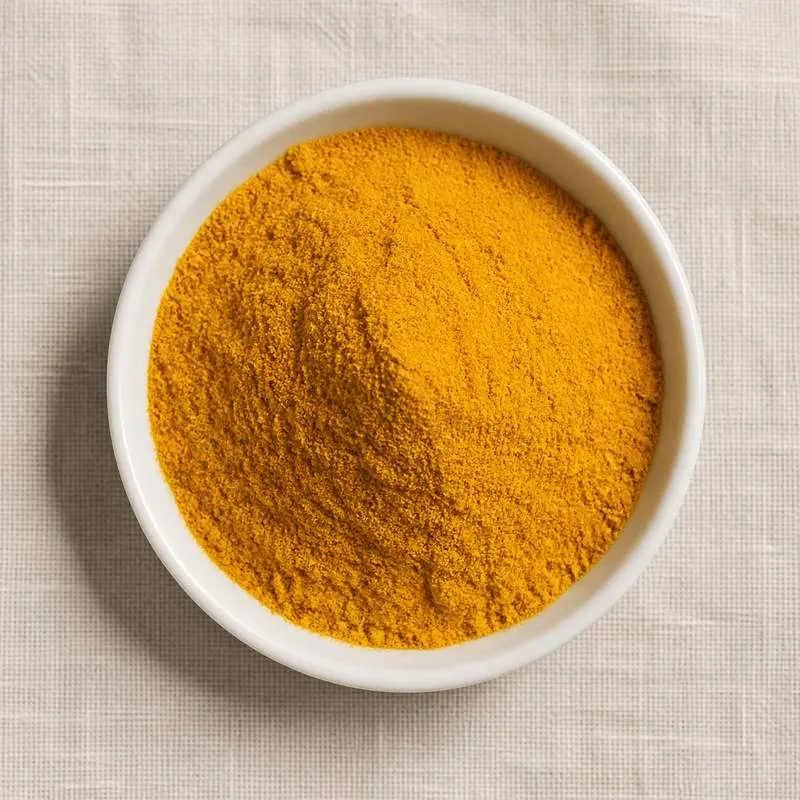
The purified extract is a dark brown to black powder or a viscous resin with a strong tarry, slightly bitter and smoky character. It is hygroscopic and dissolves in water to a dark brown colloidal solution. Raw unpurified material carries mycotoxin, heavy metal and free radical concerns, so purification is not a refinement but a necessary step.
We source bulk Shilajit Extract from top China manufacturers for our partners. The manufacturers are in Shaanxi. A smaller requirement can ship in a combined container with other ingredients.
Please send the grade you need, the volume and your destination port, and we will come back with a solution and a price.
or call +86-21-6858 0751
- Function
- Plant extract
Specifications
| Item | Specification |
|---|---|
| Appearance | Dark brown to black powder or tacky resin with characteristic tarry odour |
| Fulvic acid (stated method) | 50.0 percent minimum |
| Dibenzo-alpha-pyrones | 0.3 percent minimum |
| Identification | Ultraviolet and infrared profile conform to purified shilajit reference |
| Loss on drying | 8.0 percent maximum for powder |
| Total ash | 25.0 percent maximum |
| pH (1 percent aqueous solution) | 5.5 to 7.5 |
| Lead | 1.0 mg/kg maximum |
| Arsenic | 1.0 mg/kg maximum |
| Cadmium | 0.5 mg/kg maximum |
| Mercury | 0.2 mg/kg maximum |
| Total aflatoxins | 4.0 micrograms/kg maximum |
| Total plate count | 10000 cfu/g maximum |
| Salmonella | Absent in 25 g |
Common Markets Grades
The two physical formats are purified resin, a tacky semi-solid packed in jars, and spray-dried or freeze-dried powder, which is easier to encapsulate and blend. Powder grades are standardised on fulvic acid content, commonly 20, 50 or 60 percent, and buyers should be aware that fulvic acid figures vary enormously with the analytical method used, so the method should be named in the specification rather than the number quoted alone.
Better specifications add a dibenzo-alpha-pyrone assay, since fulvic acid alone can be met by material that is not shilajit at all, and adulteration with humic shale, peat and caramel-coloured fillers is documented in this trade. Origin is quoted, with Himalayan, Altai and Gilgit material traded separately. Heavy metals are the critical control, because the substance is mineral-associated and unpurified material can carry high lead and arsenic, so a full elemental panel rather than a single heavy metals figure is worth requiring.
Applications
- Energy and vitality supplements in capsule, tablet and resin form
- Male vitality and testosterone support formulations, a large category for this ingredient
- Sports and endurance blends alongside ashwagandha and cordyceps
- Mineral supplement formulas, where the extract contributes trace elements in an organically complexed form
- Cognitive and fatigue support products
- Functional shots and beverages using a water-soluble powder grade
- Gummies and chewables, where the strong flavour has to be masked
- Traditional ayurvedic and Himalayan herbal preparations
- Resin format sold directly to consumers for dissolution in warm water
Brands Using Shilajit Extract
Widely-distributed consumer products that list Shilajit Extract on the ingredient label.
- MegaFoodShilajit Capsules ↗The key ingredients list a shilajit 10:1 extract together with PrimaVie shilajit 4:1 extract, giving 10,000 mg shilajit equivalent per two capsules.Label verified 2026-08-31
- Double Wood SupplementsShilajit Resin ↗Purified Himalayan shilajit standardised to 20 percent fulvic acid, at 1,000 mg per serving.Label verified 2026-08-31
Brand names, product names and logos are the property of their owners. They appear here as published evidence that the ingredient is used, taken from the brand's own label or website. Their appearance is not an endorsement, and it does not mean the brand buys from us or from any manufacturer listed on this site.
China Manufacturers of Shilajit Extract
Top Shilajit Extract manufacturers in China.
- Shaanxi Huike Botanical Development Co., Ltd.5 ingredients in the directory
 Shaanxi Jintai Biological Engineering Co.4 ingredients in the directory
Company names and logos are the property of the manufacturers themselves. They are listed here because our own directory records them as producing this ingredient. A listing is not an endorsement by them, and we do not represent them or speak on their behalf.
Regulatory Status
In the United States shilajit is sold as a dietary ingredient in supplements. It has no food additive regulation and no general GRAS listing, and because it is not a botanical in the ordinary sense the documentation supporting its use as a dietary ingredient rests on its history of use in traditional systems. The practical regulatory exposure is contaminants: purified shilajit must meet the limits applicable to supplements for lead, arsenic, cadmium and mercury, and unpurified material has been the subject of enforcement attention on that basis. Claims are structure and function claims subject to the usual substantiation and disclaimer requirements.
In the European Union shilajit does not have an established history of consumption as a food and would be expected to require authorisation under the novel food framework before being placed on the market as a food or food supplement ingredient, a position that limits its availability there compared with the United States and South Asia. There is no E number, and no authorised health claim. Codex has not adopted specifications for shilajit; the general Codex provisions on contaminants, particularly the limits for lead and arsenic, are the applicable reference.
Manufacturing Process
Raw shilajit is collected from rock faces as a crude exudate mixed with soil, mineral fragments and plant debris, and it is this contamination that the purification train exists to remove. The traditional process, and the one industrial plants follow in outline, begins by dissolving the crude material in warm water, which takes the fulvic acid, dibenzo-alpha-pyrones and soluble minerals into solution while sand, rock and insoluble organic debris settle out.
The solution is filtered in stages, first coarsely and then through fine or membrane filters, and it is often held for a time so that suspended humic material flocculates. Heavy metal reduction is carried out at this point, by chelating resin or by controlled precipitation, and it is the step that most distinguishes a competent producer, since crude material from some sources carries lead and arsenic well above food limits. The clarified liquor is concentrated under vacuum at moderate temperature, traditionally by sun drying but industrially by evaporation, and is then either finished as a resin at high solids or spray dried onto a small quantity of carrier to give a free-flowing powder. The product is assayed for fulvic acid and dibenzo-alpha-pyrones, tested for the full elemental panel and for mycotoxins, then sieved and packed in moisture barrier material.