Silkworm Chrysalis Protein Peptide
Silkworm chrysalis protein peptide is an enzymatic hydrolysate of the pupae of the mulberry silkworm, Bombyx mori, recovered as a by-product of silk reeling and processed into a low molecular weight peptide powder.
The pupa is roughly half protein and a quarter fat on a dry basis, and the protein is notable for a high proportion of essential amino acids, with branched chain residues and lysine well represented. Defatting is the step that defines the product, because the pupal oil is highly unsaturated and any residue left behind oxidises and drives the fishy off note that limits the ingredient in food use. After hydrolysis and membrane fractionation most of the peptide mass falls below 1000 daltons.
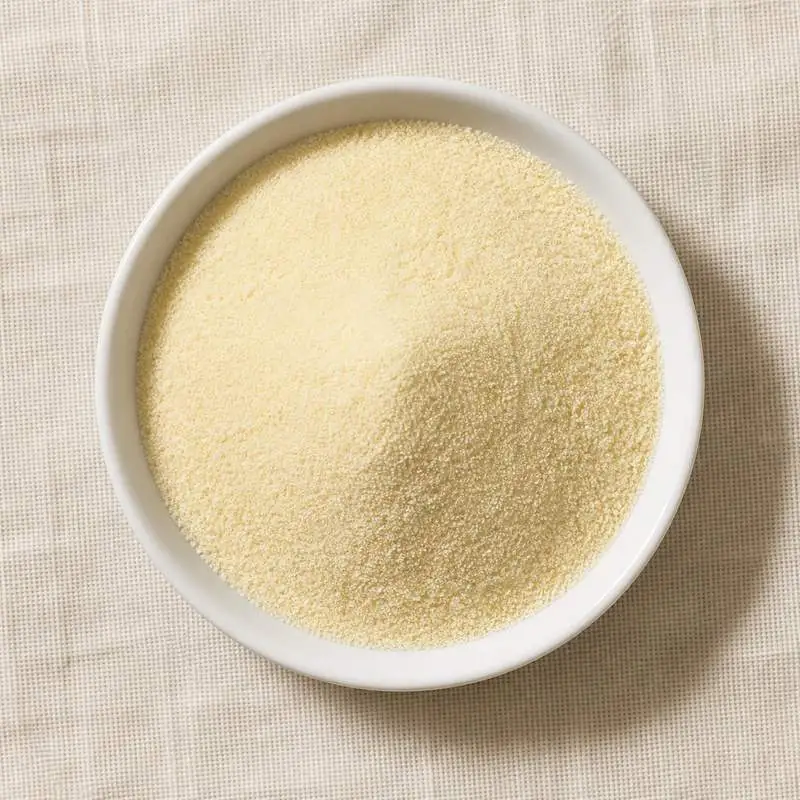
The finished powder is light yellow to pale brown, spray dried, freely soluble in water, stable through pasteurisation and across the acid range met in beverages, and hygroscopic in storage. Deodorised grades are produced where the residual insect note would be detectable.
We source bulk Silkworm Chrysalis Protein Peptide from top China manufacturers for our partners. The manufacturer is in Hunan. A smaller requirement can ship in a combined container with other ingredients.
Please send the grade you need, the volume and your destination port, and we will come back with a solution and a price.
or call +86-21-6858 0751
- Function
- Protein
Specifications
| Item | Specification |
|---|---|
| Appearance | Light yellow to pale brown fine powder |
| Odour and taste | Mild characteristic odour, slightly bitter |
| Peptide content (dry basis) | 80.0 percent minimum |
| Peptides below 1000 Da | 80.0 percent minimum |
| Total nitrogen | 12.0 percent minimum |
| Loss on drying | 7.0 percent maximum |
| Ash | 8.0 percent maximum |
| Residual fat | 1.0 percent maximum |
| pH (1 percent solution) | 6.0 to 7.5 |
| Residual hexane | 10 mg/kg maximum |
| Lead | 0.5 mg/kg maximum |
| Arsenic | 0.5 mg/kg maximum |
| Total plate count | 10,000 cfu/g maximum |
| Yeast and mould | 50 cfu/g maximum |
| E. coli | Absent in 1 g |
| Salmonella | Absent in 25 g |
Common Markets Grades
The material is specified as a food grade powder on peptide content, commonly 80 percent minimum on a dry basis, with the fraction below 1000 daltons stated separately as the functional specification. Residual fat is the second parameter that matters commercially, since it decides both flavour stability and shelf life, and tighter fat limits command a separate grade.
Spray dried powder is the volume form. A deodorised grade carrying additional activated carbon or resin treatment is made for beverages and dairy, and a granulated version is produced for direct sachet and capsule filling. A coarser, less refined feed grade hydrolysate is also traded for aquaculture and pet diets and is not interchangeable with the food grade article.
Applications
- Capsule and tablet supplements, where it supplies the peptide active in protein nutrition and recovery positioned products
- Powdered protein drink mixes, contributing amino nitrogen in a form that dissolves cold without sediment
- Sports nutrition blends, used with plant and dairy peptides to lift the branched chain amino acid content of the blend
- Nutritional formulas for people with reduced digestive capacity, where pre-hydrolysed peptides need little further proteolysis
- Savoury seasoning and reaction flavour bases, where the free amino acids serve as Maillard precursors
- Aquaculture feed attractants, where insect derived peptides raise feed intake in shrimp and marine fish
- Pet food palatants, sprayed onto extruded kibble as a coating
- Microbiological culture media, as an organic nitrogen source in peptone applications
- Cosmetic formulations, as a water soluble protein hydrolysate in hair and skin preparations
China Manufacturers of Silkworm Chrysalis Protein Peptide
Top Silkworm Chrysalis Protein Peptide manufacturers in China.

Company names and logos are the property of the manufacturers themselves. They are listed here because our own directory records them as producing this ingredient. A listing is not an endorsement by them, and we do not represent them or speak on their behalf.
Regulatory Status
Silkworm pupa peptide is a food ingredient rather than a food additive, so it carries no E number in the European Union and no additive listing in the United States. Its position turns on the acceptability of the insect raw material and on novelty rather than on additive approval.
In the European Union insects and insect derived products are regulated as novel foods, and a species must be authorised individually before material derived from it may be placed on the market. Bombyx mori is not among the species that have been authorised, so silkworm pupa peptide requires a novel food authorisation before EU sale, and this is the principal constraint on the ingredient in that market. In the United States there is no general prohibition on insect derived food ingredients, but a hydrolysate of this type would be used on the basis of a GRAS determination covering both the raw material and the enzymes, with the proteases drawn from preparations already recognised for protein hydrolysis. Insect proteins are known to cross react with crustacean and dust mite allergens, and labelling that alerts shellfish sensitive consumers is expected practice in markets where the ingredient is sold. Codex has no commodity standard for insect derived peptides, though its general principles for food hygiene and its contaminant provisions apply.
Manufacturing Process
Dried silkworm pupae from silk reeling are cleaned to remove silk waste and foreign matter, then crushed and defatted. Defatting is done by solvent extraction with hexane, or by mechanical pressing followed by a solvent polish, and the recovered pupal oil is sold separately. The defatted meal is desolventised, milled, and dispersed in water to a controlled solids level, then heated briefly to inactivate endogenous enzymes and reduce the microbial load.
Hydrolysis is carried out with food grade proteases, typically an alkaline bacterial protease followed by a neutral protease or exopeptidase stage, at 50 to 60 degrees Celsius with the pH held at the enzyme optimum by alkali addition. The enzymes are inactivated by heating once the target degree of hydrolysis is reached, and the digest is centrifuged to remove chitinous cuticle fragments and residual insolubles. The clarified liquor is decolourised and deodorised over activated carbon, fractionated through ultrafiltration and nanofiltration membranes to cut off high molecular weight material and strip salt, concentrated under vacuum, and spray dried.