Smoke Flavour
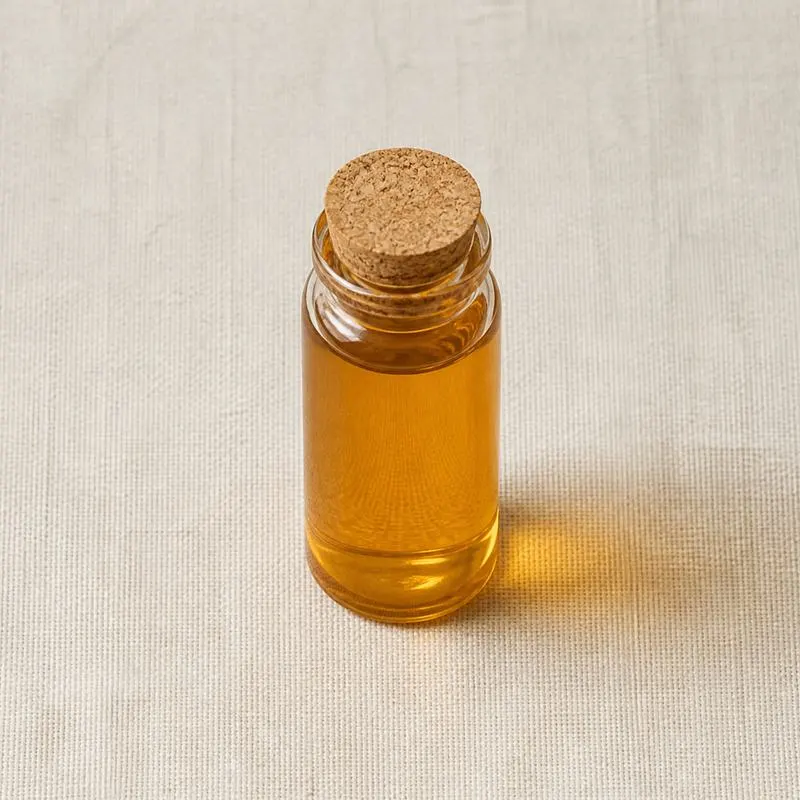
Smoke flavour is a purified condensate of the smoke produced by the controlled pyrolysis of hardwood, used to give food a smoked aroma, taste and colour without exposing it to smoke in a smokehouse. The active fraction is a mixture of phenols, carbonyls and organic acids: guaiacol and syringol derivatives carry the smoky aroma, the carbonyls drive surface browning through reaction with protein, and the acids lower surface pH and contribute a mild antimicrobial effect.
Commercial material starts as an aqueous primary smoke condensate produced by cooling freshly generated smoke and separating the tar phase. That primary product is then diluted, concentrated, or converted into derivatives on carriers. Because the tar phase is removed, purified smoke condensates carry far lower levels of polycyclic aromatic hydrocarbons than traditional smokehouse smoke.
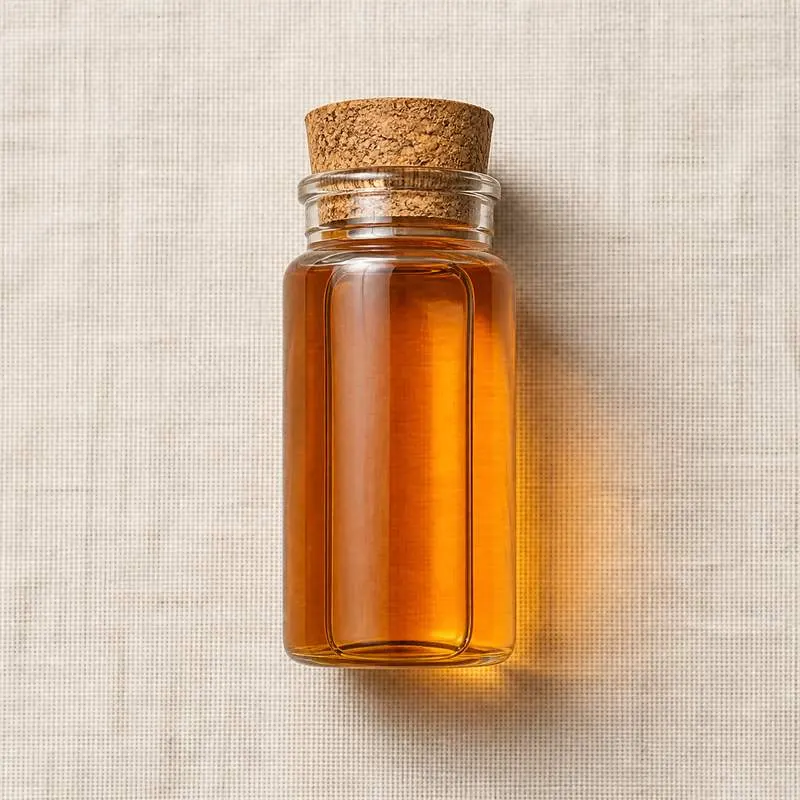
Supply forms are aqueous liquid, oil soluble liquid where the phenolic fraction is transferred into a lipid carrier, and spray dried powder on maltodextrin or salt. Aqueous grades are acidic, usually in the range of pH 2 to 3, and are corrosive to mild steel, so stainless or lined equipment is standard. Strength is expressed as total phenol content or as a staining index rather than as a single assay.
We source bulk Smoke Flavour from top China manufacturers for our partners. The manufacturer is in Fujian. A smaller requirement can ship in a combined container with other ingredients.
Please send the grade you need, the volume and your destination port, and we will come back with a solution and a price.
or call +86-21-6858 0751
- Function
- Flavours and Aromas
Specifications
| Item | Specification |
|---|---|
| Appearance | Clear amber to dark brown liquid |
| Odour | Characteristic smoky, phenolic |
| Total Phenols, as 2,6-dimethoxyphenol | 10 to 30 mg/mL according to grade |
| Titratable Acidity, as acetic acid | 4.0 to 12.0 percent |
| pH | 2.0 to 3.5 |
| Carbonyls | 10 to 25 g per 100 mL according to grade |
| Specific Gravity (20 degrees C) | 1.010 to 1.080 |
| Benzo(a)pyrene | Not more than 0.03 microgram/kg |
| Benz(a)anthracene | Not more than 0.30 microgram/kg |
| Lead (Pb) | Not more than 1.0 mg/kg |
| Arsenic (As) | Not more than 0.5 mg/kg |
| Total Plate Count | Not more than 100 cfu/mL |
| Yeast and Mould | Not more than 10 cfu/mL |
Common Markets Grades
The main commercial split is between primary smoke condensates, which are the regulated starting materials, and the derivative preparations made from them. Aqueous grades are graded by total phenols, typically expressed in milligrams per millilitre as 2,6-dimethoxyphenol, and by titratable acidity and browning index. High acid grades are chosen where surface colour and antimicrobial effect matter; low acid or deacidified grades are used where a strong smoke aroma is wanted without lowering the pH, for example in delicate cheese or dairy systems.
Oil soluble grades are produced for fat continuous applications and for atomising into smoking chambers. Encapsulated powder grades are spray dried onto maltodextrin, modified starch or salt for dry seasoning blends. Speciality grades include smoke fractions selected for a particular wood character such as hickory, oak, beech or apple, and colour-only fractions with the phenolic aroma largely stripped out.
Applications
- Cooked and cured meats, where it replaces smokehouse smoke in sausage, ham and bacon
- Sausage casings, applied internally so the smoke transfers to the meat surface during stuffing
- Smoked fish and surimi products, applied by dipping, spraying or in the brine
- Processed cheese and cheese analogues, giving a smoked character without a smokehouse step
- Barbecue sauces, marinades and glazes, as the source of the smoke note
- Snack seasonings for crisps, extruded snacks and nuts, in encapsulated powder form
- Plant based meat analogues, where smoke notes carry much of the perceived meat character
- Soups, beans and canned savoury products needing a bacon or smoked ham direction
- Surface treatment of poultry to develop colour during cooking
Brands Using Smoke Flavour
Widely-distributed consumer products that list Smoke Flavour on the ingredient label.
- Werner Gourmet Meat SnacksAll Natural Smokey BBQ Beef Jerky ↗Natural smoke flavouring appears in the jerky's ingredient list alongside beef, brown sugar, tomato powder and spice extractives.Label verified 2026-08-31
- MikeeHickory Smoked Barbecue Sauce ↗The sauce lists natural hickory wood smoke liquid as the source of its smoke character.Label verified 2026-08-31
Brand names, product names and logos are the property of their owners. They appear here as published evidence that the ingredient is used, taken from the brand's own label or website. Their appearance is not an endorsement, and it does not mean the brand buys from us or from any manufacturer listed on this site.
China Manufacturers of Smoke Flavour
Top Smoke Flavour manufacturers in China.
Company names and logos are the property of the manufacturers themselves. They are listed here because our own directory records them as producing this ingredient. A listing is not an endorsement by them, and we do not represent them or speak on their behalf.
Regulatory Status
In the United States smoke flavour is treated as a natural flavour. Natural smoke solutions and smoke condensates are used under the flavour provisions of the food additive regulations, with individual flavouring substances covered by the FEMA GRAS programme or listed at 21 CFR 172.515, and smoke flavour is declared as natural smoke flavour on the label. The Food Safety and Inspection Service also regulates its use in meat and poultry products.
The European Union operates a dedicated framework. Regulation (EC) No 2065/2003 governs smoke flavourings, requiring that primary smoke condensates and primary tar fractions be authorised individually and entered on a Union list, with defined source materials, production conditions and purity criteria including limits on benzo(a)pyrene and benz(a)anthracene. Derivative smoke flavourings must be made from an authorised primary product. Codex has adopted a general standard and guidelines covering the use of smoke flavourings, and JECFA has evaluated smoke flavouring preparations, focusing on the control of polycyclic aromatic hydrocarbons.
Manufacturing Process
Production begins with selected untreated hardwood, most often beech, oak, hickory or maple, dried to a controlled moisture level. The wood is pyrolysed in a generator under limited oxygen at a temperature high enough to break down lignin and cellulose but controlled to keep the formation of polycyclic aromatic hydrocarbons low. The smoke is quenched in water or condensed on cooled surfaces to give a crude aqueous condensate.
The crude condensate is held so that the water insoluble tar phase separates, and that phase, which carries most of the heavy polycyclic aromatic material, is decanted off and discarded. The aqueous phase is filtered, then aged in tanks to allow slow reactions to settle out further insolubles. Downstream steps depend on the grade: concentration under vacuum, solvent partition to make an oil soluble fraction, neutralisation or deacidification, dilution with water or a solvent to a standard phenol content, and spray drying onto a carrier for powder grades. Every batch is standardised against phenol, acidity and browning targets.