Sodium Phytate
Sodium phytate is the sodium salt of phytic acid, myo-inositol hexakisphosphate, the compound in which cereals and legumes store phosphorus in the seed. Each molecule carries six phosphate groups arranged around an inositol ring, giving up to twelve ionisable acid sites.
That dense array of phosphate oxygens makes it a strong chelator of polyvalent metal ions, and chelation is the whole basis of its technical use. By locking up iron, copper, calcium, magnesium and zinc it suppresses the metal-catalysed reactions that turn fats rancid, darken shellfish and fruit, cause struvite crystals in canned seafood and produce haze and colour drift in beverages. It has little radical scavenging activity of its own, so it is used as a synergist alongside a primary antioxidant rather than in place of one.
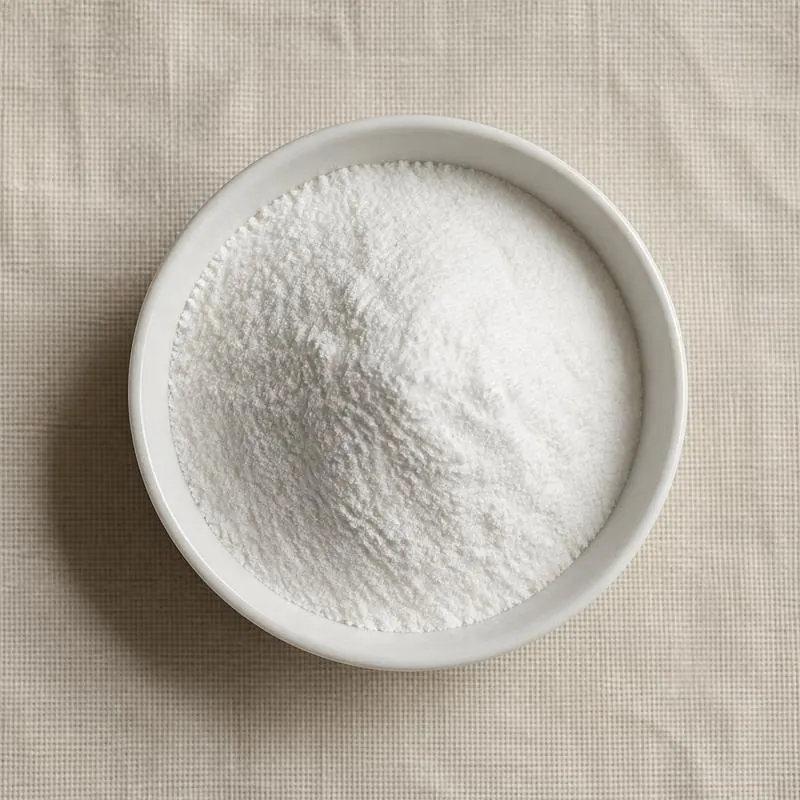
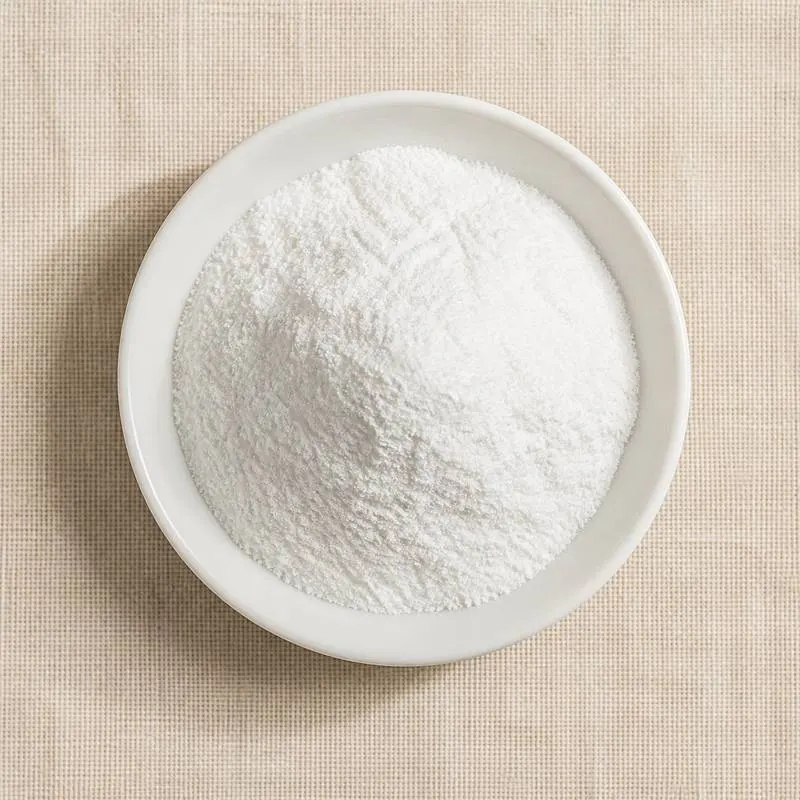
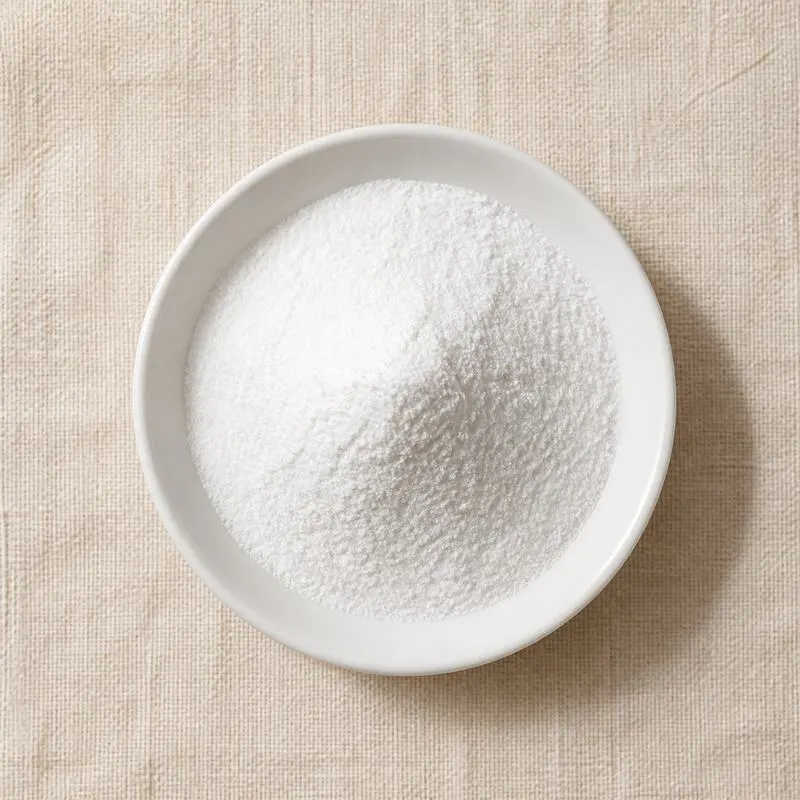
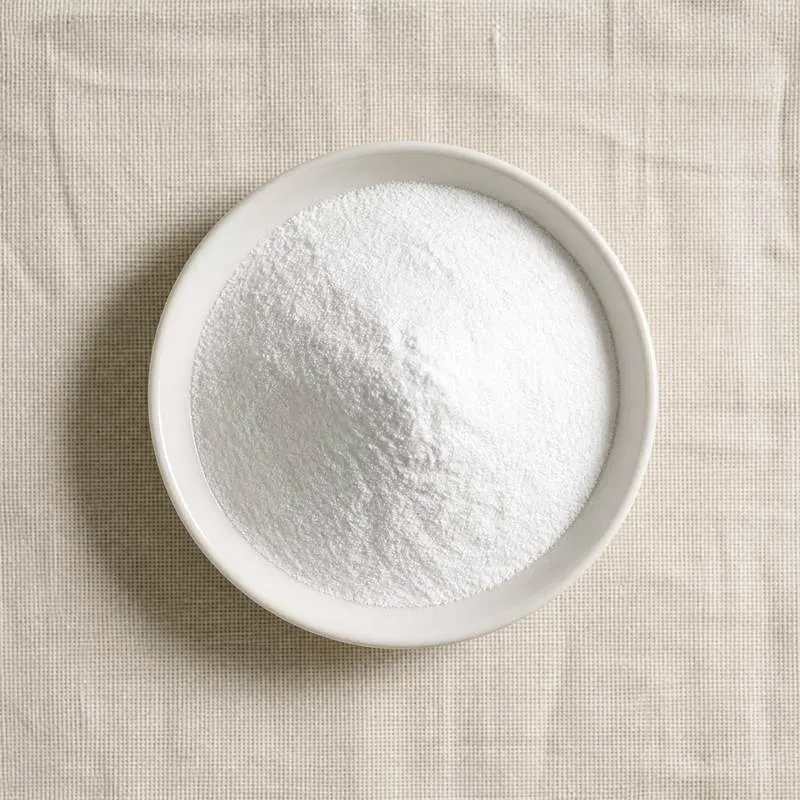
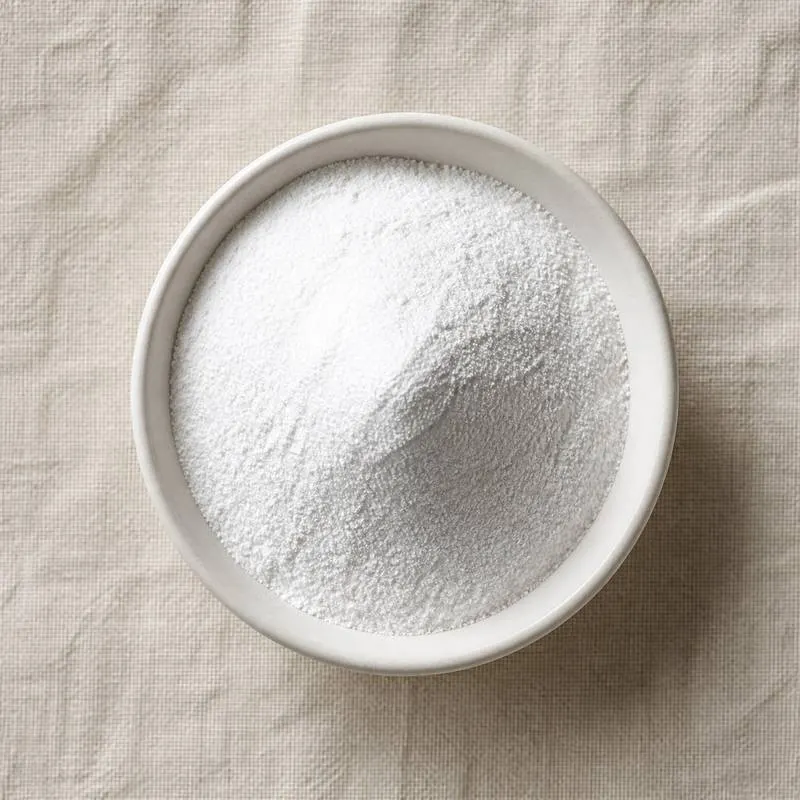
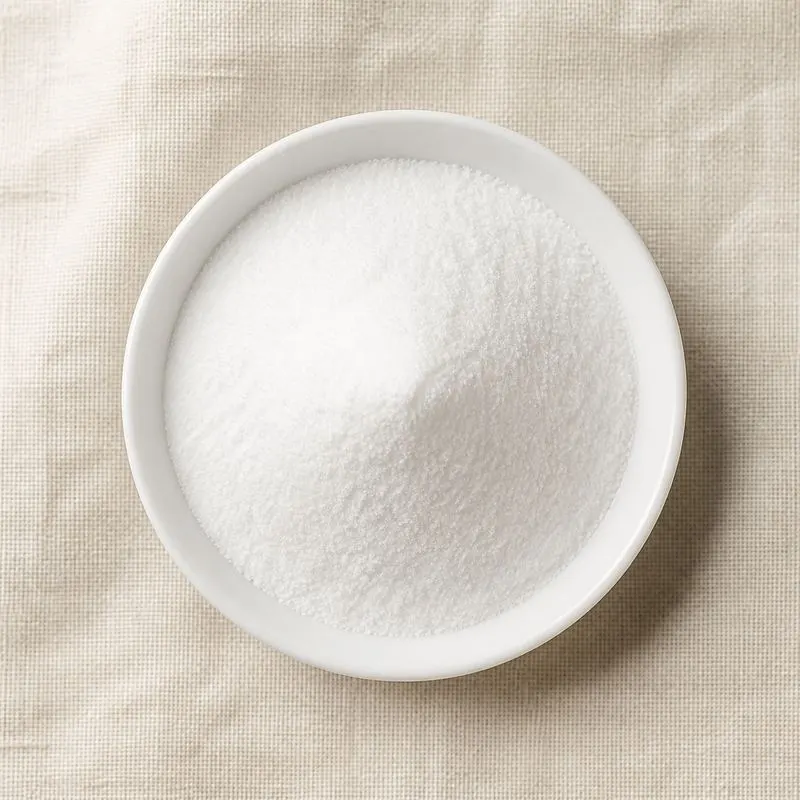
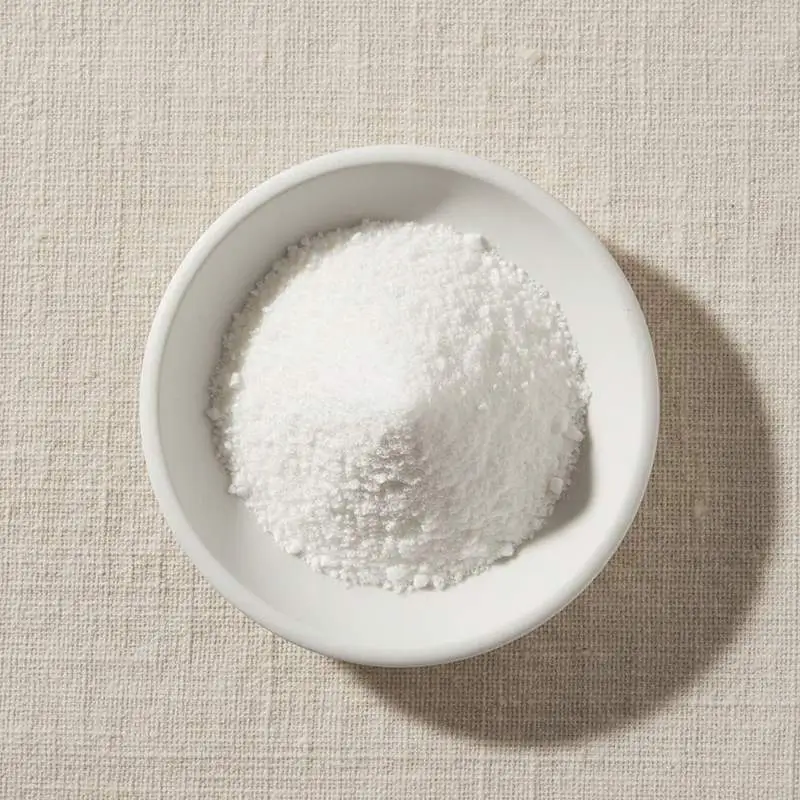
Commercial material is a white to off-white powder, hygroscopic, freely soluble in water and practically insoluble in ethanol and oils. Solutions are near neutral to mildly alkaline depending on the degree of neutralisation, and the compound is stable to heat and to retort processing but loses chelating power in strongly acid conditions, where phosphate groups protonate. The free acid form, phytic acid, is traded as a viscous aqueous solution and is the more common form in cosmetics, while the sodium salt is preferred where a dry, non-corrosive powder is wanted.
We source bulk Sodium Phytate from top China manufacturers for our partners. The manufacturer is in Hebei. A smaller requirement can ship in a combined container with other ingredients.
Please send the grade you need, the volume and your destination port, and we will come back with a solution and a price.
or call +86-21-6858 0751
Specifications
| Item | Specification |
|---|---|
| Appearance | White to off-white hygroscopic powder |
| Identification | Positive for phytate and for sodium |
| Assay as sodium phytate | 90.0% min |
| Phosphorus content | 17.0% to 20.0% |
| pH, 1% aqueous solution | 6.0 to 8.5 |
| Solubility in water | Freely soluble, solution clear to slightly opalescent |
| Loss on drying | 10.0% max |
| Chloride | 0.5% max |
| Inorganic phosphate | 1.0% max |
| Heavy metals as Pb | 10 mg/kg max |
| Lead | 2 mg/kg max |
| Arsenic | 2 mg/kg max |
| Total plate count | 1000 cfu/g max |
| Yeast and mould | 100 cfu/g max |
Common Markets Grades
The salt is traded on the basis of assay and degree of neutralisation. Powder grades are typically declared at 90 percent minimum sodium phytate, with the phosphorus and sodium contents and the pH of a one percent solution stated on the certificate, since a partly neutralised product behaves differently in a formulation from a fully neutralised one. Phytic acid itself is normally sold as a 50 or 70 percent aqueous solution rather than as a solid, and is the same active in acid form.
Food, cosmetic and technical grades exist. Cosmetic grade is the largest outlet by volume and is specified for colour and clarity in solution; technical grade is used in metal treatment and water systems at wider impurity limits. Food grade is specified additionally on heavy metals and microbiological quality, and rice bran derived material is distinguished from maize steep liquor derived material because the residual protein and colour differ.
Applications
- Canned shellfish, crab and shrimp, suppressing the blue-black staining and struvite crystals caused by trace metals
- Fruit and vegetable processing, slowing enzymatic browning on cut surfaces by removing the copper that polyphenol oxidase needs
- Fats, oils and fried products, as a synergist that removes the metal traces which would otherwise decompose hydroperoxides
- Beverages, including beer and fruit drinks, preventing metal-induced haze and colour change
- Canned vegetables and pulses, holding colour and texture through retorting
- Aquatic product and surimi processing, limiting colour loss and off-flavour
- Skin care and whitening formulations, where the chelating action supports antioxidant and clarity claims
- Oral care products, as an anti-tartar and metal-binding agent
- Water treatment and metal surface passivation in industrial grades
Brands Using Sodium Phytate
Widely-distributed consumer products that list Sodium Phytate on the ingredient label.
Brand names, product names and logos are the property of their owners. They appear here as published evidence that the ingredient is used, taken from the brand's own label or website. Their appearance is not an endorsement, and it does not mean the brand buys from us or from any manufacturer listed on this site.
China Manufacturers of Sodium Phytate
Top Sodium Phytate manufacturers in China.
Company names and logos are the property of the manufacturers themselves. They are listed here because our own directory records them as producing this ingredient. A listing is not an endorsement by them, and we do not represent them or speak on their behalf.
Regulatory Status
Phytic acid and its sodium salt are natural constituents of cereal grains, legumes, nuts and oilseeds and are consumed in quantity in a normal diet. Neither is an authorised food additive in the European Union, so neither carries an E number, and adding a purified preparation to food in that market requires a basis other than the additives regulation. Enzyme preparations of phytase, which degrade phytate, are separately regulated as processing aids and enzymes.
In the United States there is no food additive regulation specifically authorising sodium phytate for general use in food, and its documented uses lie mainly in cosmetics, where it is regulated as a cosmetic ingredient, and in industrial applications. Codex lists no additive number for the substance. Food applications are established in some Asian markets, so the regulatory position should be confirmed for the specific destination market and food category before it is designed into a formulation. Nutritional labelling is unaffected, but the compound reduces the absorption of dietary iron, zinc and calcium, which is a consideration where it would be added at a meaningful level to a staple food.
Manufacturing Process
The feedstock is defatted rice bran, or in some plants maize steep liquor from wet milling, both of which are rich in the calcium and magnesium salts of phytic acid. Rice bran is extracted with dilute hydrochloric acid, which dissolves phytate away from the insoluble bran matrix, and the slurry is filtered and clarified. The crude acid extract is then treated with lime or another alkali to precipitate crude calcium magnesium phytate, which separates the phytate from soluble sugars, amino acids and colour bodies.
The washed crude salt is redissolved in acid or decomposed with a strong acid, and the liberated phytic acid is purified on ion exchange resin to remove the residual metal ions and remaining organic impurities. The purified phytic acid solution is decolourised on activated carbon, then neutralised with sodium hydroxide to the target degree of neutralisation. Vacuum concentration follows, and the concentrate is either sold as a liquid or spray dried to the powder, which is sieved, blended and packed in moisture-proof containers because the salt takes up water readily.