Sodium Polyphosphate Potassium Polyphosphate
Sodium polyphosphate and potassium polyphosphate are the condensed phosphate salts formed by heating the corresponding sodium or potassium orthophosphates until they lose water and link into chains, sold to meat and seafood processors both singly and as mixed sodium and potassium blends.
Chemically the two behave alike, because the function belongs to the polyphosphate anion rather than to the counter ion: the chain raises pH, chelates calcium and magnesium and dissociates the actomyosin complex, so muscle protein swells and holds added water. The counter ion changes the practical properties. Potassium polyphosphate is markedly more soluble in cold water than the sodium salt, which matters when a brine has to be made up quickly at chill temperature, and it contributes potassium instead of sodium, which is why it is used where a sodium reduction claim is being made. It also carries a bitter, metallic taste at higher inclusion, so it is rarely used to replace the sodium salt entirely.
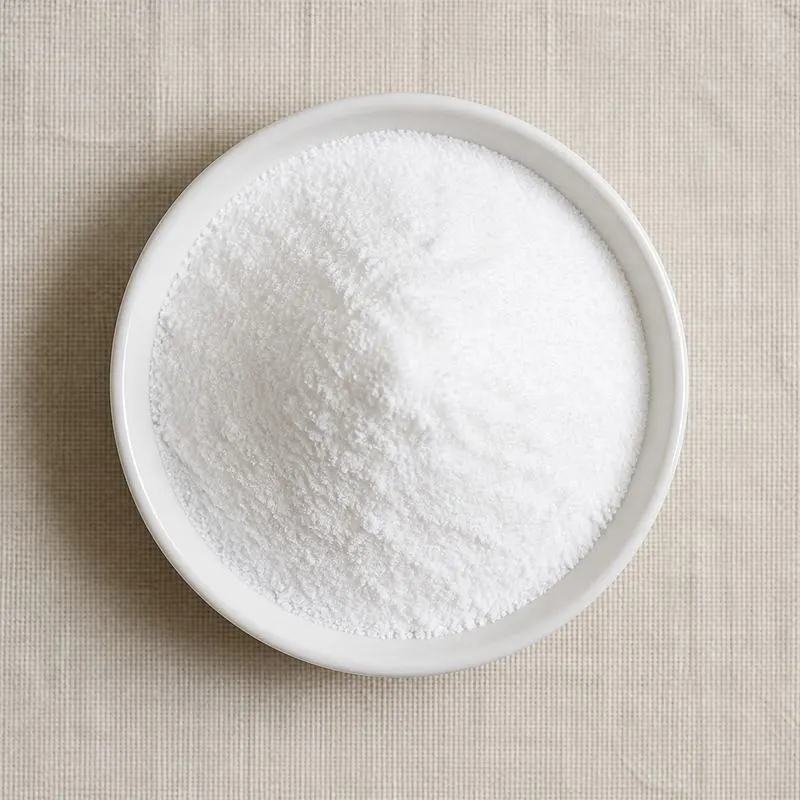
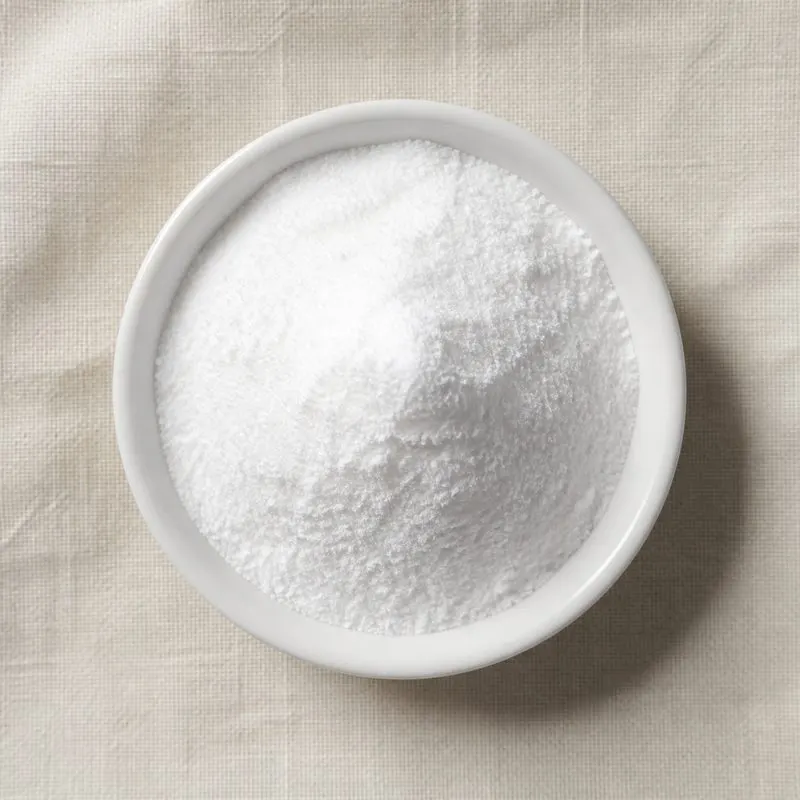
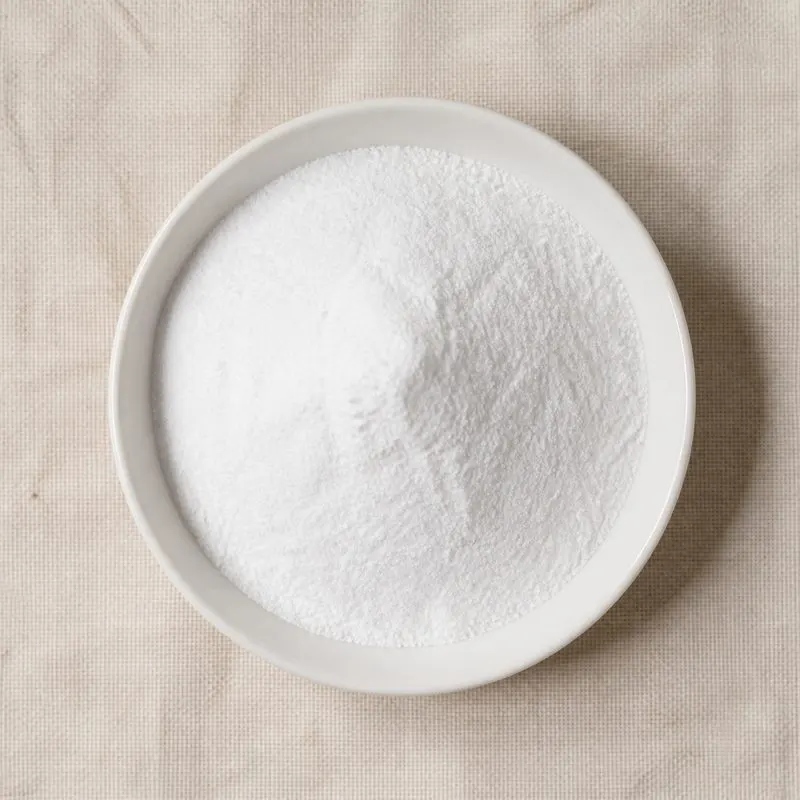
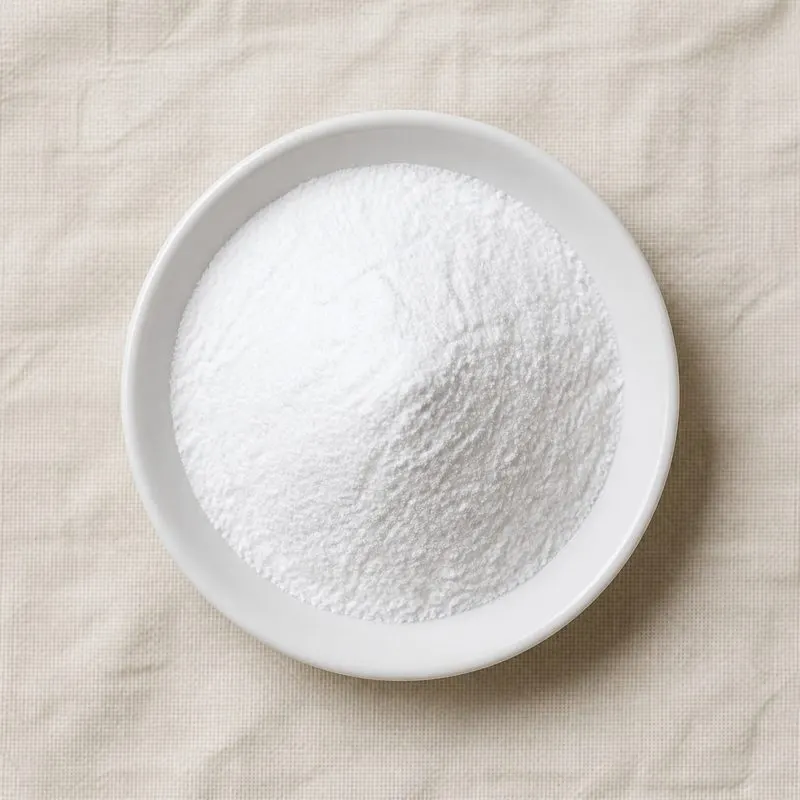
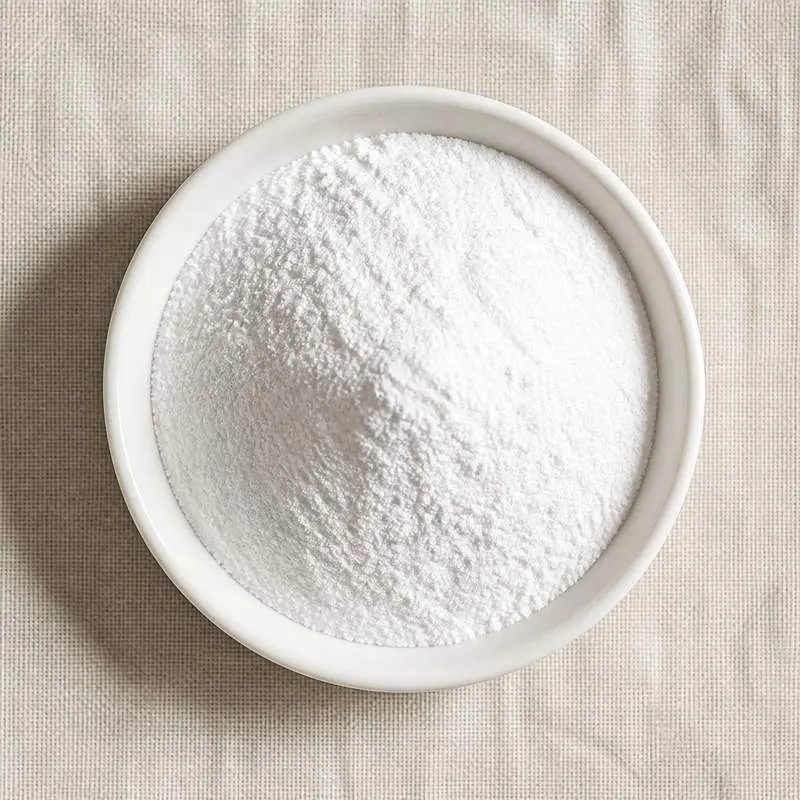
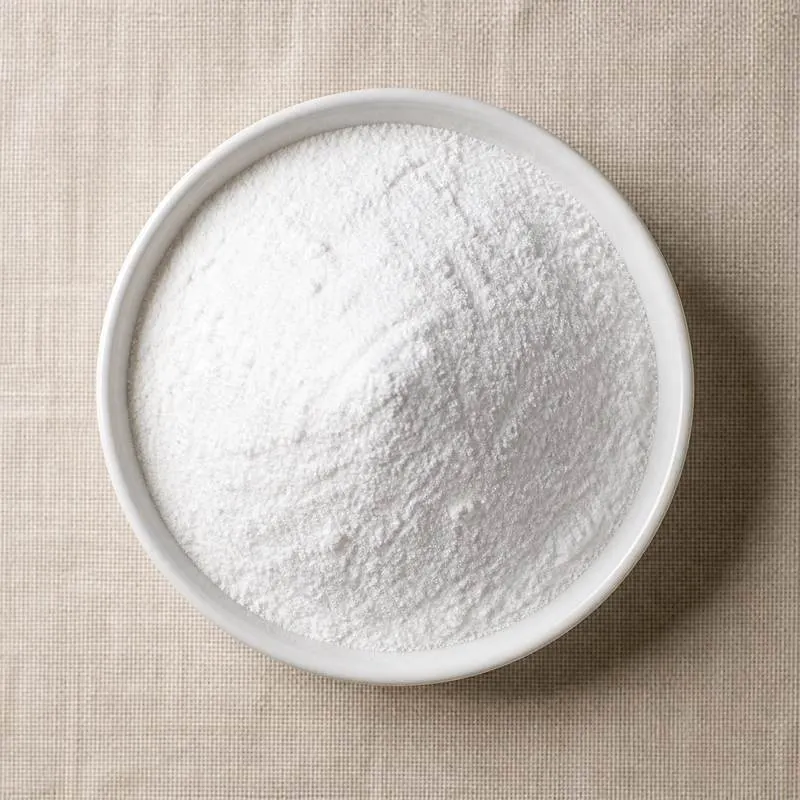
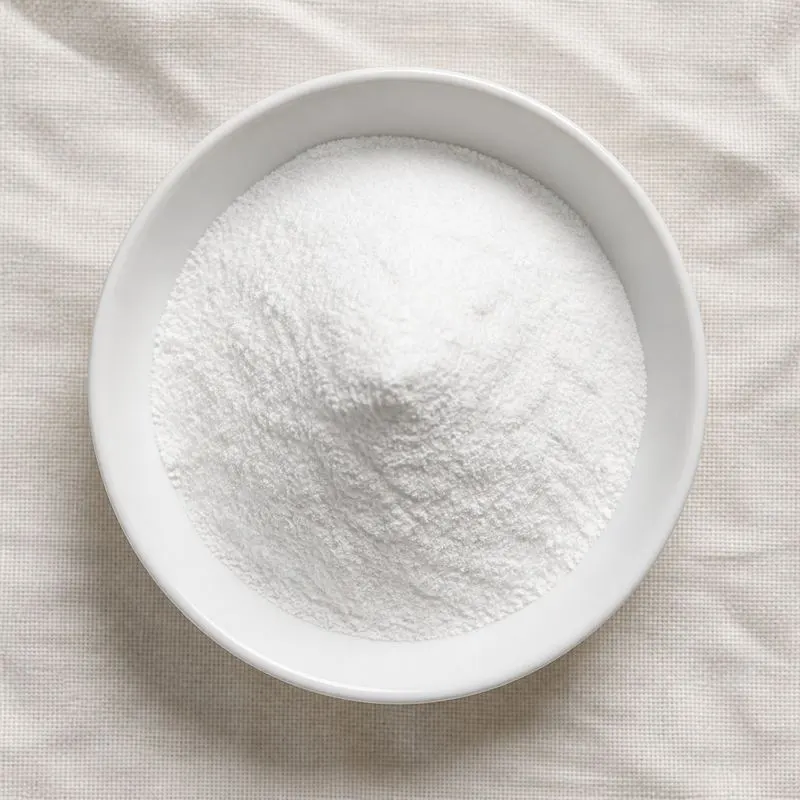
Both are white free flowing powders or granules that dissolve to give alkaline solutions, and both are hygroscopic, the potassium salt considerably more so, which decides how they are packed and how long a bag may be left open. In solution the chains hydrolyse to shorter phosphates and finally to orthophosphate, faster when hot and under acid, so working brines are prepared shortly before use.
We source bulk Sodium Polyphosphate Potassium Polyphosphate from top China manufacturers for our partners. The manufacturer is in Yunnan. A smaller requirement can ship in a combined container with other ingredients.
Please send the grade you need, the volume and your destination port, and we will come back with a solution and a price.
or call +86-21-6858 0751
- Function
- Meat-processing aid
Specifications
| Item | Specification |
|---|---|
| Appearance | White free flowing powder, granule or glassy flake |
| Identification | Positive for sodium or potassium and for condensed phosphate |
| Total phosphorus pentoxide | Not less than 55.0% |
| Average chain length | Reported, 3 to 20 units according to grade |
| pH of 1% aqueous solution | 6.0 to 10.0 according to grade |
| Loss on ignition at 550 degrees Celsius | Not more than 1.0% |
| Water insoluble matter | Not more than 0.2% |
| Iron | Not more than 50 mg/kg |
| Fluoride | Not more than 10 mg/kg |
| Heavy metals as lead | Not more than 10 mg/kg |
| Lead | Not more than 1.0 mg/kg |
| Arsenic | Not more than 1.0 mg/kg |
| Cadmium | Not more than 1.0 mg/kg |
| Particle size | Not less than 95% through 40 mesh, or granular as specified |
Common Markets Grades
The traded grades divide first by counter ion. Pure sodium grades are the volume product and the cheapest. Pure potassium grades cost more and are bought specifically for cold water solubility or for sodium reduction. Mixed sodium and potassium blends occupy the middle, formulated to a target sodium to potassium ratio that gives most of the sodium reduction without the bitterness that a full potassium substitution brings.
Within each of these, chain length is the second variable. Short chain material, essentially tripolyphosphate and pyrophosphate, gives the strongest effect on protein and the highest alkalinity, while long chain glassy polyphosphates of the hexametaphosphate type give better chelation and cold solubility but less pH lift. Commercial grades are specified by average chain length or by phosphorus pentoxide content together with pH, and physical form runs from fine powder for dry seasoning blends to granulated and agglomerated grades that generate little dust and disperse without lumping. Sodium reduction blends are frequently sold already combined with potassium chloride and a bitterness masking agent.
Applications
- Reduced sodium ham, bacon and cooked meats, where the potassium salt supplies the phosphate function without the sodium
- Cold brine injection, which uses the faster dissolution of the potassium salt at chill temperature
- Tumbled and massaged whole muscle products, extracting the protein that binds pieces together on cooking
- Marinated poultry portions, reducing purge in tray and vacuum packs
- Emulsified sausage and frankfurters, stabilising the fat and water emulsion
- Shrimp, scallop and fish fillet treatment, controlling drip loss through freezing and thawing
- Surimi and fish paste products, supporting protein solubility and gel strength
- Frozen fatty fish, where the long chain grades chelate iron and slow oxidative rancidity
- Pet food and rendered protein, as a sequestrant and antioxidant synergist
China Manufacturers of Sodium Polyphosphate Potassium Polyphosphate
Top Sodium Polyphosphate Potassium Polyphosphate manufacturers in China.
Company names and logos are the property of the manufacturers themselves. They are listed here because our own directory records them as producing this ingredient. A listing is not an endorsement by them, and we do not represent them or speak on their behalf.
Regulatory Status
In the United States both the sodium and the potassium polyphosphates are affirmed as generally recognised as safe for use as sequestrants, buffers and texturisers and appear among the multiple purpose generally recognised as safe substances in 21 CFR Part 182. Use in meat and poultry falls to the Food Safety and Inspection Service, which permits phosphates in the standardised products listed in 9 CFR 424.21 at a level not exceeding half a percent of the finished product calculated as phosphate and requires each phosphate to be named individually in the ingredient statement. The nutrient content claim rules in 21 CFR Part 101 separately govern a sodium reduction claim on the finished pack, and potassium has to be declared in the nutrition panel.
In the European Union the sodium and potassium diphosphates, triphosphates and polyphosphates carry the E numbers assigned to those groups as authorised food additives; Regulation (EC) No 1333/2008 lists them with maximum levels by food category expressed as phosphorus pentoxide, and Regulation (EU) No 231/2012 gives the purity criteria. The European Food Safety Authority reassessed the phosphates as a single group, so the permitted level applies to all added phosphate together regardless of counter ion. Codex includes the same salts in its general standard for food additives, and the Joint FAO WHO Expert Committee on Food Additives has published specifications for them and evaluated the phosphates as a group.
Manufacturing Process
Both salts follow the same route on different alkalis. Purified phosphoric acid is neutralised in stirred reactors with sodium carbonate or sodium hydroxide for the sodium series, or with potassium carbonate or potassium hydroxide for the potassium series, to a closely controlled alkali to phosphorus ratio. That ratio fixes which condensed phosphate forms during calcination, so the end point is held by continuous pH and density measurement. The liquor is clarified and filtered to strip out the fluoride, iron, aluminium and arsenic bearing solids introduced with the acid.
The clarified liquor is concentrated and dried, usually by spray drying, and the dried orthophosphate is fed to a rotary or fluid bed calciner. Condensation occurs above about three hundred and fifty degrees Celsius, and the temperature profile and residence time set the average chain length; glassy long chain polyphosphates are instead produced by melting the orthophosphate and quenching the melt rapidly on a chilled roll, which freezes in the amorphous long chain structure. The product is cooled under controlled humidity, since the potassium salts in particular pick up moisture readily, then milled, screened and either packed directly or agglomerated in a fluid bed to a low dust grade. Mixed sodium and potassium products are made by dry blending the separately calcined salts, or by co-neutralising with both alkalis before a single calcination where a homogeneous salt is wanted. Finished material is tested for assay, pH and insoluble matter before packing into moisture barrier lined sacks.