Purified Phosphoric Acid
Purified phosphoric acid is orthophosphoric acid, formula H3PO4, that has been refined to food and technical purity from wet process acid by solvent extraction. The term describes a route rather than a different molecule: it distinguishes acid cleaned up from phosphate rock digestion liquor from thermal acid burned from elemental phosphorus, and it has become the dominant source of food grade phosphoric acid because it avoids the energy cost of the electric furnace step.
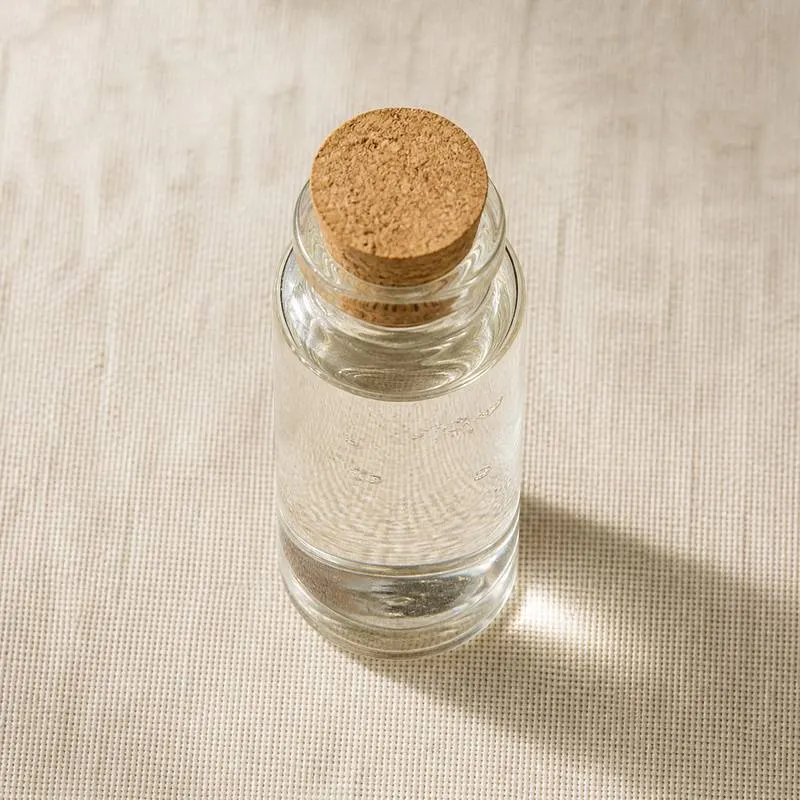
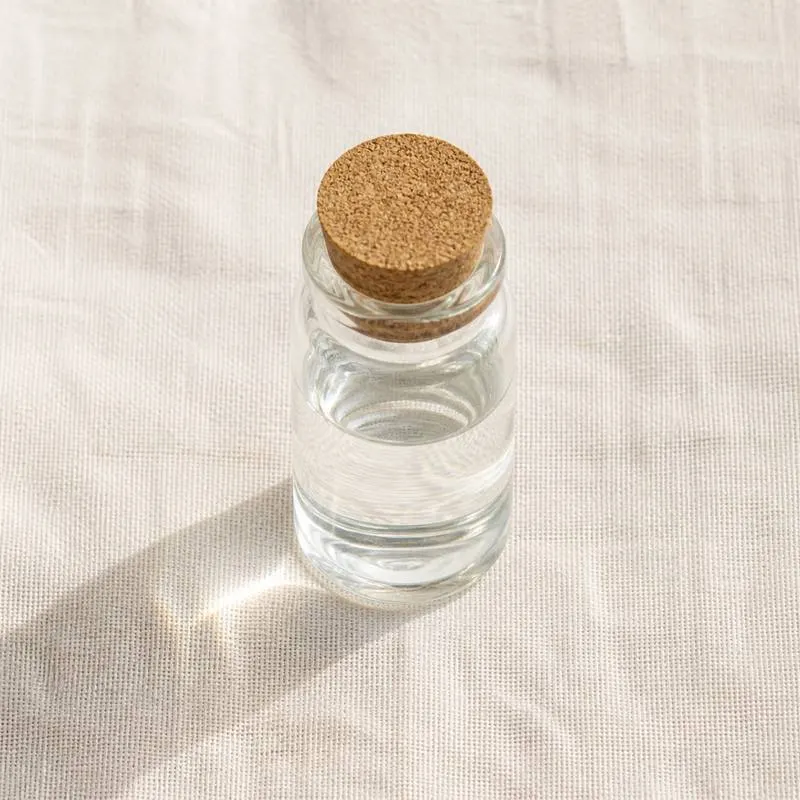
The commercial article is a clear, colourless to very pale straw, odourless syrupy liquid, normally 75 or 85 percent H3PO4 by weight. It is a moderately strong triprotic acid, fully miscible with water in all proportions, and dissolution is strongly exothermic. Concentrated grades are viscous, around 47 centipoise at 85 percent and 25 degrees Celsius, and the 85 percent grade crystallises below about 21 degrees Celsius, so heated storage is standard in cold climates.
In food systems it is the sharpest of the common acidulants, contributing a dry, flat, lingering sourness quite unlike the fruity attack of citric acid, and it also supplies phosphate that acts as a buffer and as a mineral nutrient. It is stable to heat and does not decompose or discolour during pasteurisation.
We source bulk Purified Phosphoric Acid from top China manufacturers for our partners. The manufacturers are in Guangxi and Fujian. A smaller requirement can ship in a combined container with other ingredients.
Please send the grade you need, the volume and your destination port, and we will come back with a solution and a price.
or call +86-21-6858 0751
- Function
- Acidulant
Specifications
| Item | Specification |
|---|---|
| Appearance | Clear colourless to pale straw syrupy liquid |
| Assay as H3PO4 | 85.0 percent minimum, food grade |
| Identification | Positive for orthophosphate |
| Colour, platinum cobalt scale | Not more than 20 |
| Specific Gravity, 25 degrees Celsius | 1.685 to 1.700 |
| Chloride | Not more than 10 mg per kg |
| Sulphate | Not more than 100 mg per kg |
| Fluoride | Not more than 10 mg per kg |
| Iron | Not more than 10 mg per kg |
| Volatile Acids as Acetic Acid | Not more than 10 mg per kg |
| Lead | Not more than 1 mg per kg |
| Arsenic | Not more than 1 mg per kg |
| Cadmium | Not more than 1 mg per kg |
| Heavy Metals as Pb | Not more than 10 mg per kg |
Common Markets Grades
Concentration is the first line of the specification. Food grade purified acid is traded at 75 percent and 85 percent H3PO4, with the lower strength preferred where winter freezing is a risk and the higher where freight cost per unit of acid matters. Technical grade at the same strengths is sold into metal treatment and detergent manufacture with looser limits on colour, sulphate and heavy metals.
Above food grade sit electronic and pharmaceutical qualities. Electronic grade is specified on trace metals at parts per billion for semiconductor etching and is not interchangeable with food material. Pharmaceutical grade meets United States Pharmacopeia and European Pharmacopoeia monographs and is used in dental and oral care products and as an excipient acidifier. Colour, measured against the platinum cobalt scale, and residual organic carbon are the practical quality markers that separate a well extracted lot from a marginal one, since both indicate carry-over of the extraction solvent or of organic matter from the rock.
Applications
- Cola and other dark carbonated soft drinks, as the characteristic acidulant giving the dry, sharp bite that citric acid cannot reproduce
- Beverage acidification generally, where a low use level is wanted because of its high acid strength per kilogram
- Processed cheese, as an acidity regulator working with the emulsifying phosphate salts
- Jams, jellies and syrups, as a pH adjuster where a neutral flavour contribution is preferred
- Cured and further processed meat, as an acidifier in brines and as a precursor for phosphate salts made in situ
- Yeast and fermentation nutrient media, as a phosphorus source and pH control agent
- Manufacture of food grade sodium, potassium, calcium and ammonium phosphate salts, the largest downstream food use
- Sugar refining, where it is used in the phosphatation clarification of cane juice
- Oral care and dental etching preparations in the pharmaceutical trade
- Metal surface treatment, rust conversion and industrial cleaning formulations outside food
China Manufacturers of Purified Phosphoric Acid
Top Purified Phosphoric Acid manufacturers in China.
- Guangxi Chuan Jin Nuo Chemical Co., Ltd.1 ingredient in the directory
 Wengfu (Group) Co., Ltd.2 ingredients in the directory
Company names and logos are the property of the manufacturers themselves. They are listed here because our own directory records them as producing this ingredient. A listing is not an endorsement by them, and we do not represent them or speak on their behalf.
Regulatory Status
In the United States 21 CFR 182.1073 lists phosphoric acid as a multiple purpose generally recognised as safe food substance, used as an acidifier, sequestrant and flavouring adjuvant in accordance with good manufacturing practice. It appears in several standards of identity as a permitted acidifying agent, and a United States Pharmacopeia monograph covers the pharmaceutical grade. Food grade material must also meet the Food Chemicals Codex monograph, which sets the fluoride and heavy metal limits that matter most for wet process acid.
In the European Union Regulation (EC) No 1333/2008 authorises it as food additive E 338 and Regulation (EU) No 231/2012 gives the identity and purity criteria; the regulation restricts its use by category, notably in cola type beverages, rather than permitting it quantum satis everywhere. Phosphates as a group have been re-evaluated by the European Food Safety Authority and a group limit applies across all phosphate additives. JECFA has evaluated phosphoric acid and the phosphate salts as a group, and phosphoric acid is listed in the Codex General Standard for Food Additives as an acidity regulator and sequestrant.
Manufacturing Process
The process starts with phosphate rock, a calcium fluorapatite ore, which is ground and digested with sulphuric acid in a stirred reactor. The reaction releases phosphoric acid in solution and precipitates calcium sulphate as gypsum, which is separated on a large vacuum belt filter and washed. The resulting merchant grade wet process acid is dark green to black and heavily loaded with fluoride, sulphate, iron, aluminium, cadmium and organic matter, and is unusable in food at that stage.
Purification is a liquid to liquid solvent extraction. The crude acid is pretreated to strip fluoride by steam or vacuum stripping and to remove residual sulphate and suspended solids, then contacted in counter current flow in a column or mixer settler train with an organic solvent, typically an alcohol, ketone or tributyl phosphate system, which selectively takes up phosphoric acid and leaves the metallic impurities in the aqueous raffinate. The loaded organic phase is scrubbed, then the acid is back-extracted into clean water. Residual solvent is recovered by stripping and recycled, the acid is polished over activated carbon and, in some plants, by sulphide precipitation of remaining heavy metals, filtered, and finally concentrated by vacuum evaporation to 75 or 85 percent. The finished acid is stored and shipped in lined or stainless steel vessels.