Sodium Pyrophosphate
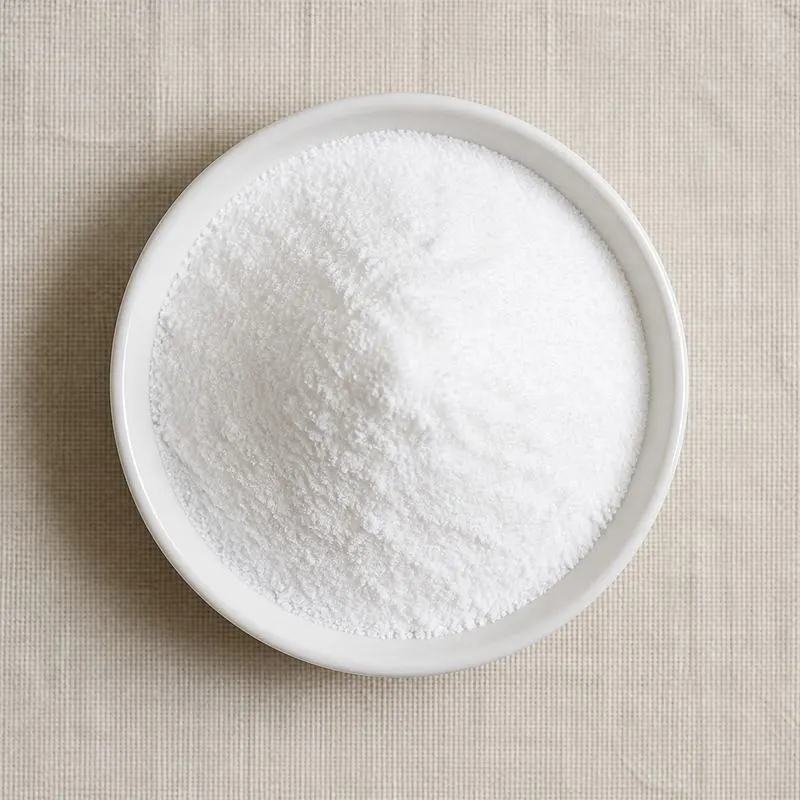
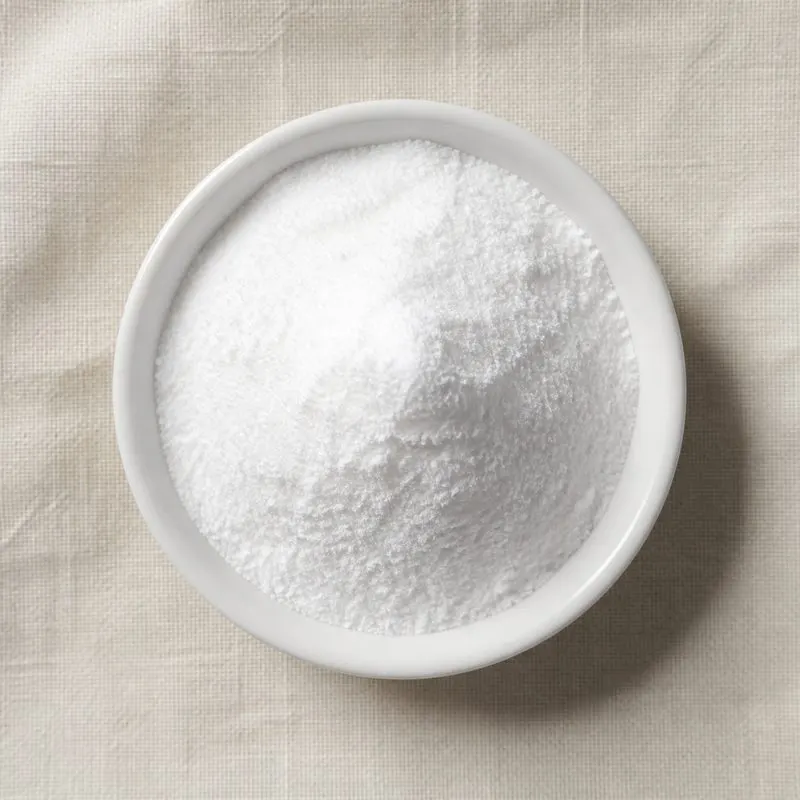
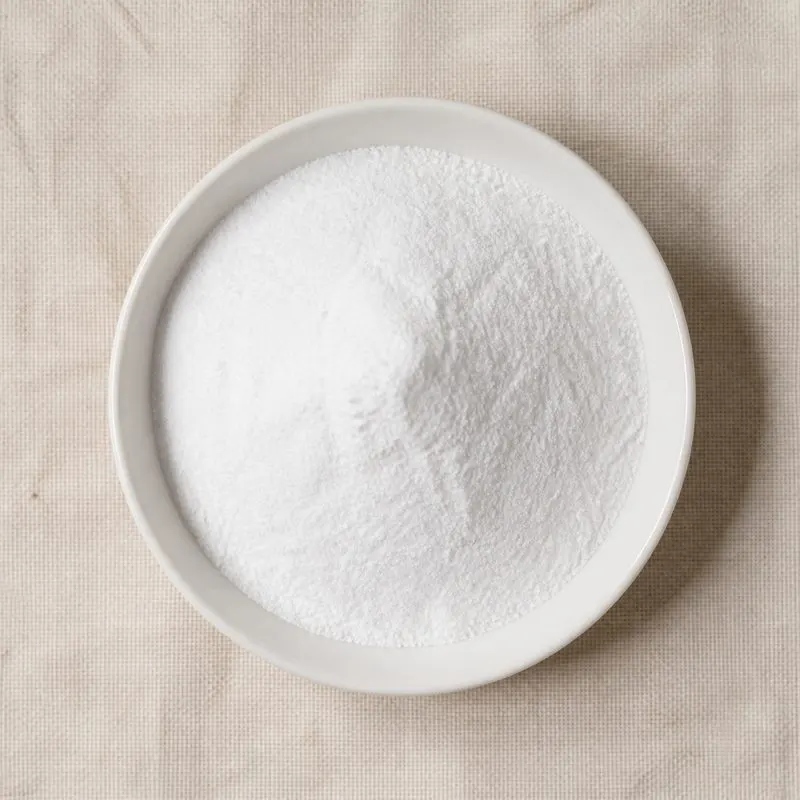
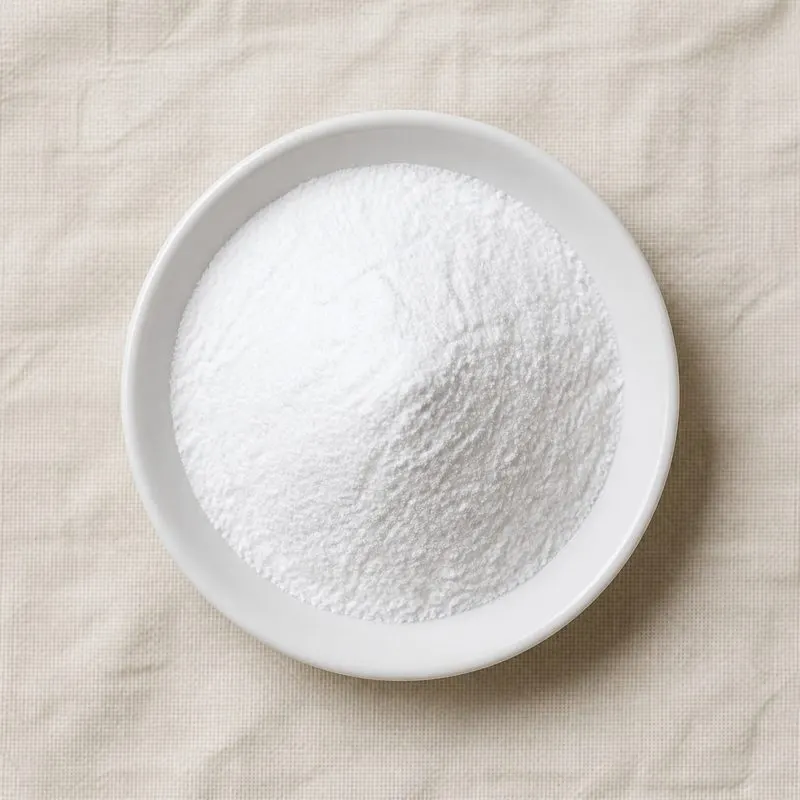
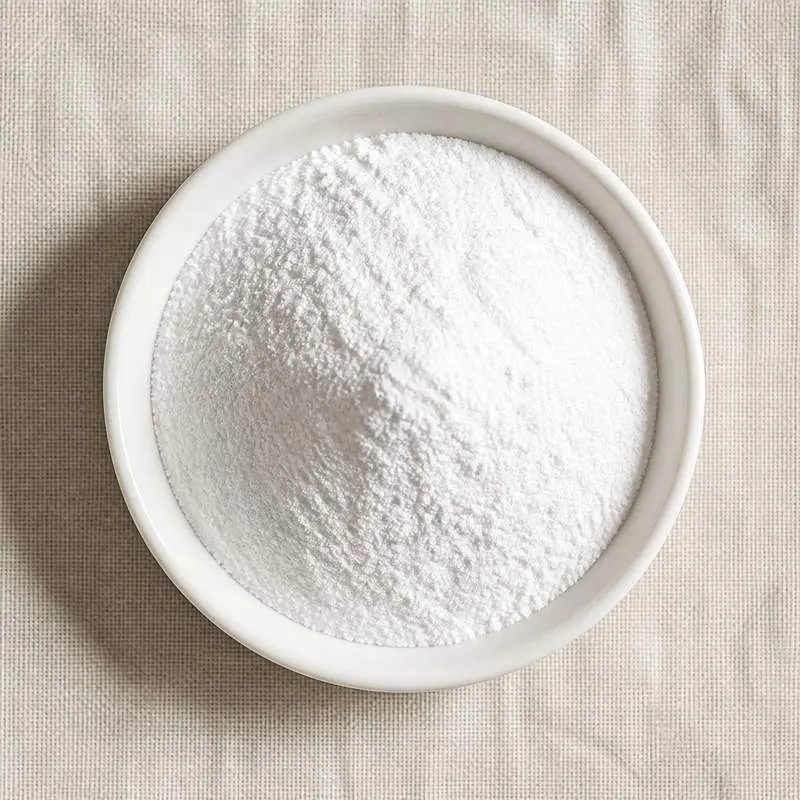
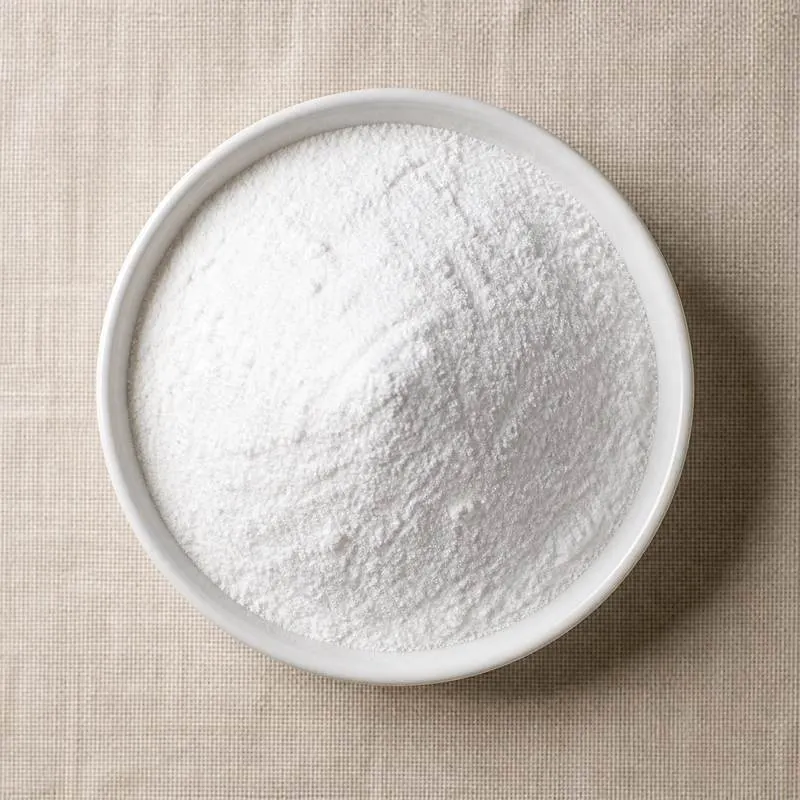
Sodium Pyrophosphate is the tetrasodium salt of pyrophosphoric acid, formula Na4P2O7. It is a two-unit chain phosphate built from two PO4 tetrahedra sharing a single bridging oxygen.
The salt is produced either as an anhydrous white powder or as a decahydrate crystal. Both forms dissolve in water to give a strongly alkaline solution with pH near 10.2 at one percent concentration. It is the most alkaline of the food-grade condensed phosphates and the fastest-acting protein activator in meat applications.
We source bulk Sodium Pyrophosphate from top China manufacturers for our partners. The manufacturers are in Jiangsu and Yunnan. For this ingredient the minimum order is 500 kg and a 20-foot container takes 22 MT, and a smaller requirement can ship in a combined container with other ingredients.
Please send the grade you need, the volume and your destination port, and we will come back with a solution and a price.
or call +86-21-6858 0751
- Minimum order
- 500 kg
- Qty in 20' FCL
- 22 MT
- Packaging
- 25 kg kraft paper bag with PE inner liner
- ISO 9001
- HACCP
- Halal
- Kosher
Specifications
| Item | Specification |
|---|---|
| Appearance | White crystalline powder or granules |
| Assay (Na₄P₂O₇) | ≥ 95.0% |
| P₂O₅ Content | ≥ 52.0% |
| Loss on Drying (anhydrous, 105°C) | ≤ 0.5% |
| Loss on Ignition | ≤ 0.6% |
| pH (1% solution) | 10.0–10.5 |
| Water Insoluble | ≤ 0.2% |
| Fluoride (F) | ≤ 10 mg/kg |
| Heavy Metals (as Pb) | ≤ 10 mg/kg |
| Lead (as Pb) | ≤ 2 mg/kg |
| Arsenic (as As) | ≤ 3 mg/kg |
Common Markets Grades
Sodium pyrophosphate comes in three formats: anhydrous, decahydrate, and granular.
Anhydrous sodium pyrophosphate is the standard grade for dry blends, dry-mixed seasonings, and shelf-stable applications.
Decahydrate (Na4P2O7·10H2O) is preferred for applications where rapid dissolution at low temperature is required, as the crystal water assists hydration.
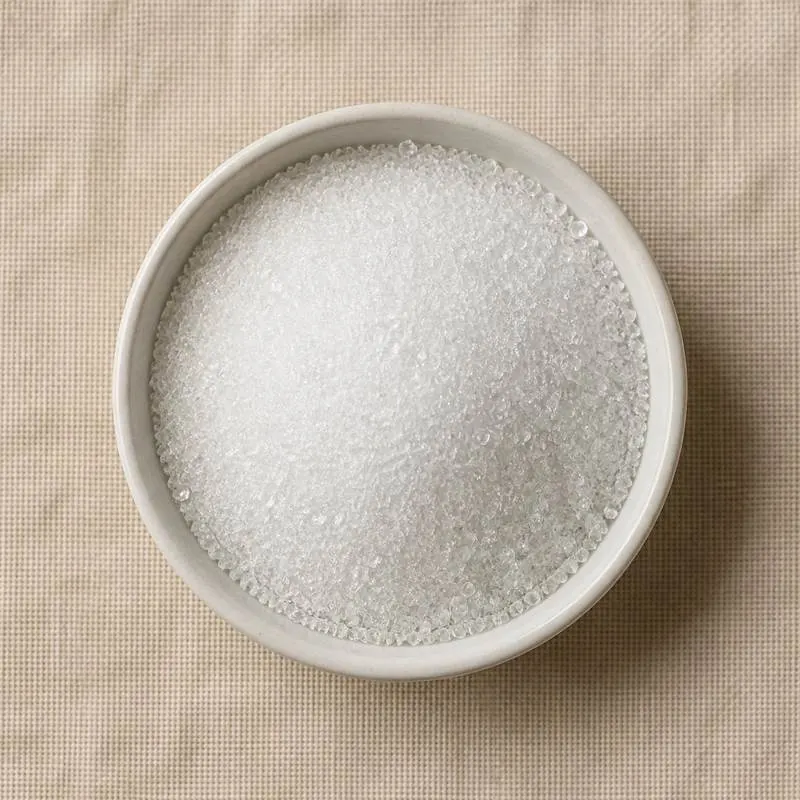
Granular grades are dust-free formats for automated brine batching in meat plants.
Food-grade material conforms to FCC, JECFA, and E 450(iii) purity specifications. Technical and industrial grades have wider tolerances on iron, fluoride, and heavy-metal limits.
Applications
- Meat brines for raw hams, cooked hams, and poultry injection, paired with STPP for synergistic protein activation
- Surimi and fish-paste manufacture for protein extraction
- Processed cheese and cheese-product manufacture as a fast-acting emulsifying salt
- Canned tuna and seafood as a crystallisation inhibitor
- Pet food, especially loaf-style canned products for texture
- Toothpaste as a tartar-control agent
- Industrial cleaning compounds and metal-surface preparation
- Drilling-mud thinners
- Leather processing as a chelating dispersant
- Photographic developer baths as a buffer
Brands Using Sodium Pyrophosphate
Widely-distributed consumer products that list Sodium Pyrophosphate on the ingredient label.
- ColgateColgate Total Deep Clean Toothpaste ↗Listed inactive ingredients: 'Sorbitol, Water, Hydrated Silica, Glycerin, Flavor, Sodium Lauryl Sulfate, Tetrasodium Pyrophosphate, Cellulose Gum, Potassium Nitrate, Sodium Saccharin, Xanthan Gum, Cocamidopropyl Betaine, Titanium Dioxide.'Label verified 2026-05-25
- CrestCrest Whitening Expressions ↗Crest's own FAQ states: 'Tetrasodium pyrophosphate and disodium pyrophosphate are the anti-tartar ingredients in Crest Whitening Expressions.'Label verified 2026-05-25
Brand names, product names and logos are the property of their owners. They appear here as published evidence that the ingredient is used, taken from the brand's own label or website. Their appearance is not an endorsement, and it does not mean the brand buys from us or from any manufacturer listed on this site.
China Manufacturers of Sodium Pyrophosphate
Top Sodium Pyrophosphate manufacturers in China.
 Lianyungang Dongtai Food Ingredients Co., Ltd.11 ingredients in the directory
- Yunnan Addiphos Technology Co., Ltd.7 ingredients in the directory
Company names and logos are the property of the manufacturers themselves. They are listed here because our own directory records them as producing this ingredient. A listing is not an endorsement by them, and we do not represent them or speak on their behalf.
How We Help Source Sodium Pyrophosphate
Direct Factory Sourcing
We run the whole process: selecting the manufacturer from the top Chinese food ingredient producers, negotiating the price, verifying quality, and coordinating the logistics. You deal with us instead of with several factories at once.
Original Packaging and Documents from the Manufacturer
The manufacturer sends your Sodium Pyrophosphate out of its own factory in the original packing, through to your destination port. The COA, COO, MSDS, TDS and any certifications reach you from the manufacturer as well.
Free Samples and Lead Time
We send 100 to 500 g free for your own laboratory to test and you cover only the courier, usually within 2 to 3 working days. ETD is usually within 7 to 15 days once the order is confirmed, and we check that date against the factory's own manufacturing schedule before we give it to you.
Combined Shipment
We can load Sodium Pyrophosphate together with other ingredients such as Sodium Tripolyphosphate, Sodium Hexametaphosphate and TetraSodium Pyrophosphate into one 20' FCL. If your quantity is small, we can also ship LCL.
Regulatory Status
Sodium pyrophosphate is approved as a food additive in major regulated markets.
The European Union lists it as E 450(iii) within the diphosphate family. The U.S. FDA recognises it under 21 CFR 182.1810 (GRAS for general food use) and 21 CFR 182.6789 for sequestrant applications.
JECFA includes the substance within its group evaluation of phosphate additives.
FCC, USP, and Ph. Eur. monographs cover identity, assay, and impurity limits. Halal and Kosher certifications are routinely available for food-grade material.
The decahydrate form is recognised under separate FCC and pharmacopoeial entries because of its different water content and dissolution behaviour.
Manufacturing Process
Sodium pyrophosphate is produced by controlled calcination of disodium orthophosphate.
Disodium orthophosphate (Na2HPO4) is prepared by neutralising food-grade phosphoric acid with sodium carbonate to a 1:2 mole ratio. The solution is concentrated and dried.
The dried salt is calcined in rotary or muffle furnaces at 300 to 500 degrees Celsius. Two molecules of disodium orthophosphate condense, releasing one molecule of water and forming the P2O7 pyrophosphate ion.
The calcined product is cooled, milled, sieved, and packed. Decahydrate is produced by crystallising the calcined material from controlled-temperature aqueous solution.
The reaction must be controlled carefully because over-calcination produces sodium tripolyphosphate as a contaminant, while under-calcination leaves unreacted orthophosphate. Both lower the assay and shift functional performance.