Anhydrous Sodium Pyrophosphate
Anhydrous sodium pyrophosphate, also called tetrasodium pyrophosphate or tetrasodium diphosphate, is the sodium salt of pyrophosphoric acid with the formula Na4P2O7, the simplest of the condensed phosphates and the one most used to raise pH and bind metal ions in meat and seafood processing.
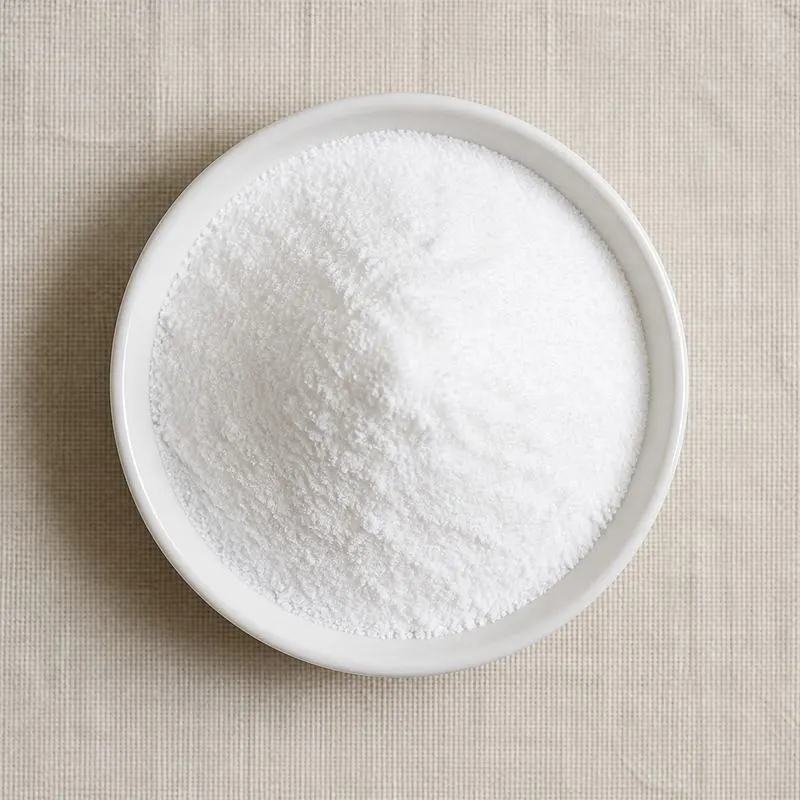
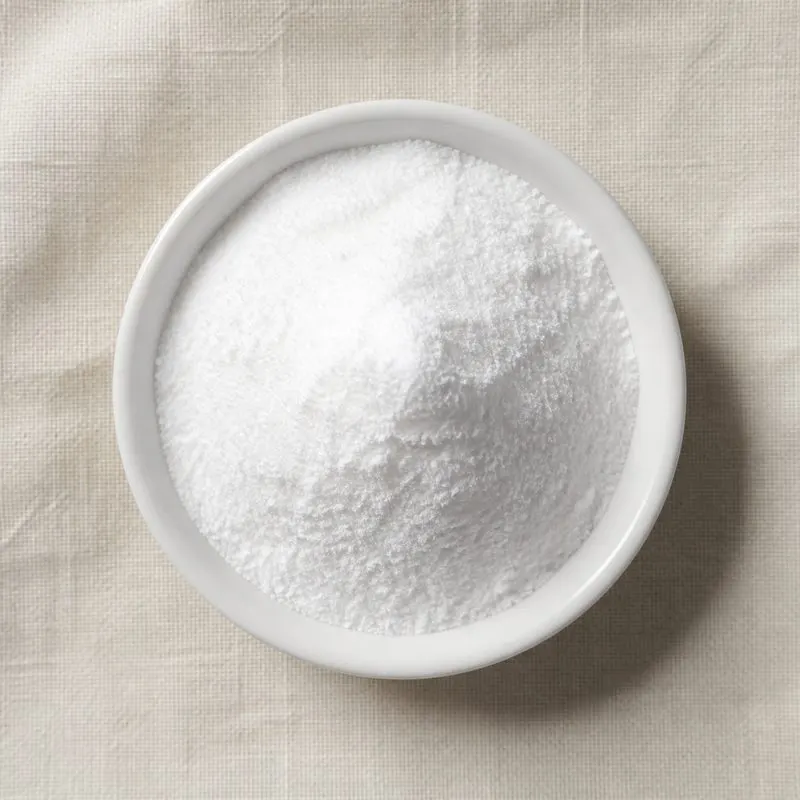
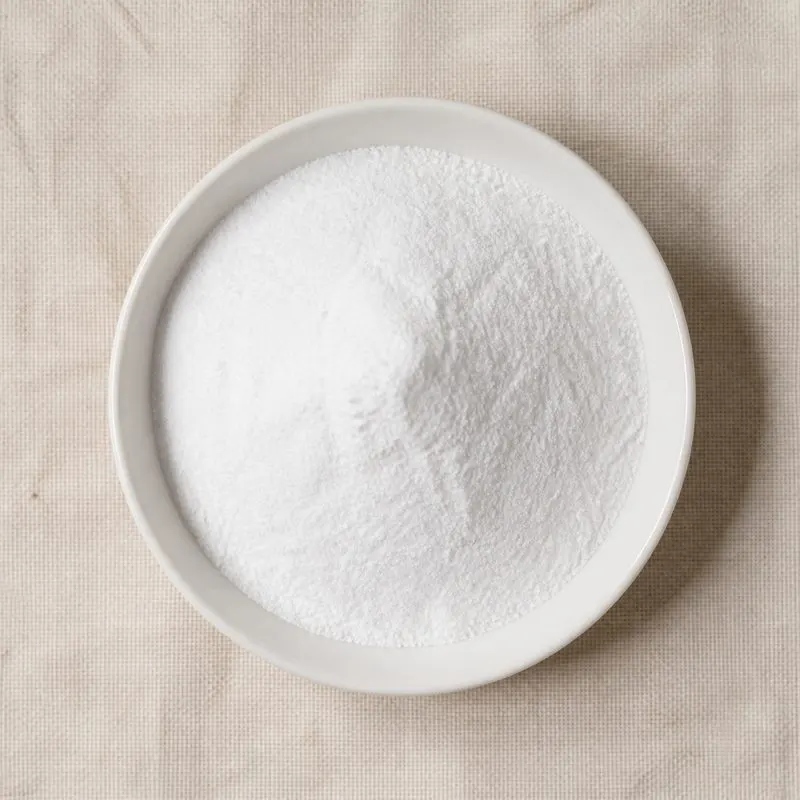
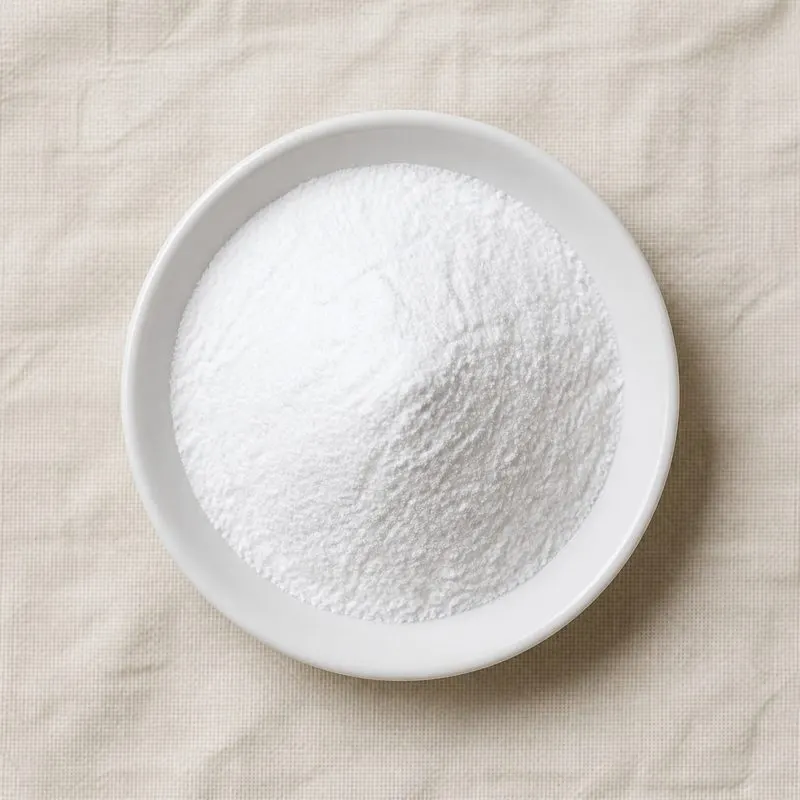
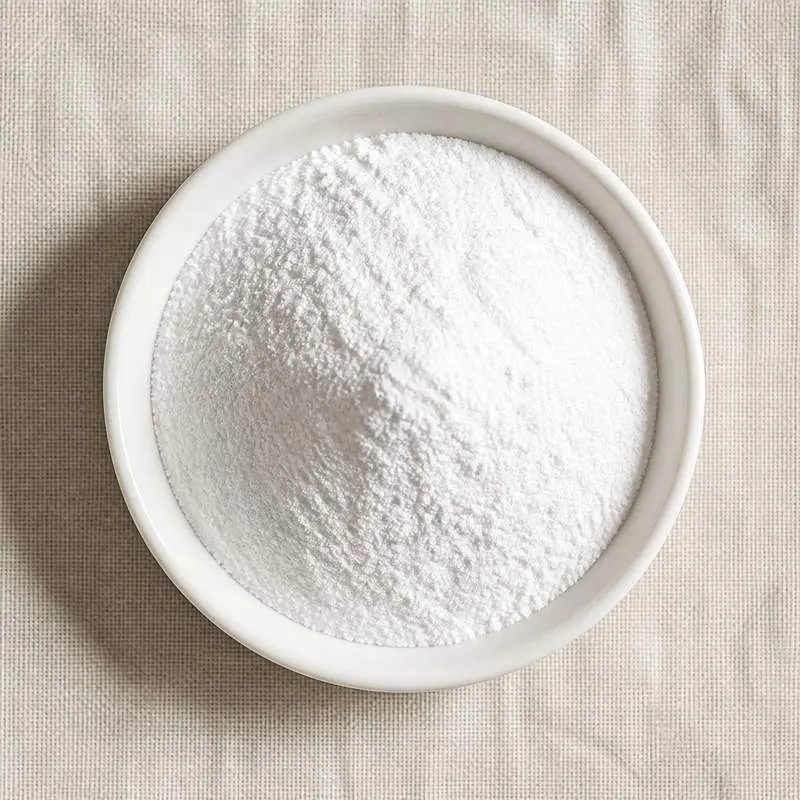
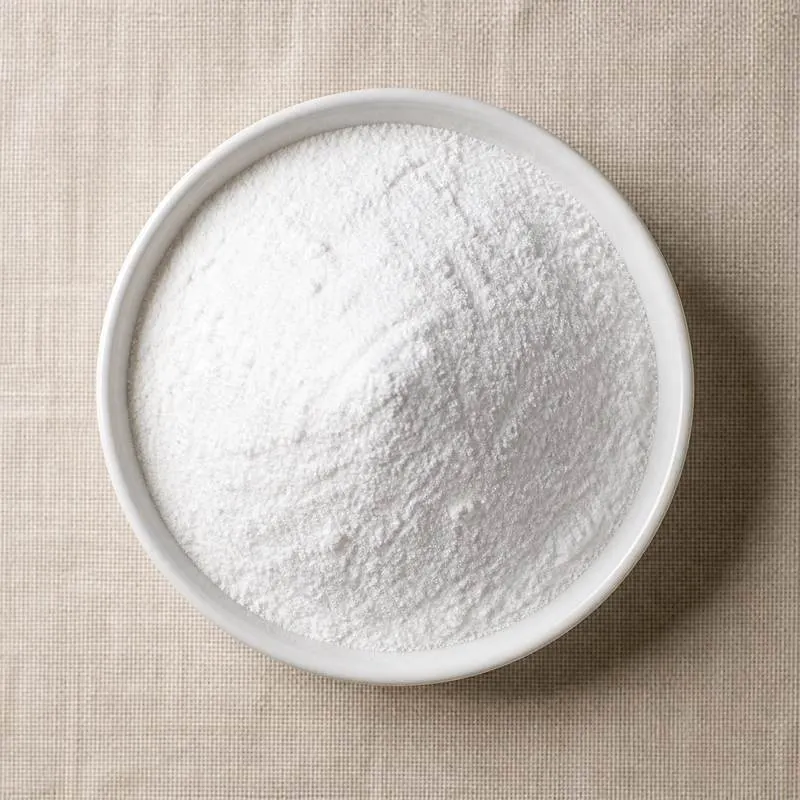
It is a white crystalline powder or granule with no water of crystallisation, distinguished from the decahydrate by its lower bulk density and its slower rate of solution. It dissolves in water to give a strongly alkaline solution, around pH ten in a one percent solution, and is insoluble in ethanol. In solution the diphosphate anion chelates calcium, magnesium and iron. That combination of alkalinity and sequestration loosens the actomyosin complex in muscle, raises pH away from the isoelectric point of muscle protein, and so increases water holding capacity and cooked yield.
The anhydrous salt is stable and non hygroscopic under ordinary storage, but in aqueous solution it hydrolyses slowly to orthophosphate, faster at low pH and at elevated temperature, so brines are made up shortly before use. It is less soluble in cold water than sodium tripolyphosphate, which is why it is normally used as part of a blend rather than alone in a cold injection brine.
We source bulk Anhydrous Sodium Pyrophosphate from top China manufacturers for our partners. The manufacturer is in Jiangsu. A smaller requirement can ship in a combined container with other ingredients.
Please send the grade you need, the volume and your destination port, and we will come back with a solution and a price.
or call +86-21-6858 0751
- Function
- Meat-processing aid
Specifications
| Item | Specification |
|---|---|
| Appearance | White crystalline powder or granule, free from foreign matter |
| Identification | Positive for sodium and for diphosphate |
| Assay as Na4P2O7 | Not less than 95.0% on the ignited basis |
| Phosphorus pentoxide content | 52.5 to 54.0% |
| pH of 1% aqueous solution | 9.9 to 10.7 |
| Loss on ignition at 550 degrees Celsius | Not more than 0.5% |
| Water insoluble matter | Not more than 0.2% |
| Fluoride | Not more than 10 mg/kg |
| Heavy metals as lead | Not more than 10 mg/kg |
| Lead | Not more than 1.0 mg/kg |
| Arsenic | Not more than 1.0 mg/kg |
| Cadmium | Not more than 1.0 mg/kg |
| Mercury | Not more than 0.1 mg/kg |
| Particle size | Not less than 95% through 60 mesh, or granular as specified |
Common Markets Grades
The material is traded as food grade and as technical grade, and the two are distinguished mainly by heavy metal, fluoride and insoluble matter limits rather than by assay, since both run at ninety five percent or better as Na4P2O7. Food grade is made to a food chemicals codex or equivalent monograph and is the grade used in meat, seafood and dairy applications; technical grade goes into detergents, ceramic deflocculation, water treatment and oilfield use.
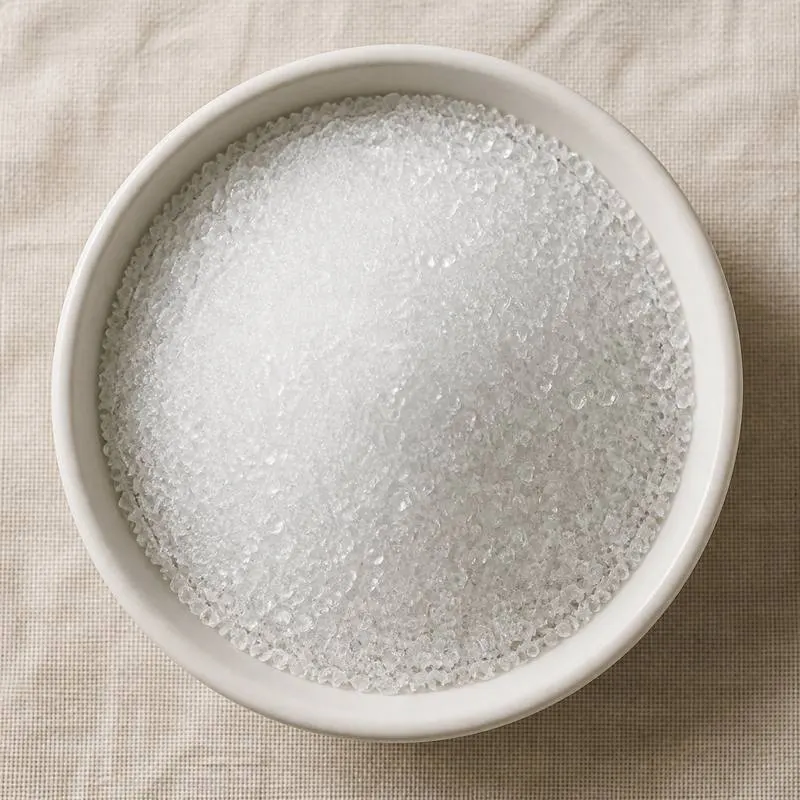
Physical form is the other commercial distinction. Standard powder dissolves slowly and is used where it is dry blended into a seasoning or a phosphate blend, while granular and agglomerated grades are used for brine make up because they wet out without lumping and generate less dust. Fine milled grades are used in surimi and in processed cheese where rapid dispersion into a paste matters. The decahydrate is sold alongside the anhydrous salt and dissolves faster in cold water, at the cost of carrying its water of crystallisation as freight.
Applications
- Injected and tumbled meat products such as ham and bacon, where it raises pH and increases cooked yield and slice cohesion
- Poultry chilling and marination, reducing purge in tray packed fresh and frozen portions
- Shrimp, scallop and fish fillet treatment, limiting drip loss during freezing and thawing
- Surimi and fish paste products, assisting protein extraction and gel strength
- Processed cheese, as an emulsifying salt that sequesters calcium and disperses casein
- Canned seafood, where it prevents the formation of glassy struvite crystals
- Bakery leavening blends, in combination with acid pyrophosphates and bicarbonate
- Pet food and rendered protein products, as a sequestrant and pH buffer
- Toothpaste and oral care, where the diphosphate inhibits calculus formation
China Manufacturers of Anhydrous Sodium Pyrophosphate
Top Anhydrous Sodium Pyrophosphate manufacturers in China.
Company names and logos are the property of the manufacturers themselves. They are listed here because our own directory records them as producing this ingredient. A listing is not an endorsement by them, and we do not represent them or speak on their behalf.
Regulatory Status
In the United States sodium pyrophosphate is affirmed as generally recognised as safe for use as a sequestrant, buffer and emulsifier and appears in the list of multiple purpose generally recognised as safe substances in 21 CFR Part 182. Its use in meat and poultry is separately controlled by the Food Safety and Inspection Service, which permits phosphates in the standardised meat and poultry products listed in 9 CFR 424.21 at a level not exceeding half a percent of the finished product, calculated as phosphate, and requires them to be declared in the ingredient statement. The standards of identity for pasteurised process cheese in 21 CFR Part 133 govern use in processed cheese.
In the European Union tetrasodium diphosphate is an authorised food additive within the diphosphates group carrying the E number E450, listed under Regulation (EC) No 1333/2008 with maximum use levels set by food category, and specifications of purity laid down in Regulation (EU) No 231/2012. The European Food Safety Authority reassessed the additive phosphates as a group, and the resulting use levels apply across the phosphate additives together rather than to each salt individually. Codex includes sodium diphosphates in its general standard for food additives under the same international numbering system, and the Joint FAO WHO Expert Committee on Food Additives has published specifications for the salt and has evaluated phosphates as a group.
Manufacturing Process
Manufacture starts from purified wet process or thermal phosphoric acid, which is neutralised with sodium carbonate or sodium hydroxide in a stirred reactor to give a disodium phosphate liquor at a closely held sodium to phosphorus ratio of two to one. Because the ratio in the liquor determines the product that forms on calcination, the neutralisation end point is controlled by continuous pH measurement. The liquor is clarified and filtered to remove the fluoride, iron and arsenic bearing precipitates carried in from the acid.
The clarified liquor is concentrated by evaporation and then dried and calcined, most often by spray drying followed by a rotary calciner, or by drum drying and calcination in a single pass. Heating above about four hundred degrees Celsius condenses two disodium orthophosphate units, driving off a molecule of water and forming the pyrophosphate linkage. The calcined product is cooled, milled and screened to the target particle size, or granulated where a dust free grade is required, then checked for pH, assay and insoluble matter before packing into lined paper sacks or bulk bags.