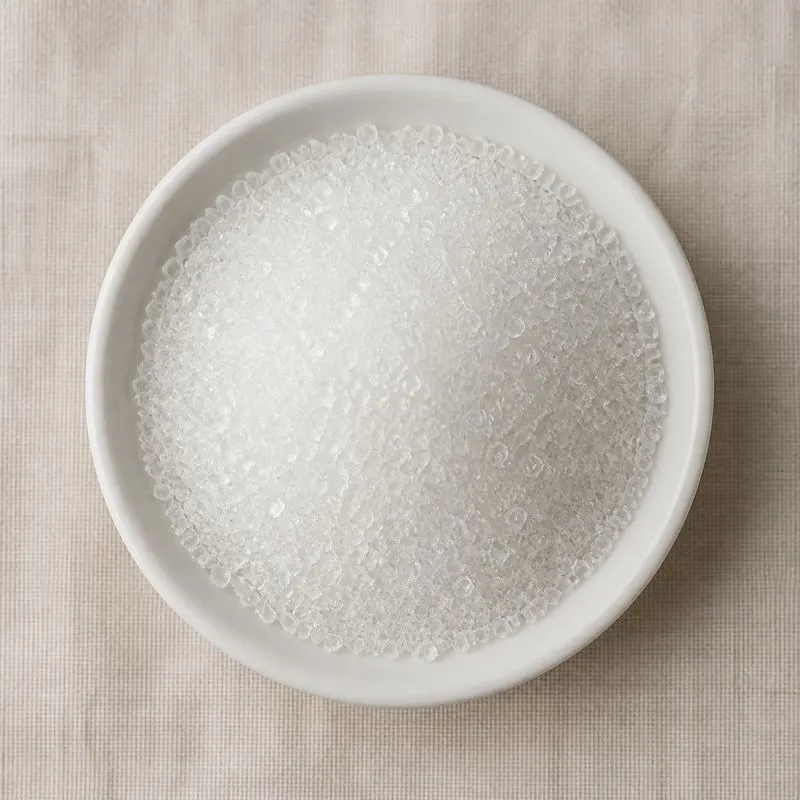
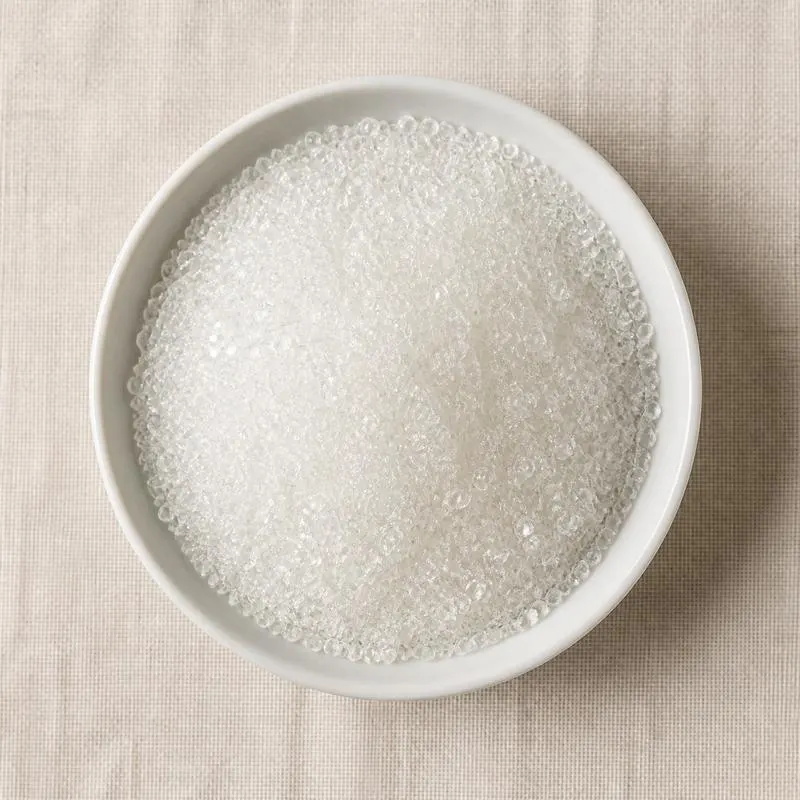
Phosphoric Acid
Phosphoric Acid is a triprotic mineral acid used as an acidulant, pH regulator, sequestrant, and yeast nutrient in food, beverage, pharmaceutical, and industrial applications.
The molecule has the formula H₃PO₄ and a molar mass of 97.99 g/mol. Its three dissociations (pKa1 2.15, pKa2 7.20, pKa3 12.35) make it a moderately strong first-step acid and provide buffering capacity across two physiologically relevant pH ranges.
Unlike the carboxylic food acids, phosphoric acid is inorganic and contributes a flat, dry sourness rather than the bright fruity character of citric or tartaric acid. That clean acid bite is the reason it dominates cola-type beverage acidification.
We source bulk Phosphoric Acid from top China manufacturers for our partners, working with several of them. The manufacturers are mostly in Chongqing, Sichuan and Jiangsu. For this ingredient the minimum order is 500 kg and a 20-foot container takes 25.83 MT, and a smaller requirement can ship in a combined container with other ingredients.
Please send the grade you need, the volume and your destination port, and we will come back with a solution and a price.
or call +86-21-6858 0751
- Minimum order
- 500 kg
- Qty in 20' FCL
- 25.83 MT
- Packaging
- 250 kg plastic drum or 1,000 kg IBC tote
- ISO 9001
- HACCP
- Halal
- Kosher
Specifications
| Item | Specification |
|---|---|
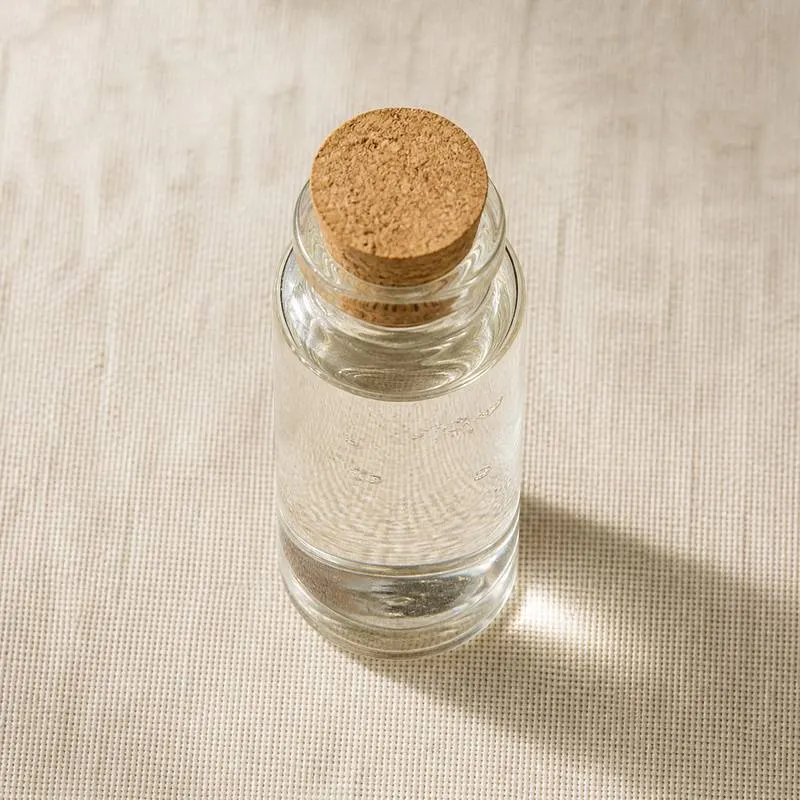
| Appearance | Colourless to slightly yellow clear syrupy liquid |
| Odour | Odourless |
| Assay (as H₃PO₄) | ≥ 75.0% (80% and 85% solutions also supplied) |
| Colour | ≤ 20 APHA |
| Specific Gravity (25 °C) | 1.575 - 1.585 |
| Chloride (as Cl) | ≤ 5 mg/kg |
| Sulfate (as SO4) | ≤ 100 mg/kg |
| Fluoride (as F) | ≤ 10 mg/kg |
| Iron (as Fe) | ≤ 10 mg/kg |
| Arsenic | ≤ 1 mg/kg |
| Lead | ≤ 2 mg/kg |
| Heavy Metals (as Pb) | ≤ 10 mg/kg |
| Reducing Substances (as H3PO3) | ≤ 0.012% |
| Volatile Acids (as acetic acid) | ≤ 10 mg/kg |
Common Markets Grades
Phosphoric Acid is produced almost exclusively as an aqueous solution, with strength specified as percent H₃PO₄ by weight.
The dominant food and beverage grade is 75 percent, with 80 percent and 85 percent solutions widely available for higher concentration and lower freight cost. A 65 percent grade is produced where lower viscosity and easier dosing are preferred.
Quality tiers are food grade (FCC, suitable for direct food contact), pharmaceutical grade (USP, Ph. Eur., BP, JP, with tighter limits on arsenic, heavy metals, fluoride, and reducing substances), and technical or fertilizer grade for non-food industrial use.
Food-grade phosphoric acid is purified to remove fluoride, arsenic, and heavy metals down to single-digit ppm or lower. Thermal-process and purified wet-process material both qualify when the post-treatment meets the relevant monograph.
Solid polyphosphoric acid and superphosphoric acid (effectively dehydrated forms with 105 percent or higher H₃PO₄ equivalence) are produced for specialty industrial use but are not typical food-grade items. Halal and Kosher certifications are routinely available on the food and pharmaceutical grades.
Applications
- Cola-type carbonated soft drinks as the principal acidulant providing the characteristic dry tartness and pH near 2.5
- Other carbonated and still beverages where a non-fruit acid note is desired
- Brewing and yeast-propagation media as a controlled-acid yeast nutrient and pH adjuster
- Cheese making and processed-cheese emulsifying-salt systems via phosphate salt precursors
- Cured meats and poultry processing through phosphate blends derived from neutralised H₃PO₄
- Sugar refining for clarification and decolorisation
- Pharmaceutical effervescent and oral-rinse formulations as a pH adjuster
- Dental etching gels and tooth-surface conditioning at 30 to 40 percent strength
- Metal pickling, rust conversion, and steel passivation for paint pretreatment
- Electronics-grade etchant for aluminium, indium tin oxide, and selected microelectronics steps
- Water-treatment corrosion inhibition through orthophosphate film formation
- Detergents, household cleaners, and lime-scale removers
Brands Using Phosphoric Acid
Widely-distributed consumer products that list Phosphoric Acid on the ingredient label.
- Coca-ColaCoca-Cola Original (US) ↗Listed in panel: 'CARBONATED WATER, HIGH FRUCTOSE CORN SYRUP, CARAMEL COLOR, PHOSPHORIC ACID, NATURAL FLAVORS, CAFFEINE.'Label verified 2026-05-24
- Coca-Cola (GB)Coca-Cola Original Taste (UK) ↗Listed: 'Carbonated Water, Sugar, Colour (Caramel E150d), Acid (Phosphoric Acid), Natural Flavourings, Caffeine Flavouring.'Label verified 2026-05-24
- PepsiCoPepsi Cola ↗Listed: '...CARAMEL COLOR, SUGAR, PHOSPHORIC ACID, CAFFEINE, CITRIC ACID...'Label verified 2026-05-24
- PepsiCoDiet Pepsi ↗Listed: '...ASPARTAME, PHOSPHORIC ACID, POTASSIUM BENZOATE...'Label verified 2026-05-24
- PepsiCoPepsi Made With Real Sugar ↗Listed: 'CARBONATED WATER, SUGAR, CARAMEL COLOR, PHOSPHORIC ACID, CAFFEINE, NATURAL FLAVOR'Label verified 2026-05-24
- Coca-Cola (Diet Coke GB)Diet Coke (UK) ↗Listed: 'Acids (Phosphoric Acid, Citric Acid)'Label verified 2026-05-24
- Dr PepperDr Pepper Original ↗Listed: 'Carbonated Water, High Fructose Corn Syrup, Caramel Color, Phosphoric Acid, Natural and Artificial Flavors, Sodium Benzoate (Preservative), Caffeine.' Verified via WebSearch index of drpepper.com page.Label verified 2026-05-24
- Dr PepperDr Pepper Made with Real Sugar ↗Listed: 'Carbonated Water, Sugar, Caramel Color, Phosphoric Acid, Natural and Artificial Flavors, Sodium Benzoate (Preservative), Caffeine.'Label verified 2026-05-24
Brand names, product names and logos are the property of their owners. They appear here as published evidence that the ingredient is used, taken from the brand's own label or website. Their appearance is not an endorsement, and it does not mean the brand buys from us or from any manufacturer listed on this site.
China Manufacturers of Phosphoric Acid
Top Phosphoric Acid manufacturers in China.
 Chongqing Chuandong Chemical (Group) Co., Ltd.5 ingredients in the directory
 Jiangsu Chengxing Phosph-Chemicals Co., Ltd.2 ingredients in the directory
 Reephos (Chongqing) Food Ingredients Co., Ltd.9 ingredients in the directory
 Sichuan Ronghong Technology Development Co., Ltd.11 ingredients in the directory
- Sichuan Shifang Dingli Phosphorus Chemical Co., Ltd.4 ingredients in the directory
 Wuhan Waking Lion Chemicals Co., Ltd.13 ingredients in the directory
Company names and logos are the property of the manufacturers themselves. They are listed here because our own directory records them as producing this ingredient. A listing is not an endorsement by them, and we do not represent them or speak on their behalf.
How We Help Source Phosphoric Acid
Direct Factory Sourcing
We run the whole process: selecting the manufacturer from the top Chinese food ingredient producers, negotiating the price, verifying quality, and coordinating the logistics. You deal with us instead of with several factories at once.
Original Packaging and Documents from the Manufacturer
The manufacturer sends your Phosphoric Acid out of its own factory in the original packing, through to your destination port. The COA, COO, MSDS, TDS and any certifications reach you from the manufacturer as well.
Free Samples and Lead Time
We send 100 to 500 g free for your own laboratory to test and you cover only the courier, usually within 2 to 3 working days. ETD is usually within 7 to 15 days once the order is confirmed, and we check that date against the factory's own manufacturing schedule before we give it to you.
Combined Shipment
We can load Phosphoric Acid together with other ingredients such as Calcium Acetate, Citric Acid and Glucono-Delta-Lactone into one 20' FCL. If your quantity is small, we can also ship LCL.
Regulatory Status
Phosphoric Acid is permitted as a food additive in essentially every regulated market, with use limits set primarily by overall dietary phosphate intake rather than by toxicity concerns.
In the European Union Regulation (EC) No 1333/2008 lists it as E338. Permitted categories include cola-type beverages with a defined maximum, plus a range of dairy, processed-fruit, and confectionery uses, with specific E338-to-E452 phosphate limits.
The U.S. Food and Drug Administration affirms phosphoric acid as Generally Recognized as Safe under 21 CFR 182.1073 for use as a multipurpose food ingredient. Additional 21 CFR provisions cover its role in standardized foods.
JECFA has evaluated phosphoric acid and phosphate salts together and established a group MTDI (maximum tolerable daily intake) covering total dietary phosphorus from additives. Specific numerical limits are revisited periodically.
Monographs appear in the United States Pharmacopeia (USP), the European Pharmacopoeia (Ph. Eur.), the British Pharmacopoeia (BP), the Japanese Pharmacopoeia (JP), and the Food Chemicals Codex (FCC). Halal and Kosher certifications are widely available for food and pharmaceutical grades.
Manufacturing Process
Two industrial processes account for essentially all phosphoric acid production: the wet process and the thermal (or furnace) process.
The wet process dominates global volume. Phosphate rock (predominantly fluorapatite) is digested with concentrated sulphuric acid, which releases phosphoric acid in solution and precipitates calcium sulphate (gypsum) as a by-product. The crude acid is filtered, concentrated by evaporation, and clarified.
Wet-process acid intended for food and pharmaceutical use undergoes additional purification: solvent extraction with selected organic phases to remove cationic impurities, fluoride stripping by steam or silica, arsenic reduction by sulphide precipitation, and final decolorisation over activated carbon.
The thermal process burns elemental phosphorus in excess air to form phosphorus pentoxide, which is hydrated with dilute phosphoric acid in absorption towers to give a high-purity 75 to 85 percent solution. Thermal-process acid is inherently low in metallic impurities and was historically the preferred route for food-grade material, though purified wet-process acid has displaced it in much of the market on cost grounds.