Spicy Paste Essence
Spicy paste essence is a compounded flavouring that reproduces the character of a fermented chilli paste, the class of condiment represented by Sichuan broad bean paste, chilli bean sauce and fermented chilli mash, in a concentrated form that can be dosed into a food without carrying the water, salt and colour load of the paste itself. It is used where a manufacturer wants the depth of a long fermented condiment at a dosage measured in tenths of a percent.
The profile it reconstructs has three layers. The fermented layer comes from mould and lactic fermentation of broad bean and chilli, which generates free amino acids, peptides, organic acids, esters and pyrazines, and is what separates a fermented paste from a simple chilli sauce. The pungent layer comes from the capsaicinoids of Capsicum, which are heat stable and survive any downstream process. The roasted layer is generated by frying, and in an essence it is reproduced by a thermal process reaction of sugars, amino acids and a protein hydrolysate.
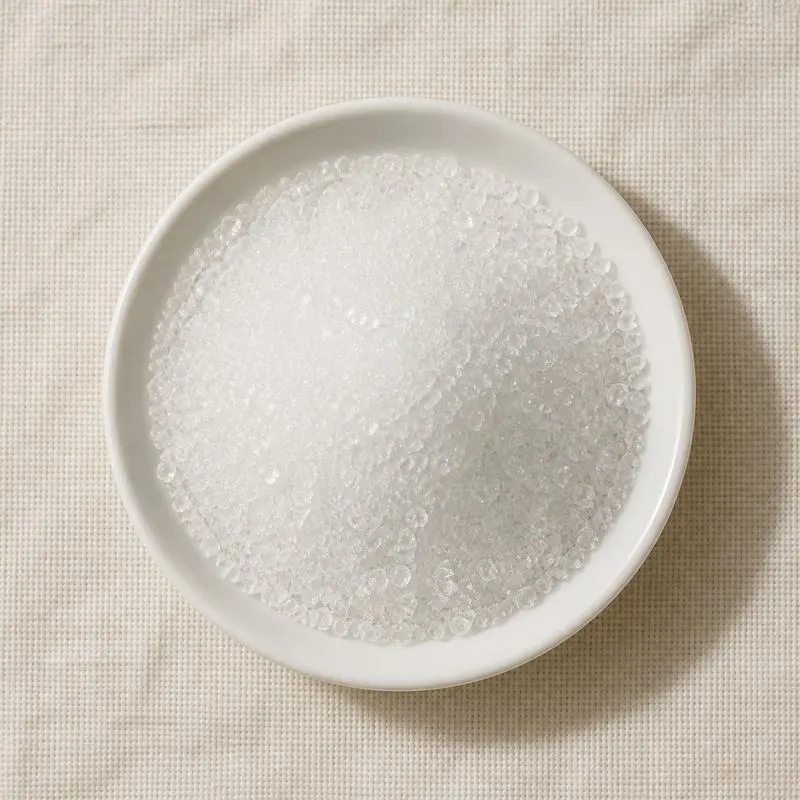
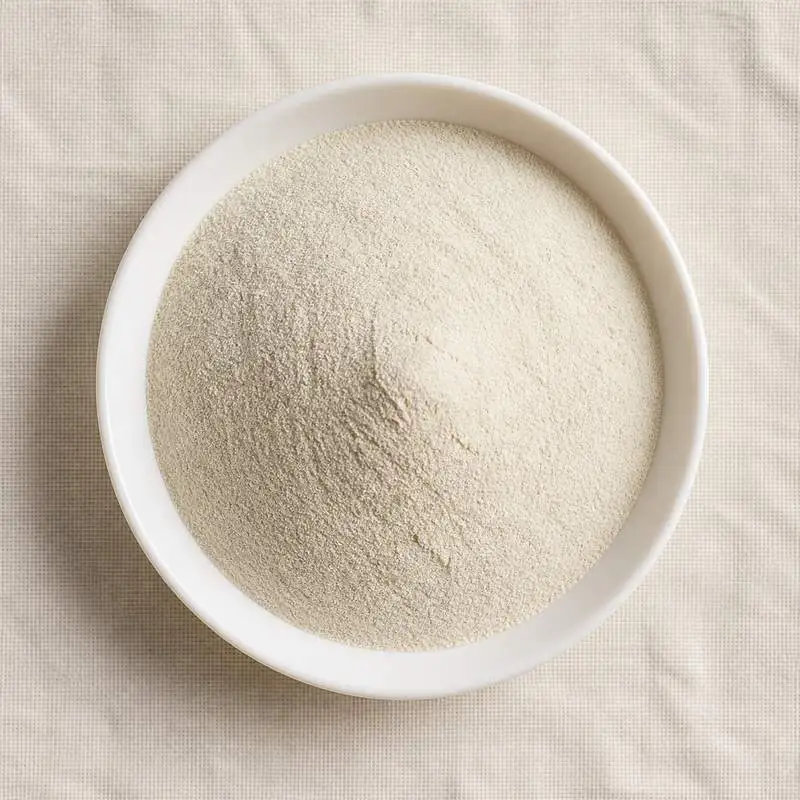
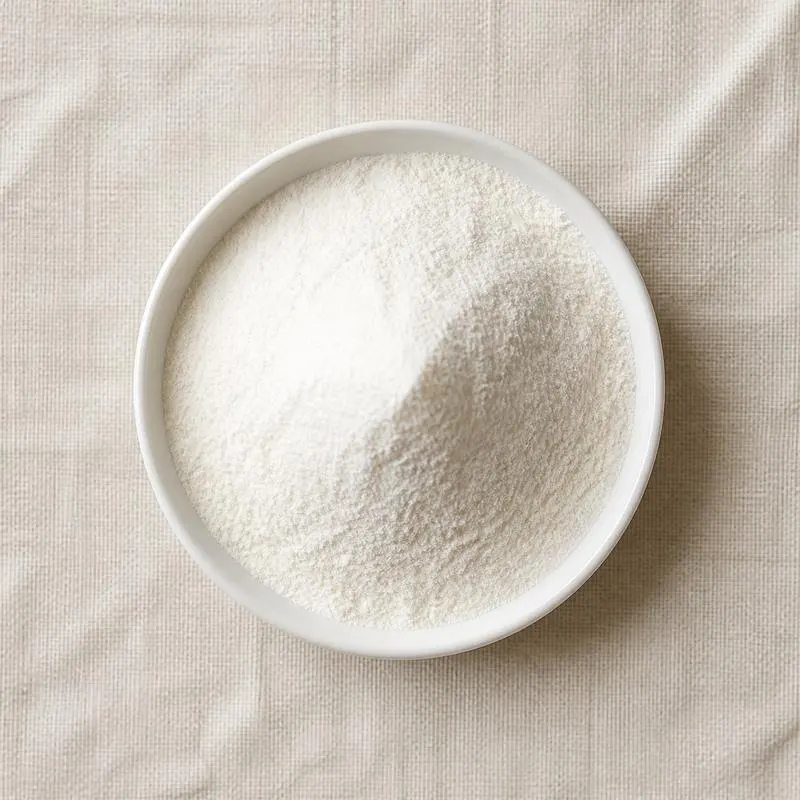
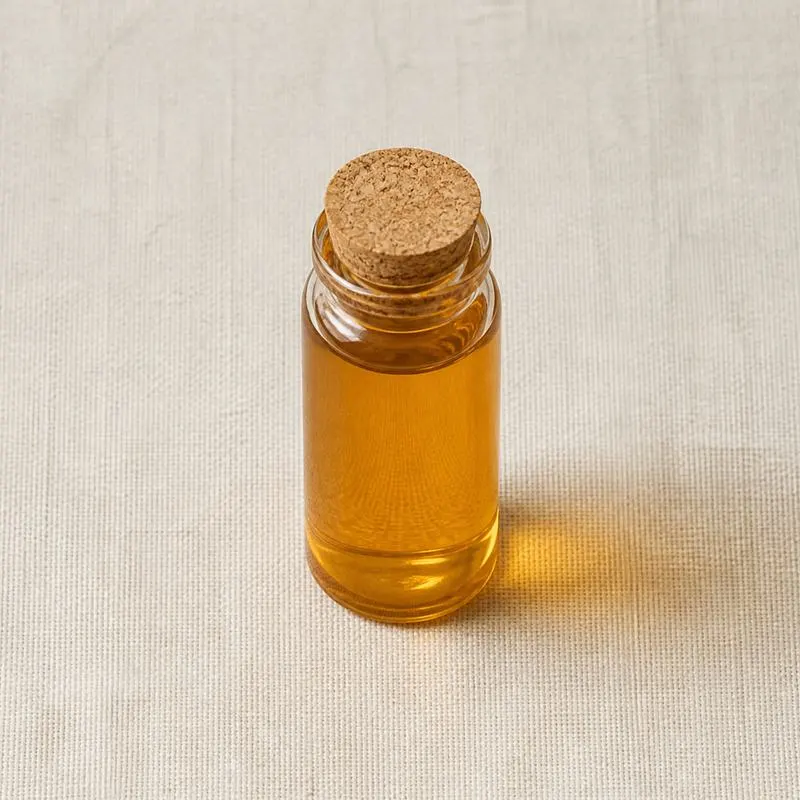
The material is a deep red brown paste, liquid concentrate or spray dried powder, in oil soluble and water dispersible versions, with a strong savoury and fermented aroma. The lightest fermentation esters are volatile and the pungency is not, so the two fractions behave differently in a heated process, and the essence is normally dosed late so that the aroma layer survives.
We source bulk Spicy Paste Essence from top China manufacturers for our partners. The manufacturer is in Hunan. A smaller requirement can ship in a combined container with other ingredients.
Please send the grade you need, the volume and your destination port, and we will come back with a solution and a price.
or call +86-21-6858 0751

- Function
- Flavours and Aromas
Specifications
| Item | Specification |
|---|---|
| Appearance | Deep red brown paste, liquid or free flowing powder |
| Odour and Taste | Characteristic fermented chilli bean paste, savoury and pungent, no sour or mouldy note |
| Identification | Sensory panel and gas chromatography profile conform to retained reference |
| Total Solids, paste grades | Not less than 50% |
| Moisture, powder grades | Not more than 5.0% |
| Total Nitrogen | Not less than 1.5% on dry basis |
| Amino Nitrogen | Not less than 0.5% on dry basis |
| Pungency | Declared in Scoville heat units per grade |
| pH, 10% aqueous solution | 4.5 to 6.0 |
| Lead | Not more than 1.0 mg/kg |
| Arsenic | Not more than 0.5 mg/kg |
| Total Aflatoxins | Not more than 10 microgram/kg |
| Total Plate Count | Not more than 5,000 cfu/g |
| Salmonella | Absent in 25 g |
Common Markets Grades
Grades separate on how much genuinely fermented material the product carries. A concentrated grade is made by evaporating or enzymatically treating real chilli bean paste and building aroma back on top of the residual solids, which supports a natural declaration and carries the most authentic character. A reaction grade builds the profile from hydrolysed vegetable protein, sugars and amino acids with fermented material as a minor component, and a wholly compounded grade uses aroma chemicals alone and is the cheapest, thinnest option.
Format grades cover pastes quoted on total solids, liquid concentrates in an oil or a glycol carrier, and spray dried powders on maltodextrin or salt carriers for dry blending. Pungency is declared separately in Scoville heat units contributed at the recommended dosage, since heat and fermented character are formulated independently. Salt content varies widely and is specified per grade, and reduced sodium, halal, vegetarian and gluten free versions are separately traded, the last mattering because wheat is a common substrate in the underlying fermentation.
Applications
- Instant noodle sachets and seasoning oils in spicy bean paste varieties
- Central kitchen sauces for dishes such as mapo bean curd, twice cooked pork and braised fish
- Retorted ready meals, dosed after sterilisation to restore aroma the heat destroys
- Snack seasonings on crisps, extruded snacks and broad beans in spicy bean paste flavours
- Hotpot and dry pot bases, reinforcing the fermented layer behind the chilli load
- Marinades and tumbling brines for spicy prepared meats
- Sauce and condiment manufacture, standardising batch to batch profile across variable paste supply
- Plant protein products, where fermented savoury depth covers the base note of the protein
- Frozen dumpling and prepared food fillings, blended into the farce
- Dry seasoning blends where a wet fermented paste cannot be used
China Manufacturers of Spicy Paste Essence
Top Spicy Paste Essence manufacturers in China.
Company names and logos are the property of the manufacturers themselves. They are listed here because our own directory records them as producing this ingredient. A listing is not an endorsement by them, and we do not represent them or speak on their behalf.
Regulatory Status
Spicy paste essence is a flavouring rather than a food additive and carries no E number. In the European Union its individual flavouring substances must appear on the Union list of flavouring substances authorised for use in and on foods, and any reaction base falls under the thermal process flavourings provisions of the flavourings framework, which restrict the permitted starting materials, cap the reaction temperature and duration and limit specified process contaminants in the finished flavouring. Chilli extract used as a flavouring is a flavouring preparation, while capsicum or paprika extract used at a level that contributes colour is an additive subject to the colour rules and must be declared as a colour.
In the United States the FEMA GRAS programme clears compounded flavours of this class, while the underlying materials, fermented bean paste, hydrolysed vegetable protein and capsicum oleoresin, are established food ingredients, the last generally recognised as safe under 21 CFR 182.20. Manufacture sits under the preventive controls requirements for human food. Two compliance points recur, the declaration of soy and wheat as allergens where the fermented substrate contains them, and the control of chloropropanols where a savoury base has been made by acid hydrolysis, which are limited in hydrolysed vegetable protein in the European Union and are addressed by a Codex code of practice for their reduction.
Manufacturing Process
Where a fermented base is used, chilli bean paste is treated with a protease or held under controlled conditions to release further peptides and amino acids, then filtered and concentrated under vacuum at low temperature, with the aroma stripped during evaporation captured in a condenser and rectified so that it can be returned rather than lost. Chilli is extracted separately with a solvent or with carbon dioxide to give an oleoresin standardised on capsaicinoid content, which allows pungency to be dosed independently of the fermented fraction.
The roasted layer is generated in a jacketed pressure reactor, where reducing sugars, amino acids, a protein hydrolysate and a fat substrate are cooked through a controlled temperature and time curve to produce the pyrazines, furanones and Strecker aldehydes that give the fried paste character, after which the batch is cooled quickly and neutralised. Compounding then brings the fermented concentrate, the chilli oleoresin, the reaction base, spice extracts and the recovered fermentation distillate together on a formula, with the taste fraction of glutamate, ribonucleotides and yeast extract added where the grade calls for it. Paste and liquid grades are standardised, homogenised and filled under nitrogen, while powder grades are blended with a carrier, homogenised into a feed slurry and spray dried, then sieved and packed with a moisture barrier.