Ten Fragrant And Spicy Oils
Ten fragrant and spicy oil is a compound seasoning oil in which dried chilli and a fixed set of aromatic spices are extracted into a refined vegetable oil, so the finished liquid carries both capsaicin pungency and the volatile aroma of the spice blend.
The carrier is usually rapeseed, soyabean or a blended vegetable oil, chosen because its own flavour is low enough not to compete with the spices. Ground dried chilli supplies the heat and the red colour, while the aromatic fraction comes from a blend that commonly includes star anise, cassia, fennel, Sichuan pepper, bay, clove, sand ginger, cardamom, cumin and dried ginger, the ten components from which the product takes its name. Formulas vary between producers and the count is conventional rather than fixed.
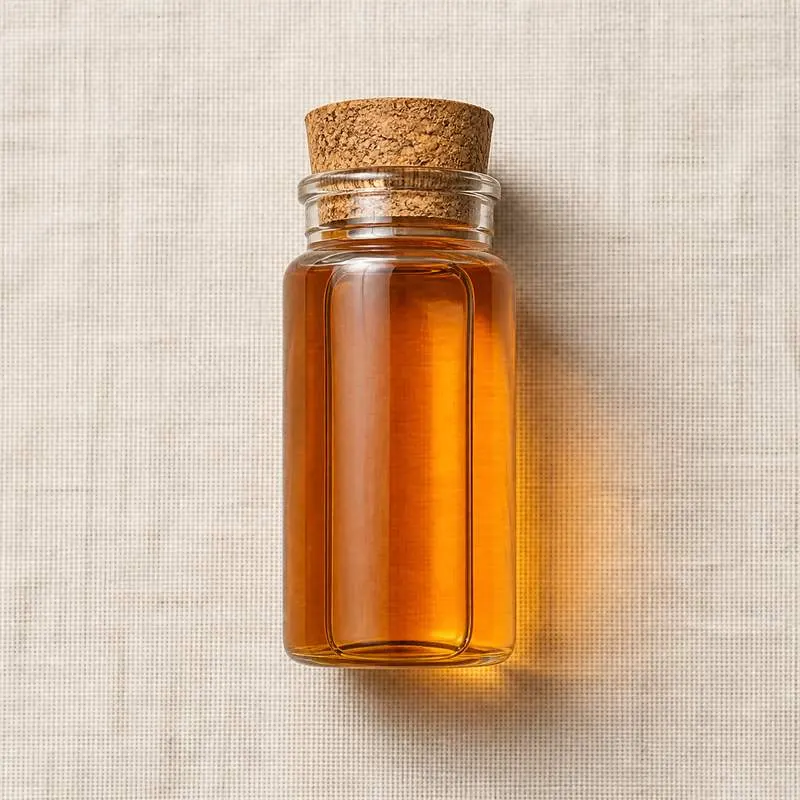
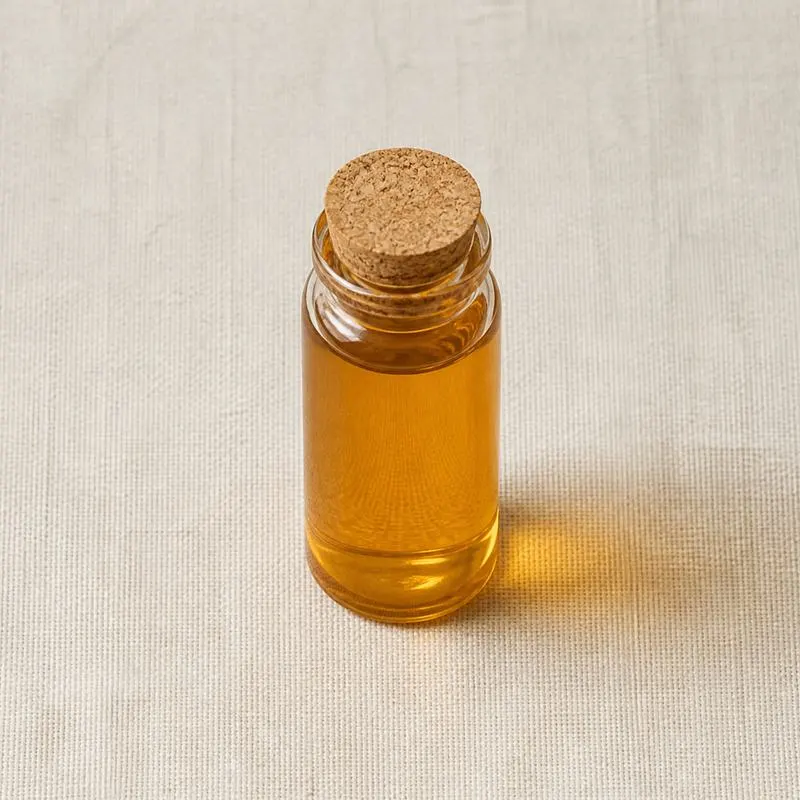
It is a red to reddish brown oily liquid, either clear after filtration or carrying a suspended sediment of chilli and spice particles that has to be redispersed before dosing. The flavour compounds are oil soluble, so the product disperses in fats and emulsions but separates in water. Colour and aroma degrade under light, heat and oxygen, so it is filled into opaque or dark containers and held cool.
We source bulk Ten Fragrant And Spicy Oils from top China manufacturers for our partners. The manufacturer is in Henan. A smaller requirement can ship in a combined container with other ingredients.
Please send the grade you need, the volume and your destination port, and we will come back with a solution and a price.
or call +86-21-6858 0751

- Function
- Flavours and Aromas
Specifications
| Item | Specification |
|---|---|
| Appearance | Red to reddish brown oily liquid |
| Odour and taste | Characteristic spice and chilli aroma, pungent, free of rancid note |
| Pungency | 1,000 to 20,000 Scoville heat units according to grade |
| Acid value | Not more than 3.0 mg KOH/g |
| Peroxide value | Not more than 0.25 g/100 g |
| Moisture and volatile matter | Not more than 0.2% |
| Insoluble impurities | Not more than 0.05% for the filtered grade |
| Refractive index at 40 degrees Celsius | 1.465 to 1.472 |
| Lead | Not more than 0.1 mg/kg |
| Arsenic | Not more than 0.1 mg/kg |
| Benzo a pyrene | Not more than 2 microgram/kg |
| Total plate count | Not more than 1,000 cfu/g |
| Yeast and mould | Not more than 50 cfu/g |
| Salmonella | Absent in 25 g |
Common Markets Grades
Trade divides between a clear filtered oil, from which the solids are removed after extraction, and a sediment style version that retains a fraction of chilli particles in suspension to give visible specks in the finished dish. Both are graded first on pungency, expressed either in Scoville heat units or as a capsaicin content in milligrams per kilogram, with mild, medium and high heat versions spanning the range used in cold dressings through to hotpot bases.
The second point of difference is the carrier oil. Rapeseed versions are standard in Chinese production, while soyabean, sunflower and refined palm olein versions are made where a lighter colour, longer oxidative shelf life or higher smoke point is wanted. Cold extracted versions with a fresher raw chilli note are traded alongside the conventional hot infused type, as are versions in which part of the aroma is restored with metered spice oleoresin after filtration. Because the product is a compound seasoning rather than a single chemical, no assay grade exists.
Applications
- Hotpot and malatang bases, as the aromatic and pungent oil phase blended with beef tallow
- Cold dressed vegetable dishes and noodle sauces, added at the end of the process so the volatile spice aroma survives
- Instant noodle sachets, filled as the separate oil packet that carries both heat and aroma
- Dumpling and wonton dipping oils, either as the finished product or as a base thinned with further oil
- Braised and marinated meats, brushed on after cooking to restore aroma lost during the braise
- Retail bottled chilli oil and spicy sauce lines, as the flavour base before solids and seasoning are added
- Snack seasoning for fried gluten, tofu skin and preserved vegetable products
- Barbecue and skewer basting oils in foodservice
- Frozen ready meals and heat and eat rice bowls, dosed into the sauce so the flavour holds through reheating
China Manufacturers of Ten Fragrant And Spicy Oils
Top Ten Fragrant And Spicy Oils manufacturers in China.

Company names and logos are the property of the manufacturers themselves. They are listed here because our own directory records them as producing this ingredient. A listing is not an endorsement by them, and we do not represent them or speak on their behalf.
Regulatory Status
In the United States a spice infused oil of this kind is treated as a food rather than a food additive, and it is built from components that are themselves generally recognised as safe: refined vegetable oils, spices and chilli. Manufacture and import fall under the preventive controls and foreign supplier verification rules made under the Food Safety Modernization Act, and where the oil is packed in a reduced oxygen or shelf stable form the botulism hazard associated with garlic and herb infused oils has to be addressed in the food safety plan. Labelling follows the ingredient declaration rules of 21 CFR Part 101, under which the aromatic components may be declared collectively as spices.
In the European Union the product sits under the general food law framework, with Regulation (EC) No 1334/2008 applying to any flavouring preparation or spice extract included in the blend and the extraction solvent rules applying to the residues carried by such extracts. It bears no E number, since it functions as a seasoning rather than an additive. Codex maintains commodity standards for the named vegetable oils used as carriers and a code of hygienic practice for spices and dried aromatic herbs, but no standard for the compound oil itself.
Manufacturing Process
Production begins with refined vegetable oil, dried chilli and whole dried spices. The spices are cleaned and lightly crushed to open the tissue, and the oil is heated to a controlled temperature, commonly between 120 and 160 degrees Celsius depending on the aroma profile wanted. The spices are held in the hot oil so that volatile and oil soluble flavour compounds transfer into the fat, then the chilli is added at a lower temperature to draw out capsaicin and pigment without scorching it, since burnt chilli turns the batch bitter and dark.
After extraction the oil is cooled and held so coarse solids settle, then either decanted and plate filtered to a clear liquid or coarsely screened to leave the intended sediment. Some producers replace part of the whole spice infusion with metered spice oleoresins to hold batch to batch aroma constant. The finished oil is standardised for pungency and colour, checked for acid value and peroxide value, blanketed with nitrogen where oxidative stability matters, and filled into drums, pails or bottles.