Virgin Coconut Oil
Virgin Coconut Oil (VCO) is the edible oil obtained from fresh mature coconut kernel of Cocos nucifera by mechanical or natural means, without the use of chemical refining, bleaching, or deodorisation steps.
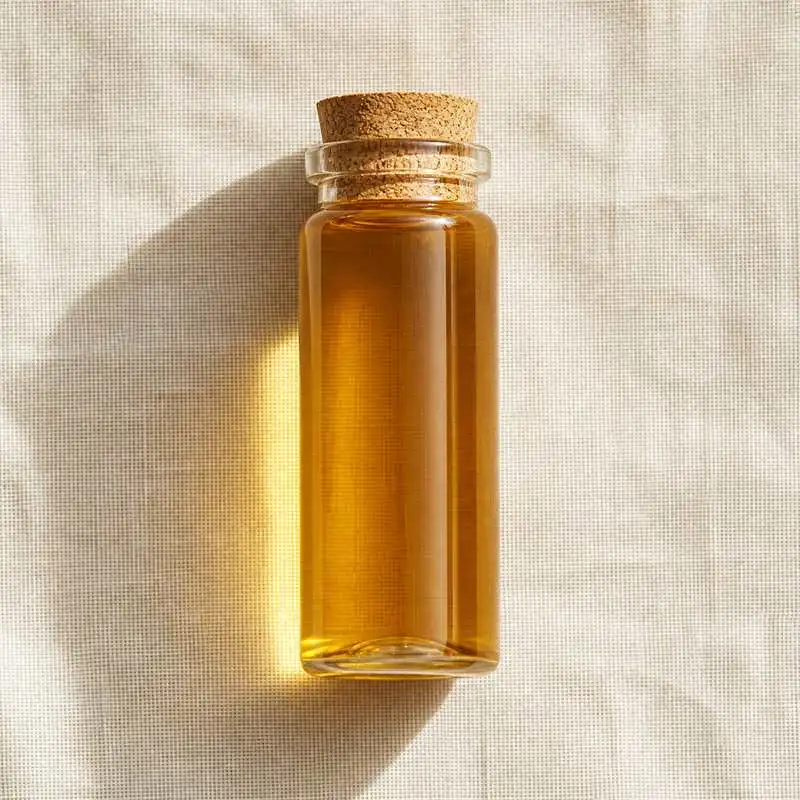
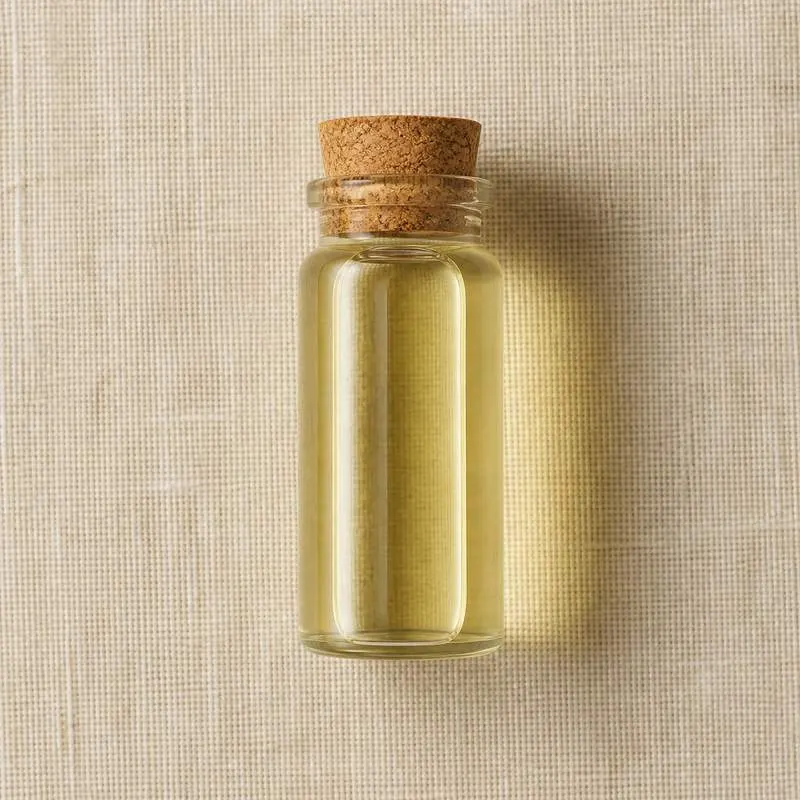
It presents as a colourless to pale yellow liquid above its melting point of around 24 degrees Celsius and a soft white solid below it, with a characteristic sweet coconut aroma absent from refined coconut oil.
We source bulk Virgin Coconut Oil from top China manufacturers for our partners. The manufacturer is in Shandong. A smaller requirement can ship in a combined container with other ingredients.
Please send the grade you need, the volume and your destination port, and we will come back with a solution and a price.
or call +86-21-6858 0751
- Packaging
- 190 kg steel drum or 25 kg jerrican
- ISO 9001
- HACCP
- Halal
- Kosher
Specifications
| Item | Specification |
|---|---|
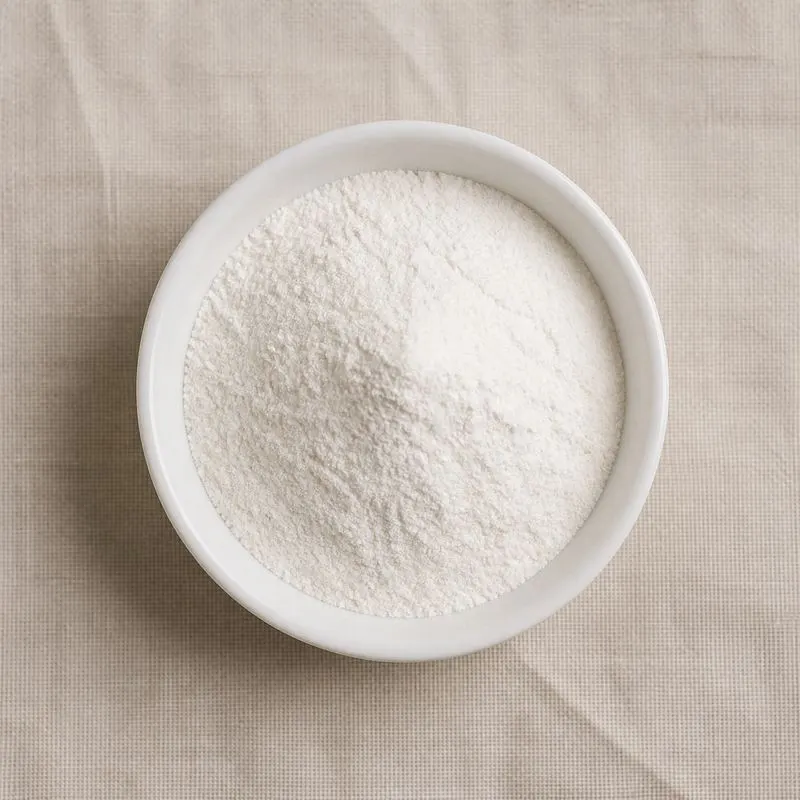
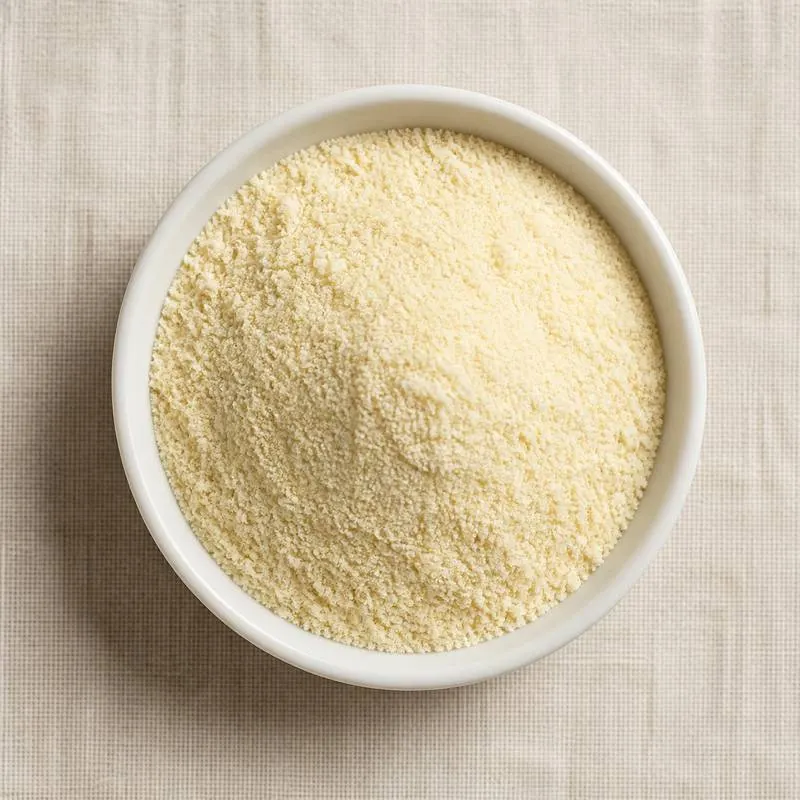
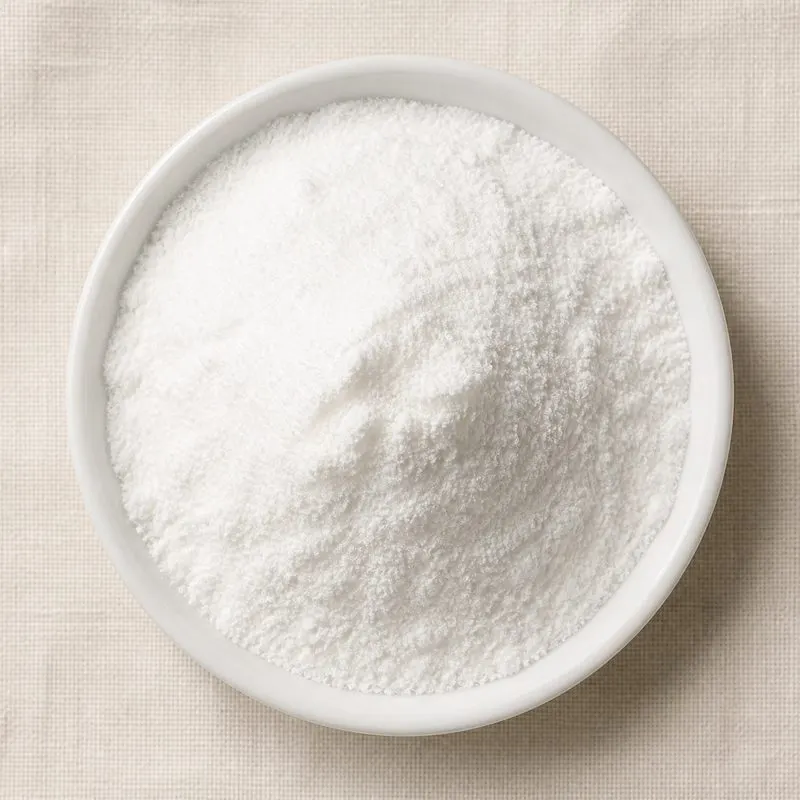
| Appearance | White free-flowing powder |
| Oil Content | ≥ 60% |
| Lauric Acid (in oil) | ≥ 45% |
| Moisture | ≤ 5.0% |
| Peroxide Value | ≤ 5.0 meq/kg |
| Particle Size | 80-100 mesh |
| Total Plate Count | ≤ 10,000 cfu/g |
| Odor and Taste | Slightly specific odor, no foreign odor |
| Acid Value | ≤1.0 mg/g |
| Lead | ≤0.1mg/kg |
| Arsenic | ≤0.1mg/kg |
| B1/Aflatoxin B1 | ≤10.0μg/kg |
| benzopyrene | ≤10.0μg/kg |
| Energy | 2861 |
| Protein | 6.3 |
| Fat | 70.1 |
| Trans fatty acid | 0 |
| Carbohydrate | 0 |
| dietary fiber | 20 |
| Sodium | 91 |
Common Markets Grades
Virgin Coconut Oil is differentiated by the extraction method used to recover oil from fresh kernel rather than from copra.
Cold-pressed VCO is recovered by mechanical expeller pressing of fresh coconut kernel or desiccated fresh kernel at temperatures below 50 degrees Celsius, preserving the full aroma and minor constituent profile.
Centrifuged VCO is produced by centrifugal separation of coconut milk into water, oil, and protein fractions, giving the cleanest flavour and aroma and the lowest free fatty acid content.
Fermented or wet-process VCO uses controlled microbial fermentation of coconut milk to break the emulsion and release oil, traditional in the Philippines and Sri Lanka.
Organic-certified VCO is widely available under USDA NOP and EU organic standards, and Fairtrade certification is increasingly offered for South Pacific and Sri Lankan origins.
Pharmaceutical-grade VCO meets monograph requirements where applicable and is produced for nutraceutical and topical pharmaceutical use.
Applications
- Direct culinary use in cooking, baking, and finishing applications
- Spreads, dressings, and dairy-alternative formulations
- Plant-based ice cream, yogurt, and cheese analogues
- Energy bars, granolas, and snack inclusions
- Infant food and complementary feeding products
- Dietary supplements positioned for medium-chain fatty acid intake
- Cosmetic skincare creams, body butters, lotions, and lip balms
- Haircare conditioners, masks, and styling products
- Massage oils, bath products, and natural personal care
- Oral care including oil-pulling preparations and toothpastes
Brands Using Virgin Coconut Oil
Widely-distributed consumer products that list Virgin Coconut Oil on the ingredient label.
- NutivaOrganic Virgin Coconut Oil ↗Listed: 'Organic Unrefined Cold-Pressed Virgin Coconut Oil.'Label verified 2026-05-24
- Dr. Bronner'sOrganic Whole Kernel Virgin Coconut Oil ↗Listed: 'Regenerative Organic Certified Virgin Coconut Oil*' (single ingredient, fair trade).Label verified 2026-05-24
- Viva NaturalsOrganic Extra Virgin Coconut Oil ↗Single-ingredient extra-virgin organic unrefined coconut oil; nothing else added per product page.Label verified 2026-05-24
- SheaMoisture100% Virgin Coconut Oil Daily Hydration Body Oil ↗Ingredients include 'Cocos Nucifera (Coconut) Oil' in a 100% Virgin Coconut Oil branded line.Label verified 2026-05-24
Brand names, product names and logos are the property of their owners. They appear here as published evidence that the ingredient is used, taken from the brand's own label or website. Their appearance is not an endorsement, and it does not mean the brand buys from us or from any manufacturer listed on this site.
China Manufacturers of Virgin Coconut Oil
Top Virgin Coconut Oil manufacturers in China.

Company names and logos are the property of the manufacturers themselves. They are listed here because our own directory records them as producing this ingredient. A listing is not an endorsement by them, and we do not represent them or speak on their behalf.
How We Help Source Virgin Coconut Oil
Direct Factory Sourcing
We run the whole process: selecting the manufacturer from the top Chinese food ingredient producers, negotiating the price, verifying quality, and coordinating the logistics. You deal with us instead of with several factories at once.
Original Packaging and Documents from the Manufacturer
The manufacturer sends your Virgin Coconut Oil out of its own factory in the original packing, through to your destination port. The COA, COO, MSDS, TDS and any certifications reach you from the manufacturer as well.
Free Samples and Lead Time
We send 100 to 500 g free for your own laboratory to test and you cover only the courier, usually within 2 to 3 working days. ETD is usually within 7 to 15 days once the order is confirmed, and we check that date against the factory's own manufacturing schedule before we give it to you.
Combined Shipment
We can load Virgin Coconut Oil together with other ingredients such as DHA, DHA Algal Oil and Mct into one 20' FCL. If your quantity is small, we can also ship LCL.
Regulatory Status
Virgin Coconut Oil is recognised as a food across all major jurisdictions.
The Codex Alimentarius standard for named vegetable oils (CXS 210-1999) includes virgin coconut oil with defined compositional limits, and the Asian and Pacific Coconut Community (APCC) maintains a widely referenced standard specifying fresh kernel origin, mechanical or natural extraction, and the absence of chemical refining.
In the European Union VCO falls under general food law and Regulation (EU) 1169/2011 for labelling.
The U.S. Food and Drug Administration treats coconut oil as a conventional food, and the U.S. Pharmacopeia carries monographs for Coconut Oil and for Refined Coconut Oil used as pharmaceutical excipients.
Sustainability certifications commonly available include USDA NOP and EU organic, Fairtrade, Rainforest Alliance, and Fair for Life, with halal and kosher certifications routinely offered.
Manufacturing Process
Production starts with mature coconuts harvested 11 to 12 months after pollination, principally from the Philippines, Indonesia, India, Sri Lanka, Thailand, and the South Pacific.
The coconuts are dehusked, split, and the white kernel separated from the shell and brown testa within hours of opening to prevent enzymatic and microbial degradation.
For the wet route, fresh kernel is grated and pressed with water to yield coconut milk, which is then separated into oil, cream, and skim by centrifugation, fermentation, or controlled heating.
For the dry route, fresh kernel is mechanically dried at low temperature (below 60 degrees Celsius) to produce high-grade desiccated coconut, which is then expeller-pressed to recover the oil at temperatures kept below 50 degrees Celsius.
The crude virgin oil is filtered through polishing filters to remove residual moisture and fine particles and is packed without further bleaching, deodorisation, or alkali treatment, preserving the native aroma and minor constituents.