Coconut Oil
Coconut oil is the fat extracted from the kernel of the mature coconut, Cocos nucifera. It is unusual among plant oils in being highly saturated, around 90 percent of its fatty acids, and in being dominated by medium chain fatty acids: roughly 45 to 53 percent lauric acid together with myristic, caprylic and capric acids, with only small amounts of oleic and linoleic acid.
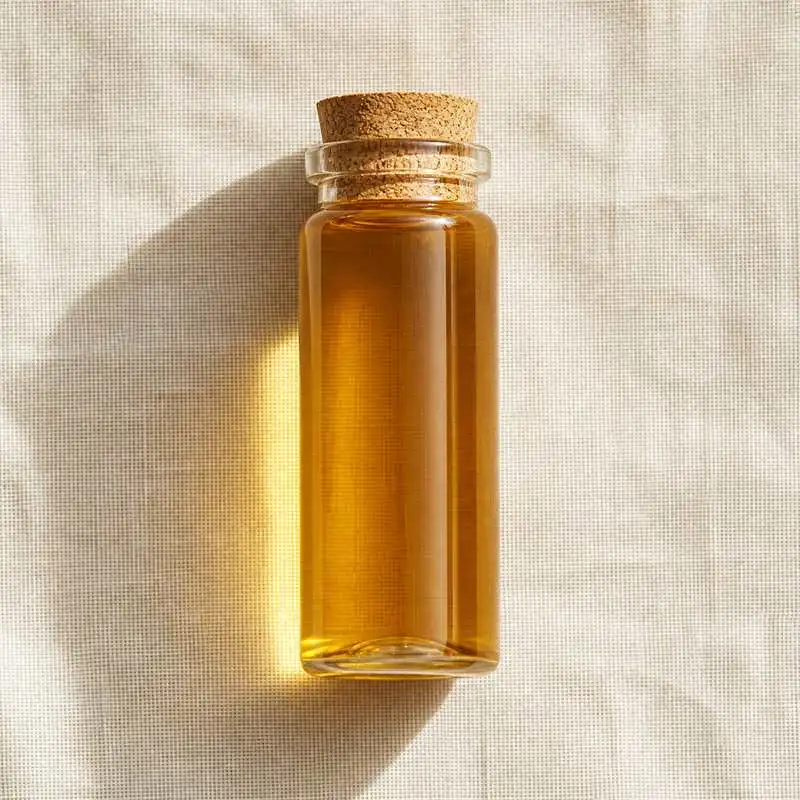
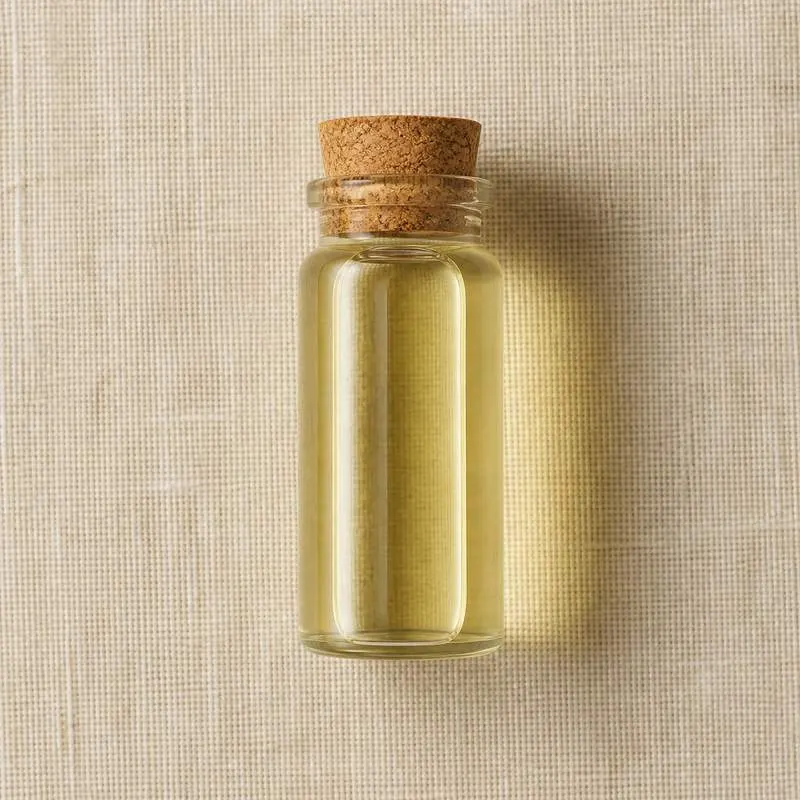
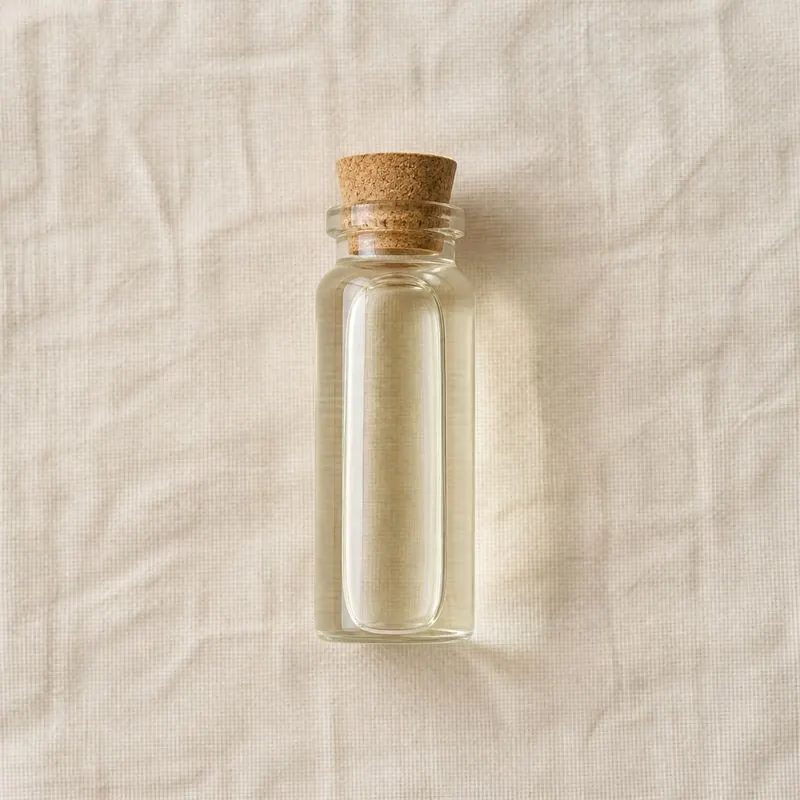
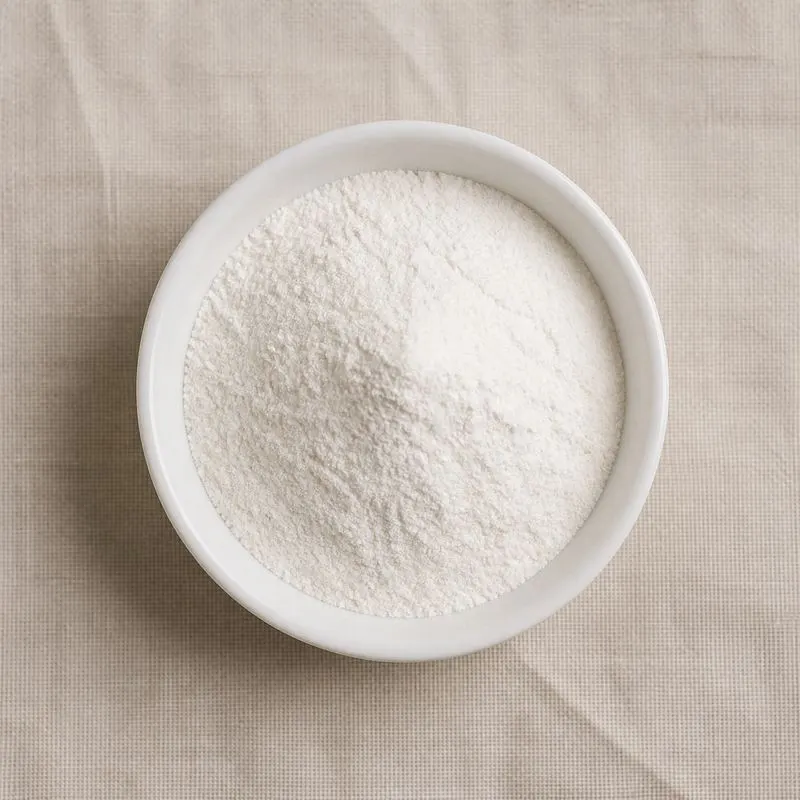
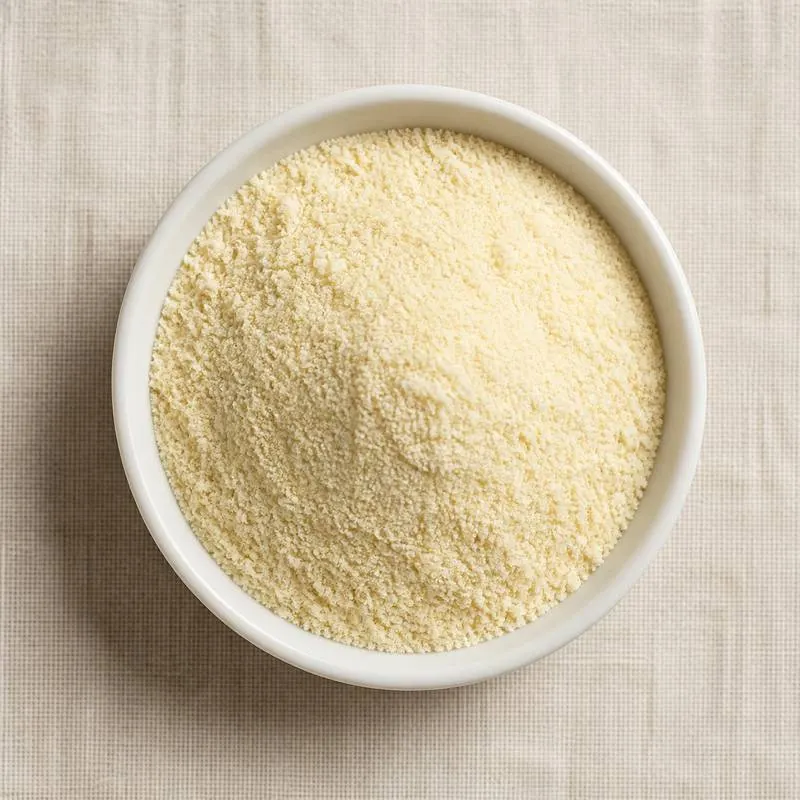
That composition gives it a sharp melting profile. The oil is a white solid below about 24 degrees Celsius and a clear colourless liquid above about 26, with almost the whole transition occurring across those two degrees, which is why it feels hard at room temperature in a temperate warehouse and pours freely in a tropical one. The narrow melting range is what makes it useful in coatings and centre fillings, where a fast, clean melt is wanted.
Because it carries so few double bonds, coconut oil is much more resistant to oxidative rancidity than unsaturated oils and has a long shelf life without added antioxidants. Its characteristic spoilage route is hydrolytic instead: moisture and lipase activity release free lauric and capric acid, giving a soapy off flavour. It is insoluble in water, miscible with other fats and oils, and its smoke point depends on refining, with virgin oil smoking well below refined.
We source bulk Coconut Oil from top China manufacturers for our partners. The manufacturer is in Shandong. A smaller requirement can ship in a combined container with other ingredients.
Please send the grade you need, the volume and your destination port, and we will come back with a solution and a price.
or call +86-21-6858 0751
- Function
- Specialty oil
Specifications
| Item | Specification |
|---|---|
| Appearance | White solid below 24 C, clear colourless liquid above 26 C |
| Odour and Taste | Neutral for refined grade, free from rancid notes |
| Lauric Acid (C12:0) | 45.0 to 53.0% |
| Myristic Acid (C14:0) | 16.0 to 21.0% |
| Identification | Conforms by gas chromatography fatty acid profile |
| Free Fatty Acids (as lauric) | ≤ 0.1% |
| Peroxide Value | ≤ 1.0 meq/kg |
| Moisture and Volatiles | ≤ 0.1% |
| Insoluble Impurities | ≤ 0.05% |
| Iodine Value | 6.3 to 10.6 |
| Saponification Value | 248 to 265 mg KOH/g |
| Unsaponifiable Matter | ≤ 1.5% |
| Colour (Lovibond 5.25 inch) | ≤ 1.5 red |
| Slip Melting Point | 23 to 26 C |
| Lead | ≤ 0.1 mg/kg |
| Arsenic | ≤ 0.1 mg/kg |
| Soap Content | ≤ 0.005% |
Common Markets Grades
The primary split is between refined and virgin. Refined, bleached and deodorised coconut oil is made from copra, the sun or kiln dried kernel, and is a neutral, colourless, odourless fat sold as the industrial and food manufacturing grade. Virgin coconut oil is pressed from fresh kernel or coconut milk without high heat or chemical refining, retains the coconut aroma and a small polyphenol fraction, and is sold at a premium for direct consumption and cosmetic use.
Within the refined line, further grades include hydrogenated coconut oil with a raised melting point for confectionery coatings, fractionated coconut oil in which the lauric and longer fractions have been crystallised out to leave a permanently liquid caprylic and capric triglyceride, and organic certified material in both refined and virgin forms. Technical grade oil, specified only on free fatty acid and moisture, goes into soap and oleochemical manufacture. Free fatty acid content, moisture and impurities, and colour are the parameters that set the commercial value of a crude parcel.
Applications
- Confectionery coatings and compound chocolate, where the sharp melting profile gives a clean bite and rapid set
- Biscuit and cracker doughs and cream fillings, as a hard fat that stays firm at ambient temperature
- Non dairy creamers and whipped toppings, as the fat phase in a spray dried or aerated emulsion
- Frying fats in snack manufacture, where oxidative stability extends fry life
- Margarine and shortening blends, contributing hardness without hydrogenation
- Infant formula fat blends, as the source of lauric and medium chain fatty acids
- Cosmetics, soaps and personal care, as an emollient and as the feedstock for lauric based surfactants
- Oleochemical manufacture of fatty alcohols, fatty acids and medium chain triglycerides
- Direct culinary use, particularly the virgin grade in southeast Asian and south Indian cooking
- Animal feed fats, as a dense energy source in milk replacers and specialty diets
Brands Using Coconut Oil
Widely-distributed consumer products that list Coconut Oil on the ingredient label.
- NutivaOrganic Virgin Coconut Oil ↗Single-ingredient cooking oil whose label reads organic unrefined cold-pressed virgin coconut oil, cold-pressed from fresh coconuts.Label verified 2026-08-31
- Dr. Bronner'sOrganic Whole Kernel Virgin Coconut Oil ↗Food and body coconut oil listing Regenerative Organic Certified virgin coconut oil as its only ingredient, pressed from dried whole coconut kernels.Label verified 2026-08-31
Brand names, product names and logos are the property of their owners. They appear here as published evidence that the ingredient is used, taken from the brand's own label or website. Their appearance is not an endorsement, and it does not mean the brand buys from us or from any manufacturer listed on this site.
China Manufacturers of Coconut Oil
Top Coconut Oil manufacturers in China.

Company names and logos are the property of the manufacturers themselves. They are listed here because our own directory records them as producing this ingredient. A listing is not an endorsement by them, and we do not represent them or speak on their behalf.
Regulatory Status
In the United States, coconut oil is a common food fat used on the basis of common use in food, and it appears among the substances affirmed or generally recognised as safe for use in food. The FDA treats coconut as a tree nut for allergen labelling purposes, so it must be declared accordingly even though it is botanically a drupe. Products making claims about medium chain triglyceride content must ensure those claims are substantiated and are not disease claims.
In the European Union, coconut oil is a food rather than an additive and carries no E number. It falls within the general food law and the contaminants framework, which sets limits on substances such as polycyclic aromatic hydrocarbons and process contaminants including glycidyl esters and 3-monochloropropanediol esters in refined vegetable oils, and refining conditions are managed to keep these within the limits. Coconut is not on the EU list of allergens requiring emphasis. Codex has adopted a standard for named vegetable oils which covers coconut oil and sets its fatty acid composition ranges, quality criteria and permitted additives, and the Codex standard for edible fats and oils not covered by individual standards applies to the general quality parameters.
Manufacturing Process
The refined route starts from copra. Mature coconuts are split and the kernel is dried in the sun or in kiln driers to below about 6 percent moisture. The dried copra is cleaned, flaked, cooked and pressed in expellers, which recovers most of the oil and leaves a cake that is usually solvent extracted with hexane to bring residual oil down to a few percent. The crude oil from both streams is combined and refined: degumming or acid pretreatment removes phospholipids and metals, alkali neutralisation strips free fatty acids as a soapstock, bleaching earth removes colour bodies and oxidation products, and steam deodorisation under vacuum at 200 to 240 degrees Celsius removes the remaining odour and flavour compounds. The finished oil is filtered and stored warm under nitrogen.
Virgin oil is made differently and never sees these steps. Fresh kernel is either dried gently and cold pressed, or grated and pressed into coconut milk which is then separated into oil and water by centrifugation, controlled fermentation or gentle heating. The recovered oil is filtered and packed without alkali refining, bleaching or deodorisation, which is why it retains the aroma and the minor components that define the grade.