Watermelon Seed Protein
Watermelon Seed Protein is a plant protein concentrate or isolate produced from defatted seeds of Citrullus lanatus, with typical protein content between 55 and 75 percent on a dry basis.
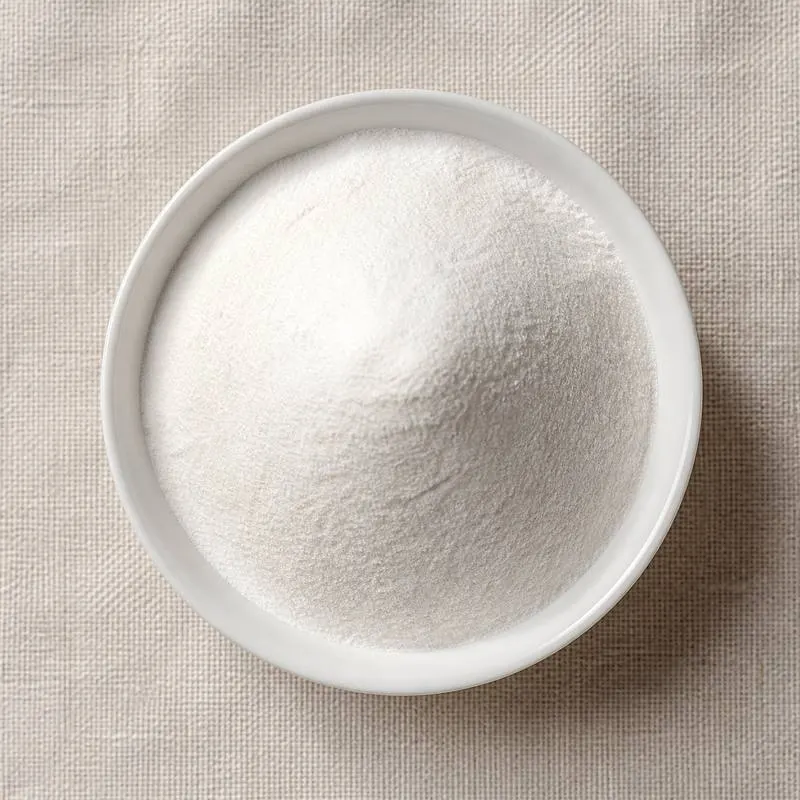
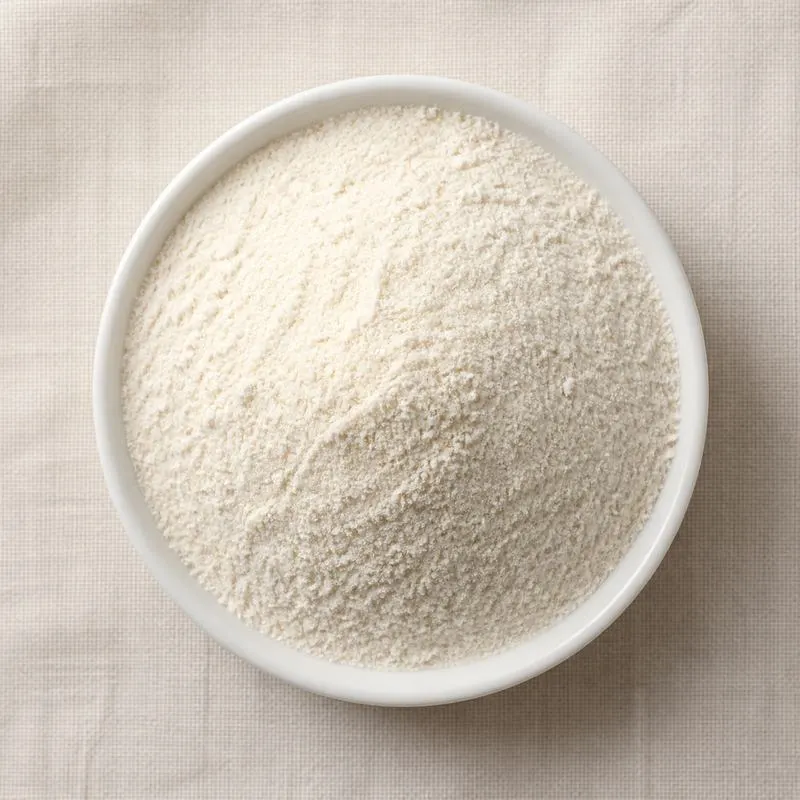
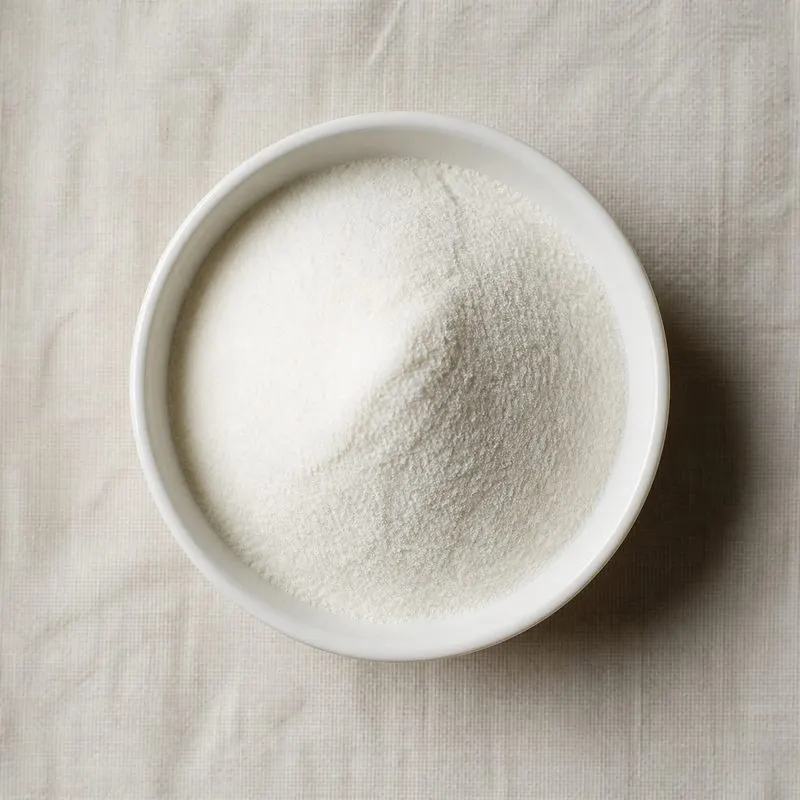
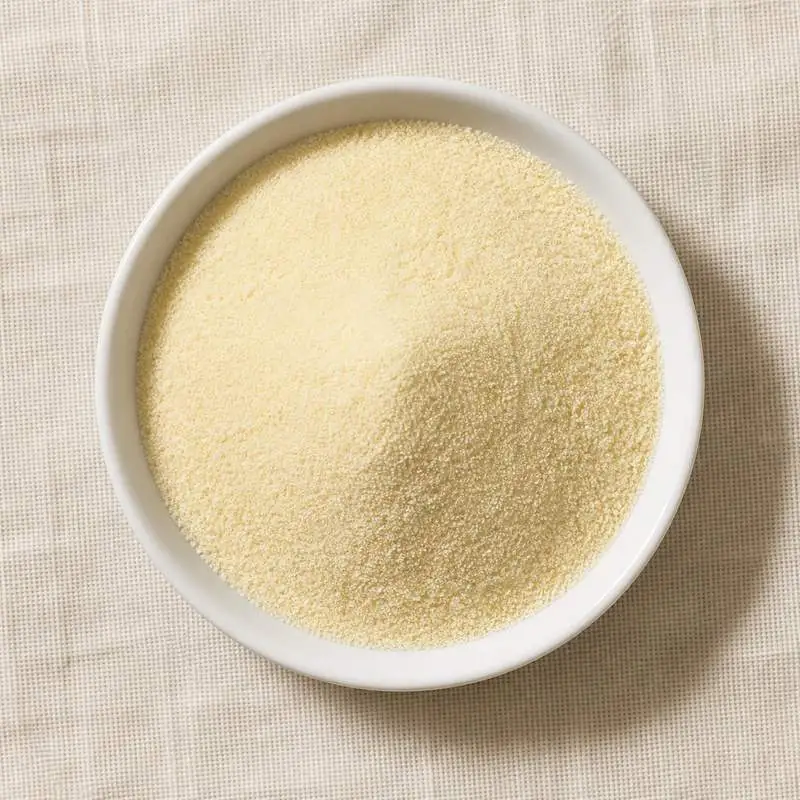
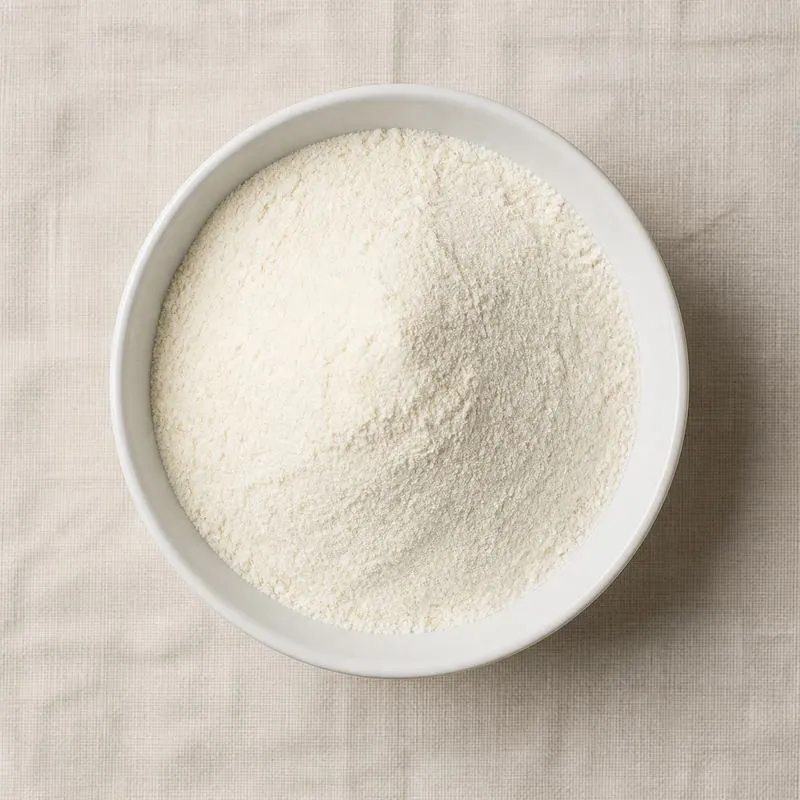
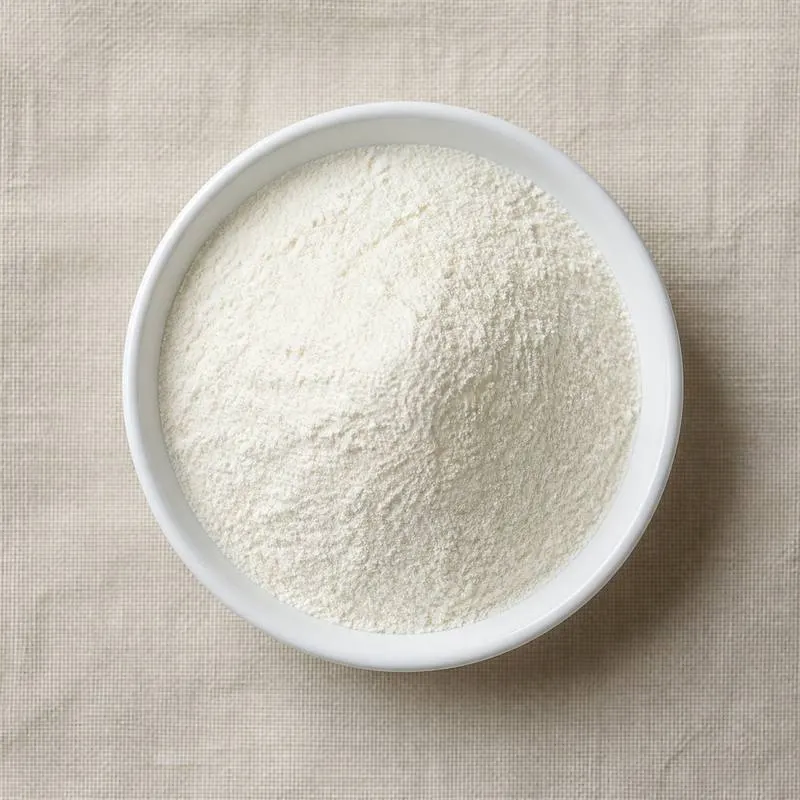
The powder is pale beige to light cream, carries a soft neutral flavour, and is one of the few hypoallergenic plant proteins suitable for sensitive consumer panels.
It is rich in arginine, glutamic acid, and aspartic acid, with a generally balanced essential amino acid profile.
We source bulk Watermelon Seed Protein from top China manufacturers for our partners. The manufacturer is in Liaoning. A smaller requirement can ship in a combined container with other ingredients.
Please send the grade you need, the volume and your destination port, and we will come back with a solution and a price.
or call +86-21-6858 0751
- Packaging
- 25 kg kraft paper bag with PE inner liner
- ISO 9001
- HACCP
- Halal
- Kosher
Specifications
Grades / Types Available: food grade, feed grade
| Item | Specification |
|---|---|
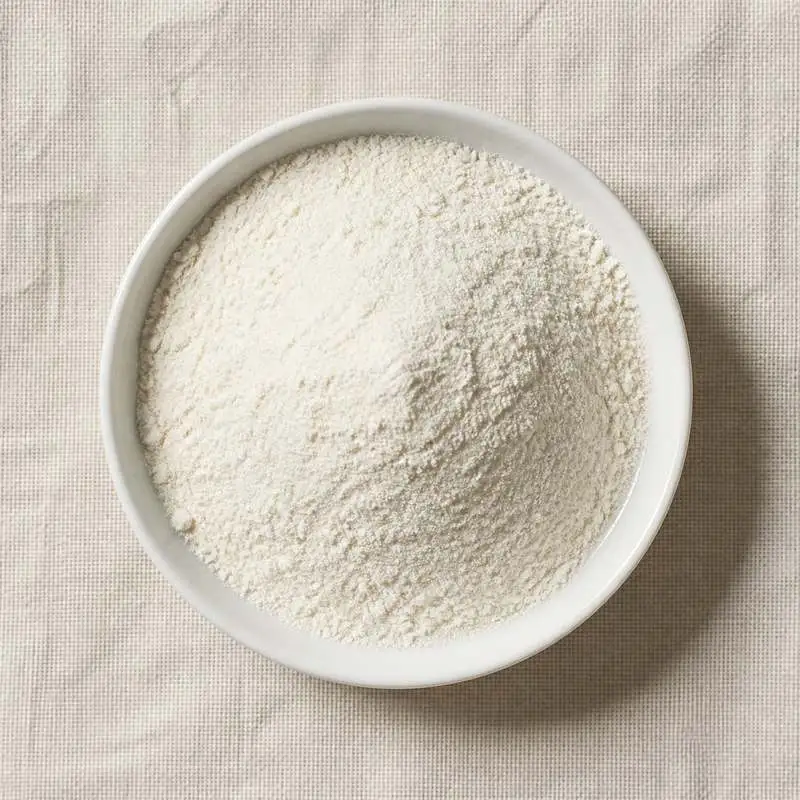
| Appearance | Light beige fine powder |
| Protein (dry basis) | ≥ 50% |
| Moisture | ≤ 8.0% |
| Fat | ≤ 10% |
| Ash | ≤ 7.0% |
| Particle Size | 80 mesh |
| Total Plate Count | ≤ 10,000 cfu/g |
| Salmonella | Absent in 25g |
| Purity (Food Grade) | > 50% |
| Moisture/Loss on Drying | < 8% |
| pH | 6.0 - 8.0 |
| Particle Size/Mesh | 80 mesh |
| Heavy Metals | < 10 ppm |
| Lead | < 0.5 ppm |
| Arsenic | < 0.5 ppm |
| Yeast & Mold | < 100 cfu/g |
Common Markets Grades
Watermelon Seed Protein is graded by protein content and processing path.
The 55 to 60 percent concentrate is produced for general nutrition and bakery use where cost efficiency matters more than protein density.
The 65 to 70 percent grade is the most common commercial offering and suits sports drinks, meal-replacement powders, and protein bars.
The 75 percent isolate is produced by a smaller number of suppliers for premium and clinical nutrition products.
Organic-certified and raw cold-pressed grades are produced from seeds grown in West Africa, India, and parts of China.
Mesh sizes of 100 and 200 are standard, with finer mesh preferred for ready-to-drink beverage formats.
Applications
- Vegan protein powders for direct-to-consumer wellness brands
- Allergen-friendly meal replacement and weight-management beverages
- Protein bars and energy bars for clean-label and hypoallergenic positioning
- Ready-to-drink protein beverages and dairy-free smoothies
- Bakery applications including breads, muffins, and cookies for protein enrichment
- Plant-based meat analogues as a soy-free protein source
- Breakfast cereals, granola, and instant oat mixes
- Infant and toddler nutrition powders in select markets
- Sports recovery blends, often combined with pea or rice protein
- Pet nutrition for novel-protein and limited-ingredient diets
- Functional foods targeting cardiovascular and muscle support
Brands Using Watermelon Seed Protein
Widely-distributed consumer products that list Watermelon Seed Protein on the ingredient label.
Brand names, product names and logos are the property of their owners. They appear here as published evidence that the ingredient is used, taken from the brand's own label or website. Their appearance is not an endorsement, and it does not mean the brand buys from us or from any manufacturer listed on this site.
China Manufacturers of Watermelon Seed Protein
Top Watermelon Seed Protein manufacturers in China.

Company names and logos are the property of the manufacturers themselves. They are listed here because our own directory records them as producing this ingredient. A listing is not an endorsement by them, and we do not represent them or speak on their behalf.
How We Help Source Watermelon Seed Protein
Direct Factory Sourcing
We run the whole process: selecting the manufacturer from the top Chinese food ingredient producers, negotiating the price, verifying quality, and coordinating the logistics. You deal with us instead of with several factories at once.
Original Packaging and Documents from the Manufacturer
The manufacturer sends your Watermelon Seed Protein out of its own factory in the original packing, through to your destination port. The COA, COO, MSDS, TDS and any certifications reach you from the manufacturer as well.
Free Samples and Lead Time
We send 100 to 500 g free for your own laboratory to test and you cover only the courier, usually within 2 to 3 working days. ETD is usually within 7 to 15 days once the order is confirmed, and we check that date against the factory's own manufacturing schedule before we give it to you.
Combined Shipment
We can load Watermelon Seed Protein together with other ingredients such as Collagen Peptide, Soy Protein Isolate and Fish Collagen Peptide into one 20' FCL. If your quantity is small, we can also ship LCL.
Regulatory Status
Watermelon Seed Protein is regulated as a conventional food ingredient in the United States, the European Union, China, and most Asian markets.
It is not classified as a Novel Food in the European Union when sourced from Citrullus lanatus seeds that have a documented history of consumption.
Self-affirmed GRAS status is the typical regulatory route for US food-use applications.
Organic certification under USDA NOP and EU 2018/848 is produced for material from certified farms.
The ingredient is naturally vegan, gluten-free, and non-GMO. Allergen labelling is not required in major jurisdictions. Kosher and Halal certifications are widely available.
Manufacturing Process
Watermelon seeds are sourced largely from West African producing countries, particularly Nigeria and Ghana, where the seeds (locally called egusi) are a traditional food. India, Egypt, and China supply additional volume.
The seeds are cleaned, often dehulled, and pressed mechanically to extract watermelon seed oil. The press cake holds 35 to 50 percent protein and serves as the feedstock.
For concentrate production, the cake is milled, sieved, and standardised for protein content.
For isolate production, the cake undergoes water or mild alkaline extraction, followed by isoelectric precipitation near pH 4.5, washing, neutralisation, and spray-drying.
Low-temperature processing is used to preserve the soft beige colour and neutral flavour that distinguish watermelon seed protein from other plant isolates.