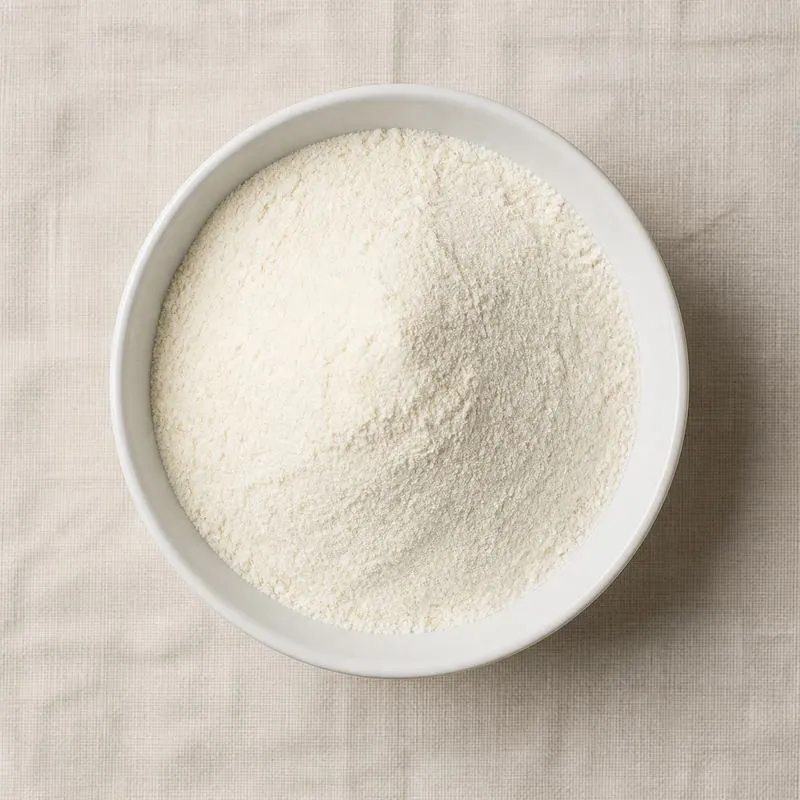
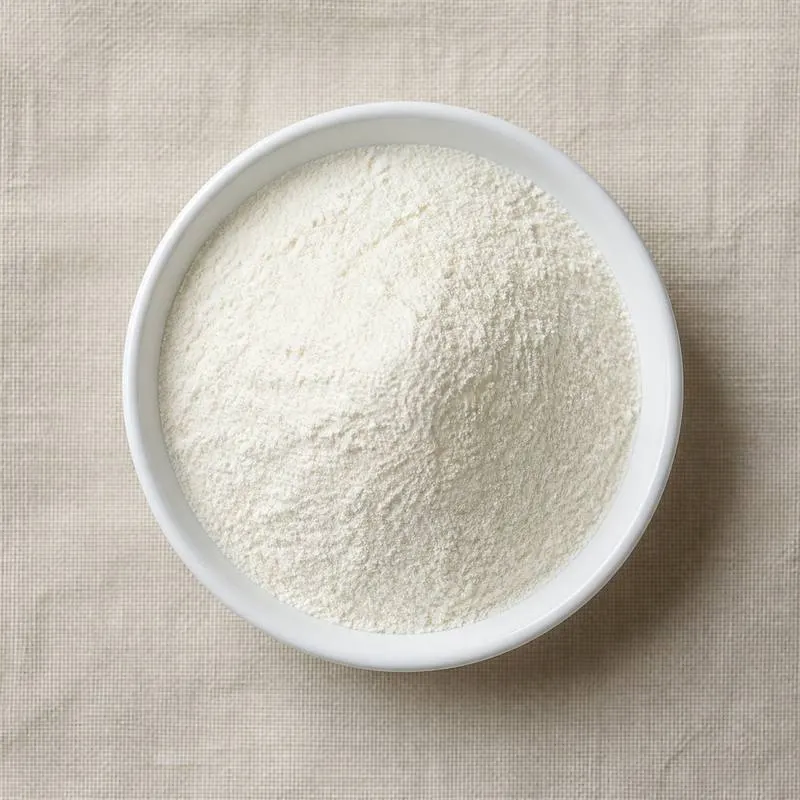
Rice Protein
Rice Protein is a plant-based protein concentrate produced from brown rice or rice endosperm, typically standardised to 80 percent protein on a dry basis.
It is valued in food, beverage, and sports-nutrition formulations as a hypoallergenic alternative to dairy and soy proteins. The amino acid profile is rich in cysteine and methionine and complements pulse proteins well.
We source bulk Rice Protein from top China manufacturers for our partners, working with several of them. The manufacturers are in Jiangxi and Jiangsu. For this ingredient the minimum order is 500 kg, and a smaller requirement can ship in a combined container with other ingredients.
Please send the grade you need, the volume and your destination port, and we will come back with a solution and a price.
or call +86-21-6858 0751
- Minimum order
- 500 kg
- Packaging
- 25 kg kraft paper bag with PE inner liner
- Function
- Protein
- ISO 9001
- HACCP
- Halal
- Kosher
Specifications
| Item | Specification |
|---|---|
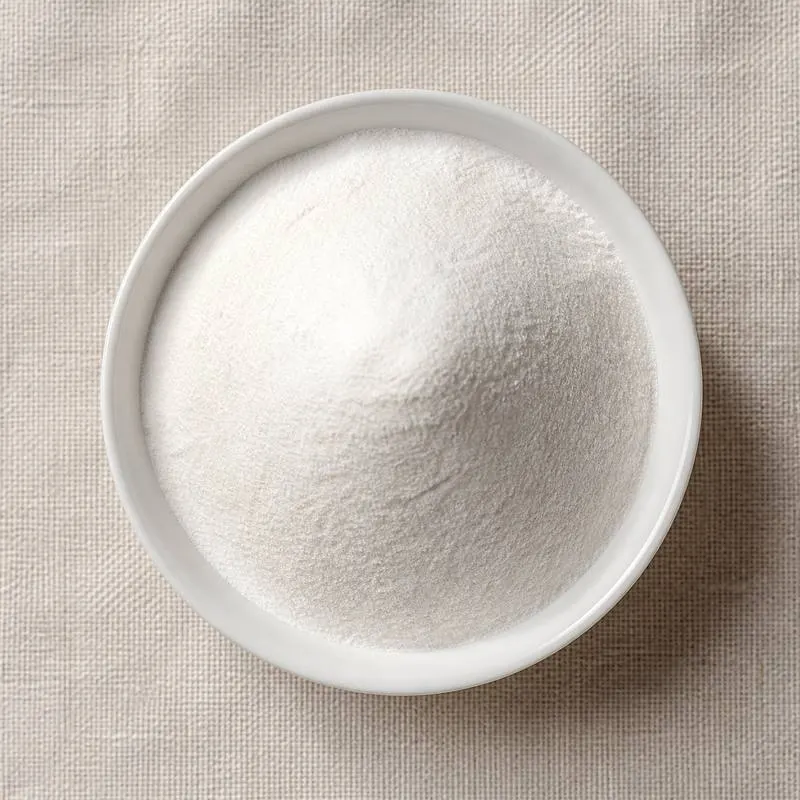
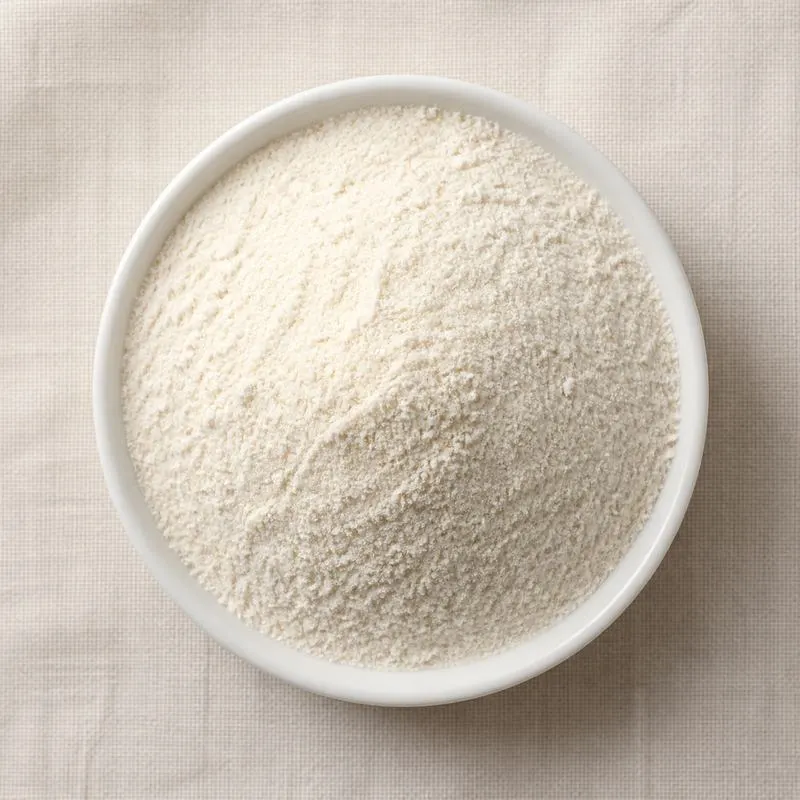
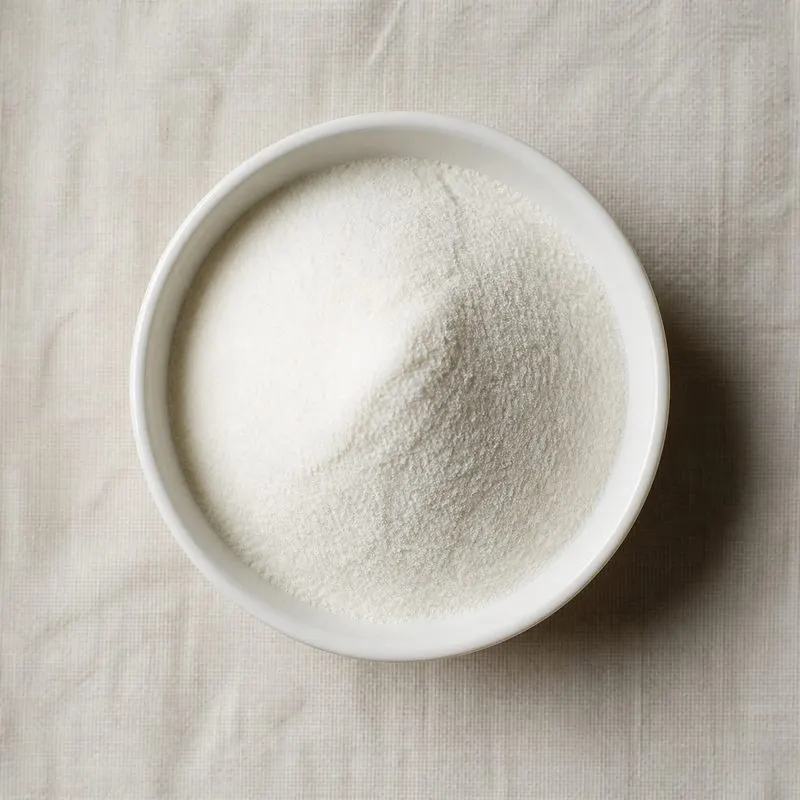
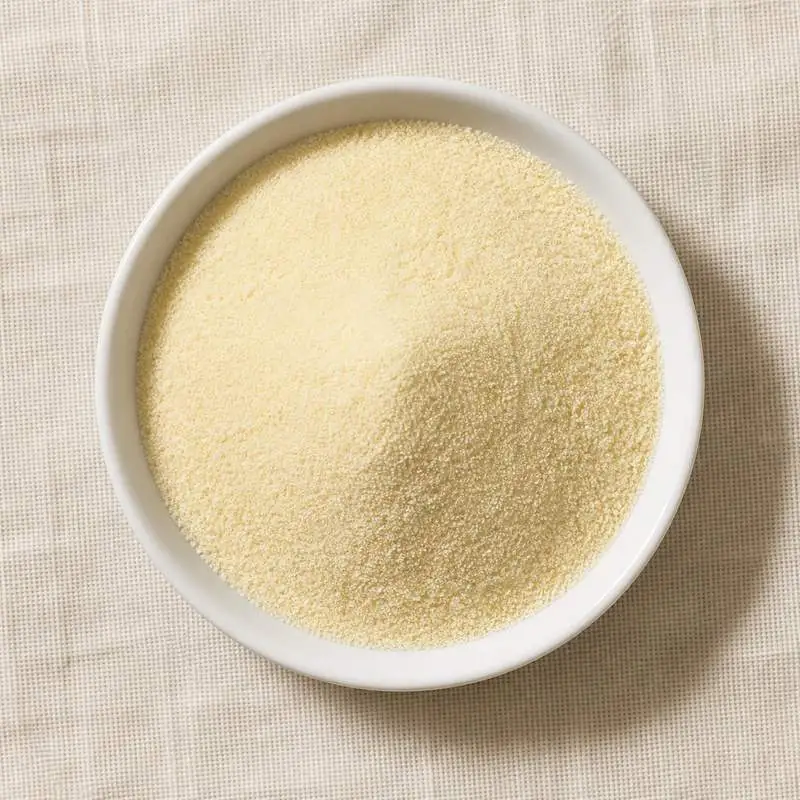
| Appearance | Light yellow to off-white free-flowing powder with a mild cereal odour |
| Protein (N × 5.95, dry basis) | ≥ 80.0% |
| Moisture | ≤ 8.0% |
| Crude Fat | ≤ 5.0% |
| Crude Fibre | ≤ 3.0% |
| Ash | ≤ 5.0% |
| Solubility | Readily dispersible in water; suspension viscosity ≤ 100 mPa.s at 10% and 25 °C |
| pH (10% suspension) | 6.0 to 7.0 |
| Particle Size | 100% through 80 mesh |
| Heavy Metals (as Pb) | ≤ 10 mg/kg |
| Arsenic (inorganic, as As) | ≤ 0.5 mg/kg |
| Total Plate Count | ≤ 1,000 cfu/g |
| Yeast and Mould | ≤ 100 cfu/g |
| E. coli | Negative/g |
| Salmonella | Negative/25g |
Common Markets Grades
Rice Protein is graded by source fraction, protein assay, and functional treatment.
The mainstream sports-nutrition grade is 80 percent protein concentrate produced from dehulled brown rice. A premium 90 percent isolate is produced for clear beverages and high-load formulations.
Endosperm-derived grades carry a lighter colour and milder cereal note. Whole-brown-rice grades retain more flavour and a higher residual fibre content.
Functional variants include neutralised, instantized, and agglomerated powders for cold dispersion. Organic and non-GMO Project Verified material is widely available because the rice supply chain is conventionally non-transgenic.
Applications
- Ready-to-mix sports protein powders, often blended with pea protein for a complete amino acid profile
- Plant-based meal replacement shakes and weight-management drinks
- Protein bars and baked snack bars as the matrix protein
- Hypoallergenic infant and toddler formulas, where dairy and soy are excluded
- Clinical and elderly-nutrition formulas designed around allergen avoidance
- Plant-based meat analogs as a structural and nutritional protein component
- Non-dairy yogurts, cheeses, and frozen desserts for protein fortification
- Bakery goods including breads, muffins, cookies, and protein-enriched tortillas
- Cereal flakes, extruded breakfast cereals, and granola clusters
- Pet food and treats as a hypoallergenic protein source for sensitive animals
- Cosmetic formulations: shampoos, conditioners, and skin lotions for film-forming and conditioning effects
Brands Using Rice Protein
Widely-distributed consumer products that list Rice Protein on the ingredient label.
- SunwarriorClassic Protein (Vanilla) ↗Sunwarrior Classic Protein product page lists organic fermented brown rice protein as the protein source, delivering 19 g protein per serving.Label verified 2026-05-24
- SunwarriorClassic Protein (Unflavored) ↗Sunwarrior Classic Protein Unflavored product page lists a single ingredient: organic fermented brown rice protein.Label verified 2026-05-24
- Naked NutritionNaked Rice Organic Brown Rice Protein Powder ↗Naked Rice product page: single ingredient organic sprouted brown rice protein with 25 g protein per serving.Label verified 2026-05-24
- NutriBioticNutriBiotic Original Rice Protein (Plain) ↗NutriBiotic Rice Protein Plain product page lists rice protein as the sole ingredient.Label verified 2026-05-24
- NutriBioticNutriBiotic Organic Vanilla Rice Protein ↗NutriBiotic Organic Vanilla Rice Protein product page lists organic rice protein and organic natural flavours.Label verified 2026-05-24
- Garden of LifeRaw Organic Protein & Greens Vanilla ↗Garden of Life Raw Organic Protein & Greens product page lists organic sprouted brown rice as a protein source in the plant-protein blend.Label verified 2026-05-24
Brand names, product names and logos are the property of their owners. They appear here as published evidence that the ingredient is used, taken from the brand's own label or website. Their appearance is not an endorsement, and it does not mean the brand buys from us or from any manufacturer listed on this site.
China Manufacturers of Rice Protein
Top Rice Protein manufacturers in China.
 Gabio Co., Ltd.1 ingredient in the directory
 Jiangxi Hengding Food Co., Ltd.4 ingredients in the directory
- Wuxi Jinnong Biotechnology Co., Ltd.4 ingredients in the directory
Company names and logos are the property of the manufacturers themselves. They are listed here because our own directory records them as producing this ingredient. A listing is not an endorsement by them, and we do not represent them or speak on their behalf.
How We Help Source Rice Protein
Direct Factory Sourcing
We run the whole process: selecting the manufacturer from the top Chinese food ingredient producers, negotiating the price, verifying quality, and coordinating the logistics. You deal with us instead of with several factories at once.
Original Packaging and Documents from the Manufacturer
The manufacturer sends your Rice Protein out of its own factory in the original packing, through to your destination port. The COA, COO, MSDS, TDS and any certifications reach you from the manufacturer as well.
Free Samples and Lead Time
We send 100 to 500 g free for your own laboratory to test and you cover only the courier, usually within 2 to 3 working days. ETD is usually within 7 to 15 days once the order is confirmed, and we check that date against the factory's own manufacturing schedule before we give it to you.
Combined Shipment
We can load Rice Protein together with other ingredients such as Collagen Peptide, Soy Protein Isolate and Fish Collagen Peptide into one 20' FCL. If your quantity is small, we can also ship LCL.
Regulatory Status
Rice Protein is regulated as a conventional food ingredient in most major markets.
In the United States it is treated as Generally Recognized as Safe when produced from food-grade rice using food-grade enzymes. The U.S. Food and Drug Administration does not require a specific premarket clearance for the ingredient itself.
In the European Union it is treated as a standard food ingredient and is not subject to Novel Food authorisation, as rice protein products have a documented history of use predating May 1997.
Allergen labelling is generally not required, as rice is not listed among the major regulated allergens in the United States, the European Union, Canada, Australia, or Japan.
Kosher, Halal, vegan, and non-GMO certifications are routinely available. Organic certification is produced from operations sourcing from certified organic rice paddies.
Manufacturing Process
Rice Protein is manufactured by separating protein from the starch matrix of milled brown rice or rice endosperm.
The dominant industrial route is enzymatic hydrolysis of the starch fraction. A slurry of milled rice is treated with alpha-amylase and glucoamylase, which solubilise starch into glucose syrup. The insoluble protein is then washed, centrifuged, neutralised, and spray-dried.
An alternative alkaline extraction route solubilises protein at high pH, then precipitates it at the isoelectric point near pH 4.5. This yields a higher-purity isolate but with a stronger flavour footprint and lower yield.
The starch fraction is recovered as a coproduct and sold into glucose syrup, maltodextrin, or fermentation feedstock streams. The economics of rice protein production are therefore tied to the value of rice-derived sweeteners.
Most commercial supply originates from southern China and Southeast Asia, where rice milling capacity is concentrated.