White Bean Paste
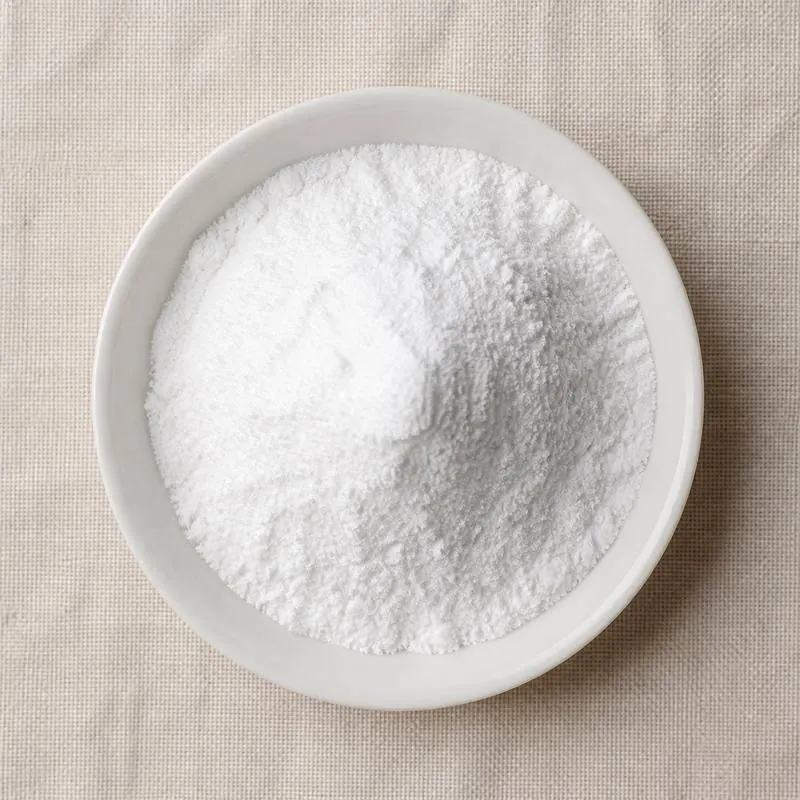
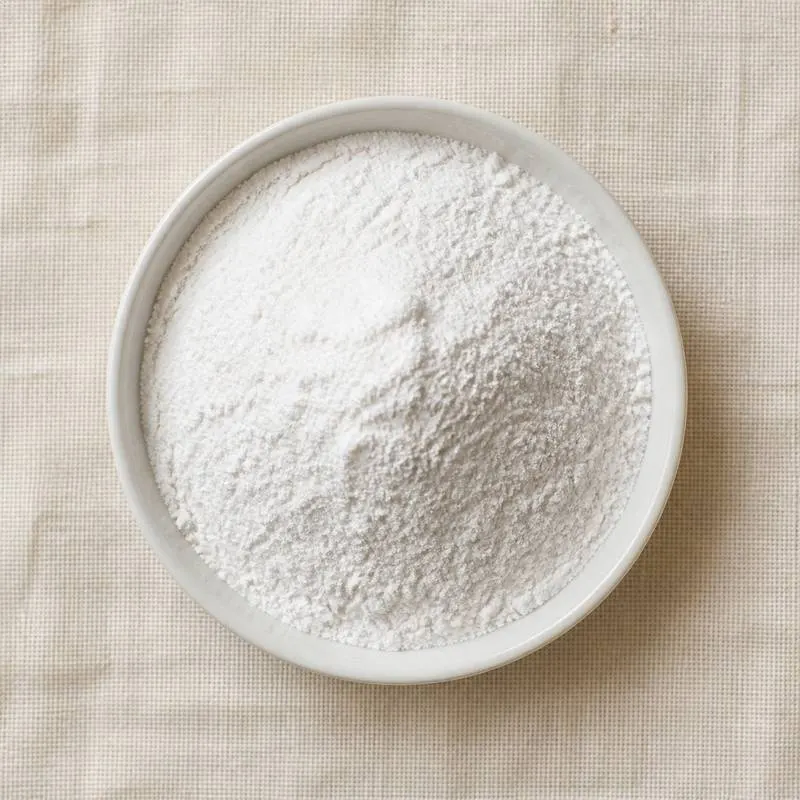
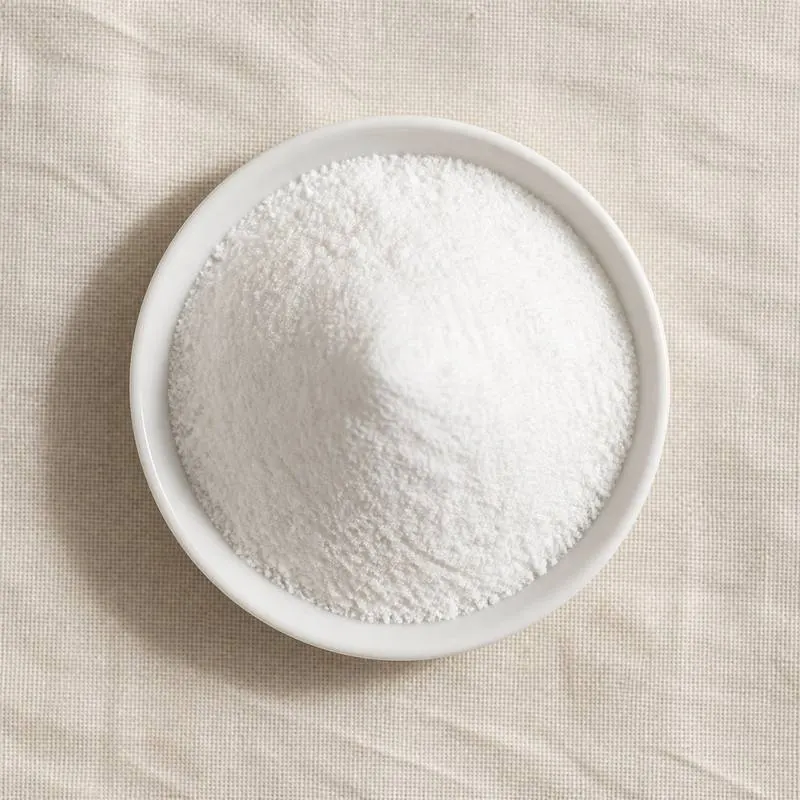
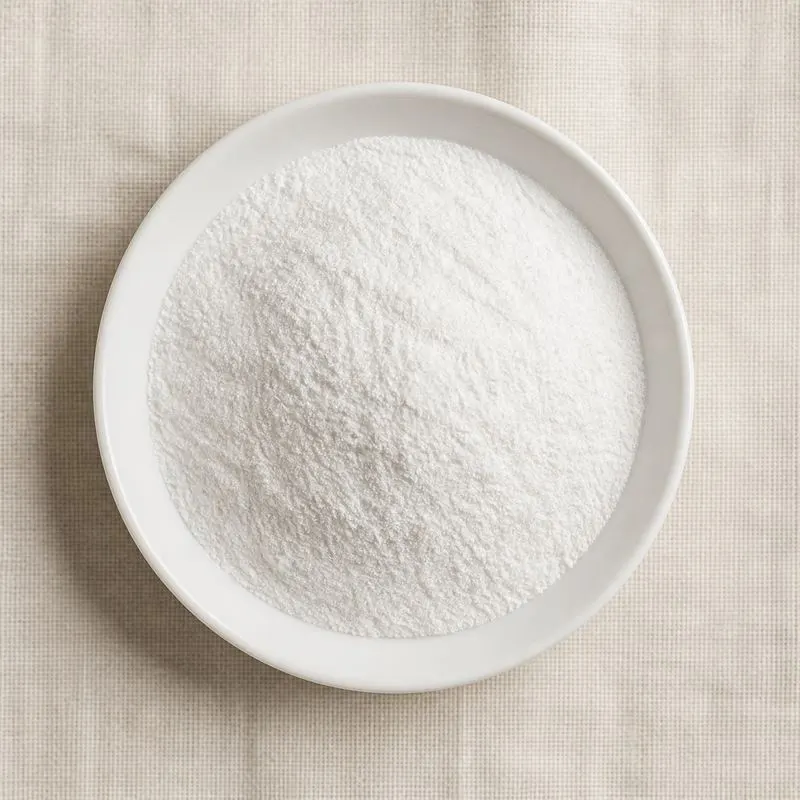
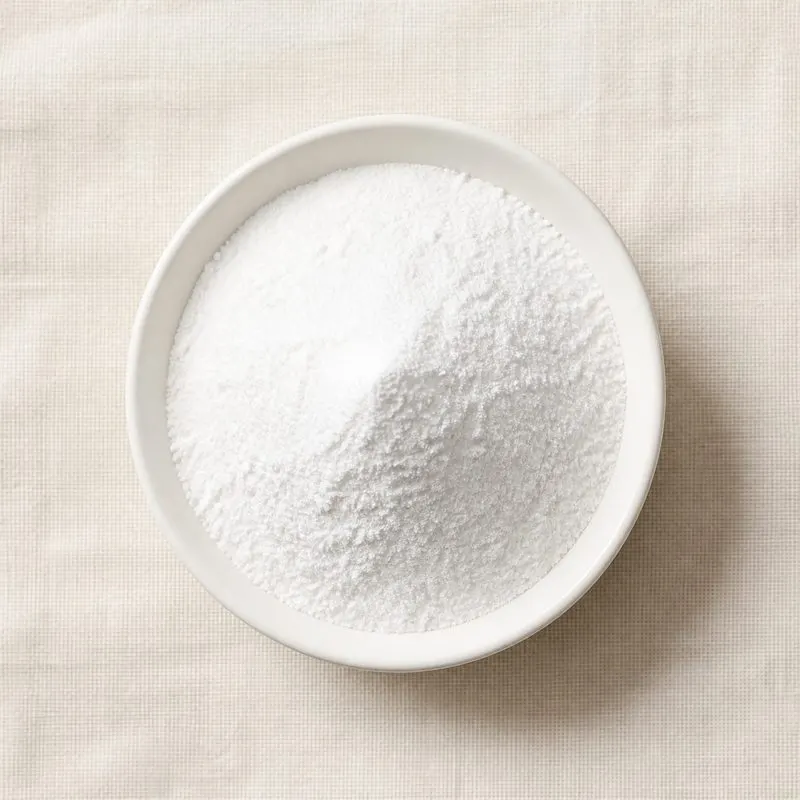
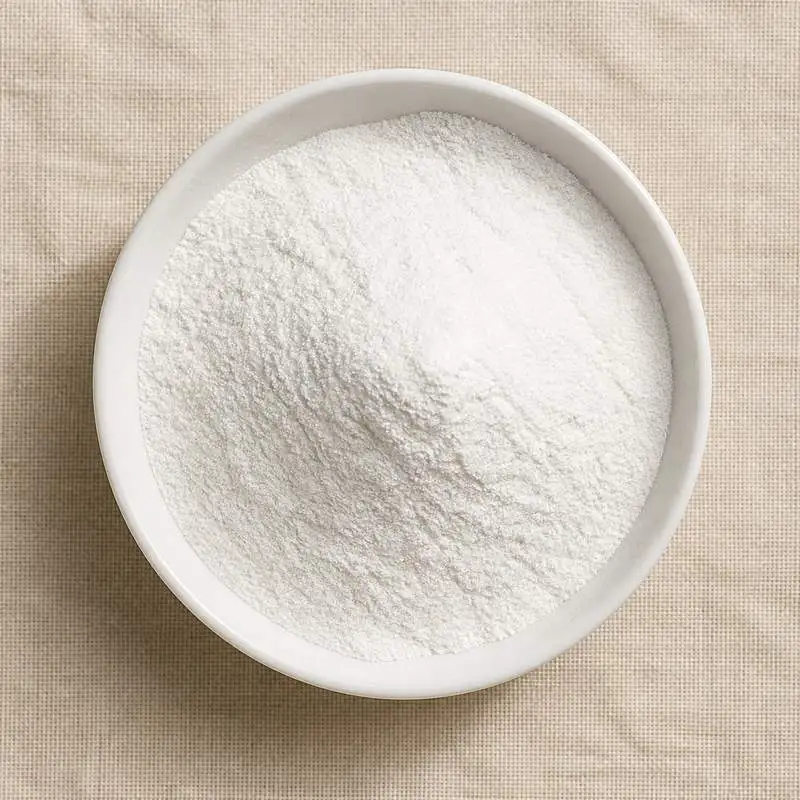
White bean paste is a sweetened cooked paste made from dehulled white beans, most often navy bean, white kidney bean or butter bean, used as a filling and modelling medium in East Asian bakery and confectionery.
Structurally the paste is a starch and protein matrix. Gelatinised bean starch granules and heat denatured globulin proteins hold sugar syrup and water in a smooth plastic mass. Sugar content usually runs between 45 and 60 percent on a wet basis, which depresses water activity enough to give the finished paste a stable chilled or ambient shelf life. The neutral flavour and pale ivory colour are the reason bakers choose it over red bean paste wherever an added colour or flavour has to be carried, since it accepts matcha, fruit puree, taro and permitted colours without muddying the shade.
The paste comes as a firm extrudable block or as a softer pipeable mass in vacuum bags or lined pails, and is worked at ambient temperature after tempering. It is heat stable through the baking cycle of mooncakes and steamed buns, but repeated freeze and thaw causes starch retrogradation and syneresis, so frozen distribution is uncommon.
We source bulk White Bean Paste from top China manufacturers for our partners. The manufacturer is in Shandong. A smaller requirement can ship in a combined container with other ingredients.
Please send the grade you need, the volume and your destination port, and we will come back with a solution and a price.
or call +86-21-6858 0751
- Function
- Bakery ingredient
Specifications
| Item | Specification |
|---|---|
| Appearance | Smooth homogeneous paste, free from hull fragments |
| Colour | Pale ivory to light beige |
| Odour and taste | Sweet, clean bean character, no scorched or fermented note |
| Soluble solids | 55 to 62 Brix |
| Moisture | 30 to 38 percent |
| Protein | 3.0 percent minimum |
| Fat | 0.5 percent maximum, oil free grade |
| pH | 5.8 to 6.8 |
| Water activity | 0.85 maximum |
| Lead | 0.2 mg/kg maximum |
| Arsenic | 0.5 mg/kg maximum |
| Total plate count | 1,000 cfu/g maximum |
| Yeast and mould | 50 cfu/g maximum |
| Escherichia coli | Negative in 1 g |
| Salmonella | Negative in 25 g |
Common Markets Grades
Two structural grades are traded. Smooth paste is milled and sieved so that hull fragments and coarse fibre are removed, giving the silky body needed for moulded confectionery. Coarse paste retains part of the broken cotyledon and is used where a visible bean texture is wanted. Sugar level separates standard paste at 55 to 62 Brix from reduced sugar grades at 40 to 48 Brix, which carry a shorter shelf life and normally require chilled storage.
Oil added grades containing 5 to 12 percent vegetable oil are sold for mooncake and Chinese pastry fillings, where the fat improves plasticity and slows moisture migration into the crust. An unsweetened base paste, dewatered and sold as a firm cake or as a dried powder for reconstitution, is traded to bakeries that prefer to boil in their own sugar and flavour system.
Applications
- Mooncake fillings, as the base paste that carries salted egg yolk, nuts or fruit inclusions
- Steamed buns, where the paste holds its shape through the steaming cycle without weeping
- Japanese wagashi, particularly nerikiri, where the smooth grade is coloured and hand moulded
- Dorayaki, taiyaki and other filled griddle cakes as a pipeable centre
- Filled biscuits and shortcrust pastries, where low water activity protects the surrounding dough from softening
- Flaky Chinese pastry such as su style cakes, as a dense centre that resists baking spread
- Base for flavoured fillings, blended with matcha, taro, durian, sesame or fruit puree
- Bubble tea and dessert toppings, thinned with syrup into a spoonable paste
- Frozen dessert ripples and sandwich fillings, where the sugar content limits ice crystal growth
China Manufacturers of White Bean Paste
Top White Bean Paste manufacturers in China.
Company names and logos are the property of the manufacturers themselves. They are listed here because our own directory records them as producing this ingredient. A listing is not an endorsement by them, and we do not represent them or speak on their behalf.
Regulatory Status
White bean paste is a compound food rather than a food additive, so it carries no E number and no additive listing. In the United States the Federal Food, Drug, and Cosmetic Act regulates it as a processed food, manufactured under the preventive controls rules of 21 CFR Part 117, with a thermal process and acidity profile that keep it outside the low acid canned food rules only when the pack is chilled or the water activity is controlled.
In the European Union it falls under the general food law and hygiene framework, and any preservative, colour or sweetener carried in the paste has to be permitted for the relevant food category under Regulation 1333/2008 and declared on the label. Bean paste is not a named allergen, but shared plant lines handling sesame, tree nut or peanut fillings normally trigger precautionary allergen labelling. Kosher and Halal certification are routinely available since the composition is plant based.
Manufacturing Process
Dry white beans are cleaned, graded and steeped in water for several hours until fully hydrated, then cooked in open or pressure vessels until the cotyledon collapses. The cooked beans are pulped and passed through a fine sieve, which separates the hulls and coarse fibre from the starch and protein fraction. The sieved slurry is washed with water and dewatered on a filter press or decanter, producing an unsweetened base cake. Washing is the step that removes soluble pigments, saponins and beany off notes, and the number of wash cycles largely sets the whiteness and flavour cleanliness of the finished paste.
The base cake is then boiled with sucrose, maltose syrup and any added fat in a jacketed or vacuum kettle until the target soluble solids level is reached. The hot paste is cooled, sometimes under vacuum to limit colour development, and filled into vacuum pouches or pails. Pasteurisation in pack or hot filling above 85 degrees Celsius is standard where an ambient shelf life is required.