White Kidney Bean
White kidney bean ingredient is the extract or milled preparation of the seed of Phaseolus vulgaris, the common bean, in its white-seeded cannellini and haricot forms. The active constituent is phaseolamin, a family of glycoprotein alpha-amylase inhibitors that bind pancreatic alpha-amylase and slow the breakdown of dietary starch into absorbable sugars. Because the activity lies in a protein, the ingredient is defined by an enzyme inhibition assay rather than by a marker compound.
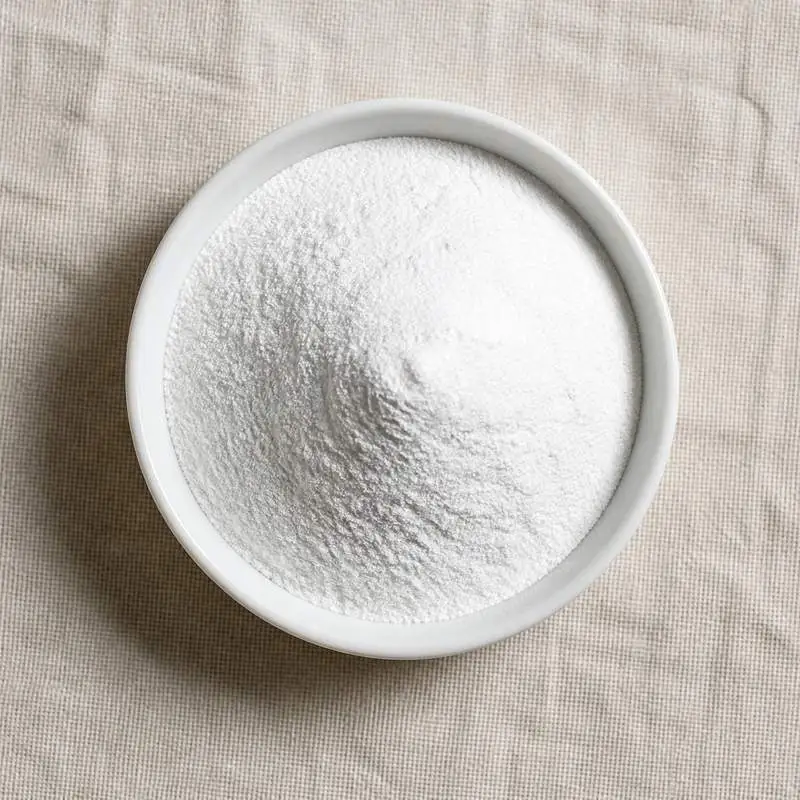
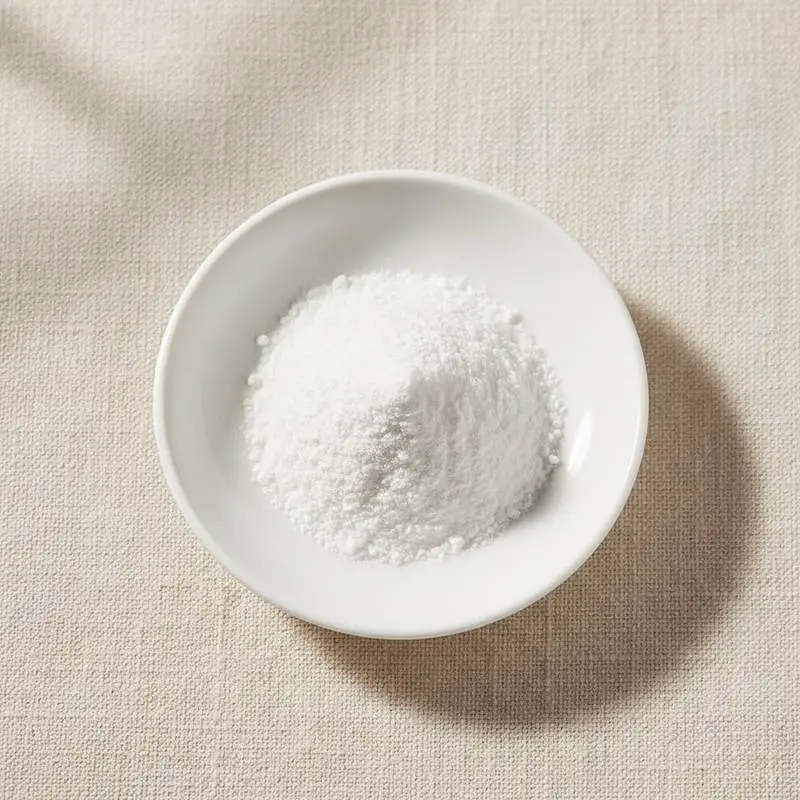
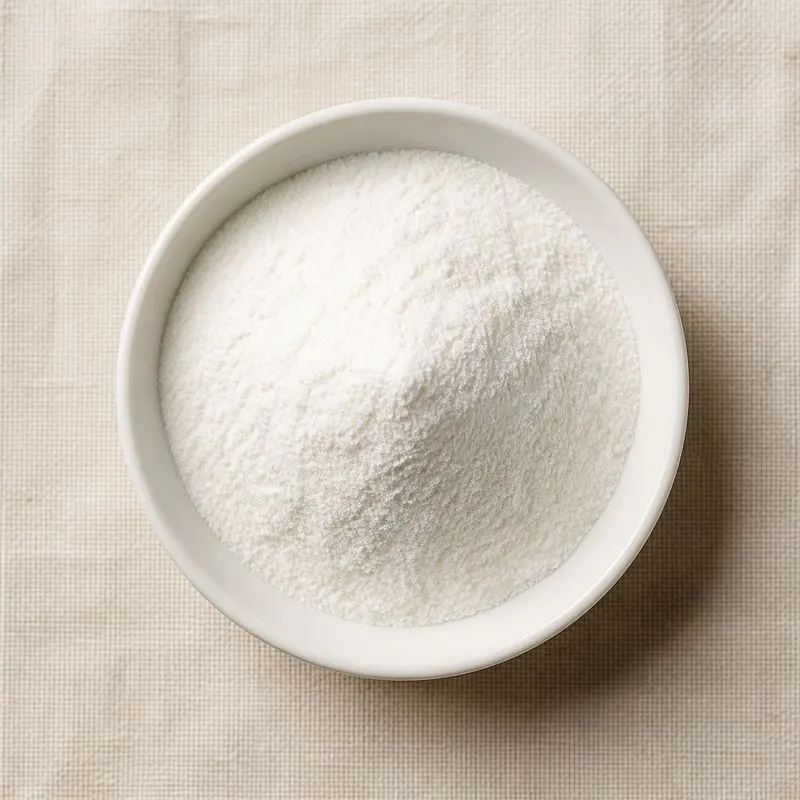
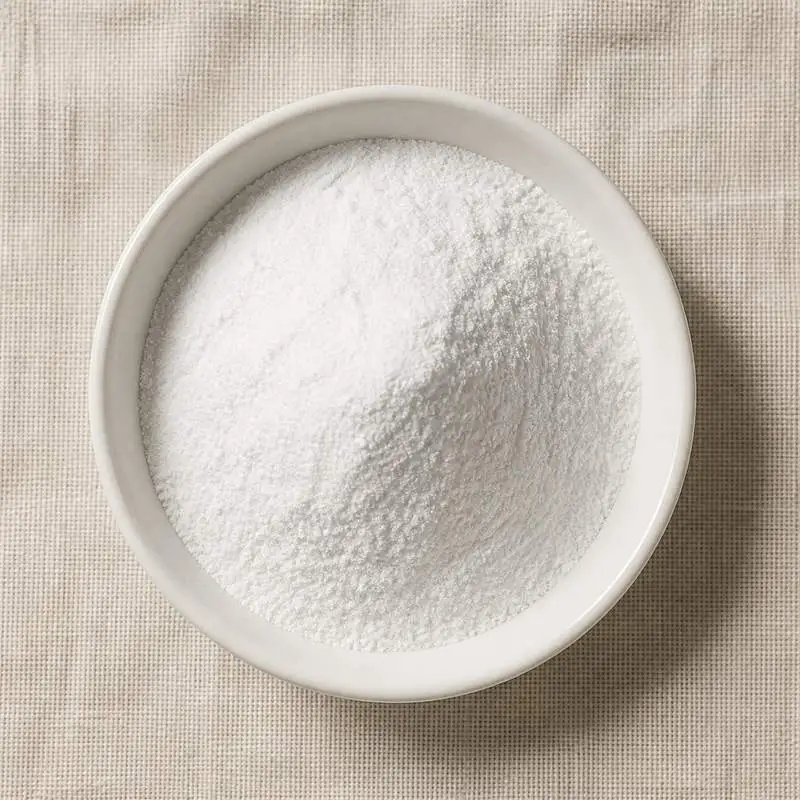
The commercial product is a fine off-white to pale cream powder with a faint bean odour. It is partly water dispersible and gives a cloudy suspension rather than a clear solution, and the protein nature of the active means heat and pH damage it: prolonged wet heat above roughly 70 degrees C destroys inhibitory activity, so the powder is dry blended or added late in a process rather than cooked.
Raw bean also contains phytohaemagglutinin, a lectin that must be reduced during processing, which is why extraction and heat treatment conditions are part of the specification rather than an afterthought.
We source bulk White Kidney Bean from top China manufacturers for our partners. The manufacturer is in Jiangxi. A smaller requirement can ship in a combined container with other ingredients.
Please send the grade you need, the volume and your destination port, and we will come back with a solution and a price.
or call +86-21-6858 0751
- Function
- Nutraceutical
Specifications
| Item | Specification |
|---|---|
| Appearance | Off-white to pale cream fine powder with faint bean odour |
| Alpha-amylase inhibiting activity | 4000 units/g minimum |
| Identification | Protein profile and inhibition assay conform to reference |
| Protein (N x 6.25) | 50.0 percent minimum |
| Phytohaemagglutinin | Below the limit of the specified haemagglutination method |
| Particle size | 95 percent through 80 mesh |
| Loss on drying | 7.0 percent maximum |
| Total ash | 8.0 percent maximum |
| Lead | 1.0 mg/kg maximum |
| Arsenic | 1.0 mg/kg maximum |
| Total plate count | 10000 cfu/g maximum |
| Yeast and mould | 100 cfu/g maximum |
| Escherichia coli | Absent in 1 g |
| Salmonella | Absent in 25 g |
Common Markets Grades
Grades are set by inhibitor activity, expressed in alpha-amylase inhibiting units per gram. Ratio extracts of 4 to 1, 10 to 1 and 20 to 1 are quoted in the trade, but the meaningful figure is the assayed activity, commonly 3000, 4000 or 5000 units per gram, with concentrated grades above that available. Buyers should treat the ratio and the activity as separate claims, since the two do not track reliably across producers.
Beyond activity, material is distinguished by whether it is a water extract spray dried onto its own solids or onto a maltodextrin carrier, and by lectin content, with low-haemagglutinin grades specified for supplement use. Plain milled white bean flour is a separate and much weaker product and is not interchangeable with extract. Particle size is normally 80 or 100 mesh, and organic certified lots are produced.
Applications
- Weight management capsules and tablets, where the powder is dry blended with fibre and mineral carriers
- Starch blocker sachets and stick packs taken with meals
- Meal replacement and satiety powders, added after any heat step to preserve activity
- Functional bars and chews, where a cold-processed matrix protects the inhibitor protein
- Blends with chromium, green coffee and fibre in metabolic support formulas
- Bean-derived protein and flour applications in gluten-free bakery, using the milled rather than extracted form
- Soups and instant meal bases where white bean flour supplies thickening and protein
- Sports nutrition carbohydrate management products
Brands Using White Kidney Bean
Widely-distributed consumer products that list White Kidney Bean on the ingredient label.
Brand names, product names and logos are the property of their owners. They appear here as published evidence that the ingredient is used, taken from the brand's own label or website. Their appearance is not an endorsement, and it does not mean the brand buys from us or from any manufacturer listed on this site.
China Manufacturers of White Kidney Bean
Top White Kidney Bean manufacturers in China.

Company names and logos are the property of the manufacturers themselves. They are listed here because our own directory records them as producing this ingredient. A listing is not an endorsement by them, and we do not represent them or speak on their behalf.
Regulatory Status
In the United States white kidney bean is a conventional food and the extract is marketed as a dietary ingredient in supplements, where it was present in the market before the dietary supplement legislation and is treated accordingly. There is no specific food additive regulation for phaseolamin, and the FDA position that matters in practice concerns the claims made rather than the substance: statements about slowing starch digestion are structure and function claims subject to the usual substantiation and disclaimer requirements. Beans are also covered by the general preventive controls and the lectin content is a recognised process control point.
In the European Union the bean itself is a long-established food, but a concentrated extract presented for a physiological effect may need to be assessed under the novel food framework depending on its degree of processing and history of use, and health claims relating to starch or carbohydrate absorption require authorisation. There is no E number, as the material is not an additive. Codex has no specification for phaseolamin; the applicable Codex texts are the general standards for contaminants and hygiene in pulses and pulse products.
Manufacturing Process
Dried white beans are cleaned, destoned and dehulled, then coarse milled. The milled bean is extracted with water or a dilute buffered salt solution at controlled low temperature, since heat would denature the very protein being recovered. The slurry is held with agitation, then separated by decanter centrifuge and filtration to leave a protein-bearing liquor and a starch and fibre residue that is diverted to feed or flour.
The liquor is clarified and concentrated by ultrafiltration, which is the key step because it retains the glycoprotein inhibitor while passing salts, sugars and small peptides, and it is here that the activity per gram is set. A controlled heat or adsorption treatment is applied to reduce haemagglutinin without destroying the amylase inhibitor, a narrow window that separates competent producers from poor ones. The retentate is concentrated under vacuum at low temperature, standardised against an activity assay with maltodextrin if required, then spray dried at a low outlet temperature, sieved and packed.