Maltose Syrup
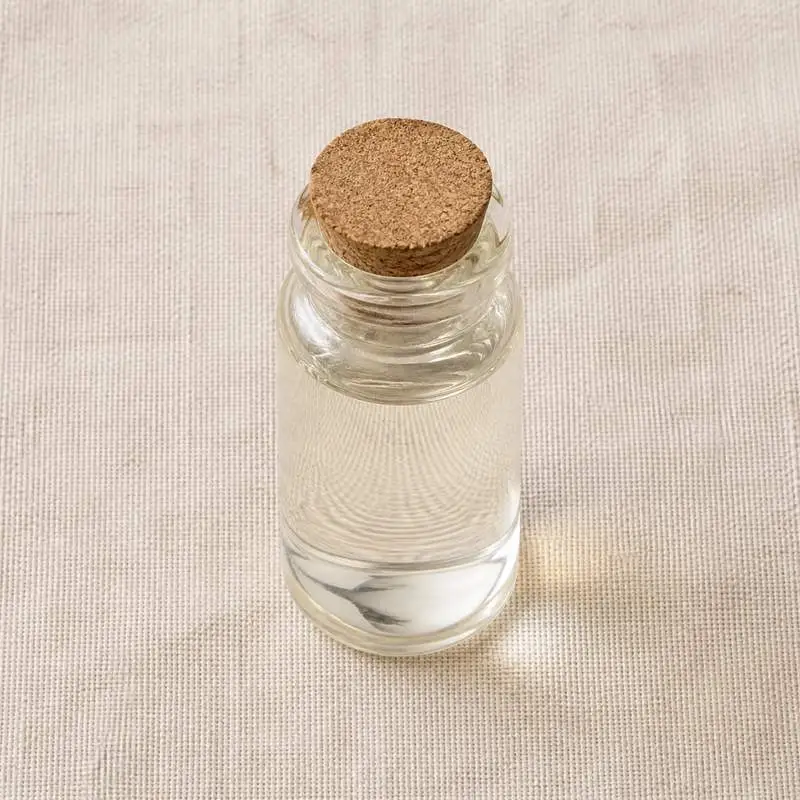
Maltose Syrup is a clear, viscous starch hydrolysate in which maltose is the dominant saccharide, typically present at 50 to 80 percent of dry substance. The remaining carbohydrates are glucose, maltotriose, and higher-DP dextrins, with the exact distribution set by enzyme choice and reaction time.
Compared with conventional glucose syrup, the elevated maltose content gives a milder sweetness, a higher boiling point, lower hygroscopicity, and reduced browning during heat processing. These traits suit the syrup to confectionery and bakery work where a mild profile and good thermal stability are needed.
We source bulk Maltose Syrup from top China manufacturers for our partners, working with several of them. The manufacturers are in Shandong, Guangdong and Zhejiang. A smaller requirement can ship in a combined container with other ingredients.
Please send the grade you need, the volume and your destination port, and we will come back with a solution and a price.
or call +86-21-6858 0751
- Packaging
- 250 kg plastic drum or 1,000 kg IBC tote
- ISO 9001
- HACCP
- Halal
- Kosher
Specifications
| Item | Specification |
|---|---|
| Appearance | Clear, colorless to light yellow viscous liquid |
| Maltose Content (dry basis) | ≥ 50% (high maltose grade) |
| Dextrose Equivalent (DE) | 40–55 |
| Dry Substance | ≥ 75.0% |
| pH | 4.0–6.0 |
| SO₂ | ≤ 20 ppm |
| Total Plate Count | ≤ 3000 CFU/g |
| Sweetness | Soft sweetness |
| Moisture | Low moisture absorption |
| Fragrance retention | Yes |
| Low freezing point | Yes |
Common Markets Grades
Maltose Syrup is graded by maltose content on a dry-substance basis.
Standard maltose syrup runs 50 to 60 percent maltose, with 20 to 30 percent maltotriose and a small fraction of glucose. This is the standard grade for general confectionery and brewing.
High-maltose grades at 60 to 70 percent are used where lower hygroscopicity and longer chew are valued, such as in hard candy and rice cracker glazes. Extra-high maltose grades above 70 percent are sold under separate high-maltose-syrup specifications.
Solids content is normally 75 to 82 percent, with a clear, near-water-white appearance after carbon decolorisation and ion exchange. Spray-dried maltose syrup powders exist for dry-mix and bakery premix applications where a free-flowing solid is preferred.
Applications
- Hard candies and high-boiled sugar confectionery for resistance to colour development and reduced stickiness
- Soft confectionery: jellies, fondants, marshmallows, and nougat with a milder sweetness than glucose syrup
- Rice crackers, glazed snacks, and Asian-style coated confections
- Bakery glazes and fillings where minimal browning is desired
- Ice cream and frozen desserts to depress freezing point with a softer sweetness
- Brewing as a defined adjunct fermentable for beer and rice wine
- Frozen and chilled dairy desserts as a sucrose partial replacement
- Infant and toddler cereals as a mild carbohydrate
- Pharmaceutical and nutraceutical syrups as a sucrose-compatible vehicle
- Functional beverages and sports drinks for sustained carbohydrate delivery
Brands Using Maltose Syrup
Widely-distributed consumer products that list Maltose Syrup on the ingredient label.
- Eden FoodsEden Organic Traditional Barley Malt Syrup ↗A high-maltose barley malt syrup at 74.5% maltose, used in baking, bagels and cereals.Label verified 2026-05-24
- Lundberg Family FarmsOrganic Sweet Dreams Brown Rice Syrup ↗Brown rice syrup (sold commercially as a maltose syrup); 65-85% maltose compositionLabel verified 2026-05-24
- White Rabbit (Guan Sheng Yuan)White Rabbit Creamy Candy ↗Ingredient panel lists 'liquid maltose' (maltose syrup) as the first ingredientLabel verified 2026-05-24
- MorinagaMorinaga Milk Caramel ↗Uses mizuame (Japanese maltose-rich starch syrup) as a primary sweetenerLabel verified 2026-05-24
Brand names, product names and logos are the property of their owners. They appear here as published evidence that the ingredient is used, taken from the brand's own label or website. Their appearance is not an endorsement, and it does not mean the brand buys from us or from any manufacturer listed on this site.
China Manufacturers of Maltose Syrup
Top Maltose Syrup manufacturers in China.
 Luzhou Bio-chem Technology (Shandong) Co., Ltd.9 ingredients in the directory
 Qingyuan Foodstuff Co., Ltd.9 ingredients in the directory
 Zhaoqing Huanfa Biotechnology Co., Ltd.10 ingredients in the directory
- Zhejiang Huakang Pharmaceutical Co., Ltd.11 ingredients in the directory
Company names and logos are the property of the manufacturers themselves. They are listed here because our own directory records them as producing this ingredient. A listing is not an endorsement by them, and we do not represent them or speak on their behalf.
How We Help Source Maltose Syrup
Direct Factory Sourcing
We run the whole process: selecting the manufacturer from the top Chinese food ingredient producers, negotiating the price, verifying quality, and coordinating the logistics. You deal with us instead of with several factories at once.
Original Packaging and Documents from the Manufacturer
The manufacturer sends your Maltose Syrup out of its own factory in the original packing, through to your destination port. The COA, COO, MSDS, TDS and any certifications reach you from the manufacturer as well.
Free Samples and Lead Time
We send 100 to 500 g free for your own laboratory to test and you cover only the courier, usually within 2 to 3 working days. ETD is usually within 7 to 15 days once the order is confirmed, and we check that date against the factory's own manufacturing schedule before we give it to you.
Combined Shipment
We can load Maltose Syrup together with other ingredients such as Stevia, Erythritol and Maltitol into one 20' FCL. If your quantity is small, we can also ship LCL.
Regulatory Status
Maltose Syrup is treated as a sugar product rather than a food additive in essentially every regulated market.
In the European Union Commission Directive 2001/111/EC on sugars intended for human consumption covers it, placing it within the broader category of glucose syrup with defined dextrose-equivalent and saccharide profile. No E number applies.
The U.S. Food and Drug Administration recognises maltose syrup as a starch hydrolysate within the corn syrup category, with GRAS status under 21 CFR 184.1865 when produced from maize starch. JECFA has not established a numerical intake limit.
Pharmacopoeial-style specifications for maltose-rich syrups appear in the USP-NF and JP. Halal, Kosher, vegan, and non-GMO certifications are commonly available depending on the starch source.
Manufacturing Process
Maltose Syrup is produced from refined starch slurry by sequential enzyme conversion.
The slurry, typically derived from maize, rice, wheat, or tapioca, is gelatinized in a jet cooker and liquefied with thermostable alpha-amylase to a low dextrose equivalent. This produces a base of short-chain dextrins suitable for the saccharification step.
The liquefied stream is then converted with beta-amylase, sometimes paired with pullulanase to debranch amylopectin and free up additional non-reducing ends. Beta-amylase cleaves maltose units sequentially from those ends, building the syrup's maltose fraction to the target specification.
The hydrolysate is refined by activated carbon, mixed-bed ion exchange, and polishing filtration. It is evaporated to 75 to 82 percent dry solids and held in heated tanks to prevent precipitation of maltose crystals during storage.