Whole Wheat Crisp
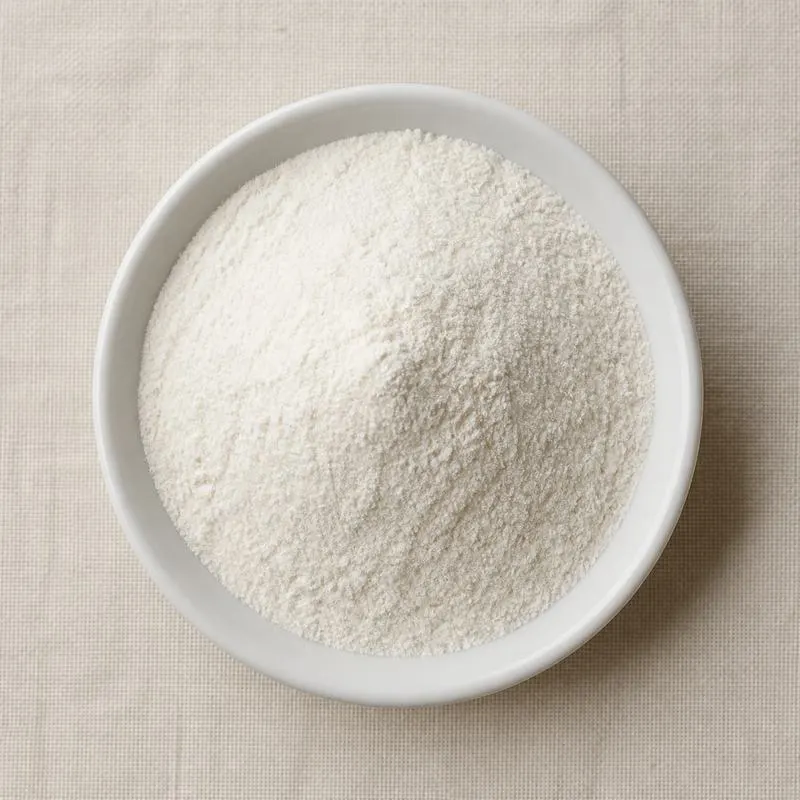
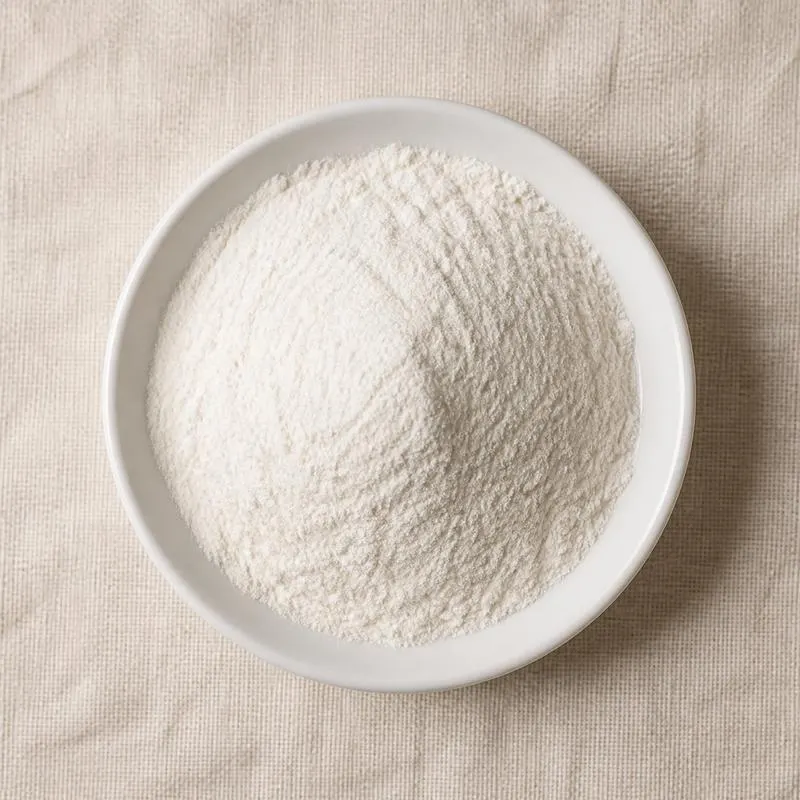
Whole wheat crisp is an extruded cereal inclusion made from wholemeal wheat flour, formed into small light pieces with a rigid porous structure and a low moisture content. It is not an additive but a manufactured food component, sold ready to blend into other products where a crunchy element that survives storage is needed.
The functional property that defines it is texture retention. Extrusion cooking gelatinises the starch and then expands it as the melt flashes off steam at the die, leaving a closed cell foam with a dense skin. That structure gives a crisp fracture at low bite force, and the low residual moisture, generally under four percent, keeps the crisp from going soft when it sits alongside a syrup or fat phase, provided water activity in the surrounding matrix is controlled.
The pieces are light brown spheres, discs, curls or shards in sizes from roughly two to eight millimetres, with a characteristic toasted wholegrain flavour and visible bran flecks. Bulk density is low, so the material is priced and handled by volume as much as by weight. It contains wheat and is therefore a cereals containing gluten allergen, and it absorbs moisture readily from the air, which makes moisture barrier packing part of the specification.
We source bulk Whole Wheat Crisp from top China manufacturers for our partners. The manufacturer is in Shandong. A smaller requirement can ship in a combined container with other ingredients.
Please send the grade you need, the volume and your destination port, and we will come back with a solution and a price.
or call +86-21-6858 0751
- Function
- Dietary Fibres
Specifications
| Item | Specification |
|---|---|
| Appearance | Light brown extruded pieces with visible bran flecks |
| Odour and taste | Toasted wholegrain, free from rancid or scorched notes |
| Piece size | 4 to 6 mm, 90% within range |
| Moisture | 4.0% maximum |
| Water activity | 0.30 maximum |
| Bulk density | 150 to 220 g/L |
| Protein, dry basis | 10.0% minimum |
| Total dietary fibre | 8.0% minimum |
| Fat | 3.0% maximum, uncoated grade |
| Fines through 2 mm sieve | 3.0% maximum |
| Lead | 0.2 mg/kg maximum |
| Arsenic | 0.2 mg/kg maximum |
| Total plate count | 10,000 cfu/g maximum |
| Yeast and mould, E. coli, Salmonella | Yeast and mould 100 cfu/g maximum; E. coli and Salmonella absent in 25 g |
Common Markets Grades
Grades are distinguished by piece size and shape, by bulk density and by whether the crisp is coated. Standard uncoated crisps run 4 to 8 millimetres for visible inclusion in bars and clusters, with 2 to 3 millimetre grades used where the crunch should be felt but the pieces should not be seen. Bulk density is quoted alongside size because it decides both the eating texture and the volume a given mass will occupy in a mix.
Coated grades carry a fat, chocolate, compound coating or shellac based seal that slows moisture migration and extends the time the crisp stays crunchy in a wet or high fat matrix; these are specified where shelf life exceeds a few months. Protein enriched versions are produced by blending soya, whey or pea protein into the wheat base before extrusion, and organic certified lines are run from certified wholemeal. Off specification fines are recovered and sold as a crumb inclusion or into feed.
Applications
- Cereal and granola bars, as the crunchy inclusion that contrasts with the syrup bound base
- Chocolate bars and tablets, where the crisp gives an aerated bite inside the fat phase
- Breakfast cereal blends and mueslis, as a light textured component among flakes and fruit
- Yoghurt topper cups and side pots, where the crisp is kept dry until the consumer combines it
- Protein and meal replacement bars, where texture prevents the dense chew of a high protein matrix
- Ice cream and frozen dessert inclusions, where a coated crisp resists moisture pickup at freezer temperature
- Confectionery panning and clusters, as a light core around which coating is built
- Snack mixes and trail blends, as a wholegrain component with an extended crunch life
- Bakery toppings and decoration, sprinkled before or after bake for a textured finish
China Manufacturers of Whole Wheat Crisp
Top Whole Wheat Crisp manufacturers in China.

Company names and logos are the property of the manufacturers themselves. They are listed here because our own directory records them as producing this ingredient. A listing is not an endorsement by them, and we do not represent them or speak on their behalf.
Regulatory Status
Whole wheat crisp is a manufactured food rather than a food additive, so it has no US food additive regulation, no E number and no additive specification of its own. In the United States its regulatory obligations are those of any processed cereal food: manufacture under the preventive controls rules for human food, ingredient and nutrition labelling under the Food and Drug Administration labelling regulations, and declaration of wheat as a major food allergen. Where a wholegrain statement is made, the amount of wholegrain flour in the formula has to support it.
In the European Union the product is governed by general food law, by the food hygiene package and by the contaminants Regulation, which is the practical control point because extrusion at high temperature can generate acrylamide from the asparagine and reducing sugars in the flour, bringing the product within the mitigation and benchmark framework for that contaminant. Cereals containing gluten must be emphasised in the ingredient list, and any additives used in the recipe carry their own permissions. Codex Alimentarius applies through its general principles of food hygiene and its code of practice for acrylamide reduction rather than through a product standard.
Manufacturing Process
Wholemeal wheat flour is blended dry with the minor ingredients used in the recipe, generally sugar, salt and a small quantity of leavening or emulsifier, and the mix is metered into a twin screw extruder. Water is injected in the first barrel section and the mass is worked under increasing shear and temperature, so that the starch gelatinises and the dough becomes a viscous melt at well above the atmospheric boiling point while remaining liquid under barrel pressure.
At the die the pressure drops, the superheated water flashes to steam and the melt expands into a foam, which a rotating knife cuts to length. The wet pieces, still at eight to twelve percent moisture, pass to a belt or fluid bed dryer that takes them down to below four percent, then to a cooler. Coated grades are transferred to a coating drum or enrobing line where fat or compound coating is applied and set. Finished crisps are screened to remove fines and oversize, passed over metal detection and packed into lined cartons or drums under a moisture barrier.