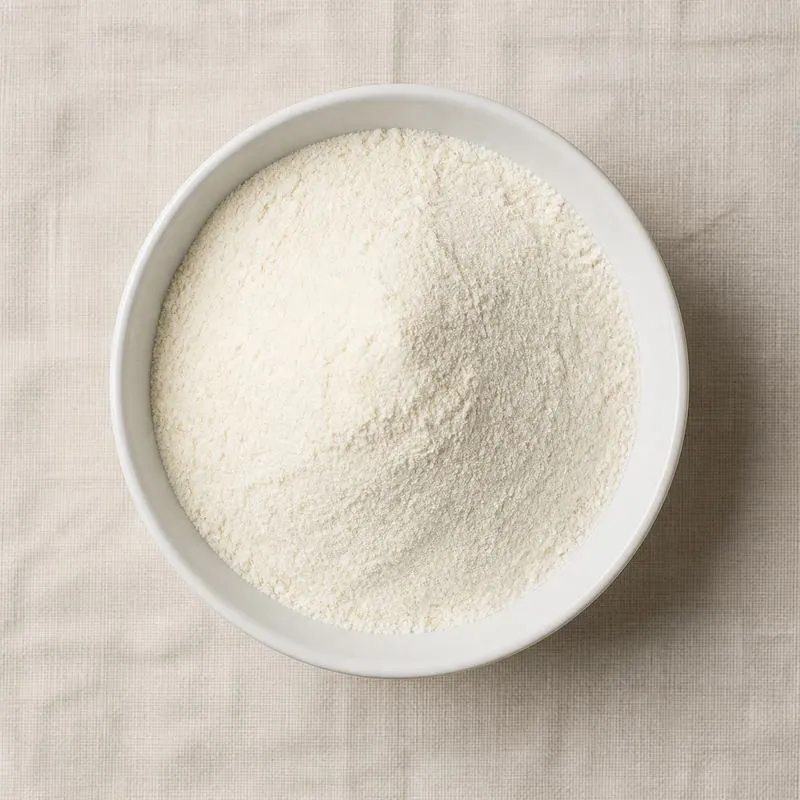
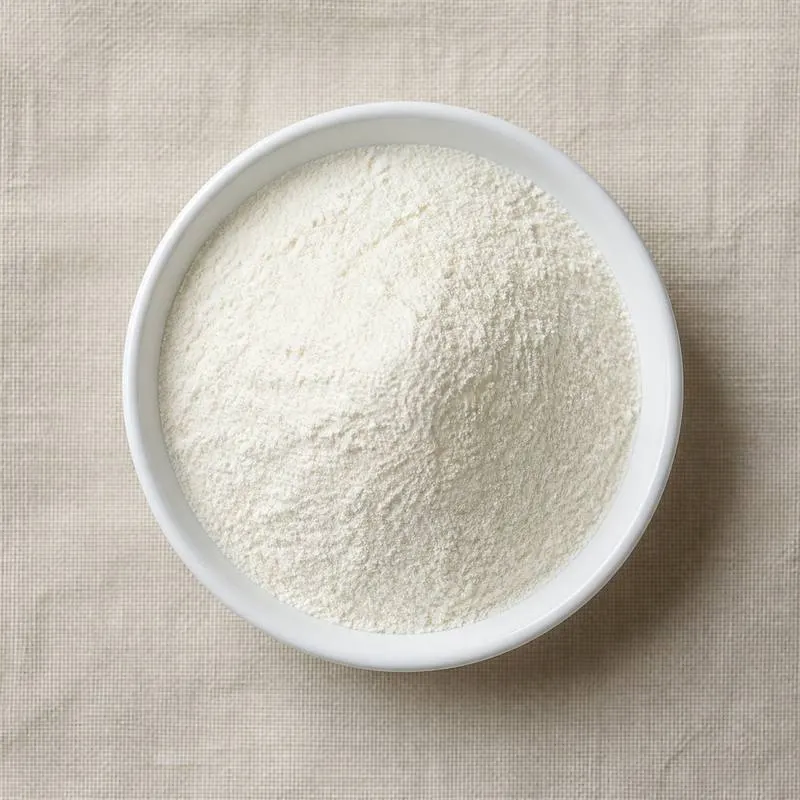
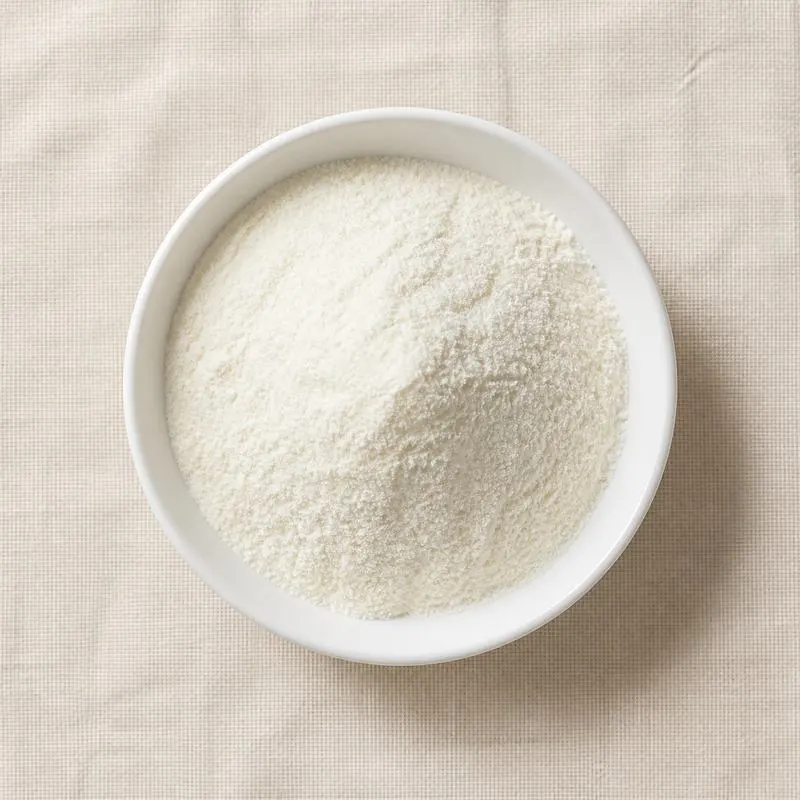
Pea Protein
Pea Protein is a plant protein ingredient produced from the yellow field pea (Pisum sativum). It has emerged since 2010 as the fastest-growing alternative-protein category and the leading non-soy choice for plant-based meat, dairy, and sports nutrition formulations.
The functional appeal is a clean amino acid profile rich in lysine and arginine, allergen-friendly positioning, and a neutral flavour base after modern processing.
We source bulk Pea Protein from top China manufacturers for our partners. The manufacturer is in Shandong. For this ingredient the minimum order is 500 kg and a 20-foot container takes 12 MT, and a smaller requirement can ship in a combined container with other ingredients.
Please send the grade you need, the volume and your destination port, and we will come back with a solution and a price.
or call +86-21-6858 0751
- Minimum order
- 500 kg
- Qty in 20' FCL
- 12 MT
- Packaging
- 25 kg kraft paper bag with PE inner liner
- Function
- Protein
- ISO 9001
- HACCP
- Halal
- Kosher
Specifications
| Item | Specification |
|---|---|
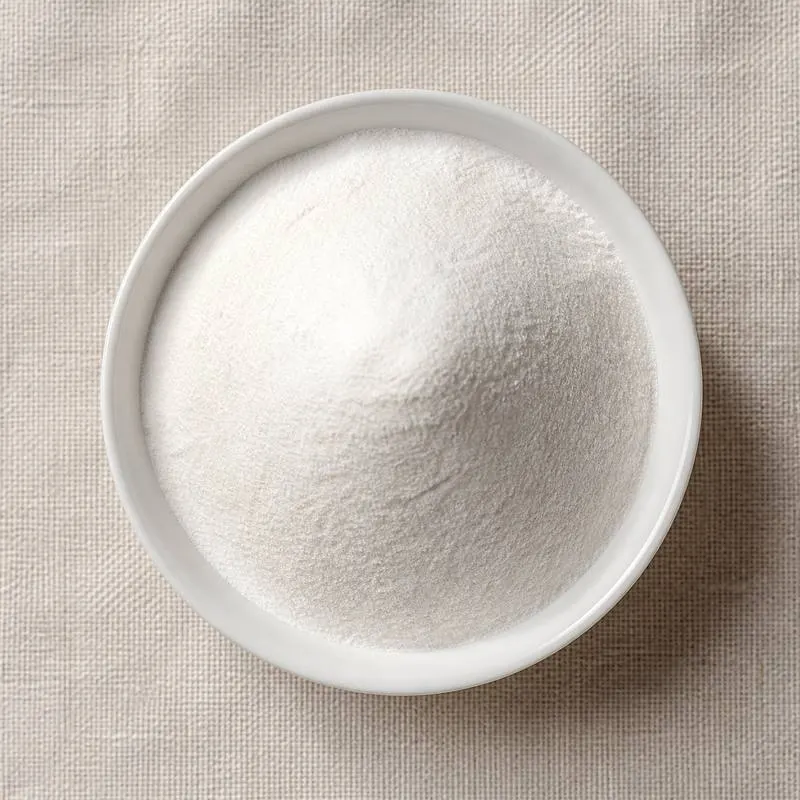
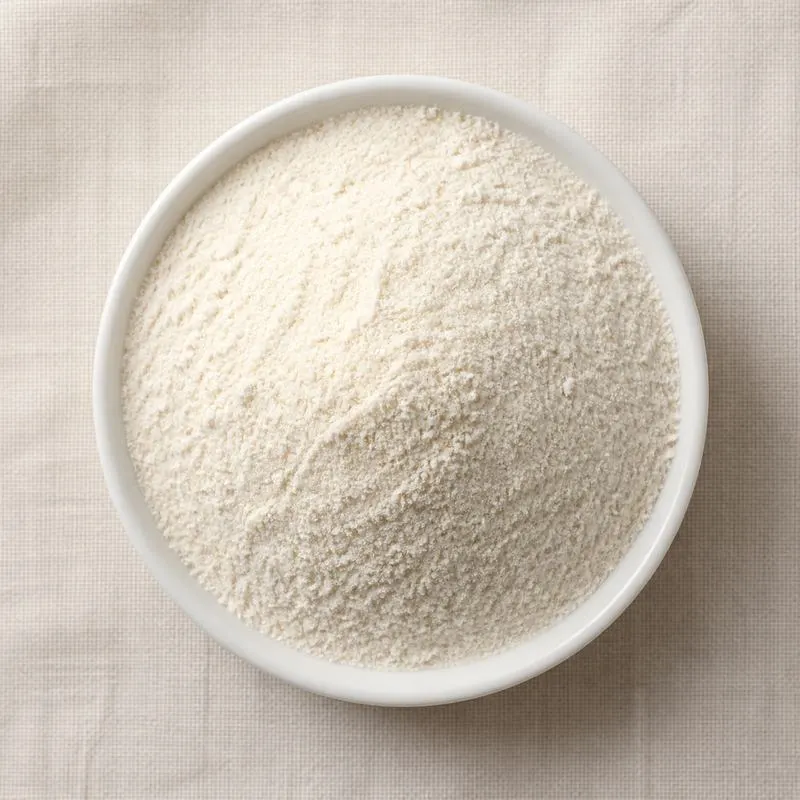
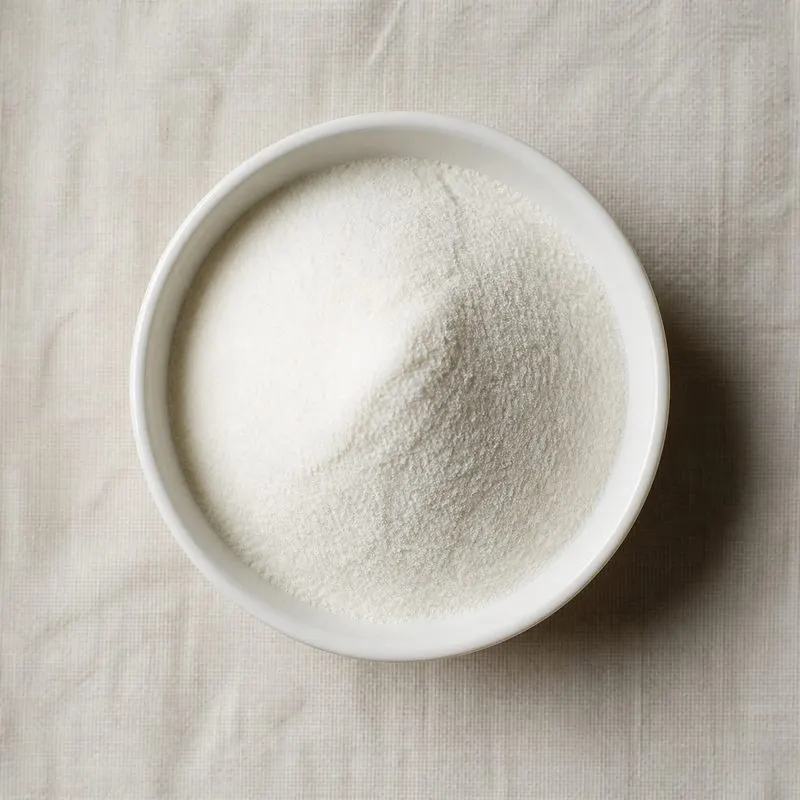
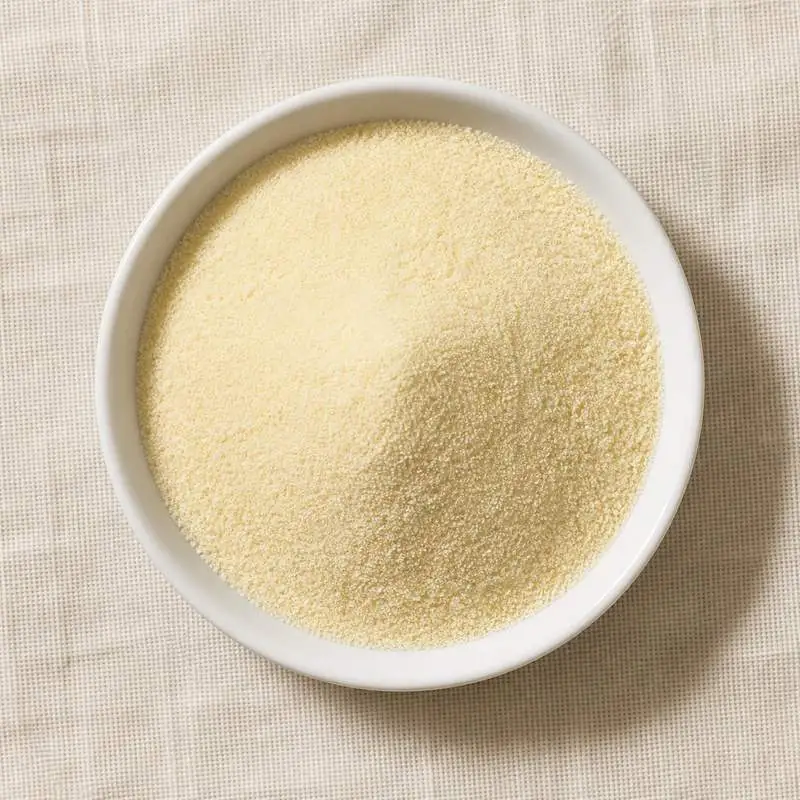
| Appearance | Light yellow to yellow free-flowing powder |
| Protein (N × 6.25, dry basis) | ≥ 80.0% |
| Moisture | ≤ 8.0% |
| Fat (crude) | ≤ 8.0% |
| Ash | ≤ 6.0% |
| Crude Fibre | ≤ 1.0% |
| Particle Size | ≥ 98% through 100 mesh |
| Solubility (NSI) | ≥ 85% |
| pH (10% suspension, 25 °C) | 6.0 - 7.0 |
| Bulk Density | 0.30 - 0.45 g/mL |
| Heavy Metals (as Pb) | ≤ 10 mg/kg |
| Total Plate Count | ≤ 10,000 cfu/g |
| Yeast and Mould | ≤ 100 cfu/g |
| E. coli | Negative/g |
| Salmonella | Negative/25g |
Common Markets Grades
Three principal forms of Pea Protein reach the market, differentiated by protein content.
Pea protein flour at 20 to 25 percent protein is the simplest grade, produced by milling and air classification of dehulled yellow peas. It is used in bakery, snacks, and pet food.
Pea protein concentrate at 50 to 60 percent protein is made by wet or dry fractionation and is positioned between flour and isolate on price and functionality.
Pea protein isolate at 80 to 85 percent protein dominates premium applications. Within isolate, suppliers offer grades tuned for solubility (beverages), emulsification (plant milks and creamers), gelation (meat analogues), and foaming (dairy alternatives and whipped applications).
Textured pea protein and pea protein crisps are separate downstream extruded grades.
Applications
- Plant-based burgers, sausages, and meatballs as the dominant protein matrix
- Plant milks, including the leading branded pea-milk products
- Plant-based yogurts, creamers, and ice cream alternatives
- Sports nutrition powders and ready-to-drink shakes
- Vegan and lactose-free protein bars and snacks
- Bakery and pasta for protein fortification
- Egg replacers for vegan baking
- Whippable creams and foam-based dessert alternatives
- Clinical nutrition products targeting dairy-allergen-free populations
- Infant nutrition adjuncts in toddler and growing-up formulas
- High-protein pet foods and treats
- Aquaculture feeds as a partial fishmeal replacer
Brands Using Pea Protein
Widely-distributed consumer products that list Pea Protein on the ingredient label.
- Beyond MeatBeyond Burger ↗Beyond Meat's official Beyond Burger page states the patty is made with pea and rice protein, delivering 20g of plant-based protein per serving with no soy or gluten.Label verified 2026-05-24
- Ripple FoodsRipple Original Plant-Based Milk ↗Ripple Foods' official Original Milk page lists pea protein blend (water, pea protein) as the second ingredient, providing 8g of plant-based protein per serving from yellow split peas.Label verified 2026-05-24
- VegaVega Protein + Recovery (formerly Vega Sport Premium Protein) ↗Vega's official Protein + Recovery product page lists a plant protein blend containing pea protein (isolate) along with pumpkin seed and organic sunflower seed protein.Label verified 2026-05-24
- Naked NutritionNaked Pea Protein Powder ↗Naked Nutrition's official Naked Pea page states the unflavored product contains a single ingredient: pea protein extracted from yellow split peas grown on US and Canadian farms.Label verified 2026-05-24
Brand names, product names and logos are the property of their owners. They appear here as published evidence that the ingredient is used, taken from the brand's own label or website. Their appearance is not an endorsement, and it does not mean the brand buys from us or from any manufacturer listed on this site.
China Manufacturers of Pea Protein
Top Pea Protein manufacturers in China.

Company names and logos are the property of the manufacturers themselves. They are listed here because our own directory records them as producing this ingredient. A listing is not an endorsement by them, and we do not represent them or speak on their behalf.
How We Help Source Pea Protein
Direct Factory Sourcing
We run the whole process: selecting the manufacturer from the top Chinese food ingredient producers, negotiating the price, verifying quality, and coordinating the logistics. You deal with us instead of with several factories at once.
Original Packaging and Documents from the Manufacturer
The manufacturer sends your Pea Protein out of its own factory in the original packing, through to your destination port. The COA, COO, MSDS, TDS and any certifications reach you from the manufacturer as well.
Free Samples and Lead Time
We send 100 to 500 g free for your own laboratory to test and you cover only the courier, usually within 2 to 3 working days. ETD is usually within 7 to 15 days once the order is confirmed, and we check that date against the factory's own manufacturing schedule before we give it to you.
Combined Shipment
We can load Pea Protein together with other ingredients such as Collagen Peptide, Soy Protein Isolate and Fish Collagen Peptide into one 20' FCL. If your quantity is small, we can also ship LCL.
Regulatory Status
Pea Protein is regulated as a conventional food ingredient in essentially every jurisdiction.
In the United States it is treated as a standard food ingredient with multiple GRAS notifications on file from major suppliers. There is no mandatory allergen labelling for pea at the federal level, though sesame, soy, and other legume allergens often appear in the same facility.
The European Union accepts pea protein as a standard ingredient under EU food law. Pea is not on the mandatory allergen list, which is one of its key positioning advantages versus soy.
Codex Alimentarius does not have a dedicated standard for pea protein, but general food ingredient and contaminant standards apply.
Most commercial pea protein is non-GMO by default because no genetically modified yellow pea is in commercial cultivation. Organic, Kosher, Halal, and Non-GMO Project certifications are widely available.
Manufacturing Process
Production begins with cleaned and dehulled yellow field peas. Two industrial routes dominate.
The wet route is used for pea protein isolate. The peas are milled to flour and slurried in water at slightly alkaline pH to solubilise the storage proteins, principally legumin and vicilin. The slurry is decanted to remove insoluble fibre and starch.
The clarified protein solution is acidified to pH 4.5, the isoelectric point of pea protein, causing the protein to precipitate. The curd is recovered by centrifugation, washed, neutralised, and spray-dried to an off-white free-flowing powder at 80 to 85 percent protein.
The dry route is used for pea flour and lower-grade concentrates. The peas are milled and the flour passes through air classifiers that separate the dense starch granules from the lighter protein bodies, producing a protein-enriched fine fraction and a starch-rich coarse fraction.
Recent process improvements focus on reducing the off-flavour compounds, particularly the saponins and lipid oxidation products responsible for the classic beany note, through enzyme treatment and adsorbent washing.