Yohimbe Bark Extract
Yohimbe bark extract is prepared from the bark of Pausinystalia johimbe, a tall West African tree of the Rubiaceae family. Its defining constituent is the indole alkaloid yohimbine, an alpha-2 adrenergic antagonist, accompanied by a set of stereoisomers and related alkaloids including rauwolscine, corynanthine and ajmalicine that together make up the total alkaloid fraction of the bark.
The extract is not a food ingredient. It has no flavour, colour or technological function, and its entire commercial position rests on the pharmacological activity of yohimbine, which places it at the boundary between a botanical supplement and a drug and makes its regulatory treatment restrictive in most markets. Standardised extracts and purified yohimbine hydrochloride are different products with different controls.
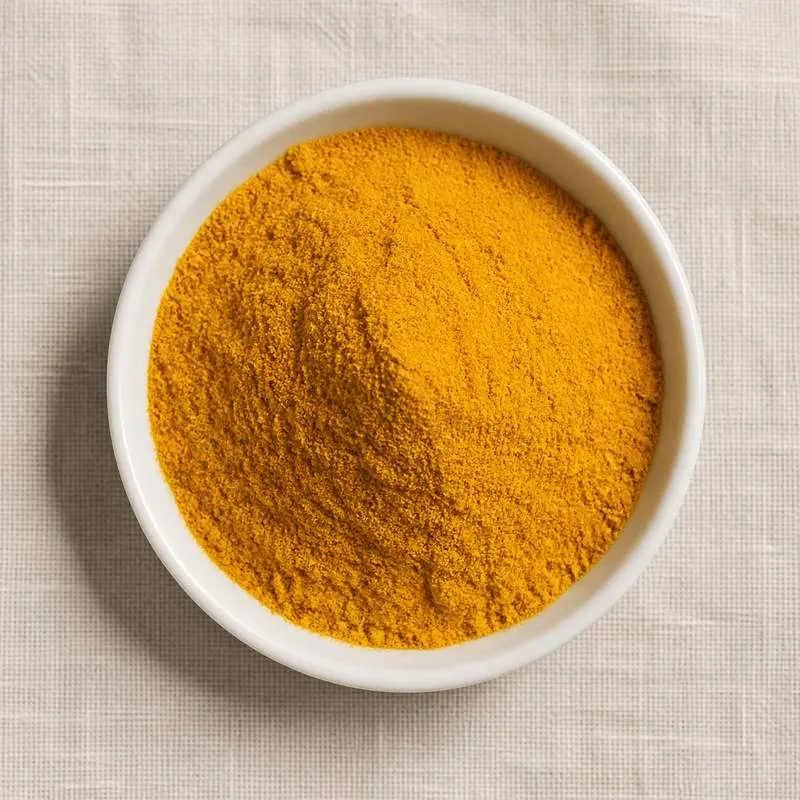
Commercial extract is a light brown to dark brown fine powder with a bitter taste. The free alkaloid is poorly soluble in water and soluble in ethanol and dilute acid, while yohimbine hydrochloride is freely water soluble, which is why the salt is used where solubility matters. Alkaloid content in the raw bark varies widely with tree age, harvest site and storage, and the extract darkens and loses alkaloid on prolonged exposure to light and heat.
We source bulk Yohimbe Bark Extract from top China manufacturers for our partners. The manufacturer is in Fujian. A smaller requirement can ship in a combined container with other ingredients.
Please send the grade you need, the volume and your destination port, and we will come back with a solution and a price.
or call +86-21-6858 0751
- Function
- Plant extract
Specifications
| Item | Specification |
|---|---|
| Appearance | Light brown to dark brown fine powder |
| Odour and Taste | Faint characteristic, bitter |
| Yohimbine (HPLC) | ≥ 8.0% |
| Total Alkaloids | ≥ 10.0% |
| Identification | Conforms by HPLC and isomer pattern against reference bark extract |
| Loss on Drying | ≤ 5.0% |
| Total Ash | ≤ 6.0% |
| Acid Insoluble Ash | ≤ 2.0% |
| Particle Size | 100% through 80 mesh |
| Residual Ethanol | ≤ 0.5% |
| Residual Chlorinated Solvent | ≤ 10 mg/kg |
| Lead | ≤ 2.0 mg/kg |
| Arsenic | ≤ 1.0 mg/kg |
| Total Plate Count | ≤ 10,000 cfu/g |
| Yeast and Mould | ≤ 100 cfu/g |
| E. coli | Negative |
| Salmonella | Absent in 25 g |
Common Markets Grades
Standardised bark extracts are quoted on total alkaloids or on yohimbine specifically, commonly at 2, 4, 8 and 10 percent by HPLC, with the specification naming which figure applies because the two differ substantially on the same batch. Purified yohimbine hydrochloride at 98 percent is traded separately and is treated as a pharmaceutical substance in most markets rather than as a botanical extract. Simple ratio extracts at 4:1 or 10:1 are sold without an alkaloid marker.
Because natural alkaloid content is variable and analytical values from different laboratories often disagree, buyers specify the assay method and reference standard rather than accepting a bare percentage. Adulteration with synthetic yohimbine added to a low alkaloid bark extract is a documented problem in this trade, and testing for consistency between total alkaloid and the natural isomer pattern is a routine acceptance check. Physical grades cover spray dried powder at 80 mesh and granulated material for capsule filling.
Applications
- Dietary supplements in capsule and tablet form standardised on yohimbine content, where national rules permit
- Sports and pre-workout formulations, where the alkaloid is used for its stimulant character
- Weight management and thermogenic products, the largest supplement category for the extract
- Men's health formulations, following the traditional use of the bark
- Traditional West African herbal preparations made from the bark itself
- Pharmaceutical manufacture, where purified yohimbine hydrochloride is the active substance in prescription products in some markets
- Analytical reference material for the assay of indole alkaloids in botanical products
- Veterinary use, where yohimbine is used as a reversal agent for certain sedatives
Brands Using Yohimbe Bark Extract
Widely-distributed consumer products that list Yohimbe Bark Extract on the ingredient label.
Brand names, product names and logos are the property of their owners. They appear here as published evidence that the ingredient is used, taken from the brand's own label or website. Their appearance is not an endorsement, and it does not mean the brand buys from us or from any manufacturer listed on this site.
China Manufacturers of Yohimbe Bark Extract
Top Yohimbe Bark Extract manufacturers in China.
Company names and logos are the property of the manufacturers themselves. They are listed here because our own directory records them as producing this ingredient. A listing is not an endorsement by them, and we do not represent them or speak on their behalf.
Regulatory Status
In the United States yohimbine is an approved prescription drug substance, and that status limits the botanical. The Food and Drug Administration has taken the position that yohimbine bearing products making drug claims are unapproved drugs, and it has issued warning letters over yohimbine in supplements, particularly where the labelled and actual alkaloid content differ. Yohimbe bark extract is sold in supplements on the basis of a history of botanical use, but products must not bear disease claims, and purified yohimbine added to a supplement raises the question of whether the ingredient is a dietary ingredient at all. There is no food additive regulation, no colour additive listing and no GRAS status.
In the European Union yohimbe is more tightly controlled. Pausinystalia johimbe bark and preparations of it are listed in Annex III of Regulation 1925/2006, the register of substances whose use in foods is prohibited or restricted or under Union scrutiny, following a European Food Safety Authority opinion on its safety, and several member states prohibit it in food supplements outright. It carries no E number. Yohimbine is a prescription medicine in a number of member states. Cosmetic use is not established. Codex has no standard covering the material.
Manufacturing Process
Bark is stripped from mature standing trees or from felled timber in West Africa, dried in the open air, and shipped in bales to the extraction plant. It is cleaned, chipped and milled to a coarse powder. Because the alkaloids are basic, extraction is usually run with dilute acid in water or with aqueous ethanol acidified to hold the alkaloids in their salt form, at moderate temperature over several counter current stages.
The acidic liquor is filtered and then made alkaline, which converts the alkaloid salts back to the free bases so that they can be taken up into an immiscible organic solvent in a liquid to liquid extraction. The organic phase is washed, dried and the solvent recovered under vacuum, leaving a crude alkaloid concentrate. For standardised extract grades this concentrate is assayed by HPLC, blended with a carrier or with a stronger batch to the target percentage, and spray or vacuum dried. For purified yohimbine the concentrate is taken further: it is converted to the hydrochloride salt with hydrochloric acid, crystallised from an alcohol and water mixture, recrystallised to raise purity and separate the stereoisomers, recovered on a centrifuge and dried under vacuum away from light. Finished material is milled, assayed and packed under nitrogen in light resistant containers.