Zanthoxylum Oil
Zanthoxylum oil is the flavour oil obtained from the dried pericarp of Sichuan pepper, the fruit husk of Zanthoxylum bungeanum and the related green species Zanthoxylum armatum. Two quite different products travel under the name, and the distinction matters, because only one of them carries the numbing effect the spice is known for.
The steam distilled essential oil is a mobile pale yellow liquid dominated by linalool, limonene, sabinene and myrcene, and it smells strongly of citrus and pine. The tingling sensation, however, comes from the sanshools, a family of unsaturated fatty acid amides led by hydroxy alpha sanshool, which act on the touch and vibration receptors of the lip and tongue rather than on the taste buds. Sanshools are not volatile, so they do not survive into a steam distillate at all.
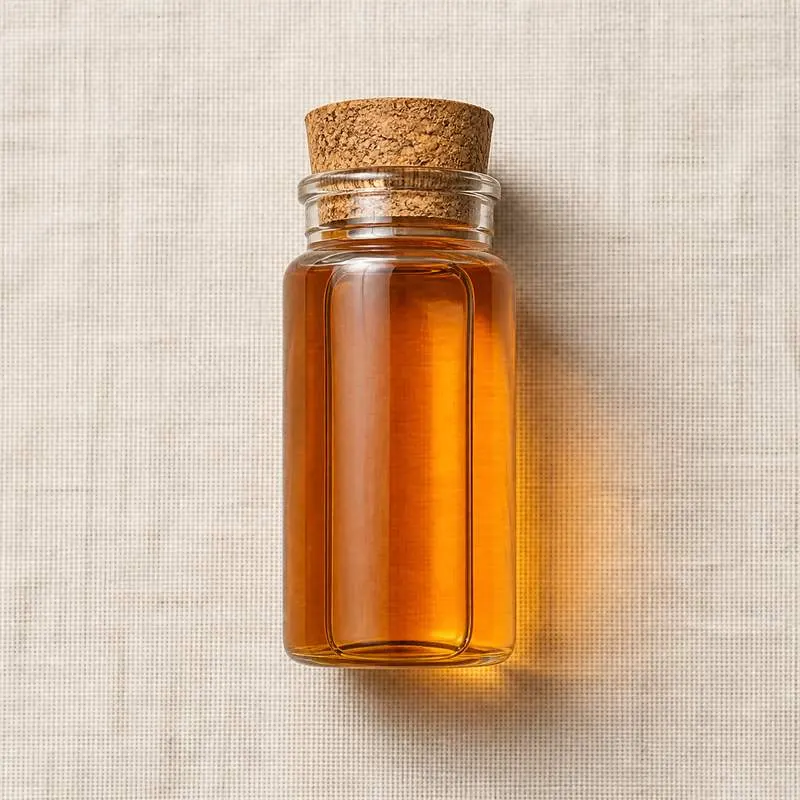
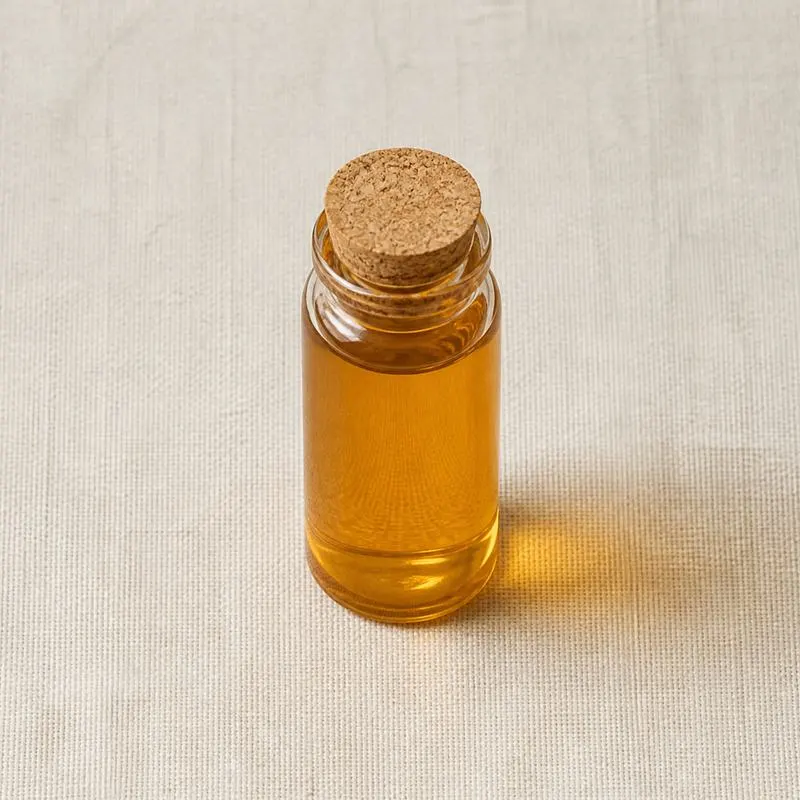
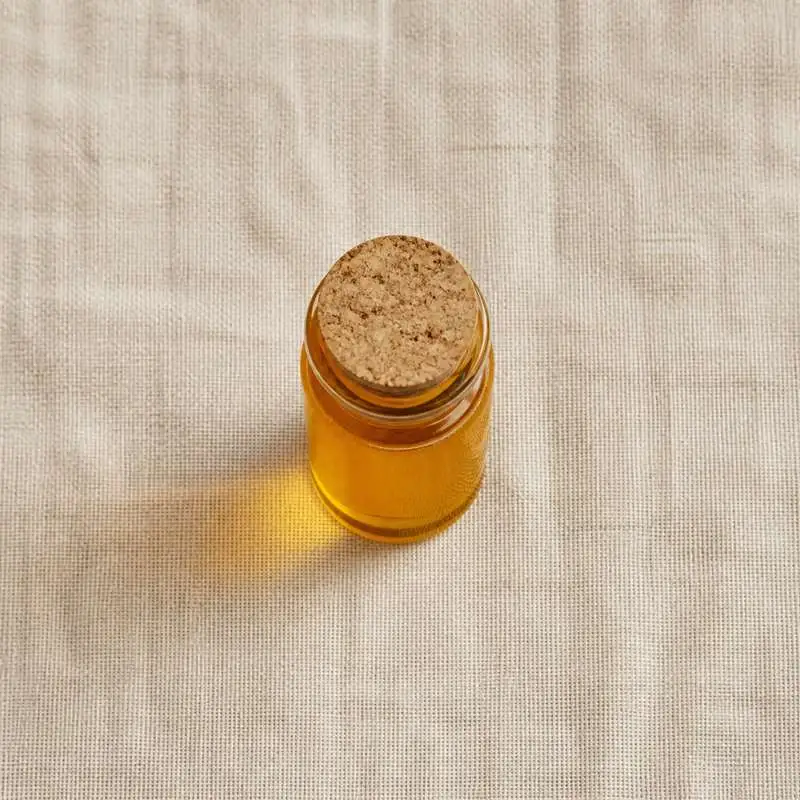
The numbing product is therefore the extracted or infused oil, made by holding the pericarp in warm vegetable oil so that both the volatile aroma fraction and the non volatile amides pass into the fat. That oil is the standard commercial product in Chinese cooking, sold as a clear golden to green tinged liquid. The amides degrade slowly on heat and light exposure, so the oil is stored cool and dark.
We source bulk Zanthoxylum Oil from top China manufacturers for our partners. The manufacturers are in Henan and Sichuan. A smaller requirement can ship in a combined container with other ingredients.
Please send the grade you need, the volume and your destination port, and we will come back with a solution and a price.
or call +86-21-6858 0751
- Function
- Flavours and Aromas
Specifications
| Item | Specification |
|---|---|
| Appearance | Clear golden to greenish yellow oil, free from sediment at 20 C |
| Odour and Taste | Characteristic Sichuan pepper, citrus and woody, distinctly numbing |
| Hydroxy Alpha Sanshool | Not less than 0.30%, by grade |
| Volatile Oil Content | Not less than 1.0% |
| Acid Value | Not more than 0.5 mg KOH per g |
| Peroxide Value | Not more than 5.0 meq per kg |
| Moisture and Volatile Matter | Not more than 0.10% |
| Insoluble Impurities | Not more than 0.05% |
| Relative Density at 20 C | 0.910 to 0.930 |
| Refractive Index at 20 C | 1.468 to 1.478 |
| Benzo[a]pyrene | Not more than 2.0 ug/kg |
| Lead | Not more than 0.1 mg/kg |
| Arsenic | Not more than 0.1 mg/kg |
Common Markets Grades
The primary grade distinction is between the steam distilled essential oil, bought on its linalool and limonene content and used where aroma alone is wanted, and the infused or extracted flavour oil, bought on its sanshool content and used where the numbing effect is required. A third article, a solvent extracted oleoresin, concentrates both fractions and is diluted by the user.
Within the infused oils, the botanical source sets a further split. Red Sichuan pepper oil from Zanthoxylum bungeanum is deeper in colour with a warm, woody, citrus character, while green Sichuan pepper oil, from the green fruited species harvested young, is fresher, sharper and more intensely numbing, and is traded as a separate and generally more expensive product. Grades are also separated by base oil, with rapeseed and blended vegetable oil bases as the standard, and by strength, quoted as a numbing intensity or a hydroxy alpha sanshool figure.
Applications
- Hot pot base manufacture, where it supplies the numbing half of the numbing and spicy profile alongside chili
- Cold dishes and dressed noodles, added at the end so the volatile aroma is not driven off
- Mapo tofu and Sichuan braises, drizzled as a finishing oil after cooking
- Dipping sauces and compound seasoning sauces in the numbing spicy direction
- Instant noodle seasoning oil sachets, one of the largest industrial outlets
- Marinades and rubs for poultry, fish and offal, where the aroma masks strong base notes
- Prepared and frozen ready meals, standardising a sensation that dried pepper delivers inconsistently
- Snack seasonings, using an oleoresin on a dry carrier applied in the tumble drum
- Fragrance and personal care products, where the distilled essential oil is used for its bright citrus pine note
China Manufacturers of Zanthoxylum Oil
Top Zanthoxylum Oil manufacturers in China.
- Henan Mingtian Food Co., Ltd.4 ingredients in the directory
- Sichuan Shenzhou Aote Agricultural Technology Co., Ltd.3 ingredients in the directory
Company names and logos are the property of the manufacturers themselves. They are listed here because our own directory records them as producing this ingredient. A listing is not an endorsement by them, and we do not represent them or speak on their behalf.
Regulatory Status
Sichuan pepper and the oils obtained from it are handled in food law as spice derived flavouring preparations rather than as food additives, so no E number applies. In the European Union the distilled oil and the infused oil are both flavouring preparations obtained from a food source by physical processes, permitted under the general flavourings framework subject to the general safety requirement, and the base oil in an infused grade must itself meet the standards for edible vegetable oils. Imports of Zanthoxylum from China were for some years restricted in the European Union on plant health grounds relating to citrus pests, a control that sits under plant health rather than food law and that heat treated and processed products address differently from raw fruit.
In the United States Sichuan pepper and its derived oils and oleoresins fall among the spices, essential oils and natural extractives recognised as generally recognised as safe for their intended use in food, and manufacture is subject to preventive controls for processed foods. Codex evaluates individual flavouring constituents through JECFA rather than assessing the whole oil, and maintains general hygiene provisions for spices and dried aromatic herbs that apply to the pericarp raw material.
Manufacturing Process
Dried pericarp is cleaned to remove seed, stalk and dust, since the black seed contributes a bitter, oily note and is separated by air classification. For the infused oil the cleaned husk is coarsely crushed and steeped in refined vegetable oil that has been heated and then allowed to fall to a working temperature, commonly between 120 and 140 degrees at the point of contact and lower thereafter. The temperature window is the critical control: too low and the sanshools are not extracted, too high and they decompose and the oil takes on a scorched taste.
Steeping runs for anything from half an hour to several hours with agitation, after which the oil is separated from the spent husk on a screen and clarified through a filter press or by centrifugation. It is then standardised for strength, blended if a green and red mixture is specified, and filled under nitrogen into drums, cans or bottles. The essential oil route replaces the infusion with steam distillation of the crushed pericarp, with the vapour condensed and separated in a florentine vessel and the oil dried and filtered, and it yields no sanshool fraction at all.