1,3-Butanediol
1,3-Butanediol is a four carbon diol, C4H10O2, carrying hydroxyl groups on the first and third carbons. It is a chiral molecule and is traded both as the racemic mixture and as the pure R enantiomer. The R form is the one of nutritional interest, because it is the isomer the body converts efficiently to ketone bodies.
Two quite different commercial identities sit behind the same name. As an industrial chemical it is a humectant, a solvent and a polyester intermediate, used in cosmetics and as a carrier for flavours. As a nutritional ingredient it is a ketone precursor: after ingestion it is oxidised in the liver to beta hydroxybutyrate, raising blood ketone levels without dietary carbohydrate restriction, and it is the cheapest and most widely used route to exogenous ketosis in sports and metabolic products.
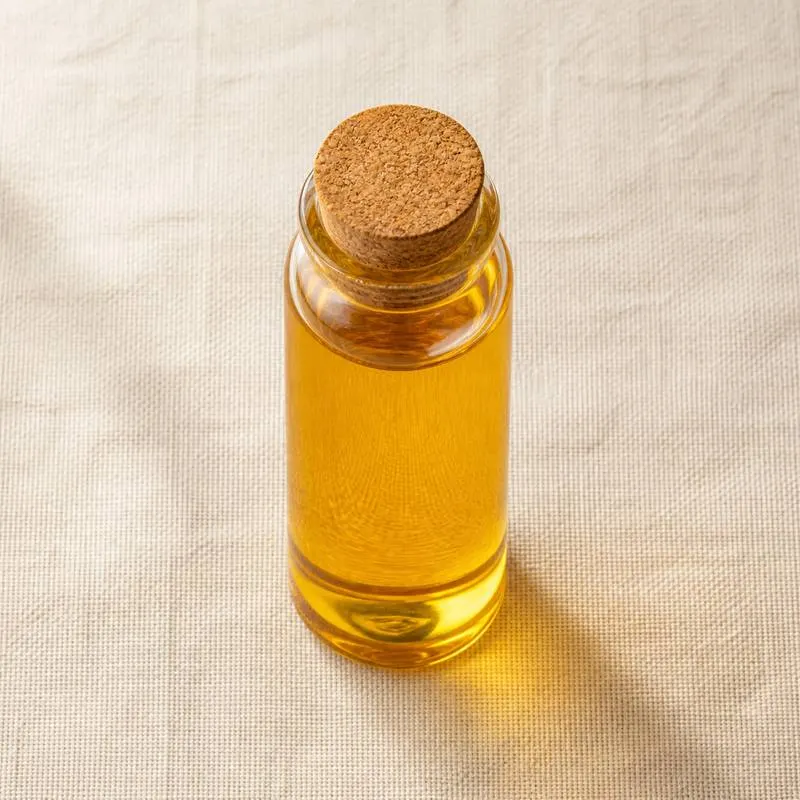
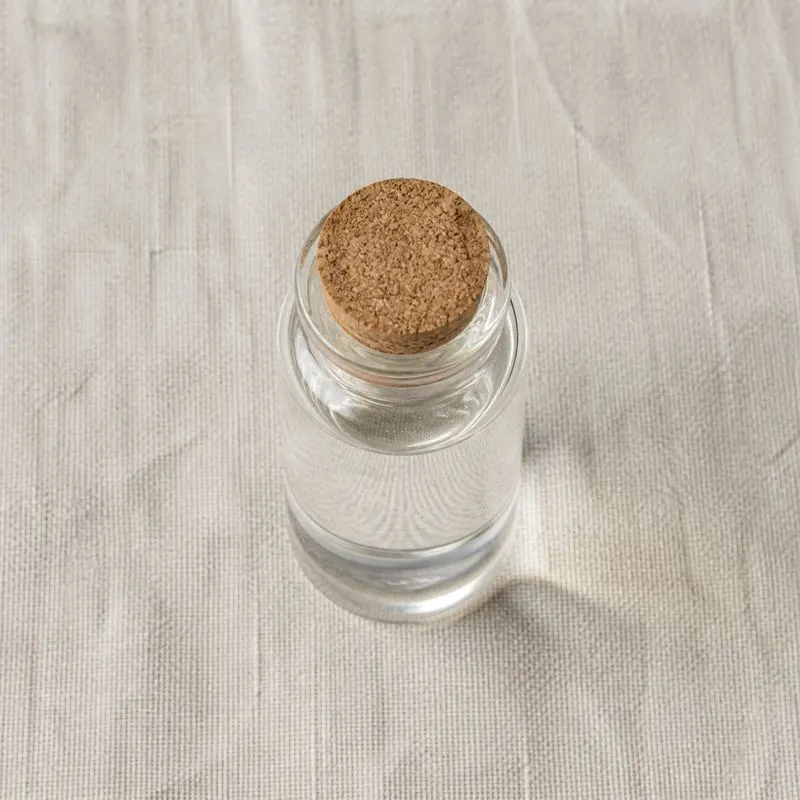
The material is a clear colourless viscous liquid, odourless to faintly sweet, fully miscible with water and with ethanol, and hygroscopic. Its boiling point is around 207 degrees Celsius and it is chemically stable, resisting oxidation and hydrolysis under normal storage and processing. Its practical formulation problems are taste and osmotic load: it is distinctly bitter and burning at effective doses, and the osmotic load limits how much can be delivered in a beverage without gastrointestinal effects.
We source bulk 1,3-Butanediol from top China manufacturers for our partners. The manufacturer is in Jiangsu. A smaller requirement can ship in a combined container with other ingredients.
Please send the grade you need, the volume and your destination port, and we will come back with a solution and a price.
or call +86-21-6858 0751
- Function
- Nutraceutical
Specifications
| Item | Specification |
|---|---|
| Appearance | Clear colourless viscous liquid |
| Odour | Odourless to faintly sweet |
| Assay (gas chromatography) | Not less than 99.0 percent |
| Identification | Infrared spectrum and retention time conform to reference |
| Enantiomeric Excess (R grade) | Not less than 99.0 percent |
| Water Content | Not more than 0.1 percent |
| Acid Value | Not more than 0.05 mg KOH/g |
| Carbonyl Compounds (as crotonaldehyde) | Not more than 50 mg/kg |
| Colour (APHA) | Not more than 10 |
| Refractive Index at 20 C | 1.440 to 1.443 |
| Specific Gravity at 20 C | 1.004 to 1.008 |
| Residual Catalyst Metals | Not more than 5 mg/kg total |
| Lead | Not more than 0.5 mg/kg |
| Arsenic | Not more than 0.5 mg/kg |
| Heavy Metals (as Pb) | Not more than 5 mg/kg |
Common Markets Grades
The first distinction is chirality. Racemic 1,3-butanediol is the bulk industrial and cosmetic grade and is the cheaper material. R-1,3-butanediol is traded separately at a substantial premium for ketone applications, specified on enantiomeric excess as well as on chemical purity, since the S enantiomer is metabolised differently and contributes little to ketone production.
The second distinction is purity tier. Industrial and cosmetic grade runs at 99 percent minimum with limits on water, acid value and carbonyl compounds. Food and supplement grade adds tighter controls on residual catalyst metals, on related diols and alcohols carried through from the synthesis, and on colour, and is supported by a food grade specification rather than an industrial one. Physical presentation is bulk liquid in drums and intermediate bulk containers. A spray dried powder on a carrier such as maltodextrin or acacia gum is offered for dry beverage and capsule formats, and is specified on the diol content of the finished powder rather than on assay of the liquid.
Applications
- Exogenous ketone drinks and shots, where it raises blood beta hydroxybutyrate without carbohydrate restriction
- Ketogenic sports nutrition products aimed at endurance performance and recovery
- Metabolic and cognitive supplements positioned on ketone body availability
- Clinical nutrition research formulations for ketogenic dietary intervention studies
- Humectant in cosmetics and personal care, where it holds moisture in creams and lotions
- Solvent and carrier for flavours and fragrances, where its high boiling point and low volatility suit it
- Plasticiser and intermediate in polyester and polyurethane manufacture
- Antifreeze and hydraulic fluid formulations in industrial applications
- Feedstock for the synthesis of ketone esters and other ketone body derivatives
- Preservation aid in cosmetic systems, where it lowers water activity and boosts other preservatives
Brands Using 1,3-Butanediol
Widely-distributed consumer products that list 1,3-Butanediol on the ingredient label.
- Ketone-IQKetone-IQ No Caffeine Raspberry Shot ↗A ready to drink ketone shot whose active ingredient is R-1,3-butanediol, described on the page as the direct precursor the body converts to D-BHB.Label verified 2026-08-31
- Ketone-IQKetone-IQ +Caffeine Shot ↗The same R-1,3-butanediol ketone shot with 100 mg of added caffeine per serving.Label verified 2026-08-31
Brand names, product names and logos are the property of their owners. They appear here as published evidence that the ingredient is used, taken from the brand's own label or website. Their appearance is not an endorsement, and it does not mean the brand buys from us or from any manufacturer listed on this site.
China Manufacturers of 1,3-Butanediol
Top 1,3-Butanediol manufacturers in China.

Company names and logos are the property of the manufacturers themselves. They are listed here because our own directory records them as producing this ingredient. A listing is not an endorsement by them, and we do not represent them or speak on their behalf.
Regulatory Status
In the United States R-1,3-butanediol has been the subject of a generally recognised as safe notification to the Food and Drug Administration for use in specified beverage and food categories, with the agency responding without objection, and ketone precursor products built on it are sold under that basis or as dietary supplements. The status attaches to the specific enantiomer, manufacturing route and use levels described in the notification, so racemic industrial material does not inherit it. 1,3-Butanediol is separately listed as a permitted indirect food additive in food contact applications and is an established cosmetic ingredient.
In the European Union 1,3-butanediol is not authorised as a novel food and does not appear on the Union list of novel foods, so it may not lawfully be placed on the European market as a food or food supplement ingredient without an authorisation, even though it is accepted in the United States. It is not a food additive and holds no E number. It is a listed cosmetic ingredient and is registered under REACH as an industrial chemical, which is the framework its cosmetic and technical uses fall under. Neither JECFA nor Codex has evaluated the substance for food use or published specifications.
Manufacturing Process
The established industrial route is a two step petrochemical synthesis. Acetaldehyde undergoes aldol condensation over a basic catalyst to give acetaldol, 3 hydroxybutanal, and that intermediate is then hydrogenated over a nickel, copper chromite or ruthenium catalyst under hydrogen pressure to reduce the aldehyde to the second hydroxyl and give the diol. The aldol step is run at low temperature and short residence time because acetaldol dehydrates readily to crotonaldehyde, which carries through as an impurity if the condensation is pushed. Crude diol is neutralised, the catalyst is filtered off, and the product is purified by multi stage vacuum distillation, which removes water, unreacted aldehyde, crotonaldehyde, butanol and higher condensation products.
Producing the single R enantiomer requires a different approach, and two are used commercially. Asymmetric hydrogenation reduces a prochiral precursor, typically ethyl acetoacetate or 4 hydroxy 2 butanone, over a chiral ruthenium phosphine catalyst, giving high enantiomeric excess in one step. Biocatalytic reduction uses a ketoreductase with a cofactor regeneration system to reduce the same class of substrate under mild aqueous conditions, and it is increasingly favoured for food grade material because it avoids heavy metal catalyst residues. Either route is followed by extraction, vacuum distillation and, where necessary, a chiral polishing step. Food grade material receives an additional carbon treatment and a final fractionation to remove trace carbonyls responsible for off odour, then is filtered and filled under nitrogen.