5-Hydroxytryptophan
5-hydroxytryptophan is a naturally occurring amino acid of formula C11H12N2O3, the hydroxylated derivative of L-tryptophan and the direct metabolic precursor of serotonin. It is not a protein building amino acid and does not occur in significant quantity in ordinary foods; commercial material comes from the seed of the West African legume Griffonia simplicifolia, which accumulates it at a few percent of seed weight.
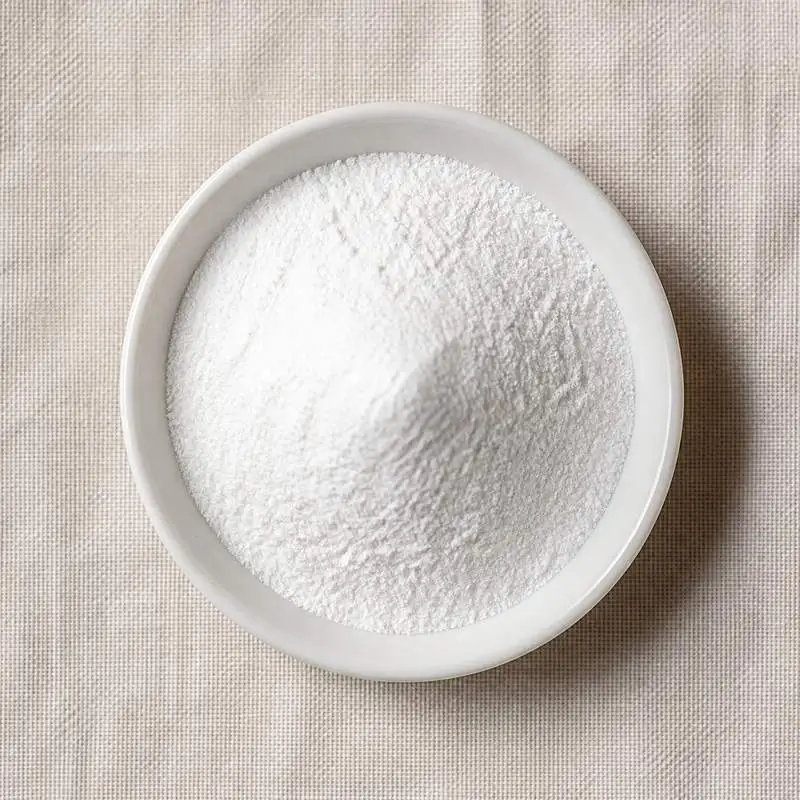
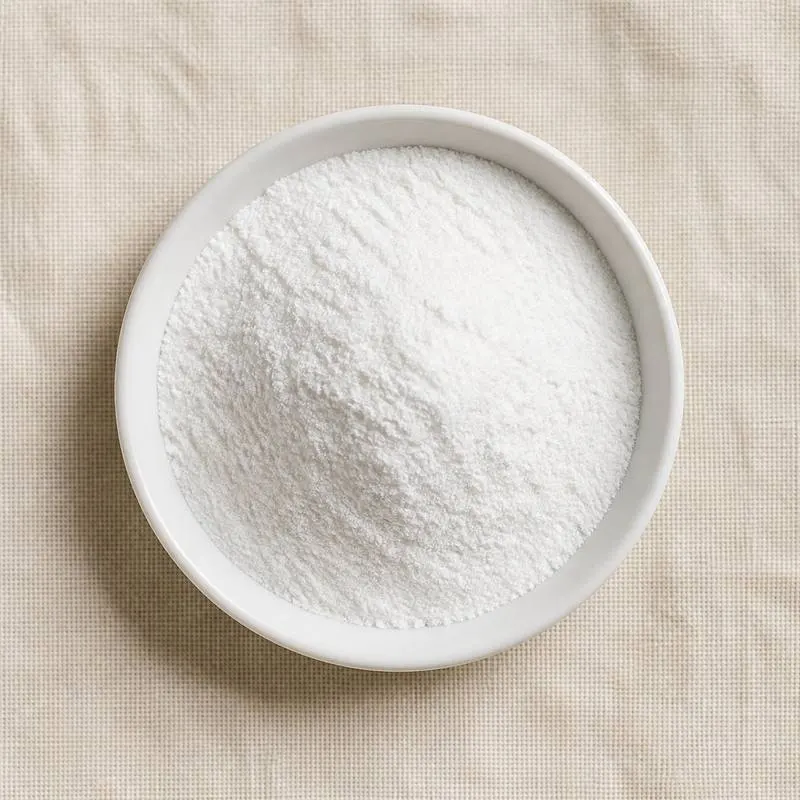
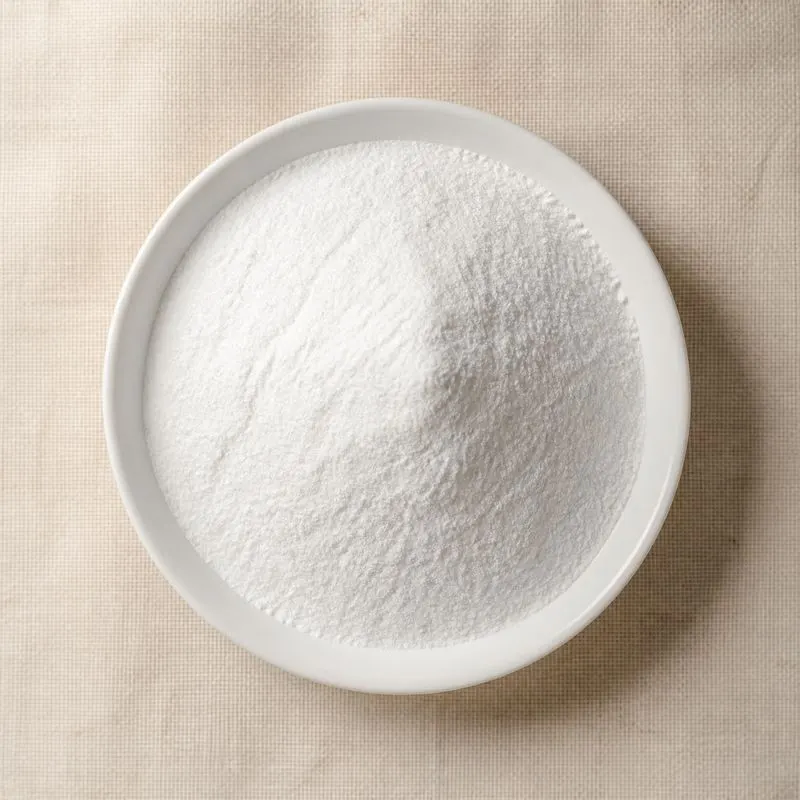
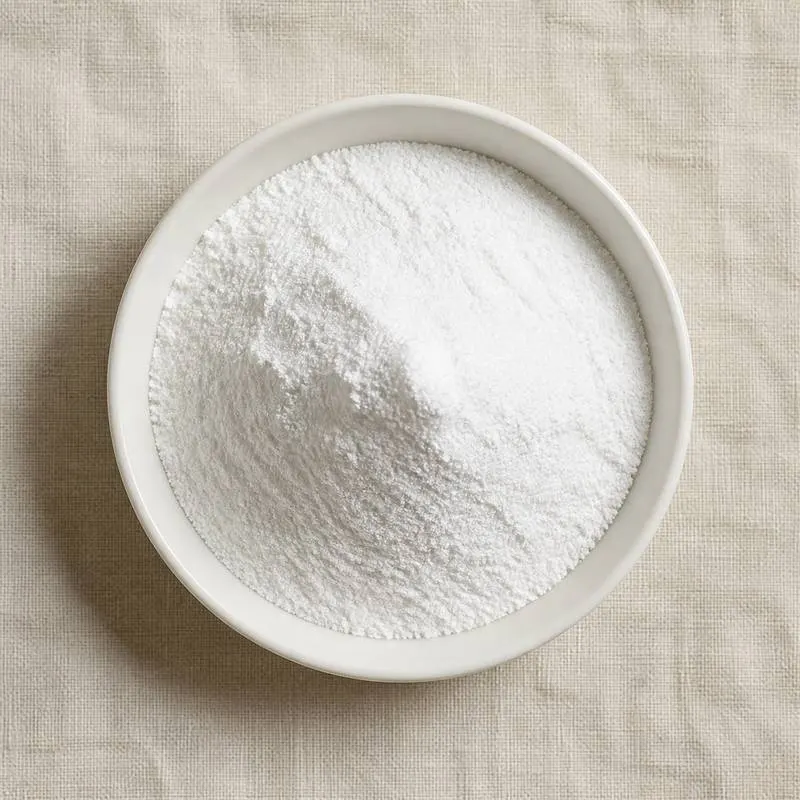
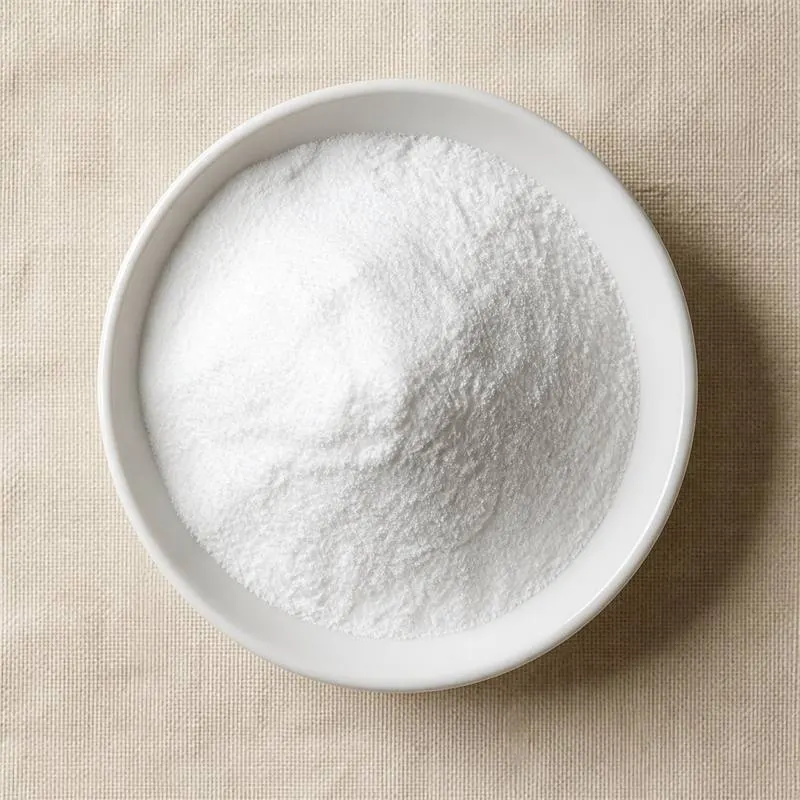
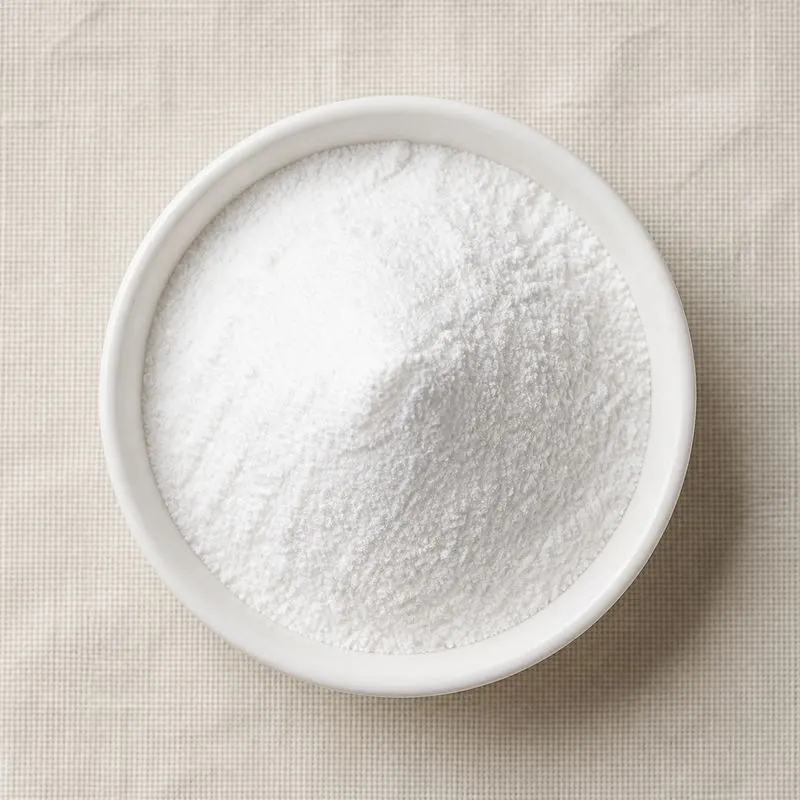
The purified substance is a white to off white or pale beige crystalline powder, odourless or with a faint characteristic odour, and optically active in the L configuration. It is sparingly soluble in cold water and more soluble in hot water and in dilute acid, and practically insoluble in ethanol, ether and chloroform. The molecule carries an indole ring with a phenolic hydroxyl group, which makes it sensitive to light, oxygen and alkaline conditions, so the powder darkens on prolonged exposure and is packed in opaque, sealed containers and stored cool.
Because it sits one enzymatic step from serotonin and crosses the blood brain barrier without the transport competition that limits tryptophan, it is used almost entirely in supplement and nutraceutical products rather than as a food ingredient with a technological function.
We source bulk 5-Hydroxytryptophan from top China manufacturers for our partners. The manufacturers are in Beijing and Hebei. A smaller requirement can ship in a combined container with other ingredients.
Please send the grade you need, the volume and your destination port, and we will come back with a solution and a price.
or call +86-21-6858 0751
Specifications
| Item | Specification |
|---|---|
| Appearance | White to pale beige crystalline powder |
| Botanical source | Seed of Griffonia simplicifolia |
| Identification | Retention time and ultraviolet spectrum conform to reference standard |
| Assay by high performance liquid chromatography | Not less than 98.0% |
| Specific rotation | Minus 30 to minus 36 degrees |
| Related substances, total | Not more than 1.0% |
| Loss on drying | Not more than 1.0% |
| Residue on ignition | Not more than 0.5% |
| Residual solvent, ethanol | Not more than 0.5% |
| Lead, as Pb | Not more than 1 mg/kg |
| Arsenic, as As | Not more than 1 mg/kg |
| Cadmium, as Cd | Not more than 1 mg/kg |
| Total plate count | Not more than 1,000 cfu/g |
| Salmonella | Absent in 25 g |
Common Markets Grades
Material is traded along a spectrum from botanical extract to isolated compound. Standardised Griffonia simplicifolia seed extract is sold at declared potencies, commonly 20, 30 or 50 percent 5-hydroxytryptophan, and retains other seed constituents and a darker colour. Purified grades run at 98 percent minimum and occasionally 99 percent by high performance liquid chromatography, and these are the grades used where a precise dose is required in a small capsule fill.
Physical presentations are fine powder for capsule filling and direct compression, granulated grades for tabletting where flow is limiting, and microencapsulated or coated versions used to mask the bitter taste and to give delayed release. Organic certified extract is produced where the seed supply chain is certified. A separate route supplies material made by enzymatic hydroxylation of tryptophan or by fermentation with engineered organisms, which is documented as non botanical in origin and is subject to different regulatory treatment in several markets, so the origin declaration is part of the specification rather than a marketing detail.
Applications
- Sleep support supplements, usually in capsule or tablet form and often combined with magnesium or with plant extracts
- Mood and wellbeing formulations sold as food supplements in markets that permit the ingredient
- Appetite and weight management products, based on the role of serotonin in satiety signalling
- Combination products with vitamin B6, which is the cofactor for the enzyme that converts the substance to serotonin
- Standardised Griffonia extract sold as a botanical ingredient in herbal formulations
- Sublingual and chewable presentations, where coated grades control the bitter note
- Veterinary and companion animal calming supplements
- Reference and analytical standards for laboratories working on serotonin metabolism
Brands Using 5-Hydroxytryptophan
Widely-distributed consumer products that list 5-Hydroxytryptophan on the ingredient label.
- Natrol5-HTP Mood & Stress Capsules 100 mg ↗Each capsule supplies 100 mg of 5-HTP, listed in the supplement facts as 5-Hydroxytryptophan from Griffonia simplicifolia seed.Label verified 2026-08-31
- Natrol5-HTP Mood & Stress Time Release Tablets 200 mg ↗A time release tablet delivering 200 mg of 5-HTP sourced from Griffonia simplicifolia seed.Label verified 2026-08-31
- Nature's Way5-HTP ↗Two tablets provide 100 mg of 5-HTP from Griffonia simplicifolia seed extract, with added vitamin C and vitamin B6.Label verified 2026-08-31
Brand names, product names and logos are the property of their owners. They appear here as published evidence that the ingredient is used, taken from the brand's own label or website. Their appearance is not an endorsement, and it does not mean the brand buys from us or from any manufacturer listed on this site.
China Manufacturers of 5-Hydroxytryptophan
Top 5-Hydroxytryptophan manufacturers in China.
 GENEDART Biotechnology Co., Ltd.6 ingredients in the directory
 VDK NaturaSyn Co., Ltd.5 ingredients in the directory
Company names and logos are the property of the manufacturers themselves. They are listed here because our own directory records them as producing this ingredient. A listing is not an endorsement by them, and we do not represent them or speak on their behalf.
Regulatory Status
In the United States 5-hydroxytryptophan is marketed as a dietary ingredient in food supplements under the Dietary Supplement Health and Education Act. It has no food additive listing and no generally recognised as safe affirmation for use in conventional food, so it is not lawfully added to ordinary foods and beverages. Regulatory attention has centred on the impurity profile of the material rather than on the compound itself, following historical contamination incidents associated with fermented tryptophan products, and suppliers are expected to characterise related substances by chromatography and to document the absence of the impurity peaks identified in that episode.
In the European Union the position varies by member state. The substance is not an authorised food additive and carries no E number. Several member states classify it as a medicinal substance and do not permit it in food supplements, while others allow it on the basis of demonstrated consumption before the novel food cut off date, and the entry in the novel food catalogue reflects that split. Material produced by enzymatic or fermentation routes rather than by extraction from Griffonia seed is treated as a different substance for novel food purposes and generally requires authorisation under Regulation (EU) 2015/2283. Neither Codex nor JECFA has established specifications for the substance.
Manufacturing Process
Commercial production is an extraction process rather than a synthesis. Ripe pods of Griffonia simplicifolia are collected, principally in Ghana, Ivory Coast and neighbouring countries, and the seeds are separated, dried and cleaned of pod fragments and foreign matter. The dried seed is milled to open the tissue, and the milled material is extracted with hot water or with an aqueous ethanol mixture in a countercurrent or batch percolation system, with pH held slightly acidic because the compound is unstable to alkali.
The crude extract is filtered and clarified, then loaded onto adsorption or ion exchange resin, which captures the target and lets sugars, proteins and much of the colour pass. The resin is washed and eluted, and the eluate is decolourised over activated carbon and concentrated under vacuum at moderate temperature and under reduced light. Purified grades are then crystallised, usually by cooling and by adjusting the solvent composition, and recrystallised where 98 percent or better is required. Crystals are separated in a centrifuge, washed, dried under vacuum, milled to the target particle size, sieved, checked by metal detection and packed in light excluding containers. Standardised extract grades skip the crystallisation and are instead spray dried onto a carrier to a declared assay.