Acetylated Mono-And Diglycerides
Acetylated Mono And Diglycerides are food emulsifiers and surface coating agents produced by reacting monoglycerides and diglycerides of fatty acids with acetic anhydride. They carry the European food additive number E472a and serve as one of the most widely used edible film-forming agents in modern food manufacturing.
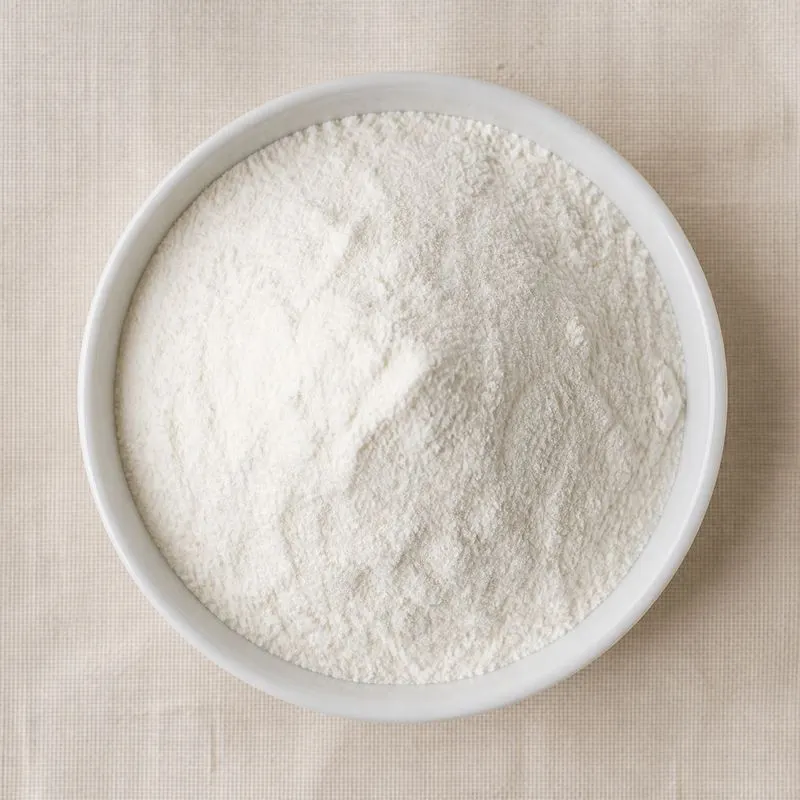
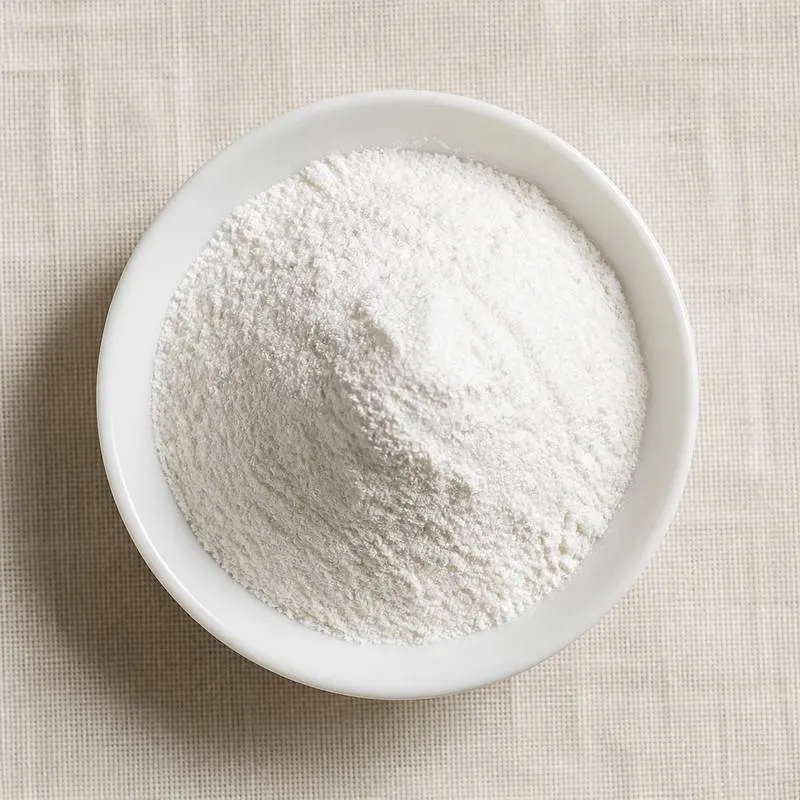
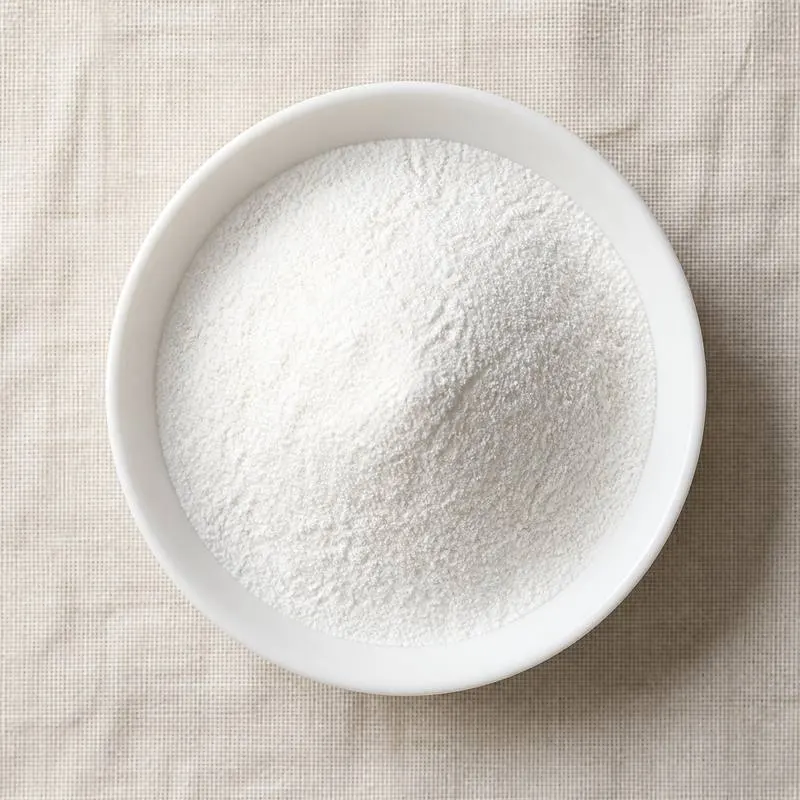
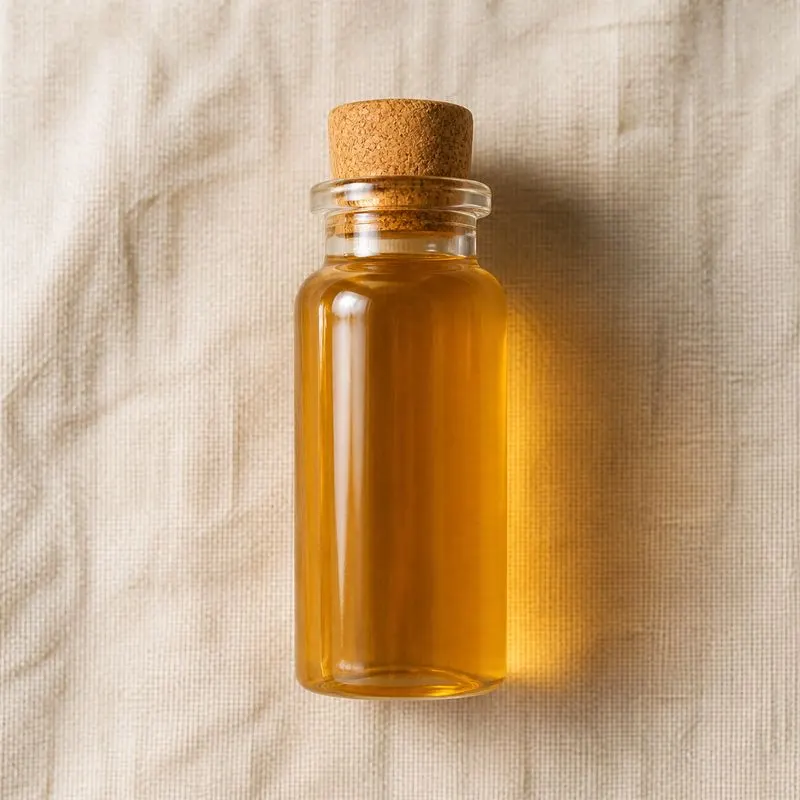
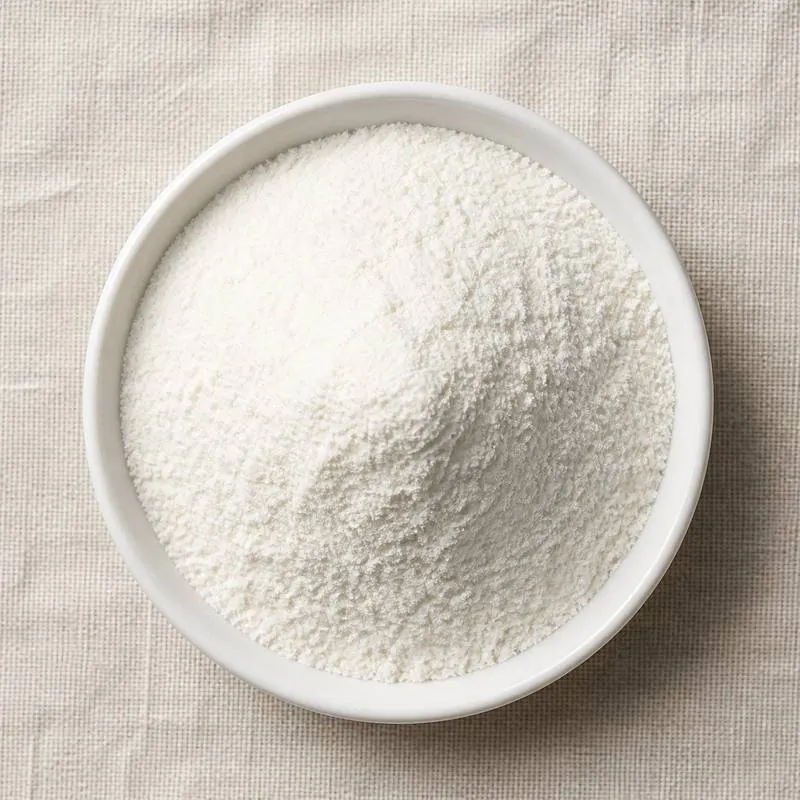
The material is a clear yellow oil or a waxy solid, depending on the parent fatty acid profile. Acetyl substitution replaces one or both free hydroxyl groups on the glycerol backbone, producing a molecule with distinctive film-forming and lubricating properties.
We source bulk Acetylated Mono-And Diglycerides from top China manufacturers for our partners, working with several of them. The manufacturers are in Guangdong, Henan and Zhejiang. A smaller requirement can ship in a combined container with other ingredients.
Please send the grade you need, the volume and your destination port, and we will come back with a solution and a price.
or call +86-21-6858 0751
- Packaging
- 25 kg kraft paper bag with PE inner liner
- ISO 9001
- HACCP
- Halal
- Kosher
Specifications
| Item | Specification |
|---|---|
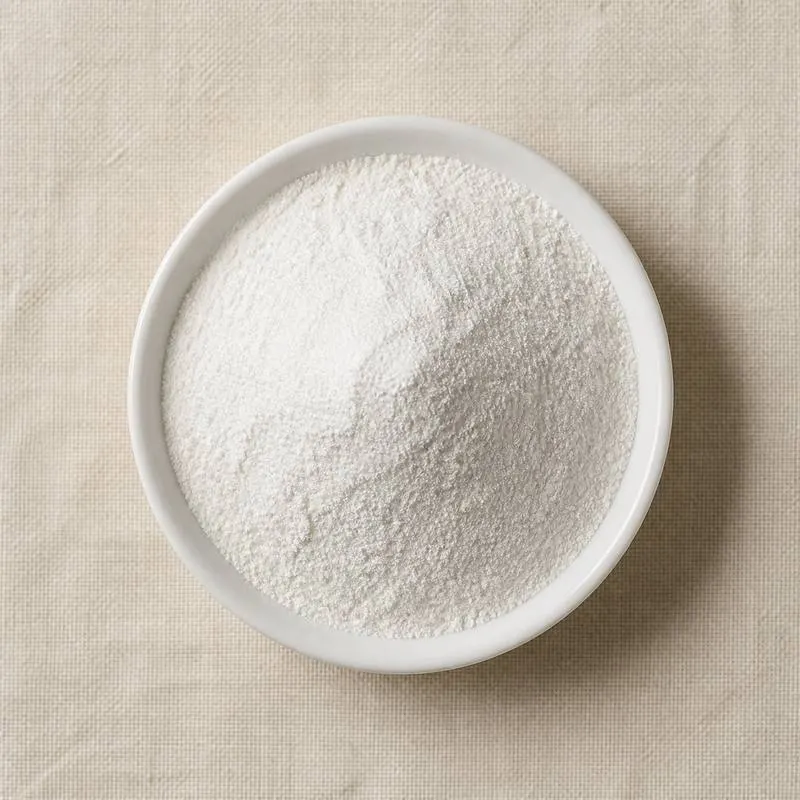
| Appearance | White to off-white waxy solid or flakes |
| Odour | Bland, characteristic of the material |
| Melting Point | 30-45°C |
| Acid Value | ≤ 4.0 mg KOH/g |
| Saponification Value | 260-360 mg KOH/g |
| Iodine Value | ≤ 3.0 g I₂/100g |
| Free Glycerol | ≤ 2.0% |
| Loss on Drying | ≤ 1.0% |
| Residue on Ignition | ≤ 0.5% |
| Solubility | Insoluble in water; soluble in ethanol and hot vegetable oils |
| Heavy Metals (as Pb) | ≤ 2 mg/kg |
| Arsenic | ≤ 3 mg/kg |
| Total Plate Count | ≤ 1,000 cfu/g |
| Salmonella | Negative/25g |
Common Markets Grades
Acetylated Mono And Diglycerides are graded by degree of acetylation, melting point, and parent fat source.
Fully acetylated grades carry both free hydroxyl groups substituted with acetyl groups, yielding a material with a melting point between 30 and 45 degrees Celsius. Partially acetylated grades retain one free hydroxyl group and offer a higher melting point with stronger plasticizing function.
Hydrogenated grades use fully hydrogenated vegetable oil starting material and deliver elevated melting points above 50 degrees Celsius for confectionery coating applications.
Liquid and flake formats are produced. Liquid grades serve spray coating and beverage emulsion use, while flake grades suit confectionery bloom inhibitor and bakery shortening applications.
Applications
- Edible coating films for fresh fruits, nuts, and confectionery centres
- Bloom inhibitor films on chocolate and panned candy
- Frosting, glaze, and icing formulations
- Whipped cream and aerosol topping bases
- Sponge cake and angel food cake batters
- Frozen dessert and ice cream emulsions
- Pharmaceutical tablet coatings
- Capsule and softgel surface films
- Beverage cloud emulsions for soft drinks
- Confectionery fat blooms control in pralines
- Plant-based meat fat binding
- Cosmetic skincare emollients and lip product bases
China Manufacturers of Acetylated Mono-And Diglycerides
Top Acetylated Mono-And Diglycerides manufacturers in China.
 GU (Guangzhou) Additive Co., Ltd.10 ingredients in the directory
- Landfood Biotechnology (Henan) Co., Ltd.9 ingredients in the directory
 Zhejiang Golden Palm Technology Co., Ltd.12 ingredients in the directory
Company names and logos are the property of the manufacturers themselves. They are listed here because our own directory records them as producing this ingredient. A listing is not an endorsement by them, and we do not represent them or speak on their behalf.
How We Help Source Acetylated Mono-And Diglycerides
Direct Factory Sourcing
We run the whole process: selecting the manufacturer from the top Chinese food ingredient producers, negotiating the price, verifying quality, and coordinating the logistics. You deal with us instead of with several factories at once.
Original Packaging and Documents from the Manufacturer
The manufacturer sends your Acetylated Mono-And Diglycerides out of its own factory in the original packing, through to your destination port. The COA, COO, MSDS, TDS and any certifications reach you from the manufacturer as well.
Free Samples and Lead Time
We send 100 to 500 g free for your own laboratory to test and you cover only the courier, usually within 2 to 3 working days. ETD is usually within 7 to 15 days once the order is confirmed, and we check that date against the factory's own manufacturing schedule before we give it to you.
Combined Shipment
We can load Acetylated Mono-And Diglycerides together with other ingredients such as Polyglycerol Esters of Fatty Acids, Non-Dairy Creamer and Mono- and Diglycerides of Fatty Acids into one 20' FCL. If your quantity is small, we can also ship LCL.
Regulatory Status
Acetylated Mono And Diglycerides are approved as a food additive under E472a in the European Union for general food use at quantum satis, subject to specific restrictions on certain product categories.
The United States Food and Drug Administration lists acetylated monoglycerides as Generally Recognized as Safe under 21 CFR 172.828 with defined identity and purity specifications.
JECFA evaluated the acetic acid esters of mono and diglycerides and concluded that an intake limit was not required.
The Food Chemicals Codex carries a monograph for acetylated mono and diglycerides covering identification, free fatty acid, free glycerol, and saponification value tests. Kosher and Halal certifications are widely available, with vegan and non-GMO documentation offered for plant-source grades.
Manufacturing Process
Acetylated Mono And Diglycerides are produced by reacting standard monoglycerides and diglycerides of fatty acids with acetic anhydride.
The starting monoglyceride or distilled monoglyceride is melted and charged to a stirred reactor. Acetic anhydride is added at a controlled rate at temperatures between 100 and 150 degrees Celsius. The reaction proceeds without an added catalyst, with acetic acid generated as a byproduct.
The reaction mixture is then stripped under vacuum at elevated temperature to remove residual acetic acid and unreacted anhydride. The clean acetylated product is filtered, deodorised, and standardised for degree of acetylation, free fatty acid content, and saponification value.
Hydrogenated grades use a hydrogenation step on the parent monoglyceride before the acetylation reaction. The choice of palm, soybean, sunflower, or rapeseed parent oil determines the fatty acid profile and melting point of the final product.