Acid Hydrolyzed Vegetable Protein Seasoning
Acid hydrolysed vegetable protein seasoning is a savoury base made by breaking plant protein down to its constituent amino acids with hot hydrochloric acid, then neutralising and refining the resulting liquor. It is one of the oldest industrial umami ingredients, predating fermented soy sauce in industrial use, and it remains the backbone of many bouillon, snack and sauce formulations.
Its taste comes from the free amino acids released by the hydrolysis, above all glutamic acid, which is present at levels far higher than in the intact protein and which the neutralisation step converts into monosodium glutamate in situ. Around that sit aspartic acid, the sulphur amino acids and a range of peptides, together with pyrazines, furanones and other compounds formed by reaction between the amino acids and the sugars of the feedstock during the hot acid stage, which give the material its characteristic meaty, roasted, slightly burnt character.
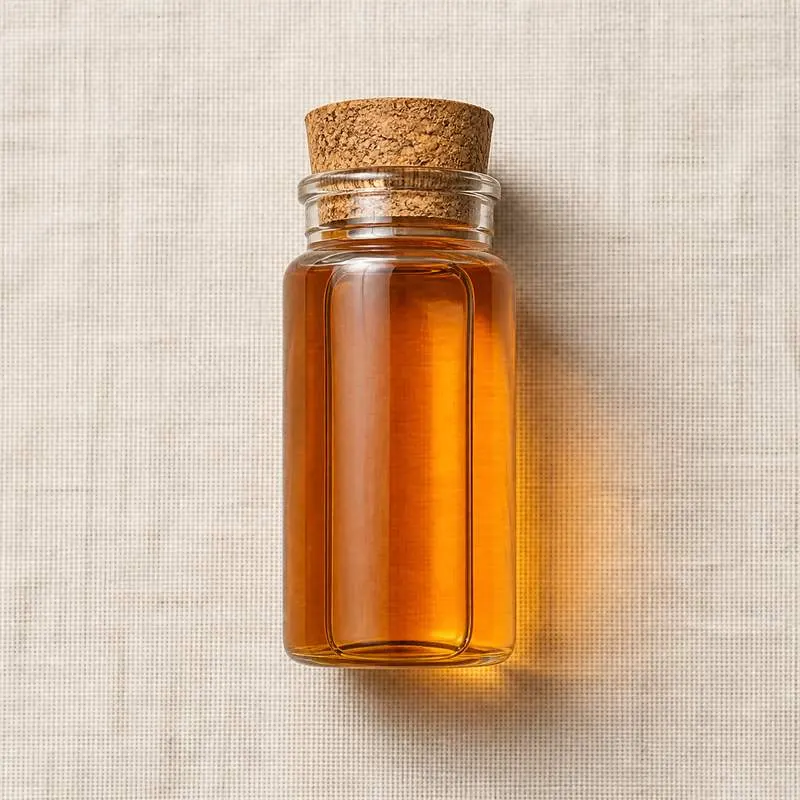
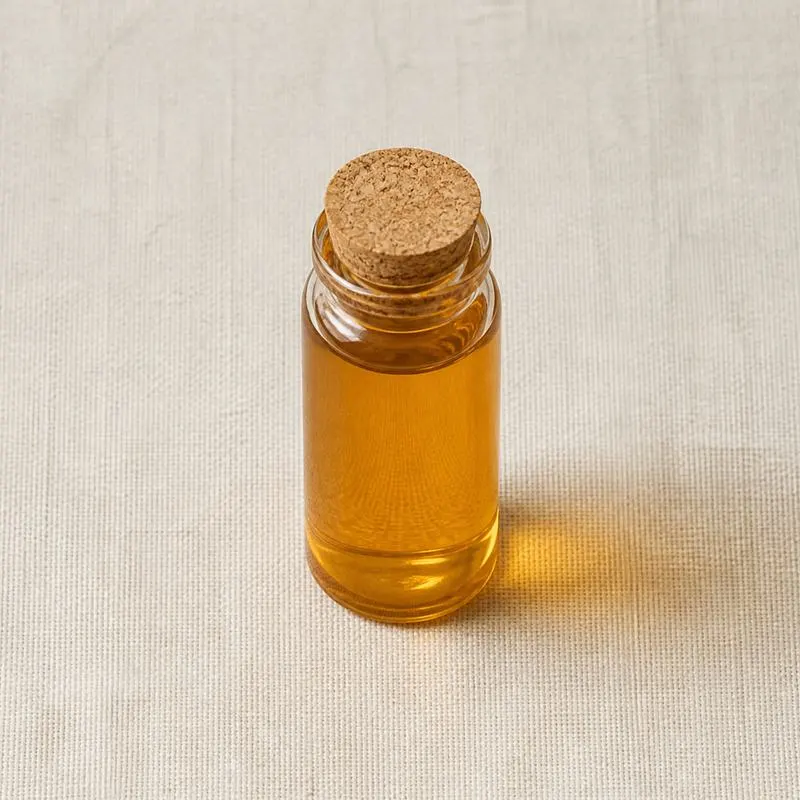
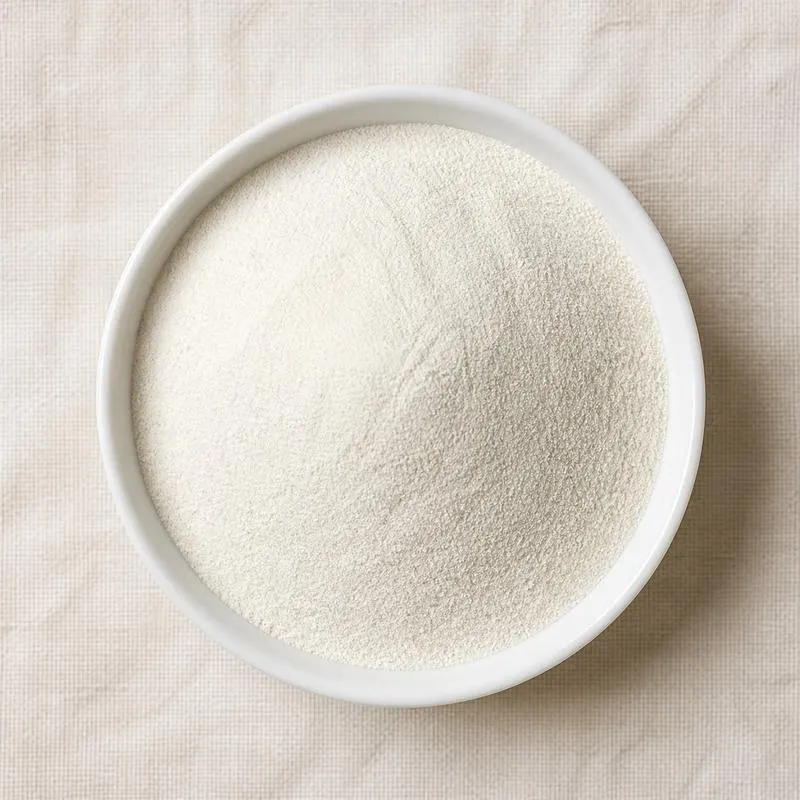
Three formats are traded: a dark brown liquid at around forty percent solids, a paste, and a spray dried free flowing powder. The sodium content is high, since neutralising the hydrochloric acid produces a large quantity of sodium chloride that stays in the product, and this is the constraint that limits how much can be dosed into a finished food.
We source bulk Acid Hydrolyzed Vegetable Protein Seasoning from top China manufacturers for our partners. The manufacturer is in Zhejiang. A smaller requirement can ship in a combined container with other ingredients.
Please send the grade you need, the volume and your destination port, and we will come back with a solution and a price.
or call +86-21-6858 0751
- Function
- Flavours and Aromas
Specifications
| Item | Specification |
|---|---|
| Appearance | Dark brown clear liquid, free from sediment |
| Odour and Taste | Characteristic savoury and meaty, no burnt or acrid note |
| Total Solids | Not less than 40.0% |
| Total Nitrogen | Not less than 4.0% |
| Amino Nitrogen | Not less than 3.0% |
| Sodium Chloride | Not more than 22.0% |
| pH | 4.8 to 5.8 |
| 3-Monochloropropane-1,2-diol | Not more than 0.02 mg/kg |
| 1,3-Dichloropropan-2-ol | Not detected |
| Lead | Not more than 1.0 mg/kg |
| Arsenic | Not more than 0.5 mg/kg |
| Total Plate Count | Not more than 1,000 cfu/g |
| Yeast and Mould | Not more than 50 cfu/g |
| Salmonella | Absent in 25 g |
Common Markets Grades
Grades are described first by feedstock. Defatted soya meal gives the strongest and most rounded profile and is the volume raw material, wheat gluten gives a lighter and cleaner taste, and maize gluten and rapeseed meal are used where soya and wheat allergens must be avoided. Each carries its own allergen declaration.
The second axis is form and strength, quoted as total solids and as total or amino nitrogen. Liquid grades at around forty percent solids are the standard article, pastes are traded where freight cost matters, and spray dried powders are used in dry seasoning blends. Grades are further separated by colour, from dark standard material to decolourised light grades used where the seasoning must not darken a pale product, by salt content, with reduced sodium grades produced by partial desalting, and by the chloropropanol specification, since low and non detectable grades command a premium and require an additional refining stage.
Applications
- Bouillon cubes, stock powders and soup bases, where it supplies the savoury backbone at lower cost than yeast extract
- Savoury snack seasonings applied in the tumble drum, contributing both salt and umami
- Instant noodle seasoning sachets and seasoning oils
- Sauces and gravies, including brown sauces and stir fry sauces built on a hydrolysate base
- Meat products and further processed poultry, where it reinforces the savoury note of an extended formulation
- Reaction flavour manufacture, as the amino acid rich feedstock for thermal process meat flavours
- Plant based meat analogues, providing savoury depth without an animal derived ingredient
- Ready meals and chilled prepared dishes, standardising a savoury base across a recipe range
- Pet food palatants, where the hydrolysate contributes both taste and aroma
China Manufacturers of Acid Hydrolyzed Vegetable Protein Seasoning
Top Acid Hydrolyzed Vegetable Protein Seasoning manufacturers in China.

Company names and logos are the property of the manufacturers themselves. They are listed here because our own directory records them as producing this ingredient. A listing is not an endorsement by them, and we do not represent them or speak on their behalf.
Regulatory Status
Acid hydrolysed vegetable protein is a food ingredient rather than an additive, so no E number applies, and the regulatory attention it receives concerns the chloropropanol contaminants formed during manufacture. In the European Union maximum levels for 3-monochloropropane-1,2-diol in hydrolysed vegetable protein and in soy sauce are set in the contaminants regulation, and compliance rests on the alkaline treatment step and on control of the fat content of the feedstock. Products containing soya, wheat or other allergenic feedstock must declare it.
In the United States the ingredient is used as a flavouring and flavour enhancer, and where the hydrolysis generates glutamate the label must make that clear rather than concealing it within a general flavour declaration. Manufacture falls under preventive controls with the chloropropanols identified as a chemical hazard requiring a control. Codex has adopted a code of practice for the reduction of 3-monochloropropane-1,2-diol during the production of acid hydrolysed vegetable proteins and products made from them, which sets out the alkaline treatment and raw material controls that the industry follows.
Manufacturing Process
Defatted vegetable protein meal is charged into a lined or glass fibre reinforced reactor with concentrated hydrochloric acid and heated under reflux, typically between one hundred and one hundred and twenty degrees for eight to twenty four hours. The acid cleaves the peptide bonds completely, so the product is a mixture of free amino acids rather than of peptides, and the extent of the reaction is followed by measuring the rise in amino nitrogen. Defatting the meal beforehand matters for more than yield: residual lipid reacts with the acid to form chloropropanols, so the fat content of the feedstock is the first control point in managing that contaminant.
The hydrolysate is neutralised with sodium carbonate or sodium hydroxide to a slightly acid pH, and a controlled alkaline hold at elevated temperature is applied at this stage, because the chloropropanols formed during hydrolysis are destroyed under alkaline conditions and this treatment is the principal mitigation step. Humin and insoluble residue are removed by filtration or centrifugation, and the liquor is decolourised over activated carbon to the target colour. It is then concentrated under vacuum to the specified solids, filtered again, and either pasteurised and filled as a liquid or spray dried with or without a carrier to give a powder.