Aloe Vera Gel Freeze Dried
Freeze-dried aloe vera gel is the inner leaf parenchyma of Aloe barbadensis Miller concentrated and dried by lyophilisation rather than by spray drying, and it exists because the acetylated polysaccharide that gives aloe gel its function is heat sensitive. Sublimating the water from a frozen state removes it without ever passing the material through the hot air of a spray drier, so the acemannan chain length and acetylation survive to a degree that hot drying does not permit.
The article is normally carrier free, or made with only a small quantity of carrier, which is the second point of difference from spray-dried gel: a 200 fold spray-dried powder is typically half maltodextrin, whereas a freeze-dried gel is close to pure aloe solids. Concentration factors of 100 to 200 fold are quoted on the same basis as for liquid gel.
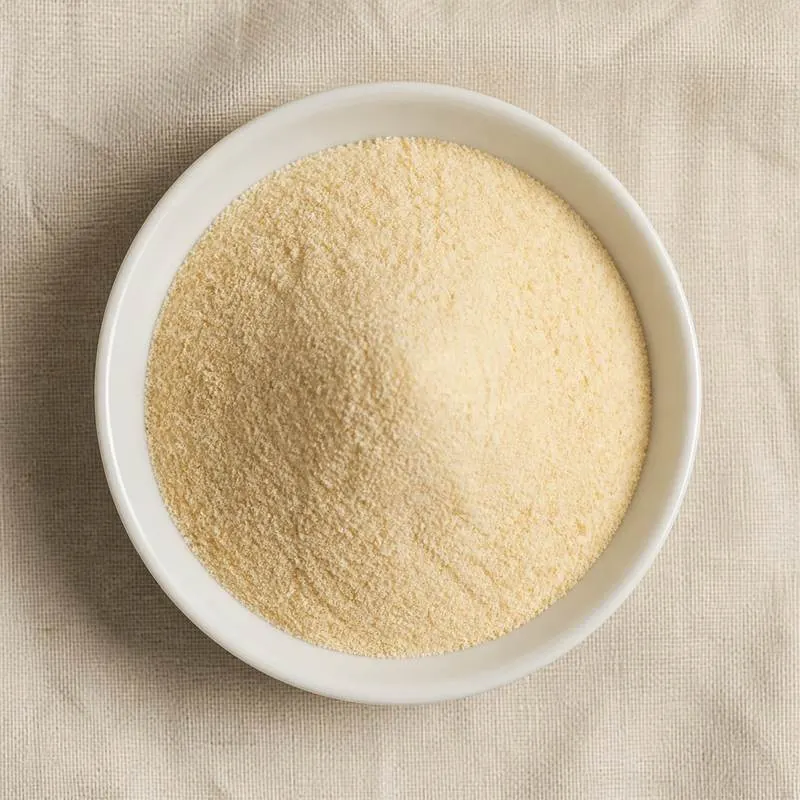
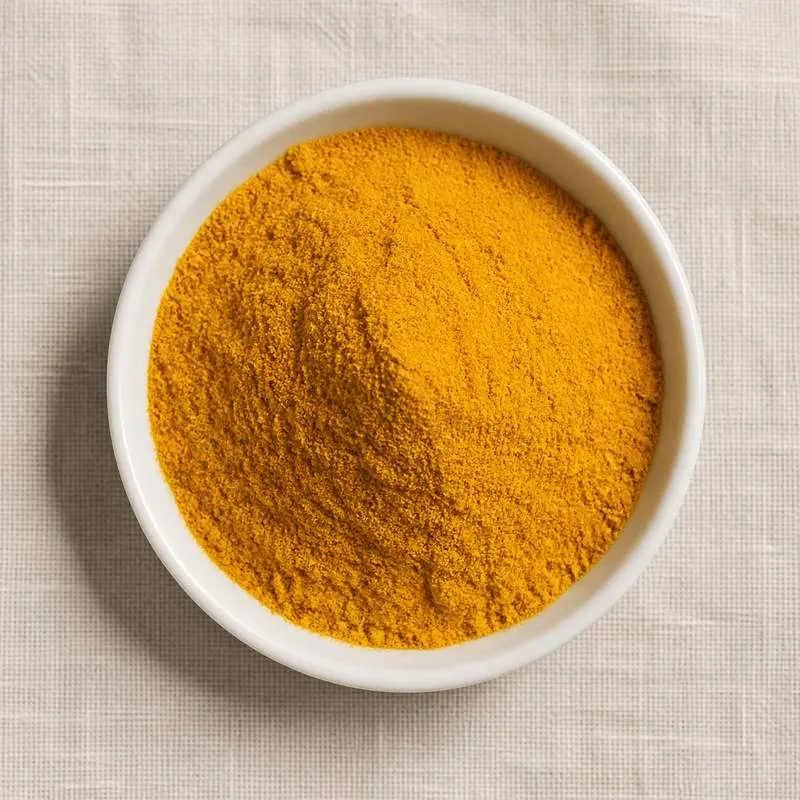
The powder is off-white to pale cream, light and friable, and strongly hygroscopic, taking up moisture from the air within minutes of a bag being opened. It redissolves in water to a slightly viscous, near neutral solution that reconstitutes to something close to the original gel. Because it is carrier free the solids figure and the polysaccharide figure move together, so a low assay indicates degradation rather than dilution.
We source bulk Aloe Vera Gel Freeze Dried from top China manufacturers for our partners. The manufacturer is in Zhejiang. A smaller requirement can ship in a combined container with other ingredients.
Please send the grade you need, the volume and your destination port, and we will come back with a solution and a price.
or call +86-21-6858 0751
- Function
- Plant extract
Specifications
| Item | Specification |
|---|---|
| Appearance | Off-white to pale cream light friable powder, hygroscopic |
| Botanical source | Inner leaf fillet of Aloe barbadensis Miller |
| Concentration factor | 200 fold, carrier free |
| Acemannan or total polysaccharide | 15.0 percent minimum on dry basis |
| Identification | Chromatographic profile conforms to aloe inner leaf reference |
| Aloin A plus aloin B | 10 mg/kg maximum |
| Loss on drying | 6.0 percent maximum |
| Total ash | 25.0 percent maximum |
| pH (1 percent aqueous solution) | 3.5 to 4.7 |
| Solubility | Redissolves completely in water at 5 g/l |
| Lead | 1.0 mg/kg maximum |
| Arsenic | 1.0 mg/kg maximum |
| Total plate count | 1000 cfu/g maximum |
| Salmonella | Absent in 25 g |
Common Markets Grades
Grades are quoted by concentration factor, most often 100 fold and 200 fold, and by polysaccharide content. For this article the polysaccharide number is the one that matters, since the whole purpose of freeze drying is to preserve it. Acemannan or total polysaccharide on dry solids, measured by an appropriate method, is the discriminating specification and can differ several fold between suppliers offering nominally identical material.
Aloin content is specified and held low, which is easy to achieve for inner leaf material where the latex was drained and the rind removed before processing. Carrier-free and low-carrier grades are distinguished, and buyers should confirm which is on offer, because a freeze-dried powder standardised with maltodextrin is a different article from a pure one. Certification under the International Aloe Science Council programme is commonly required as third party assurance of identity and dilution. Organic certified lots are available, and particle size is quoted as a distribution since freeze-dried cake is milled rather than atomised.
Applications
- Capsule and tablet supplements, where a carrier-free powder maximises aloe solids per capsule
- High-solids skin care formulations, serums and masks requiring high polysaccharide activity
- Instant aloe drink powders and sachets that reconstitute to a gel-like texture
- Nutricosmetic and beauty-from-within powder blends
- Gut comfort and digestive supplement formulas
- Dry blend applications where a liquid gel cannot be used
- Wound care and cosmetic repair products formulated on acemannan content
- Sports and recovery powders using aloe as a functional carbohydrate source
- Analytical and reference material for aloe polysaccharide work
China Manufacturers of Aloe Vera Gel Freeze Dried
Top Aloe Vera Gel Freeze Dried manufacturers in China.

Company names and logos are the property of the manufacturers themselves. They are listed here because our own directory records them as producing this ingredient. A listing is not an endorsement by them, and we do not represent them or speak on their behalf.
Regulatory Status
In the United States freeze-dried aloe inner leaf gel is used in supplements, foods and cosmetics on the same basis as the liquid gel, being the same material with the water removed. Aloe vera gel from the inner leaf has a history of use in beverages and is treated as a food ingredient, and aloe vera is listed among the natural flavouring substances. The regulatory distinction that matters is between the gel and the aloin-bearing latex, since the FDA removed aloe latex from over-the-counter laxative products for want of submitted safety data. Cosmetic use falls under the general safety and labelling provisions.
In the European Union preparations from Aloe species containing hydroxyanthracene derivatives, including aloin and aloe-emodin, are prohibited for use in food, so a supplier of freeze-dried gel must be able to demonstrate that these are absent, and a certificate of analysis showing aloin below the limit of detection is the practical requirement rather than an optional extra. Decolourised inner leaf material remains usable. There is no E number. Cosmetic use is governed by the cosmetic products regulation. Codex has not adopted a standard for aloe preparations; the general provisions on contaminants and hygiene apply.
Manufacturing Process
The front of the process is the same as for liquid gel and must be as fast. Leaves are cut, washed and sanitised, drained butt down so that the yellow latex runs out, and filleted to separate the clear parenchyma from the rind, all within hours of harvest because the plant's own enzymes begin depolymerising the acemannan at the cut surface. The fillet is ground, depulped through a screen and filtered, with any enzyme treatment kept minimal since cellulase and pectinase reduce viscosity by cutting the very polysaccharide being preserved.
The juice is concentrated gently, by reverse osmosis or ultrafiltration rather than by evaporation, to raise the solids before drying, since freeze drying a dilute liquid is uneconomic. The concentrate is frozen, usually on trays or as pellets, and loaded into a vacuum chamber where the ice sublimes under low pressure with controlled shelf heating. The cycle takes many hours and is the reason the article costs several times what spray-dried powder does. Secondary drying removes bound water to a low residual moisture. The dry cake is broken and milled under low humidity, sieved, and packed immediately in foil laminate with a desiccant under nitrogen, because the powder is hygroscopic enough to cake on exposure to normal room air.