Ammonium Acetate
Ammonium acetate is the ammonium salt of acetic acid, formula CH3COONH4, a white crystalline solid used principally as a buffering salt in the pH range around 4 to 6 and again near 8 to 10. In food it acts as an acidity regulator and a source of usable nitrogen, while its largest single outlet is as the volatile buffer of choice for liquid chromatography and mass spectrometry.
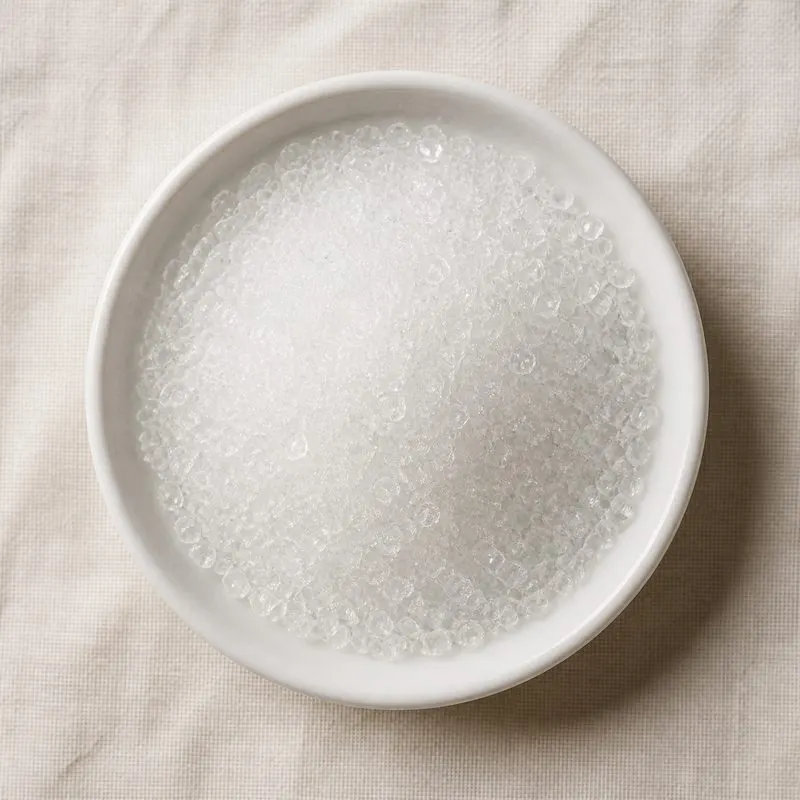
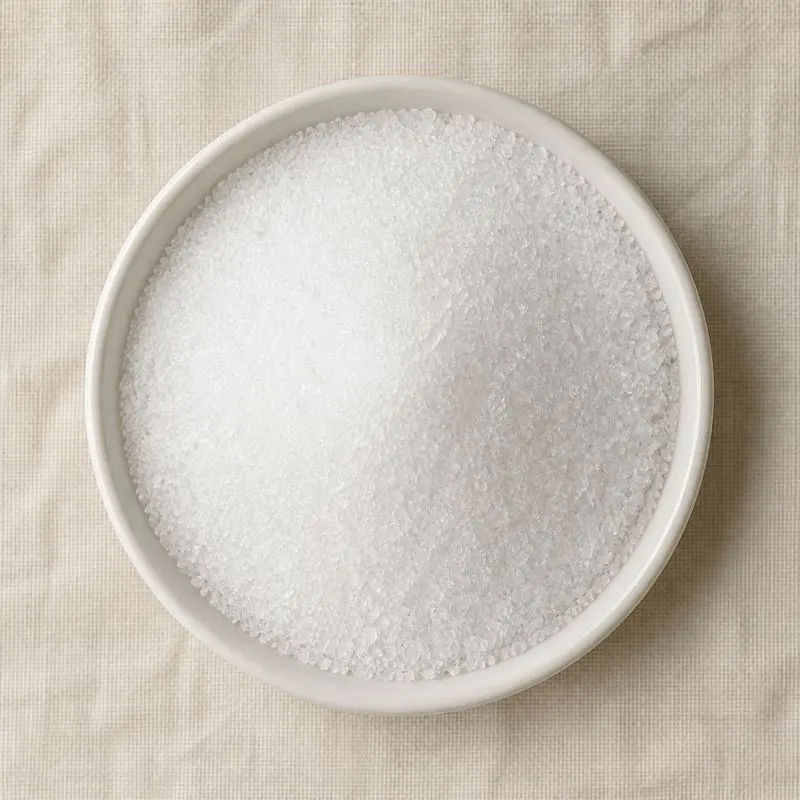
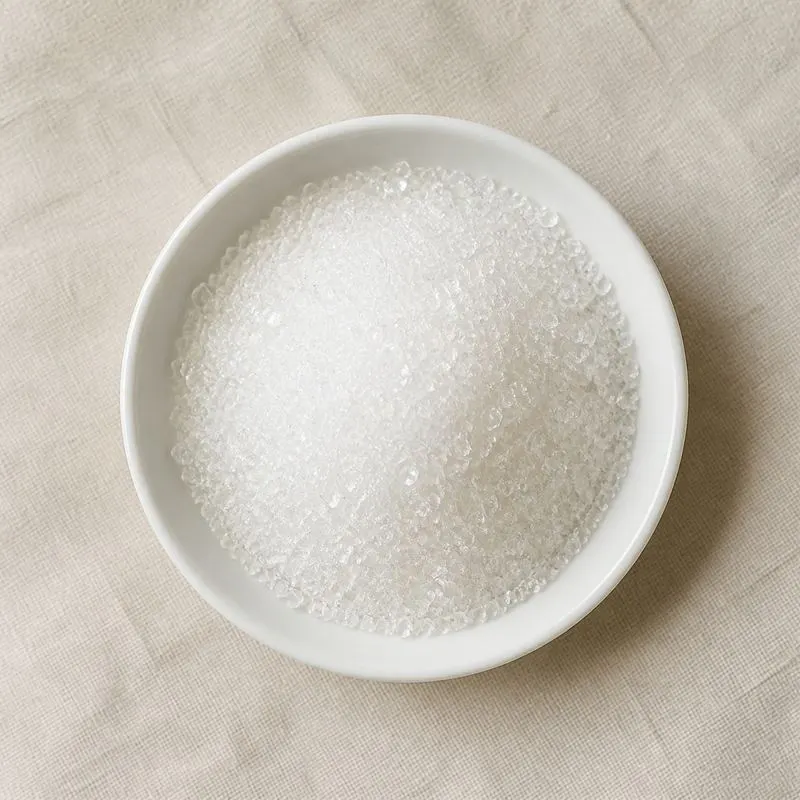
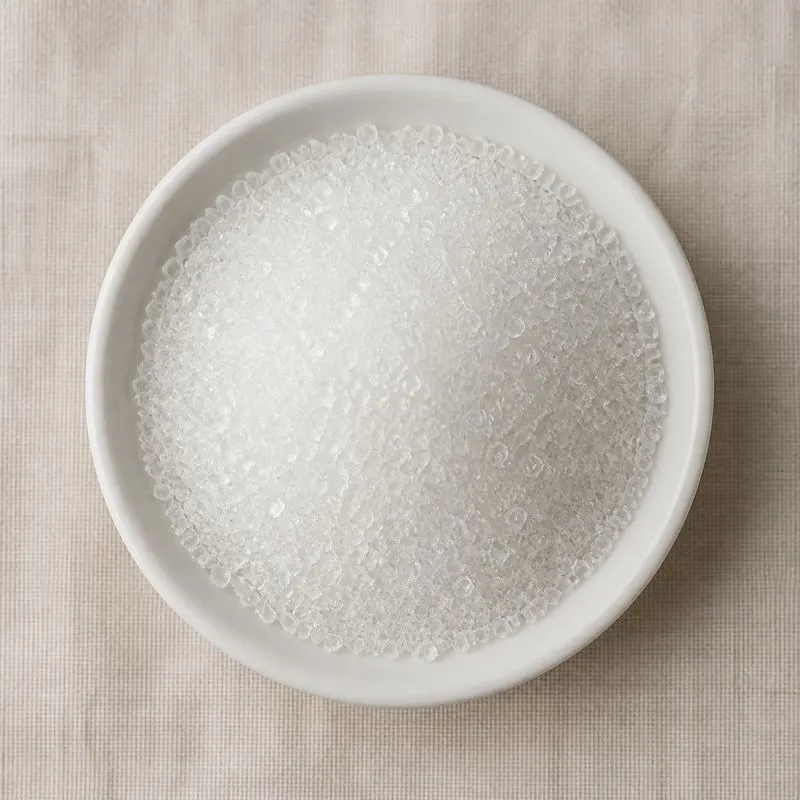
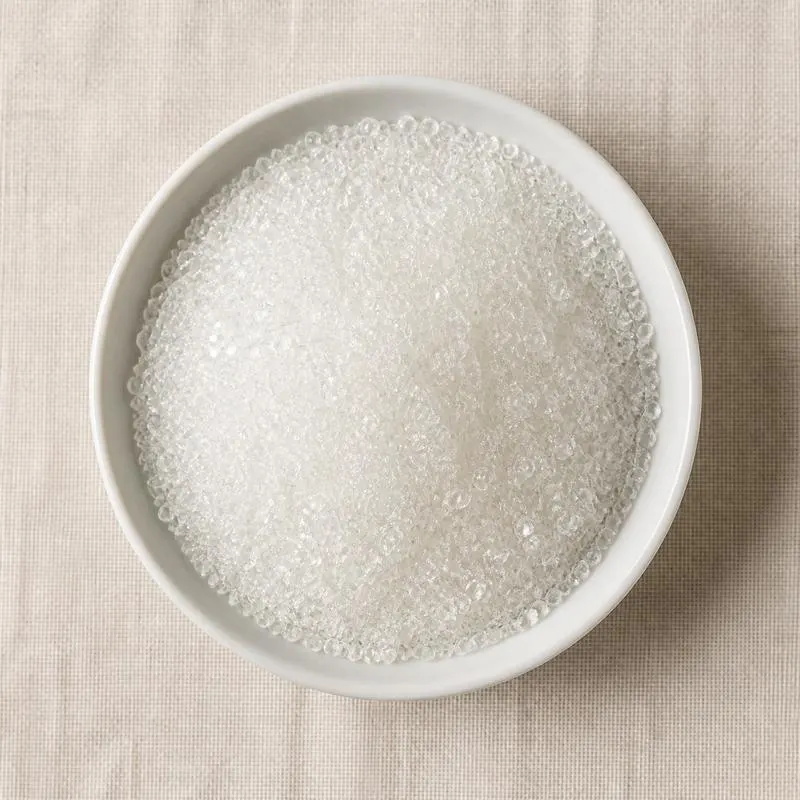
The commercial material is a colourless to white crystal or powder with a faint acetic odour. It is strongly deliquescent, taking up enough atmospheric moisture to liquefy if left open, so lined packaging and closed handling are needed. Solubility in water is very high, above 100 g per 100 mL at room temperature, and it is also soluble in ethanol. Solutions are close to neutral, generally pH 6.5 to 7.5, because the weak acid and weak base very nearly cancel.
The salt has a low melting point near 114 degrees Celsius and decomposes on further heating to acetamide, ammonia and acetic acid. That volatility is a liability in some processes and the whole point in others, since the buffer leaves no non-volatile residue when a solution is evaporated.
We source bulk Ammonium Acetate from top China manufacturers for our partners. The manufacturer is in Jiangsu. A smaller requirement can ship in a combined container with other ingredients.
Please send the grade you need, the volume and your destination port, and we will come back with a solution and a price.
or call +86-21-6858 0751
- Function
- Acidulant
Specifications
| Item | Specification |
|---|---|
| Appearance | White deliquescent crystals or crystalline powder |
| Odour | Faint acetic |
| Assay | Not less than 97.0 percent |
| Identification | Positive for ammonium and for acetate |
| pH, 5 percent solution | 6.5 to 7.5 |
| Loss on Drying | Not more than 2.0 percent |
| Residue on Ignition | Not more than 0.01 percent |
| Water Insoluble Matter | Not more than 0.005 percent |
| Chloride | Not more than 0.001 percent |
| Sulphate | Not more than 0.005 percent |
| Iron | Not more than 5 mg per kg |
| Lead | Not more than 2 mg per kg |
| Arsenic | Not more than 3 mg per kg |
| Heavy Metals as Pb | Not more than 10 mg per kg |
Common Markets Grades
Food grade and technical grade ammonium acetate are both sold at 97 to 99 percent assay, differing mainly in the limits on chloride, sulphate and heavy metals rather than in the headline number. A separate high purity grade is produced for analytical use, specified for low ultraviolet absorbance and low residual metal content because trace sodium and potassium suppress signal in mass spectrometry, and this grade commands the tightest specification of the three.
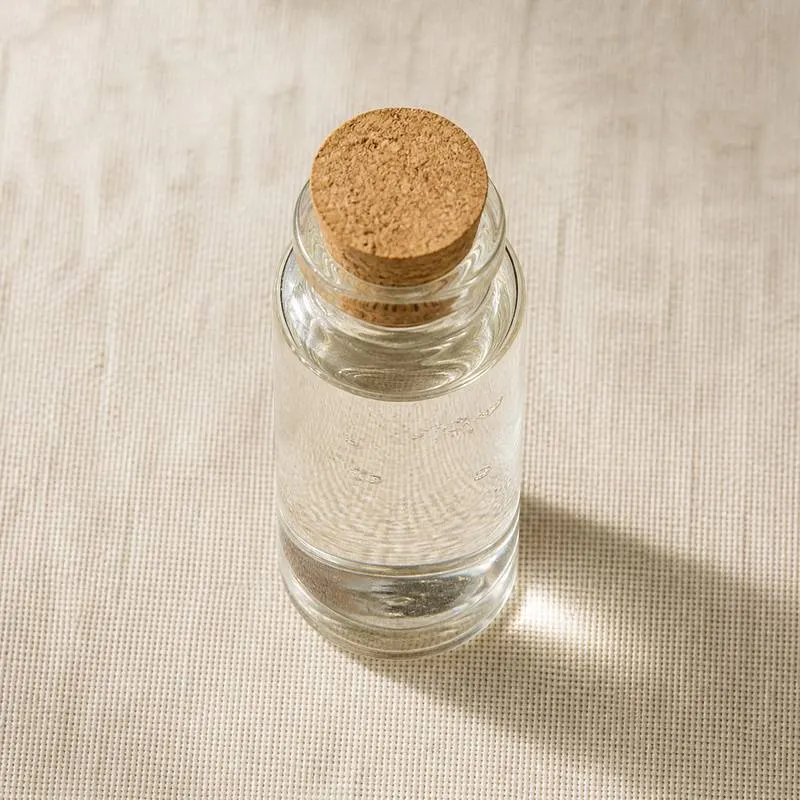
Because the salt is deliquescent, physical form matters more than usual. Crystalline material is standard, but a coarse, low dust granule is offered for bulk handling and a saturated aqueous solution of roughly 50 to 70 percent is traded where the buyer would otherwise have to dissolve the solid anyway. There is no coated or encapsulated version, since the salt is not used in the delayed release applications where such treatments are worthwhile.
Applications
- Analytical laboratories, as the volatile mobile phase buffer for liquid chromatography and mass spectrometry, the largest single application
- Acidity regulation in processed foods, where the buffer holds pH steady without contributing a strong flavour of its own
- Wine and fruit wine fermentation, as a yeast nutrient supplying nitrogen the yeast can use to musts that are nitrogen poor
- Baker's yeast and other microbial fermentations, as a combined nitrogen source and buffer in the growth medium
- Meat curing and marinade brines, as a buffering salt used alongside acetate preservative systems
- Bread and baked goods, as a minor dough acidity regulator in some regional formulations
- Pharmaceutical dialysis and diuretic preparations, and as a buffer component in tablet and injectable formulations
- Textile dyeing and printing, as a pH regulator in dye baths
- Electroplating and metal treatment baths, as a buffer and complexing salt
China Manufacturers of Ammonium Acetate
Top Ammonium Acetate manufacturers in China.

Company names and logos are the property of the manufacturers themselves. They are listed here because our own directory records them as producing this ingredient. A listing is not an endorsement by them, and we do not represent them or speak on their behalf.
Regulatory Status
In the United States ammonium acetate is not the subject of a dedicated food additive regulation. It is listed as a substance used in food contact and processing applications, and the acetate ion and ammonium ion are each independently accepted in food use, so the salt is generally handled as a food grade processing aid and acidity regulator resting on a supplier declaration rather than on a single citation. The analytical and pharmaceutical grades are covered by United States Pharmacopeia and reagent monographs.
In the European Union Regulation (EC) No 1333/2008 authorises ammonium acetate as food additive E 264, and Regulation (EU) No 231/2012 sets the identity and purity criteria. JECFA has evaluated the acetate salts of sodium, potassium, calcium and ammonium as a group and concluded that they raise no safety concern at the levels used in food, and ammonium acetate appears in the Codex General Standard for Food Additives as an acidity regulator.
Manufacturing Process
Industrial manufacture is a direct acid-base neutralisation. Glacial acetic acid is reacted with ammonia, either as anhydrous gas bubbled into the acid or as aqueous ammonium hydroxide fed to a stirred reactor. The reaction is strongly exothermic and is run under cooling with the ammonia in slight excess, since residual free acetic acid is harder to remove from the finished salt than residual ammonia, which is stripped off. An alternative route neutralises acetic acid with ammonium carbonate or bicarbonate, venting carbon dioxide, and is chosen where handling gaseous ammonia is not practical.
The neutral liquor is filtered clear, then concentrated under vacuum at a modest temperature, since the salt decomposes rather than boiling and prolonged heating generates acetamide. Concentration is followed by cooling crystallisation, centrifugation and a brief low temperature drying step, often under vacuum or in a nitrogen swept dryer to keep atmospheric moisture away from the crystal. The dry product is screened and packed immediately into moisture barrier bags or lined drums. Where the solution grade is the product, the process stops after filtration and standardisation to the target concentration.