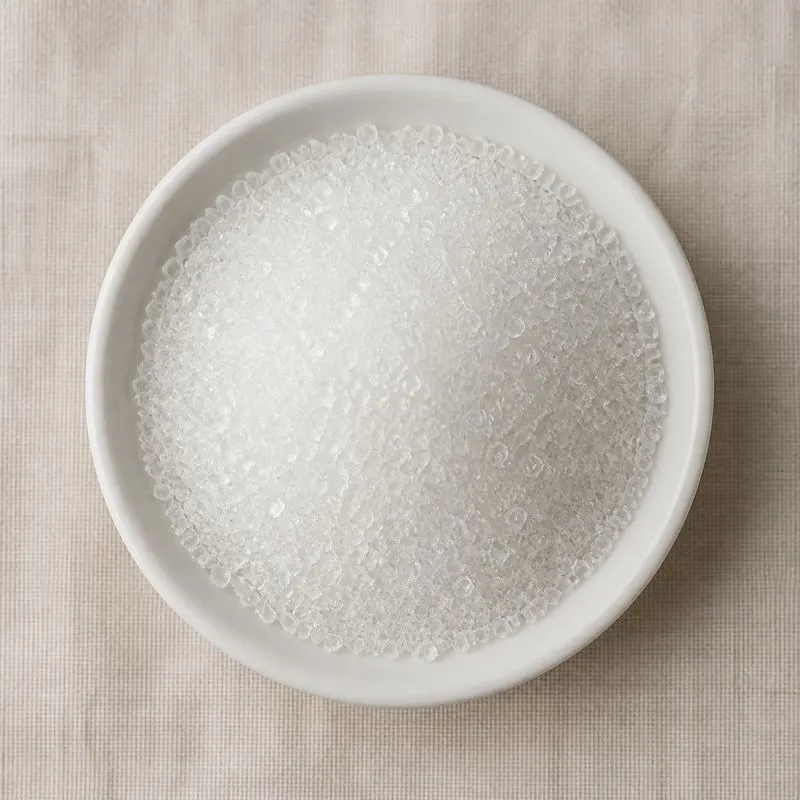
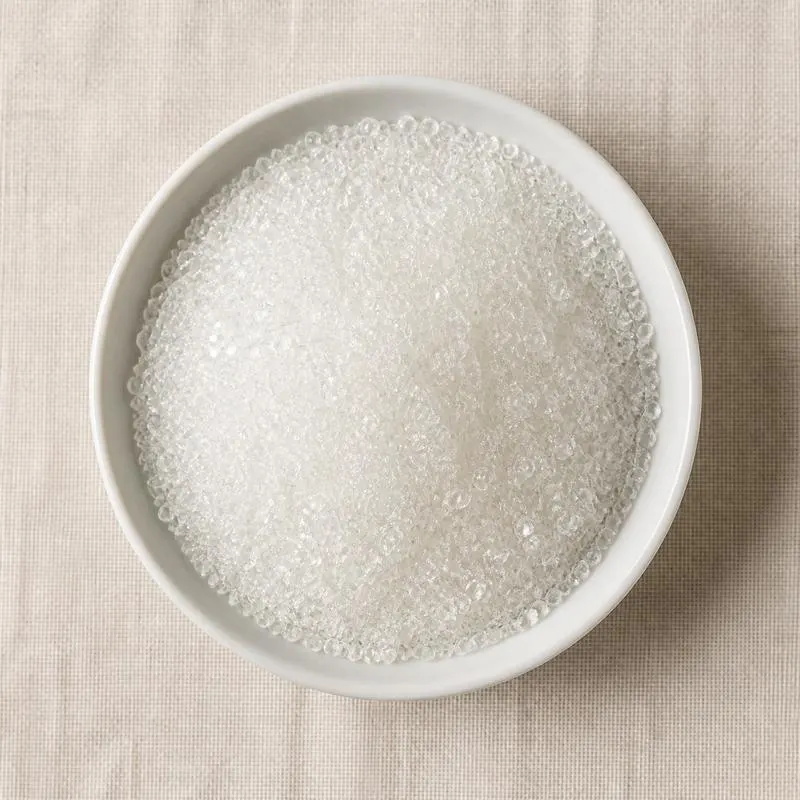
Glacial Acetic Acid
Glacial Acetic Acid is the concentrated, essentially water-free form of acetic acid (CH₃COOH), typically sold at 99.5 to 99.9 percent by weight for industrial, chemical, and food-related use.
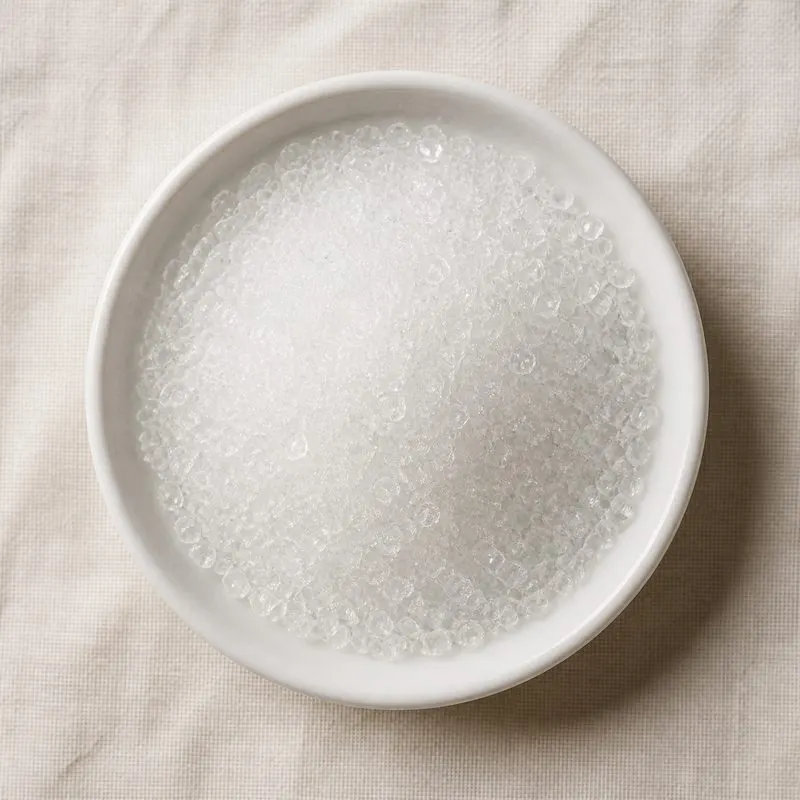
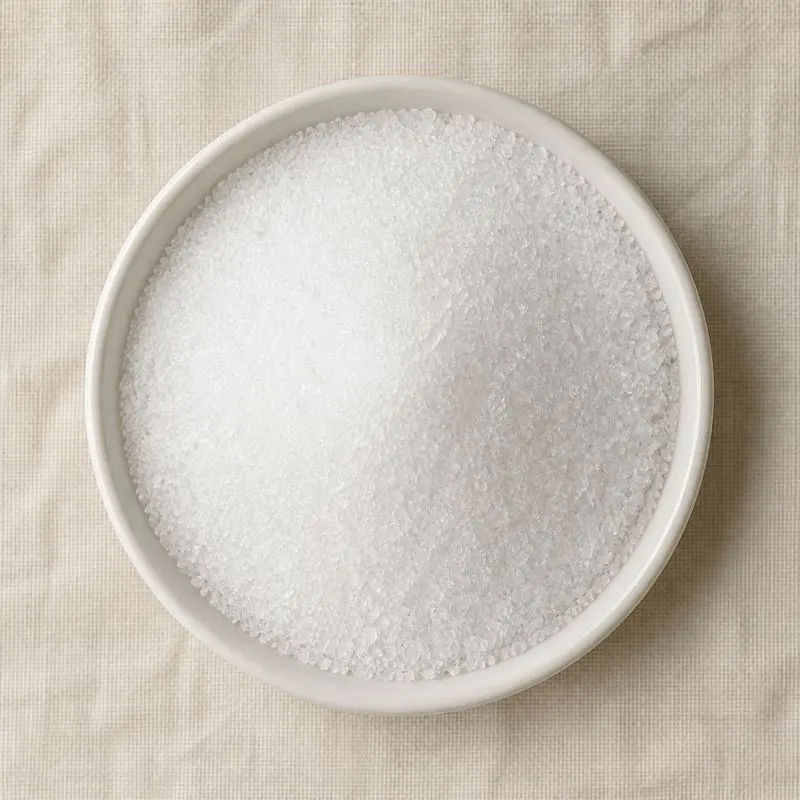
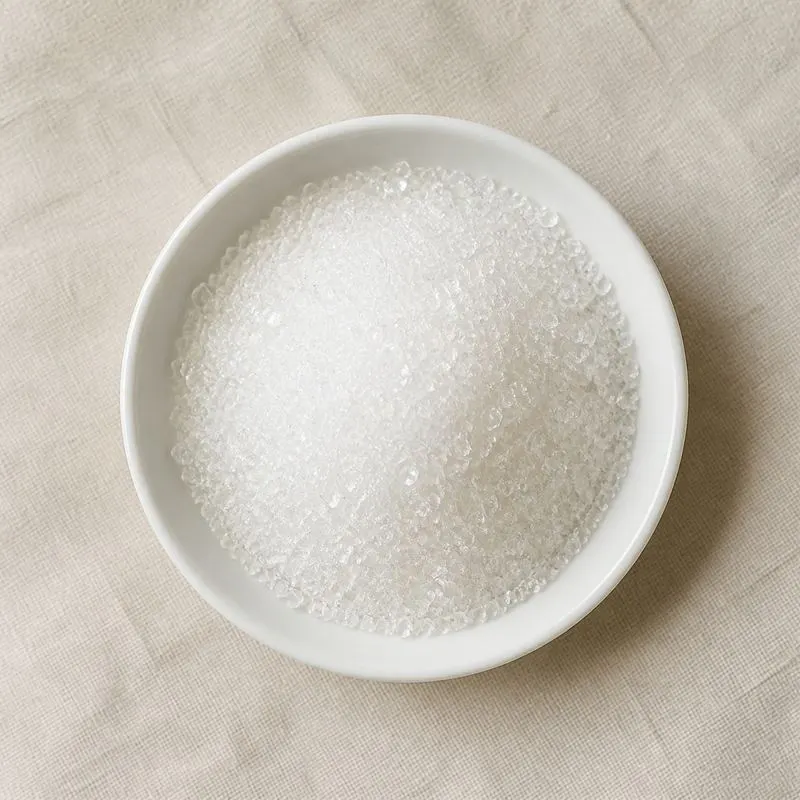
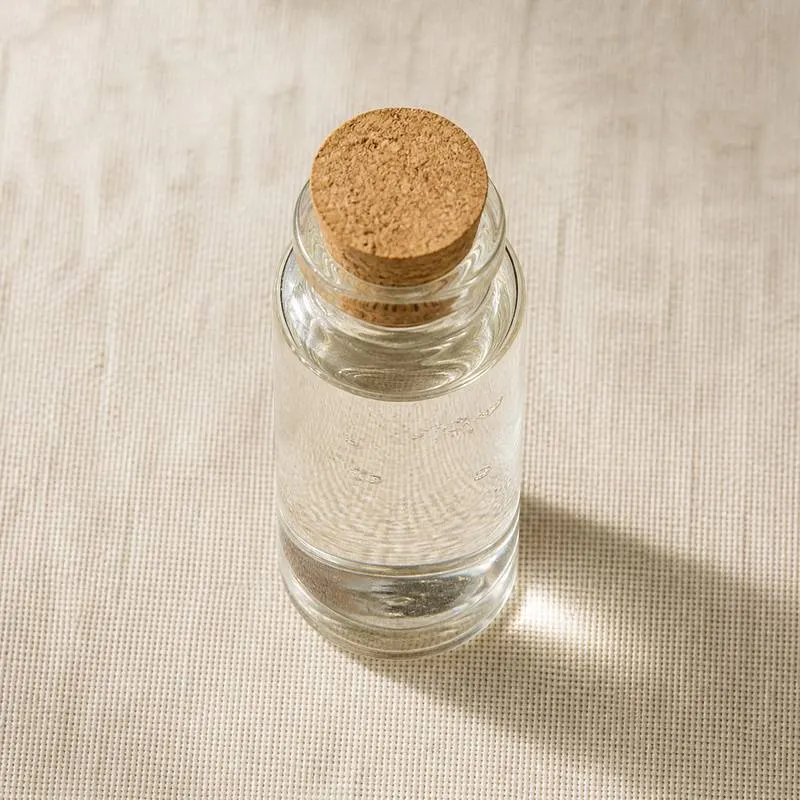
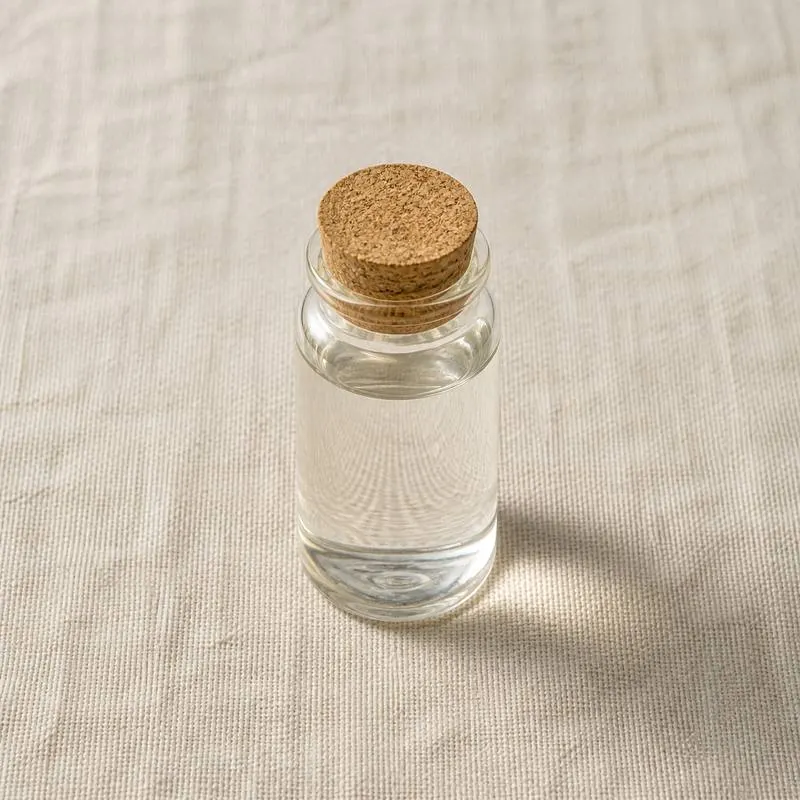
The term glacial refers to its tendency to crystallise into ice-like solids when temperatures fall below 16.6 degrees Celsius. In this concentrated form the liquid is a clear, mobile, hygroscopic acid with a pungent, characteristic vinegar odour.
It is the universal commercial form of acetic acid, serving as the upstream feedstock for vinyl acetate monomer, acetic anhydride, terephthalic acid, and a long list of acetate esters, while also functioning as a direct acidulant and preservative when diluted.
We source bulk Glacial Acetic Acid from top China manufacturers for our partners. The manufacturers are in Guangxi and Henan. For this ingredient the minimum order is 500 kg and a 20-foot container takes 22 MT, and a smaller requirement can ship in a combined container with other ingredients.
Please send the grade you need, the volume and your destination port, and we will come back with a solution and a price.
or call +86-21-6858 0751
- Minimum order
- 500 kg
- Qty in 20' FCL
- 22 MT
- Packaging
- 250 kg plastic drum or 1,000 kg IBC tote
- ISO 9001
- HACCP
- Halal
- Kosher
Specifications
| Item | Specification |
|---|---|
| Appearance | Clear colourless mobile liquid, free from suspended matter |
| Odour | Pungent, characteristic vinegar odour |
| Assay (CH3COOH) | ≥ 99.5% |
| Colour (Pt-Co) | ≤ 20 |
| Freezing Point | ≥ 16.35 °C |
| Water (Karl Fischer) | ≤ 0.20% (technical grade ≤ 0.5%) |
| Non-volatile Residue | ≤ 0.005% |
| Formic Acid | ≤ 0.05% |
| Aldehydes (as acetaldehyde) | ≤ 0.05% |
| Readily Oxidisable Substances (permanganate time) | ≥ 30 minutes |
| Chloride (as Cl) | ≤ 4 mg/kg |
| Sulfate (as SO4) | ≤ 19 mg/kg |
| Iron (as Fe) | ≤ 0.5 mg/kg |
| Heavy Metals (as Pb) | ≤ 0.5 mg/kg |
| Arsenic | ≤ 1 mg/kg |
Common Markets Grades
Glacial Acetic Acid comes in a range of grades distinguished by purity, colour, and trace-impurity specification.
Technical grade at minimum 99.5 percent assay is the standard material for chemical synthesis, solvent service, and textile and dyeing applications. Colour is controlled below 20 on the Pt-Co scale and water below 0.5 percent.
Food grade at minimum 99.85 percent assay meets the Food Chemicals Codex monograph, with permanganate reduction time above 30 minutes and tightened limits on iron, heavy metals, and aldehydes. This grade is used in vinegar manufacture, pickling, and direct food acidulation.
Pharmaceutical grade conforms to USP, BP, and Ph. Eur. monographs for acetic acid and is used as an excipient in hemodialysis concentrates, topical antiseptics, and pharmaceutical synthesis.
Dilute commercial forms at 80 percent, 70 percent, 50 percent, and 30 percent are produced by dilution with deionized or process water. These solutions remain liquid at low ambient temperatures and are favored for safer handling in pickling, cleaning, and metal-finishing service.
Applications
- Vinyl acetate monomer production for polyvinyl acetate and polyvinyl alcohol resins
- Purified terephthalic acid manufacture as the reaction solvent
- Acetic anhydride and acetate ester (ethyl, butyl, isopropyl) production
- Cellulose acetate for cigarette filters, textile fibres, and photographic film
- Synthetic vinegar production after dilution to 4 to 8 percent
- Pickling brines, sauces, condiments, and salad dressings
- Textile dyeing and printing for pH control of reactive and acid dyes
- Leather tanning and pickling baths before chrome tanning
- Descaling and acid cleaning of boilers, evaporators, and dairy equipment
- Latex coagulation in natural rubber processing
- Pharmaceutical synthesis of aspirin, paracetamol, and sulfonamides
- Photographic stop baths and laboratory solvent applications
Brands Using Glacial Acetic Acid
Widely-distributed consumer products that list Glacial Acetic Acid on the ingredient label.
- Tabasco (McIlhenny)Original Red Sauce ↗Three ingredients: aged red peppers, salt, distilled vinegarLabel verified 2026-05-24
- McCormick (Frank's RedHot)Frank's RedHot Original Cayenne Pepper Sauce ↗Distilled vinegar (franksredhot.com redirects to McCormick)Label verified 2026-05-24
- McCormick (French's)French's Worcestershire Sauce ↗Distilled vinegar listed as first ingredientLabel verified 2026-05-24
- Mt. OliveOrganic Kosher Baby Dills ↗Organic vinegar used in pickling brineLabel verified 2026-05-24
- Mt. OliveBread & Butter Pickle Chips ↗Vinegar listed in ingredient panelLabel verified 2026-05-24
- HeinzHeinz Tomato Ketchup (20 oz) ↗Listed: Tomato Concentrate, Distilled Vinegar, High Fructose Corn Syrup, Corn Syrup, Salt, Spice, Onion Powder, Natural Flavoring. SmartLabel is Kraft Heinz official ingredient disclosure.Label verified 2026-05-24
- HeinzHeinz Distilled White Vinegar (16 fl oz) ↗5% acidity distilled vinegar.Label verified 2026-05-24
Brand names, product names and logos are the property of their owners. They appear here as published evidence that the ingredient is used, taken from the brand's own label or website. Their appearance is not an endorsement, and it does not mean the brand buys from us or from any manufacturer listed on this site.
China Manufacturers of Glacial Acetic Acid
Top Glacial Acetic Acid manufacturers in China.
 Guangxi Jinyuan Biochemical Industry Co., Ltd.10 ingredients in the directory
- Henan Kangyuan Flavours Co., Ltd.8 ingredients in the directory
Company names and logos are the property of the manufacturers themselves. They are listed here because our own directory records them as producing this ingredient. A listing is not an endorsement by them, and we do not represent them or speak on their behalf.
How We Help Source Glacial Acetic Acid
Direct Factory Sourcing
We run the whole process: selecting the manufacturer from the top Chinese food ingredient producers, negotiating the price, verifying quality, and coordinating the logistics. You deal with us instead of with several factories at once.
Original Packaging and Documents from the Manufacturer
The manufacturer sends your Glacial Acetic Acid out of its own factory in the original packing, through to your destination port. The COA, COO, MSDS, TDS and any certifications reach you from the manufacturer as well.
Free Samples and Lead Time
We send 100 to 500 g free for your own laboratory to test and you cover only the courier, usually within 2 to 3 working days. ETD is usually within 7 to 15 days once the order is confirmed, and we check that date against the factory's own manufacturing schedule before we give it to you.
Combined Shipment
We can load Glacial Acetic Acid together with other ingredients such as Calcium Acetate, Citric Acid and Glucono-Delta-Lactone into one 20' FCL. If your quantity is small, we can also ship LCL.
Regulatory Status
Acetic acid is one of the most widely permitted acidulants and preservatives in the world.
In the European Union it carries the E number E260, and Regulation (EC) No 1333/2008 approves it at quantum satis in most food categories, with parallel approvals for sodium, potassium, calcium, and ammonium acetates as E261 through E264.
The U.S. Food and Drug Administration recognises acetic acid as Generally Recognized as Safe under 21 CFR 184.1005 for use as a flavouring agent, pH control agent, and preservative, and lists it among permitted food-contact substances.
JECFA has evaluated acetic acid and concluded that an acceptable daily intake need not be specified, citing the molecule's natural occurrence in foods and complete metabolism through the citric acid cycle.
Monographs appear in the United States Pharmacopeia, the European Pharmacopoeia, the British Pharmacopoeia, the Japanese Pharmacopoeia, and the Food Chemicals Codex. Halal and Kosher certifications are routinely available for synthetic material.
Industrial classifications place glacial acetic acid in UN class 8 (corrosive) for transport, with mandatory labelling above 80 percent concentration in most jurisdictions.
Manufacturing Process
Methanol carbonylation accounts for the majority of global glacial acetic acid output.
Methanol and carbon monoxide react in the liquid phase over a rhodium (Monsanto) or iridium (Cativa) catalyst, promoted by methyl iodide. Reaction conditions are around 150 to 200 degrees Celsius and 3 to 6 MPa, with selectivity to acetic acid above 99 percent on methanol.
The reactor effluent is flashed to recover catalyst, then sent to a multistage distillation train that strips light ends (methyl iodide, methyl acetate, water) and then dehydrates the acid to glacial concentration. A guard column removes residual iodides to part-per-billion levels for downstream chemical use.
Secondary routes include the catalytic oxidation of acetaldehyde, the liquid-phase oxidation of n-butane or naphtha, and bacterial fermentation of ethanol to vinegar followed by distillation. Fermentation-route material is now of interest for renewable-carbon and bio-based labelling.