Ammonium Ferric Citrate
Ammonium ferric citrate, also written ferric ammonium citrate, is a complex iron salt of citric acid and ammonia rather than a compound of fixed stoichiometry, used as a soluble source of iron for food fortification and as an anticaking agent in salt.
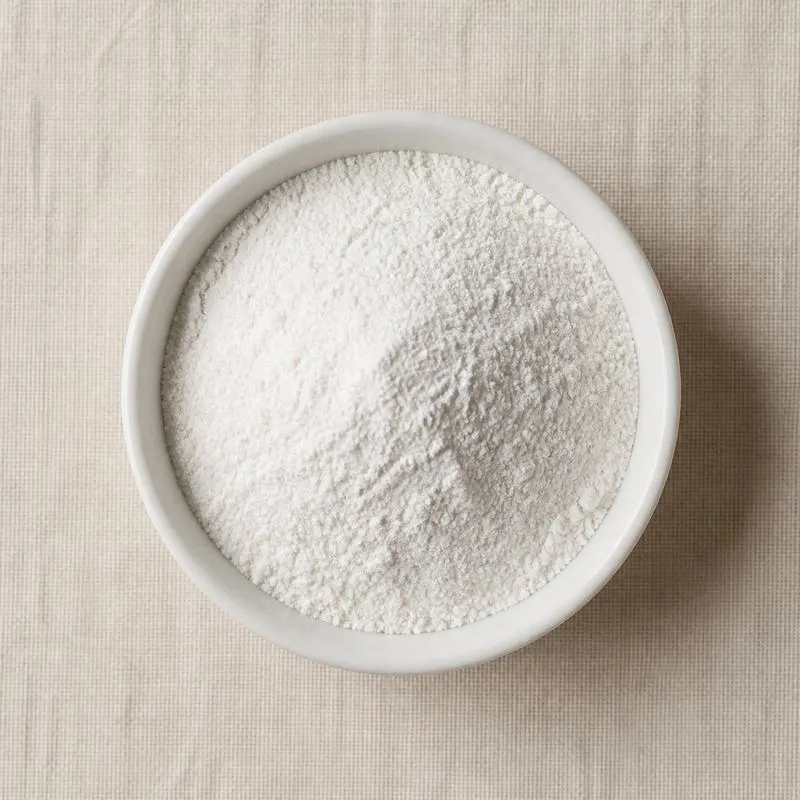
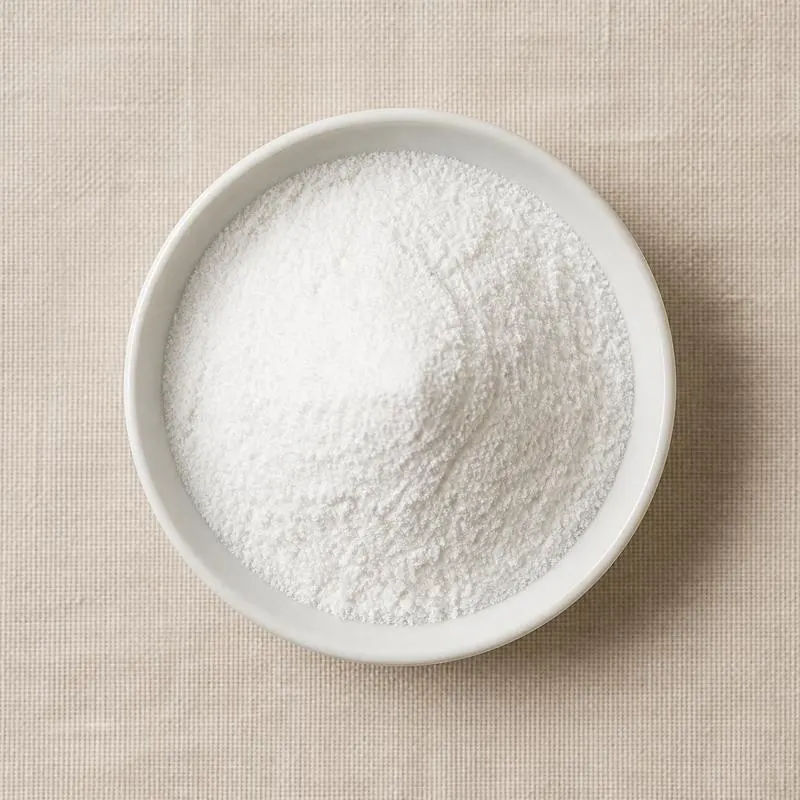
It is thin garnet red to brown scales or granules, or a yellowish green solid depending on the form, and both are odourless or carry a faint ammoniacal smell. The material is very soluble in water, giving a clear coloured solution, and is insoluble in ethanol. Because the iron is held in a citrate complex rather than as a free ferric ion it stays in solution across a wide pH range and is far less prone to catalysing fat oxidation or to producing the dark discolouration and metallic taste that inorganic iron salts cause in a fortified food.
The complex is deliquescent and light sensitive, reducing slowly to the ferrous state on exposure, which is the property the old cyanotype photographic process relied on. In practical use that means it is packed in opaque, tightly sealed containers and kept dry, and that solutions are prepared fresh and protected from light.
We source bulk Ammonium Ferric Citrate from top China manufacturers for our partners. The manufacturer is in Jiangsu. A smaller requirement can ship in a combined container with other ingredients.
Please send the grade you need, the volume and your destination port, and we will come back with a solution and a price.
or call +86-21-6858 0751
- Function
- Mineral salt
Specifications
| Item | Specification |
|---|---|
| Appearance | Garnet red to brown thin scales, granules or powder |
| Odour | Odourless or faintly ammoniacal |
| Identification | Positive for ferric iron, ammonium and citrate |
| Iron content | 16.5 to 18.5% |
| Ammonia content | 7.0 to 9.0% |
| pH of 1% aqueous solution | 5.0 to 8.0 |
| Loss on drying at 105 degrees Celsius | Not more than 15.0% |
| Water insoluble matter | Not more than 0.1% |
| Chloride | Not more than 0.1% |
| Sulphate | Not more than 0.1% |
| Oxalate | Passes test |
| Lead | Not more than 2.0 mg/kg |
| Arsenic | Not more than 3.0 mg/kg |
| Mercury | Not more than 1.0 mg/kg |
Common Markets Grades
Two forms are traded and they differ in iron content and in colour. The brown form carries roughly sixteen to eighteen percent iron and is the general purpose grade for fortification and for salt treatment. The green form carries a slightly higher iron content, dissolves faster and is more sensitive to light, and it is preferred in pharmaceutical and photographic use. Both are sold as scales, as granules and as a spray dried powder. The scale form is the traditional presentation and the powder the more convenient for dry blending.
Quality tiers run from technical grade for photographic and industrial use, through food grade made to a food chemicals codex or equivalent monograph with limits on lead, arsenic, oxalate and insoluble matter, to pharmacopoeial grade used in oral iron preparations and in magnetic resonance contrast agents. Because the substance is a complex rather than a stoichiometric salt, its specification is written around iron content, ammonia content and loss on drying rather than around a single assay figure.
Applications
- Iron fortification of flour, rice and other cereal products, where its solubility gives good bioavailability
- Fortified beverages and drink powders, since it dissolves without leaving sediment
- Table and cooking salt, as an anticaking agent used at very low levels, often alongside iodine fortification
- Infant and follow on formula and weaning foods, in markets where it is a permitted iron source
- Food supplements and oral iron preparations, as a well tolerated iron form
- Bakery premixes and nutritional blends, dosed as part of a vitamin and mineral pack
- Cell culture and fermentation media, as a soluble iron nutrient
- Cyanotype and blueprint photographic processes, using its photoreduction
- Analytical and diagnostic reagents, including contrast preparations
China Manufacturers of Ammonium Ferric Citrate
Top Ammonium Ferric Citrate manufacturers in China.

Company names and logos are the property of the manufacturers themselves. They are listed here because our own directory records them as producing this ingredient. A listing is not an endorsement by them, and we do not represent them or speak on their behalf.
Regulatory Status
In the United States 21 CFR Part 184 affirms ferric ammonium citrate as generally recognised as safe for use as an anticaking agent in salt, sets the permitted level in salt at a very low figure and limits the use to that purpose. Its wider use as an iron source in fortified foods and in supplements rests on separate provisions, and the standards of identity in 21 CFR Part 137 and related parts govern iron fortification of enriched flour and other standardised foods, specifying iron levels rather than the particular salt used.
In the European Union Regulation (EC) No 1333/2008 authorises ammonium ferric citrate as a food additive under the E number E381 and restricts its use to a narrow set of categories, with purity criteria in Regulation (EU) No 231/2012. Regulation (EC) No 1925/2006 on the addition of vitamins and minerals to foods and the food supplements directive govern its separate use as a source of iron for nutritional purposes, and both carry annexes listing the mineral forms that may be used. Codex includes ferric ammonium citrate in its general standard for food additives and in its guidance on food fortificants, and the Joint FAO WHO Expert Committee on Food Additives has published a specification for the substance and has evaluated it as an iron source.
Manufacturing Process
Production starts by preparing hydrated ferric oxide. A soluble iron salt, usually ferric chloride or ferric sulphate, is dissolved in water and precipitated with ammonia solution, and the gelatinous ferric hydroxide that forms is settled and washed repeatedly by decantation or on a filter to remove chloride or sulphate. Residual anions carry through into the finished product and are the main impurity controlled in the specification.
The washed hydroxide paste is then dissolved in a solution of citric acid under gentle heating, forming the soluble ferric citrate complex, and ammonia is added to adjust the composition and pH to the target for the brown or the green form. The clear liquor is filtered to remove undissolved residue, concentrated under vacuum at a temperature low enough to avoid decomposing the complex, and dried. The traditional route dries the syrup on a heated drum, from which the product is scraped as thin brittle scales; spray drying the concentrate gives the powder grade instead. The dried material is screened, sampled for iron, ammonia and moisture content, and packed immediately into opaque, moisture tight drums or foil laminate bags, since it takes up water rapidly from the air.