Ammonium Citrate
Ammonium Citrate, in its tribasic form, is the fully neutralised ammonium salt of citric acid, with CAS number 3458-72-8 and the formula (NH₄)₃C₆H₅O₇.
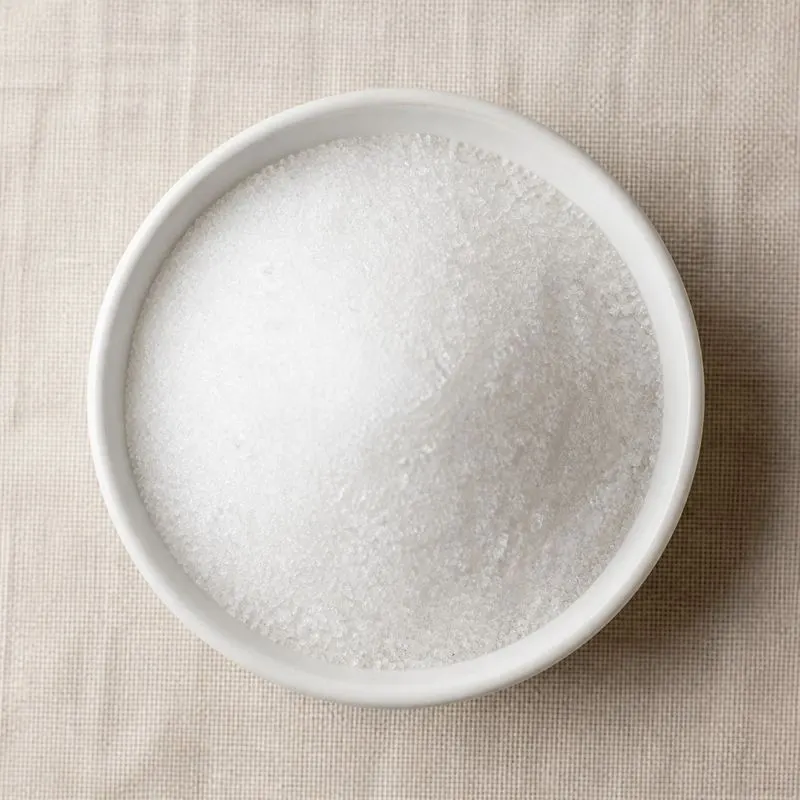
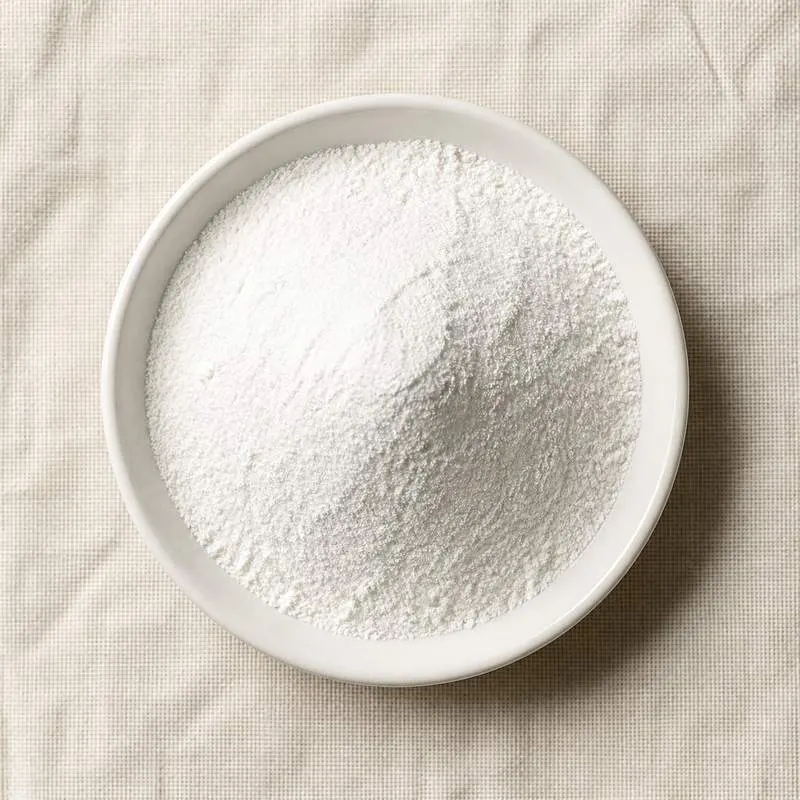
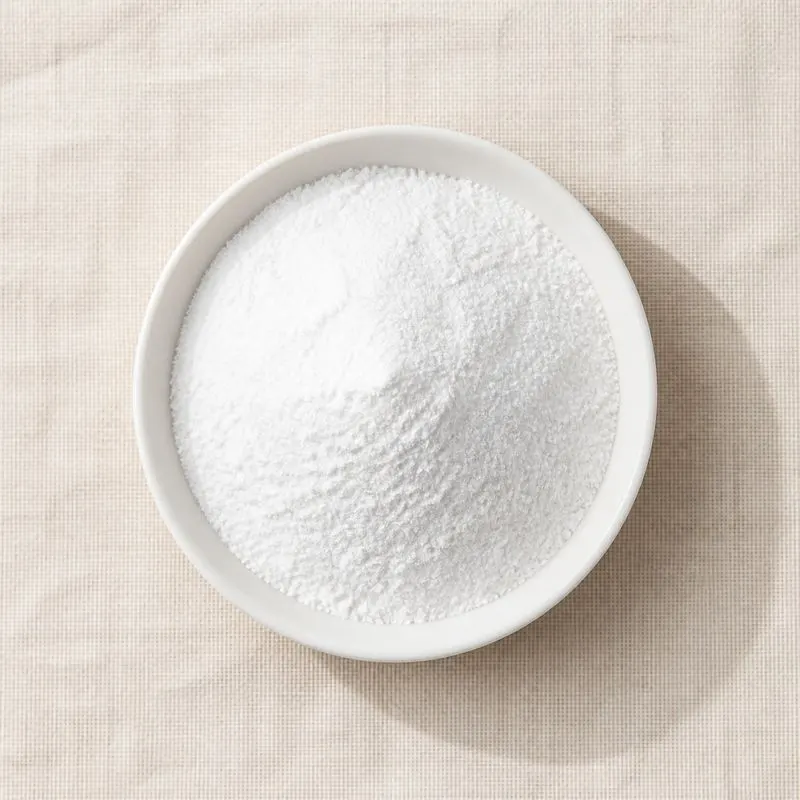
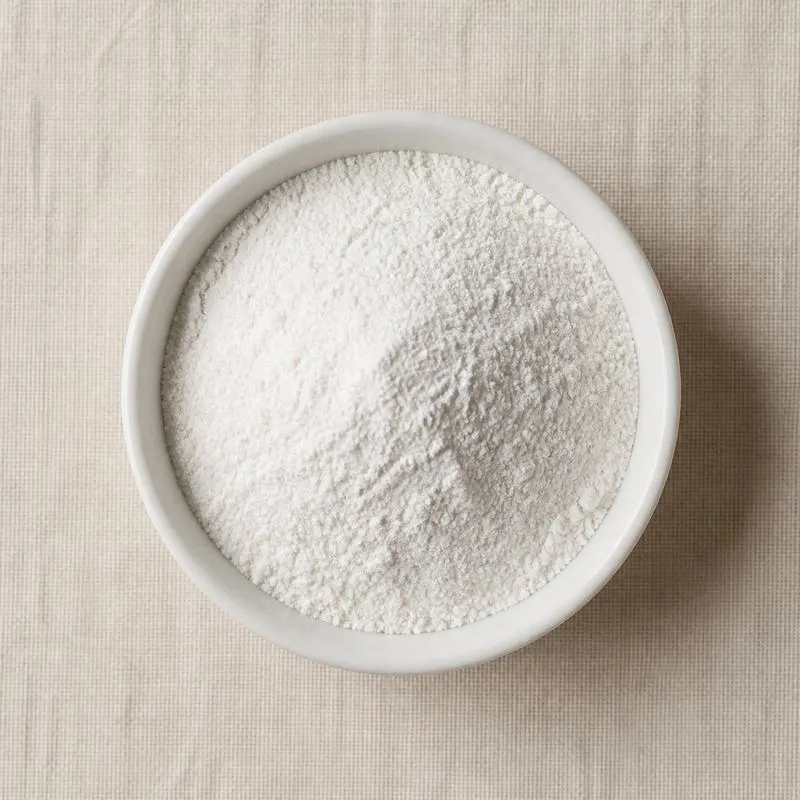
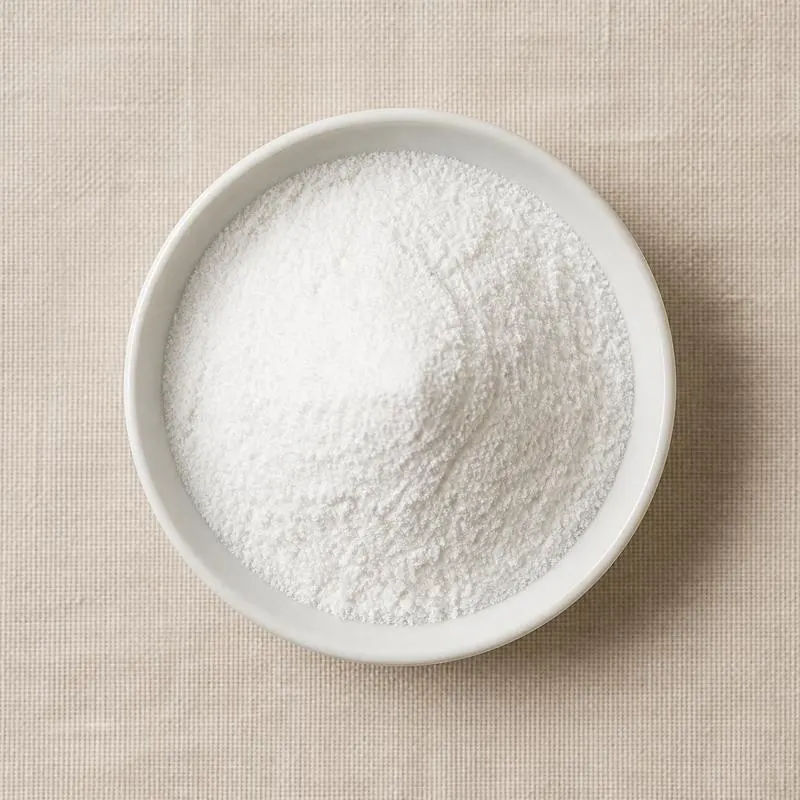
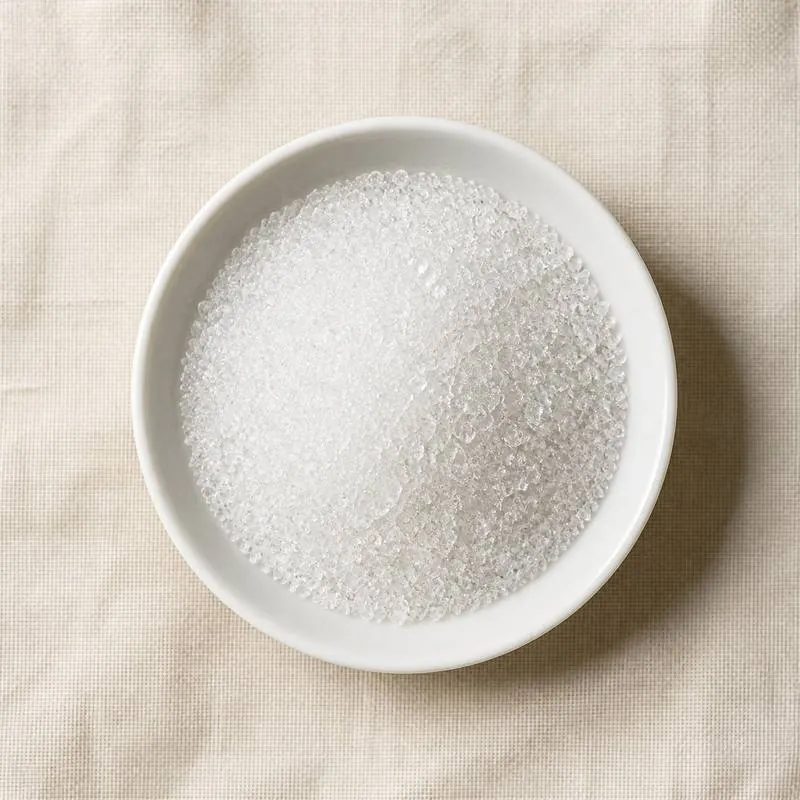
The compound is a white crystalline powder that gives gentle alkaline buffering and complexing capacity for divalent metals, and serves as a nitrogen source in analytical, food-processing, and microbiological applications. The dibasic form (CAS 3012-65-5) is the more common laboratory reagent.
We source bulk Ammonium Citrate from top China manufacturers for our partners. The manufacturer is in Jiangsu. A smaller requirement can ship in a combined container with other ingredients.
Please send the grade you need, the volume and your destination port, and we will come back with a solution and a price.
or call +86-21-6858 0751
- Packaging
- 25 kg kraft paper bag with PE inner liner
- ISO 9001
- HACCP
- Halal
- Kosher
Specifications
| Item | Specification |
|---|---|
| Appearance | White crystalline powder or granules |
| Assay | ≥ 98.0% |
| pH (5% solution) | 4.0-5.5 |
| Moisture | ≤ 1.0% |
| Chloride | ≤ 0.005% |
| Sulfate | ≤ 0.005% |
| Heavy Metals (as Pb) | ≤ 10 mg/kg |
| Arsenic | ≤ 3 mg/kg |
Common Markets Grades
Commercial supply spans analytical reagent, food, and technical grades.
The analytical reagent grade meets ACS specifications, with strict limits on heavy metals, chloride, sulphate, and oxalate. This is the grade used for atomic absorption sample preparation and for the Tilmans dye-titration method for vitamin C analysis.
Food-grade tribasic ammonium citrate meets Food Chemicals Codex specifications, with assay above 97 percent and tightly controlled iron, lead, and arsenic limits. The material ships as a free-flowing powder or as a 50 percent aqueous solution for in-line dosing.
Technical-grade material serves the photographic, electroplating, and industrial-cleaning markets, where assay tolerances are relaxed and bulk pricing dominates.
A milk-powder specific grade is produced with additional controls on insoluble residues and microbial load, supporting use as a stabilising buffer in reconstituted dairy formulations.
Applications
- Buffering and stabilising agent in reconstituted milk powder, evaporated milk, and infant formula concentrates
- Sequestering agent for calcium and magnesium in processed cheese and dairy desserts
- Analytical reagent in the Tilmans titration for ascorbic acid quantification
- Buffer in atomic absorption and ICP sample-preparation protocols
- Nitrogen source in microbiological growth media and fermentation feedstocks
- Chelating component in industrial cleaning formulations for metal surfaces
- Photographic processing as a complexing agent for silver halide chemistry
- Electroplating baths for controlled metal deposition
- pH-control agent in textile and leather processing
China Manufacturers of Ammonium Citrate
Top Ammonium Citrate manufacturers in China.

Company names and logos are the property of the manufacturers themselves. They are listed here because our own directory records them as producing this ingredient. A listing is not an endorsement by them, and we do not represent them or speak on their behalf.
How We Help Source Ammonium Citrate
Direct Factory Sourcing
We run the whole process: selecting the manufacturer from the top Chinese food ingredient producers, negotiating the price, verifying quality, and coordinating the logistics. You deal with us instead of with several factories at once.
Original Packaging and Documents from the Manufacturer
The manufacturer sends your Ammonium Citrate out of its own factory in the original packing, through to your destination port. The COA, COO, MSDS, TDS and any certifications reach you from the manufacturer as well.
Free Samples and Lead Time
We send 100 to 500 g free for your own laboratory to test and you cover only the courier, usually within 2 to 3 working days. ETD is usually within 7 to 15 days once the order is confirmed, and we check that date against the factory's own manufacturing schedule before we give it to you.
Combined Shipment
We can load Ammonium Citrate together with other ingredients such as Sodium Acetate, Calcium Citrate and Sodium Lactate into one 20' FCL. If your quantity is small, we can also ship LCL.
Regulatory Status
Ammonium Citrate is approved as a food additive and processing aid in the major regulated markets.
In the European Union it is listed under E380 for the tribasic form within the citrate family of additives. Regulation (EC) No 1333/2008 governs its use and permits it in defined food categories at specified maximum levels.
The United States Food and Drug Administration permits the substance under 21 CFR 184.1140 as a GRAS food ingredient, with self-limiting use levels in standardised foods including processed cheese, milk products, and certain beverages.
JECFA has reviewed the citrate family and assigned the group an acceptable status. Pharmacopoeial coverage exists in the United States Pharmacopeia for analytical reagent use.
Halal and Kosher certifications are routinely available, since both the citric acid and ammonia inputs originate from non-animal sources.
Manufacturing Process
Industrial synthesis proceeds through neutralisation of citric acid with aqueous ammonia.
Food-grade citric acid is dissolved in deionized water and warmed gently. Aqueous ammonia, typically at 25 to 28 percent concentration, is added under controlled stirring with continuous pH monitoring. The reaction is exothermic, so cooling jackets keep the temperature below 60 degrees Celsius to prevent ammonia loss.
For the tribasic salt, ammonia is added until pH reaches 7.0 to 7.4, confirming full neutralisation of all three carboxyl groups. The dibasic salt is targeted at pH 5.5 to 6.0, where only two of the three carboxyls are neutralised by ammonium.
The clear solution is filtered through polish filters to remove any particulate matter, then concentrated under vacuum. Crystallisation proceeds under controlled cooling, with seed crystals introduced to drive uniform crystal habit.
The crystals are centrifuged, washed briefly with cold ethanol or chilled water, and dried under mild conditions to avoid ammonia loss. Storage in sealed containers under cool conditions preserves the assay against gradual ammonia dissociation.
Major producers include Jungbunzlauer in Austria, Cargill, ADM, and several Chinese citric-acid integrated manufacturers who tie ammonium citrate production into their primary fermentation streams.