DHA Oil
DHA oil is a refined edible oil standardised on its content of docosahexaenoic acid, the 22 carbon omega-3 fatty acid with six double bonds that is the principal structural fatty acid of neural and retinal membranes. The dominant commercial source is microalgal fermentation, chiefly of Schizochytrium and related thraustochytrids, with tuna and other fish oils supplying a smaller share.
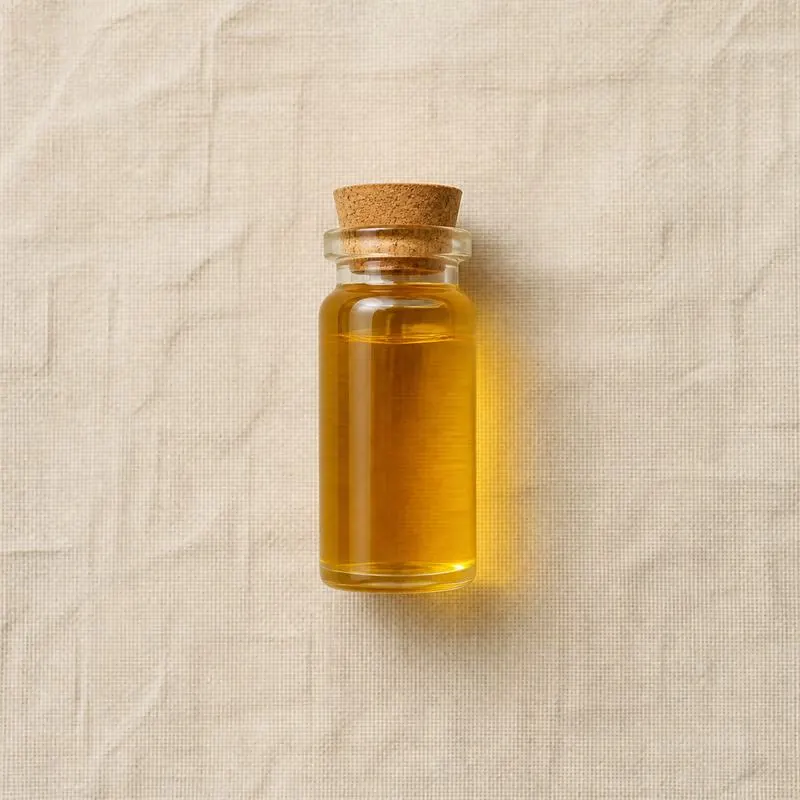
In algal oil the DHA is carried as triglyceride, typically at 35 to 50 percent of total fatty acids, alongside docosapentaenoic acid and saturated fatty acids from the same organism. The oil is a pale yellow to orange liquid at room temperature, viscous but pourable, and is insoluble in water and miscible with other oils. The oil trades neat for oil phase dosing and as a microencapsulated powder for dry blending.
Six double bonds make DHA the most oxidation prone of the common dietary fatty acids. The refined oil is stabilised with tocopherols, ascorbyl palmitate or rosemary extract, blanketed with nitrogen at every transfer, and specified on peroxide and anisidine values that are checked on receipt as well as at manufacture. Once oxidised it develops a fishy note that no downstream processing removes, so the whole supply chain is built around cold, dark, oxygen free handling.
We source bulk DHA Oil from top China manufacturers for our partners. The manufacturers are in Hubei and Zhejiang. A smaller requirement can ship in a combined container with other ingredients.
Please send the grade you need, the volume and your destination port, and we will come back with a solution and a price.
or call +86-21-6858 0751
- Function
- Specialty oil
Specifications
| Item | Specification |
|---|---|
| Appearance | Clear pale yellow to orange oily liquid |
| Odour and Taste | Bland to slightly marine, free from rancid notes |
| DHA (of total fatty acids) | ≥ 40.0% |
| Total Omega-3 Fatty Acids | ≥ 45.0% |
| Identification | Conforms by gas chromatography fatty acid profile |
| Acid Value | ≤ 0.5 mg KOH/g |
| Peroxide Value | ≤ 5.0 meq/kg |
| Anisidine Value | ≤ 20 |
| Trans Fatty Acids | ≤ 1.0% |
| Unsaponifiable Matter | ≤ 4.5% |
| Moisture and Volatiles | ≤ 0.05% |
| Residual Hexane | ≤ 10 mg/kg |
| Lead | ≤ 0.1 mg/kg |
| Arsenic | ≤ 0.1 mg/kg |
| Mercury | ≤ 0.04 mg/kg |
| Total Plate Count | ≤ 1,000 cfu/g |
| Salmonella | Negative in 25 g |
Common Markets Grades
Grades are set by DHA content and by source. Algal oil is traded at 35, 40 and 50 percent DHA on total fatty acids, and higher concentrates above 60 percent are made by molecular distillation. Fish derived DHA oil, usually from tuna, sits at 25 percent DHA in its natural triglyceride form and is concentrated further as an ethyl ester or re-esterified triglyceride where a higher assay is needed. Algal material carries a vegetarian and vegan claim and avoids the marine contaminant profile of fish oil, which is why it dominates the infant nutrition market.
Physical format is the second distinction. Neat oil is used for softgels, emulsions and oil phase dosing. Microencapsulated powder, made by spray drying an emulsion inside a protein, gum arabic or modified starch wall, carries 10 to 25 percent DHA for use in infant formula, dairy powders and bars. Emulsions and clear soluble complexes are offered for beverage use. Infant formula grade carries tighter limits on trans fatty acids, contaminants and oxidation than the general supplement grade.
Applications
- Infant formula and follow-on formula, where DHA addition is required or standard in most markets
- Maternal and prenatal supplements sold as softgels or as a powder sachet
- Softgel and chewable supplements for children and adults, the largest supplement application
- Fortified dairy drinks, yoghurts and cheese, added as a microencapsulated powder or emulsion
- Bakery products and nutrition bars, using the powder form to survive processing and shelf life
- Clinical and enteral nutrition formulas, as a specified lipid component
- Plant based milks and vegan formulations, where the algal source allows the claim to be carried
- Pet food and pet supplements aimed at cognitive and coat condition
- Aquaculture feed, particularly larval and broodstock diets that require preformed long chain omega-3
Brands Using DHA Oil
Widely-distributed consumer products that list DHA Oil on the ingredient label.
- Carlson LabsElite DHA Gems ↗A single soft gel supplies 1,000 mg of DHA from a molecularly distilled cold-water fish oil.Label verified 2026-08-31
- Carlson LabsVegetarian Plant-Based DHA ↗This vegetarian soft gel delivers 500 mg of DHA from a plant source instead of fish oil.Label verified 2026-08-31
- Nature MadeOmega-3 from Fish & Algae Oil 1200 mg Softgels ↗The supplement facts panel lists a 1200 mg omega-3 concentrate from fish and algae oil providing 600 mg of EPA and DHA.Label verified 2026-08-31
Brand names, product names and logos are the property of their owners. They appear here as published evidence that the ingredient is used, taken from the brand's own label or website. Their appearance is not an endorsement, and it does not mean the brand buys from us or from any manufacturer listed on this site.
China Manufacturers of DHA Oil
Top DHA Oil manufacturers in China.
 Hubei Fuxing Biotechnology Co., Ltd.4 ingredients in the directory
- Zhejiang Grand Biotech Co., Ltd.6 ingredients in the directory
Company names and logos are the property of the manufacturers themselves. They are listed here because our own directory records them as producing this ingredient. A listing is not an endorsement by them, and we do not represent them or speak on their behalf.
Regulatory Status
In the United States, algal oils rich in DHA are the subject of GRAS notifications to which the FDA responded without objection, covering use in a range of foods including infant formula, and DHA oils are also sold as dietary ingredients under the dietary supplement framework. The GRAS position attaches to the specific organism, manufacturing process and specification, so the notification covering the material in hand should be identified rather than assumed. Infant formula manufacturers must additionally notify the FDA before marketing a formula containing a new ingredient.
In the European Union, oils from Schizochytrium are listed in the Union list of authorised novel foods, with the permitted food categories, maximum levels and specifications set out there and tied to the particular strain and process. DHA is a nutrient rather than an additive, so no E number applies. The delegated regulation on infant and follow-on formula requires DHA at defined levels in those products, and the nutrition and health claims regulation carries authorised claims for DHA at specified intakes. Codex has adopted a standard for fish oils, which sets fatty acid composition and quality criteria for DHA rich fish oils, and the Codex standard for infant formula addresses long chain polyunsaturated fatty acid addition.
Manufacturing Process
The algal route begins with a heterotrophic fermentation. A production strain of Schizochytrium is grown in stirred tank fermenters on a glucose or glycerol carbon source with a defined nitrogen and mineral medium, under controlled temperature, dissolved oxygen and pH. The culture is run first for biomass and then under nitrogen limitation, which switches the organism into lipid accumulation, so that oil builds up in intracellular droplets to well over half the dry cell weight.
At harvest the broth is pasteurised and the cells are concentrated by centrifugation. The oil is released either by mechanical disruption followed by aqueous separation, or by drying the biomass and extracting with hexane or with supercritical carbon dioxide. The crude oil that results is then refined through the standard edible oil train adapted for a highly unsaturated feedstock: degumming to remove phospholipids, neutralisation of free fatty acids, bleaching on activated earth to strip colour and oxidation products, and deodorisation by steam stripping under deep vacuum at the lowest workable temperature. Winterisation is applied where the saturated fraction would cloud the oil. The finished oil is dosed with antioxidants and filled under nitrogen, or emulsified with a wall material and spray dried to make the powder form.