Antarctic Krill Protein Peptide
Antarctic krill protein peptide is a protein hydrolysate produced from Euphausia superba, the krill species harvested in the Southern Ocean, by enzymatic digestion of the whole animal or of the defatted meal left after krill oil extraction. It is the protein counterpart of krill oil, using the fraction that remains once the phospholipid and astaxanthin rich lipid has been taken off.
Krill protein is unusual among marine raw materials because the animal carries exceptionally active proteases of its own in its digestive gland, which begin degrading the muscle within minutes of capture. That autolysis is the central problem of krill processing and also an opportunity, since the same enzymes can be allowed to run under control as the first stage of hydrolysis. The finished peptide mixture is high in essential amino acids, notably lysine and leucine, and carries residual astaxanthin and traces of phospholipid that give the powder a characteristic pink to orange tint.
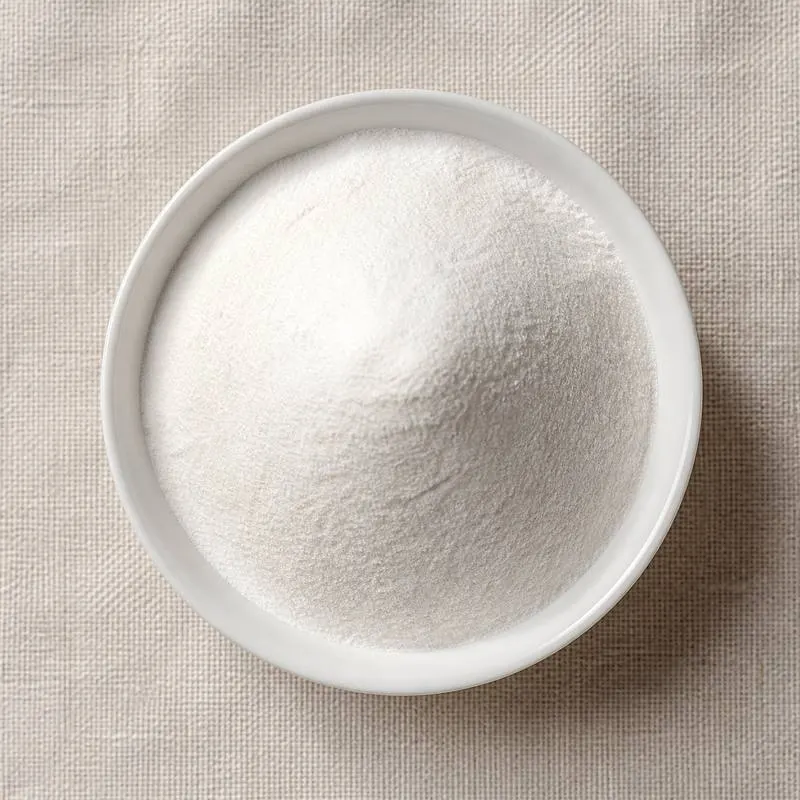
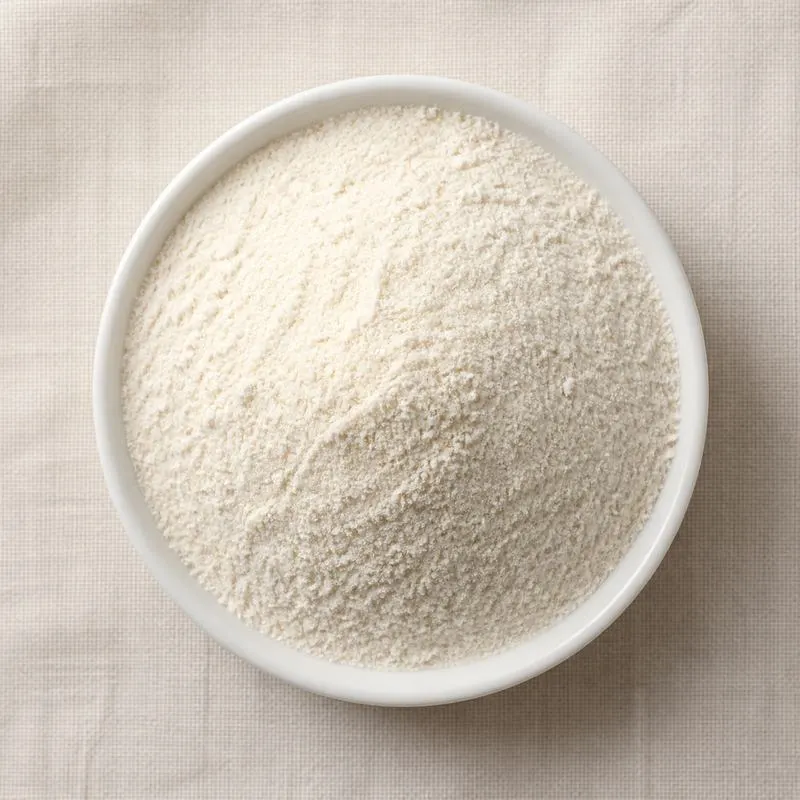
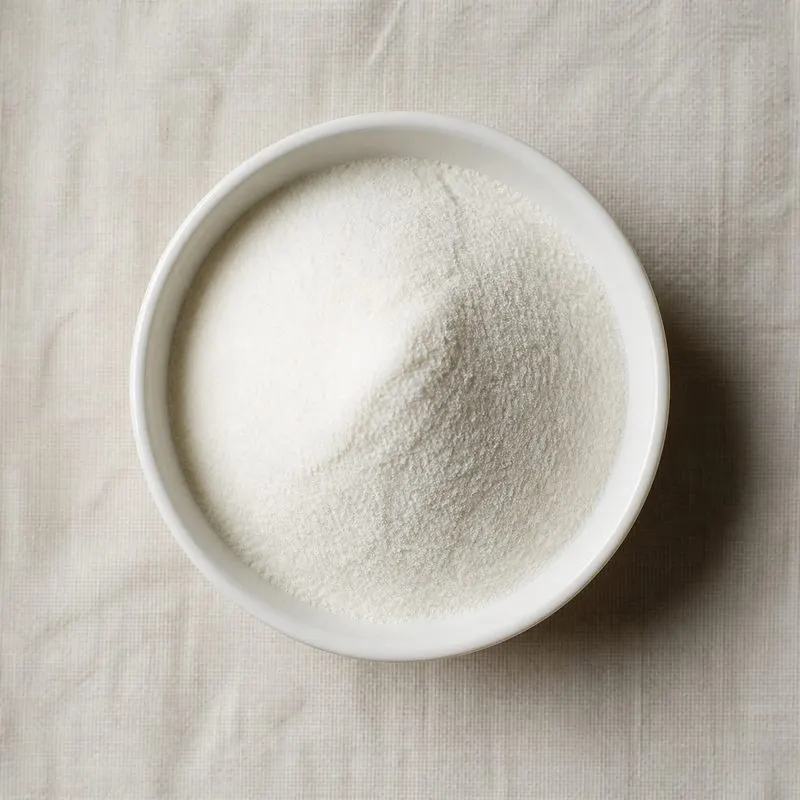
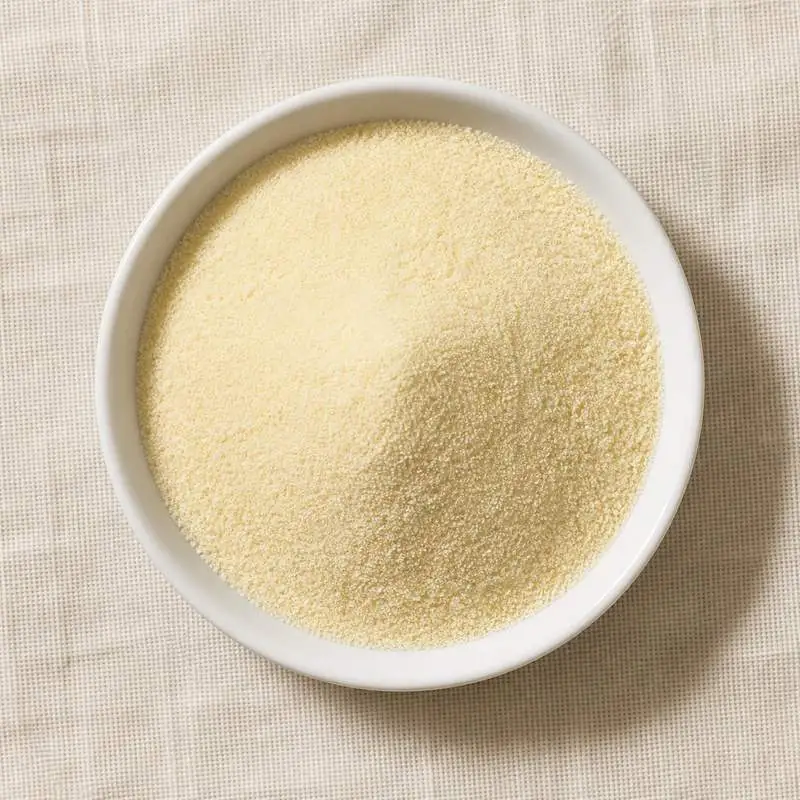
It is a pale pink to light brown spray dried powder with a marine odour, dissolving almost completely in water across the normal food pH range and remaining clear through pasteurisation. Fluoride is the specification point that distinguishes the material from other marine hydrolysates, since krill concentrate fluoride in the exoskeleton and shell carryover has to be controlled.
We source bulk Antarctic Krill Protein Peptide from top China manufacturers for our partners. The manufacturer is in Shandong. A smaller requirement can ship in a combined container with other ingredients.
Please send the grade you need, the volume and your destination port, and we will come back with a solution and a price.
or call +86-21-6858 0751
- Function
- Protein
Specifications
| Item | Specification |
|---|---|
| Appearance | Pale pink to light brown free flowing powder |
| Odour and Taste | Characteristic marine odour, slightly salty taste |
| Protein (dry basis, N x 6.25) | Not less than 85.0 percent |
| Peptides below 1000 Daltons | Not less than 80.0 percent |
| Identification | Species confirmed as Euphausia superba, amino acid profile conforms to reference |
| Loss on Drying | Not more than 7.0 percent |
| Ash | Not more than 8.0 percent |
| Fat | Not more than 2.0 percent |
| Fluoride | Not more than 200 mg/kg |
| pH (1 percent solution) | 6.0 to 7.5 |
| Solubility in Water | Not less than 97.0 percent |
| Lead | Not more than 0.5 mg/kg |
| Arsenic (inorganic) | Not more than 0.5 mg/kg |
| Mercury | Not more than 0.5 mg/kg |
| Cadmium | Not more than 0.5 mg/kg |
| Total Plate Count | Not more than 10000 cfu/g |
| Yeast and Mould | Not more than 100 cfu/g |
| E. coli | Negative in 1 g |
| Salmonella | Negative in 25 g |
Common Markets Grades
The primary grade distinction is whether the feedstock was whole krill or defatted krill meal. Peptide made from whole krill retains more residual phospholipid and astaxanthin, is deeper in colour and carries a stronger marine flavour, and is sold on that composition. Peptide from defatted meal is lighter, more neutral and higher in protein on a dry basis, typically 85 to 90 percent against 75 to 85 percent for the whole animal route.
Molecular weight is specified alongside, with standard grades declaring 80 percent below 1000 daltons and higher grades 90 percent. The two specifications buyers look at most closely are fluoride, controlled by the efficiency of shell separation and generally limited to a few hundred milligrams per kilogram or lower, and residual shell chitin, which shows up as insolubles. Decoloured grades treated with activated carbon are traded for use in white powders and clear beverages, and undecoloured material retaining its astaxanthin tint is sold where the colour is part of the positioning. Certification of sustainable harvest is a routine requirement given the fishery.
Applications
- Marine protein supplement powders and sachets, sold on the amino acid profile and rapid absorption
- Sports nutrition and recovery formulations requiring a non dairy protein that dissolves clear
- Middle aged and elderly nutrition products in the Chinese functional food market
- Functional beverages and shots, where a high peptide load must sit in a small volume
- Clinical nutrition formulas needing a marine nitrogen source of low molecular weight
- Aquaculture feed attractants, where krill hydrolysate strongly stimulates feeding in shrimp and fish
- Pet food palatants, particularly for cats, where krill peptides improve acceptance
- Savoury seafood seasonings and surimi flavourings, using the free amino acids for marine character
- Cosmetic formulations, as a marine protein derivative with residual carotenoid content
China Manufacturers of Antarctic Krill Protein Peptide
Top Antarctic Krill Protein Peptide manufacturers in China.

Company names and logos are the property of the manufacturers themselves. They are listed here because our own directory records them as producing this ingredient. A listing is not an endorsement by them, and we do not represent them or speak on their behalf.
Regulatory Status
In the United States krill derived ingredients are marketed under the dietary supplement framework and, for food use, on generally recognised as safe status that the manufacturer establishes. Krill are crustaceans, and crustacean shellfish is a major food allergen under federal law, so the source must be declared on the label regardless of the degree of hydrolysis. The fishery itself is managed under the Convention on the Conservation of Antarctic Marine Living Resources, and catch documentation and vessel licensing under that convention are part of the supply chain paperwork rather than a food safety requirement.
In the European Union krill protein from Euphausia superba is a food of a species with limited history of consumption in that form, and specific krill preparations including protein and lipid extracts have been authorised as novel foods with defined specifications and conditions of use, so a supplier placing a krill peptide on the Union market must either fall within an existing authorisation or obtain one. Crustaceans are listed allergens under the food information regulation. The material is not a food additive and holds no E number. Codex has no specific standard for krill peptide, and the applicable references are the code of practice for fish and fishery products and the general standard for contaminants.
Manufacturing Process
Krill are caught in the Southern Ocean and processed aboard the vessel or at a shore plant within hours, because endogenous autolysis begins immediately. The catch is washed and either cooked and pressed to give a meal, or held under controlled temperature so that the animal's own proteases begin the hydrolysis. Where krill oil is the primary product, the lipid is extracted from the meal with ethanol or by supercritical carbon dioxide, and the defatted meal that remains is the feedstock for the peptide.
The meal or the fresh krill slurry is suspended in water, adjusted to the temperature and pH window of the enzyme system, and hydrolysed with a food grade endoprotease followed by an exopeptidase to reduce bitterness. Shell and exoskeleton material is separated by screening, decanting and centrifugation, and this separation is the step that controls fluoride in the finished powder, since fluoride is concentrated in the chitinous shell. The clarified hydrolysate passes through ultrafiltration to hold back high molecular weight material and nanofiltration to concentrate and desalt the permeate. Activated carbon treatment is applied where decolourisation and deodorisation are required, and the concentrate is then evaporated under vacuum and spray dried, sieved and packed with a moisture barrier.