Krill Peptide
Krill peptide is the water soluble protein hydrolysate obtained by digesting Antarctic krill, Euphausia superba, or the de-oiled krill meal left after oil extraction, with food grade proteases and drying the clarified digest to a powder.
Krill protein is nutritionally complete and unusually rich in lysine, leucine and the sulphur amino acids, and the animal also carries phospholipid bound omega 3 fatty acids and the carotenoid astaxanthin, most of which follow the oil rather than the peptide fraction. Two features of the raw material dictate how it is processed. Krill contains exceptionally active endogenous proteases that begin autolysing the catch within hours, so material has to be cooked or hydrolysed on board or immediately after landing, and the exoskeleton concentrates fluoride, so shell removal and fluoride control are central to the specification rather than incidental.
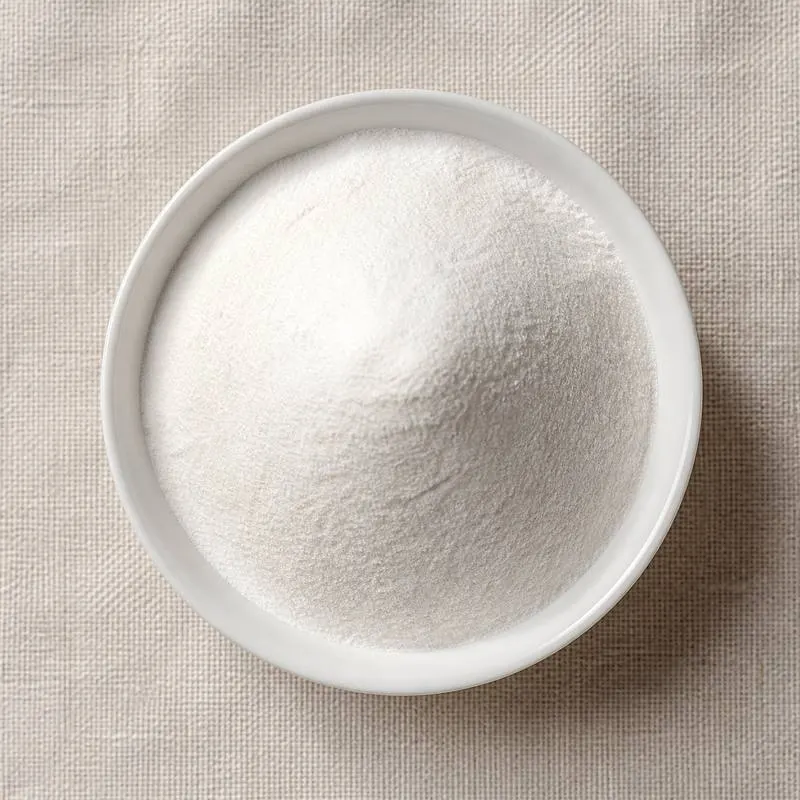
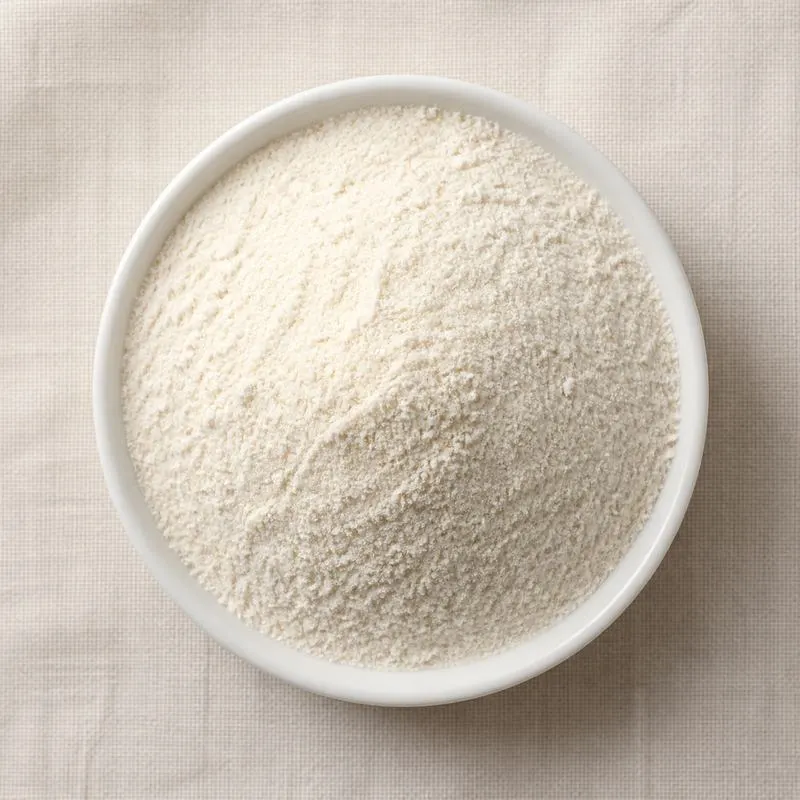
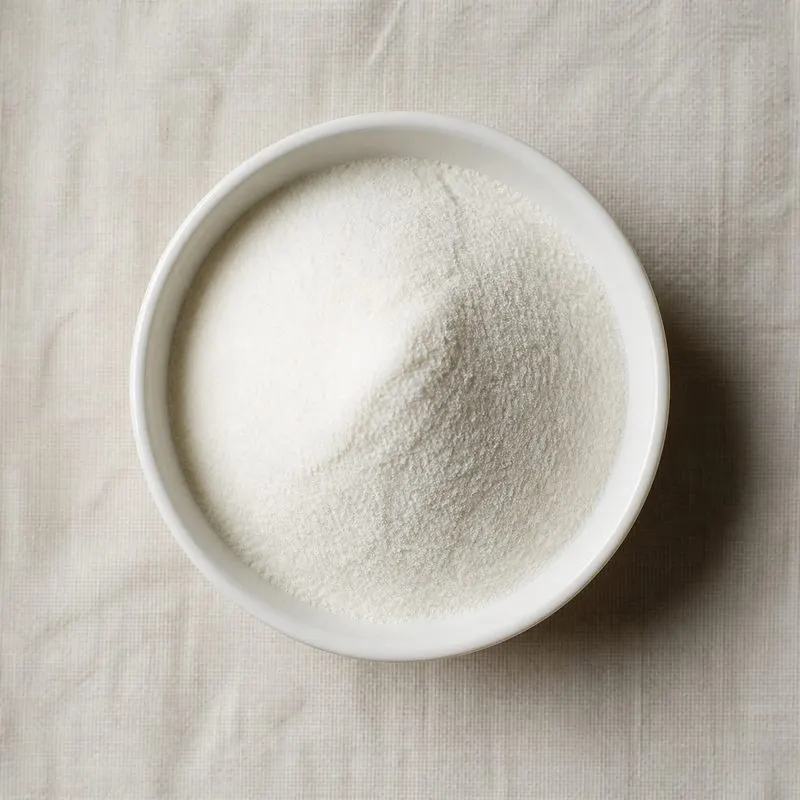
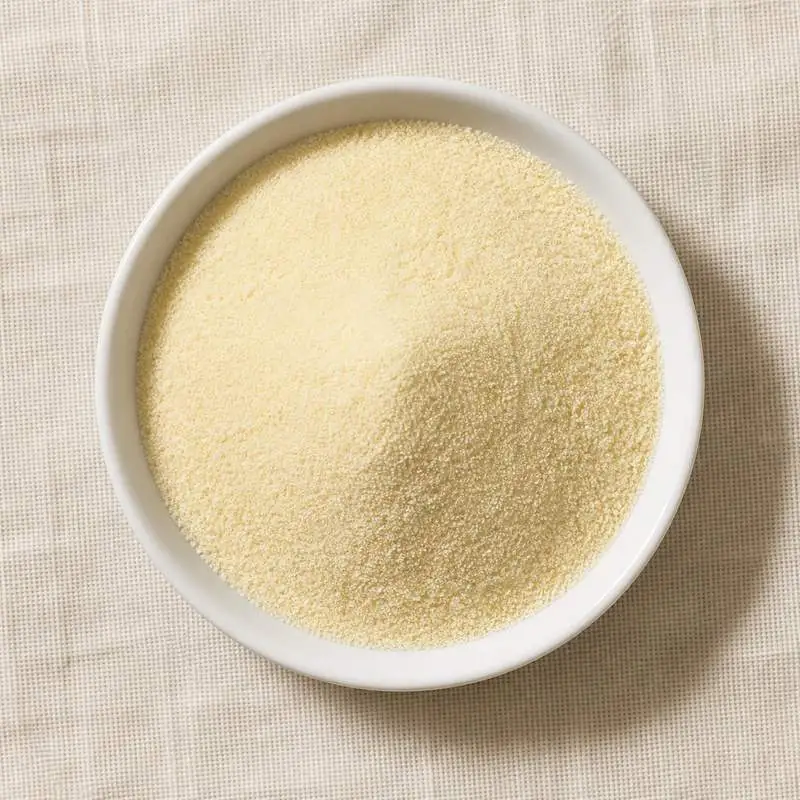
The finished powder is light pink to reddish brown, the colour carried by residual astaxanthin, with a marine and shellfish like odour. It dissolves readily in cold and hot water, holds in solution through the acid pH range where whole protein would flocculate, and survives pasteurisation, so it can be dosed into beverages as well as capsules.
We source bulk Krill Peptide from top China manufacturers for our partners. The manufacturer is in Shandong. A smaller requirement can ship in a combined container with other ingredients.
Please send the grade you need, the volume and your destination port, and we will come back with a solution and a price.
or call +86-21-6858 0751
- Function
- Protein
Specifications
| Item | Specification |
|---|---|
| Appearance | Light pink to reddish brown fine powder |
| Odour and Taste | Characteristic marine shellfish note, free from rancid or putrid odour |
| Protein (N x 6.25, dry basis) | Minimum 80.0% |
| Peptide Content (dry basis) | Minimum 55.0% |
| Molecular Weight below 3000 Da | Minimum 85.0% |
| Fluoride | Maximum 100 mg/kg for food grade |
| Loss on Drying | Maximum 7.0% |
| Ash | Maximum 12.0% |
| Fat | Maximum 2.0% |
| pH (1% solution) | 6.0 to 7.5 |
| Lead | Maximum 0.5 mg/kg |
| Arsenic (inorganic) | Maximum 0.5 mg/kg |
| Total Plate Count | Maximum 10,000 cfu/g |
| Escherichia coli and Salmonella | Absent in 25 g |
Common Markets Grades
Grades are set by molecular weight and by fluoride content. Standard food grade holds protein at 80 percent or more on a dry basis with the bulk of peptides below 3000 Daltons, while oligopeptide grade is ultrafiltered so that most fragments fall below 1000 Daltons for faster dissolution and lower bitterness. Low fluoride grades, made from shell separated meat rather than whole krill, are specified separately and carry a distinctly higher price, since fluoride is the attribute that most often disqualifies a lot for human consumption.
Beyond that, buyers distinguish decolourised material for pale coloured formats from natural grades retaining the pink astaxanthin tint, and full flavour lots destined for feed attractants and flavour work from deodorised lots for supplements. Because the fishery is quota managed, sustainability certification and catch documentation form part of the grade description, and every grade carries crustacean allergen labelling.
Applications
- Capsule and tablet supplements positioned on marine peptides for recovery and general vitality
- Marine collagen and peptide drink formats, where full solubility in an acid base is required
- Sports nutrition blends seeking a marine amino acid source distinct from whey and fish
- Clinical and convalescent nutrition, where short peptides reduce the digestive load of intact protein
- Aquaculture feed attractants, where krill hydrolysate is one of the strongest known feeding stimulants for shrimp and marine fish
- Weaning and starter diets for larval fish and shrimp, supplying readily digested protein
- Pet food palatants, sprayed onto kibble to raise intake in cats
- Savoury seafood flavours and seasoning bases, where the natural shellfish note is the point
- Skincare essences and serums, formulated on small marine peptides for film forming and moisturising
- Microbiological and cell culture media, used as a marine peptone
China Manufacturers of Krill Peptide
Top Krill Peptide manufacturers in China.

Company names and logos are the property of the manufacturers themselves. They are listed here because our own directory records them as producing this ingredient. A listing is not an endorsement by them, and we do not represent them or speak on their behalf.
Regulatory Status
In the United States krill derived ingredients are used as dietary ingredients in supplements under the Dietary Supplement Health and Education Act, and krill oil has been the subject of generally recognised as safe notices for food use, with a protein hydrolysate from the same species handled on a comparable basis for the specific process. Crustacean shellfish is one of the major food allergens named in the Food Allergen Labelling and Consumer Protection Act, so krill must be declared. Fluoride intake is the point of nutritional attention, and manufacturers control it through shell separation rather than through any specific regulatory limit on the ingredient.
In the European Union krill derived preparations are novel foods. Oil from Euphausia superba has been authorised through that route with defined specifications and conditions of use, and a krill protein hydrolysate would need its own authorisation or a notification of substantial equivalence to an authorised product before being placed on the market. Crustaceans appear in Annex II of Regulation (EU) No 1169/2011 and must be emphasised in the ingredient list. The fishery itself is managed under the Convention on the Conservation of Antarctic Marine Living Resources, which sets catch limits and requires vessel reporting, and catch certificates are part of the commercial documentation.
Manufacturing Process
Krill is caught in the Southern Ocean and must be processed within hours, because its own digestive enzymes degrade the catch rapidly once it leaves the water. Vessels either cook and press the krill on board to make meal and crude oil, or run a controlled enzymatic hydrolysis directly at sea. Where shell separation is required for a low fluoride product, the fresh krill is passed through a roller or peeling press that expresses the meat and leaves the exoskeleton behind, since the shell is where the fluoride sits.
Onshore the meal or the shell separated meat is dispersed in water, adjusted to the working pH and temperature and digested with proteases, usually a bacterial endoprotease followed by an exopeptidase preparation to cut bitterness, with the reaction driven to the target degree of hydrolysis and then stopped by heat. The digest is centrifuged into three phases, an oil and phospholipid fraction taken off for krill oil, an insoluble sludge of shell and undigested tissue, and the aqueous peptide liquor. That liquor is ultrafiltered to fix the molecular weight window and to hold back residual protein, treated with activated carbon where a lighter colour and cleaner odour are required, concentrated under vacuum and spray dried. Fluoride is measured on the finished powder and is the release test that decides whether a lot goes to food or to feed.