Apple Fibre
Apple fibre is the dried and milled fibre fraction of the apple, Malus domestica, produced from the pomace left after juice pressing. It is a whole-fruit fibre rather than an isolated polysaccharide, so it contains both the insoluble cellulose, hemicellulose and lignin of the cell wall and a substantial soluble pectin fraction, typically 10 to 25 per cent of the total fibre, together with residual fruit sugars and polyphenols.
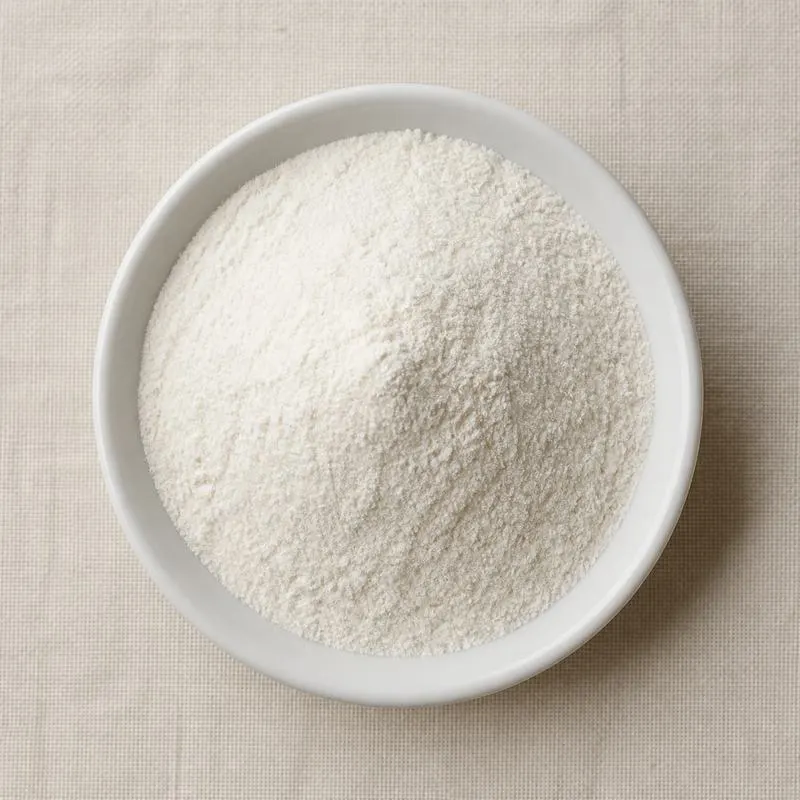
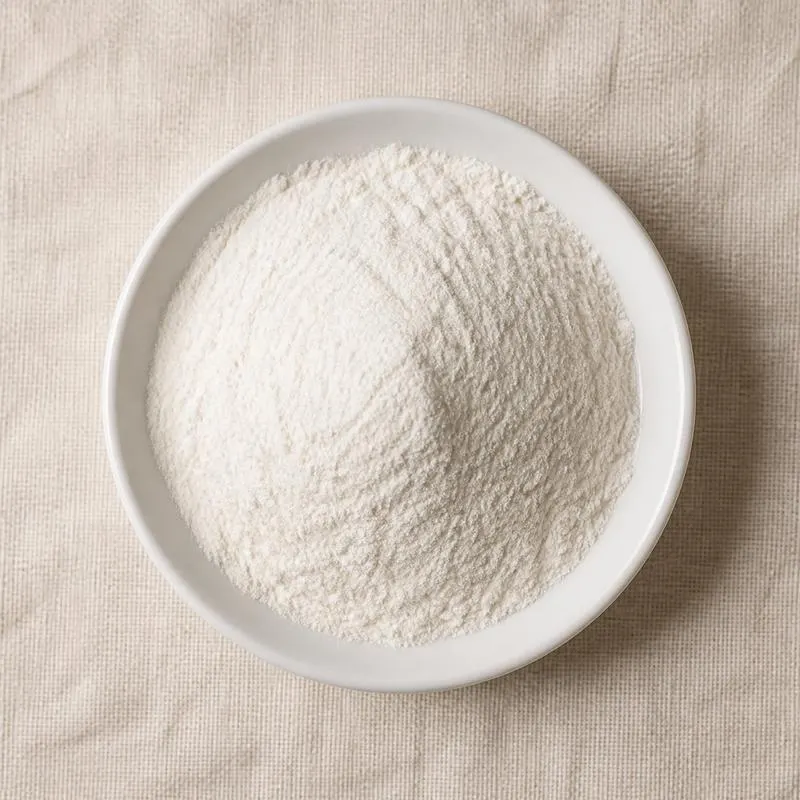
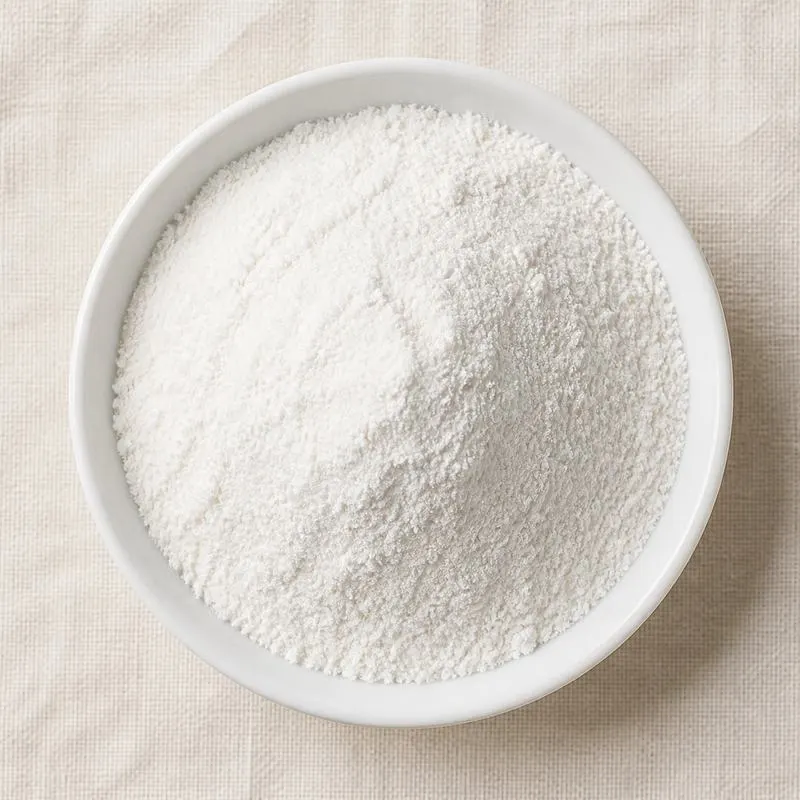
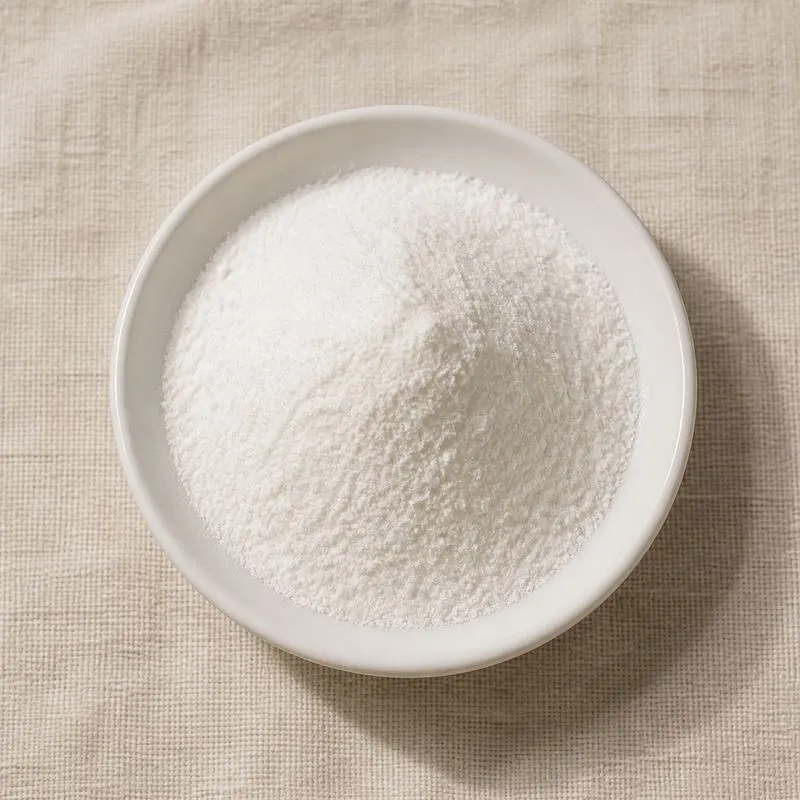
The commercial powder is light beige to pale brown with a mild fruity odour and a slightly sweet taste that distinguishes it from neutral cereal fibres. Total dietary fibre normally runs 50 to 75 per cent on a dry basis, with the balance made up of sugars, protein, minerals and a small quantity of fat from the seeds where these are not removed. It is not soluble as a whole, but hydrates strongly, holding roughly six to twelve times its weight in water depending on the grade and the particle size.
Two properties drive its selection. The pectin fraction contributes water binding and a soft, fruit-like texture rather than the harshness associated with coarse cereal brans, and the natural fruit character allows it to be declared as an apple ingredient in products where a clean label is the objective.
We source bulk Apple Fibre from top China manufacturers for our partners. The manufacturers are in Anhui and Fujian. A smaller requirement can ship in a combined container with other ingredients.
Please send the grade you need, the volume and your destination port, and we will come back with a solution and a price.
or call +86-21-6858 0751
- Function
- Dietary Fibres
Specifications
| Item | Specification |
|---|---|
| Appearance | Light beige to pale brown powder |
| Total Dietary Fibre | Not less than 50.0 per cent on dry basis |
| Soluble Dietary Fibre | Not less than 10.0 per cent |
| Total Sugars | Not more than 25.0 per cent |
| Protein | Not more than 6.0 per cent |
| Moisture | Not more than 9.0 per cent |
| Ash | Not more than 4.0 per cent |
| Particle Size | 95 per cent through 80 mesh |
| Lead | Not more than 0.5 mg/kg |
| Patulin | Not more than 50 microgram/kg |
| Total Plate Count | Not more than 10000 cfu/g |
| Yeast and Mould | Not more than 100 cfu/g |
| Escherichia coli | Absent in 1 g |
| Salmonella | Absent in 25 g |
Common Markets Grades
Grades are set mainly by particle size and by pectin content. Coarse grades around 40 to 60 mesh retain a visible fibrous character and are used where bite and a fruit-piece impression are wanted; standard grades at 80 to 100 mesh are the general purpose grade; superfine grades below 200 mesh are made for beverages, dairy and smooth fillings where any grittiness is unacceptable. Pectin-rich grades produced from pomace that has not been depectinised carry more soluble fibre and bind more water, while grades made from pomace already extracted for pectin are higher in insoluble fibre and lower in cost.
Colour and flavour are the other trade variables. Light-coloured grades are made by rapid drying and by sulphite-free browning control, and deodorised grades are washed to remove residual sugars and polyphenols where the apple note would clash with the finished flavour. Food grade is the standard product; organic-certified lots are widely available since much of the pomace supply comes from juice plants with parallel organic streams. Sulphite-free declarations are frequently requested because sulphite has historically been used to control browning in pomace handling.
Applications
- Bakery goods and muffins, raising fibre content while the pectin fraction keeps the crumb moist during shelf life
- Cereal bars, fruit bars and breakfast biscuits, contributing fibre and a natural fruit note
- Fruit fillings, jams and compotes, binding free water and reducing syneresis without added hydrocolloid
- Yoghurt and dairy desserts, where fine grades add fibre without a gritty mouthfeel
- Meat products and analogues, binding water and fat during cooking
- Extruded snacks and breakfast cereals, as a fibre source that survives extrusion
- Smoothies, fibre drinks and instant powders, using the superfine grade
- Infant and toddler snacks, where an apple-derived ingredient suits the positioning
- Pet food and treats, as a palatable fibre with a mild fruit aroma
China Manufacturers of Apple Fibre
Top Apple Fibre manufacturers in China.
- Dangshan Haisheng Pectin Co., Ltd.3 ingredients in the directory
 Xiamen Xiangquan Biotechnology Co., Ltd.4 ingredients in the directory
Company names and logos are the property of the manufacturers themselves. They are listed here because our own directory records them as producing this ingredient. A listing is not an endorsement by them, and we do not represent them or speak on their behalf.
Regulatory Status
Apple fibre is a conventional food ingredient with a long history of use and is not a food additive. In the European Union it falls outside the novel food framework, and its fibre content is declared under the nutrition labelling provisions of the Food Information to Consumers Regulation, with dietary fibre determined by the analytical methods recognised for that purpose. Apple pectin used as an isolated additive is a separate matter and is authorised as E440, but apple fibre sold as a milled fruit ingredient is not covered by that listing and is declared by its ingredient name.
In the United States apple fibre is used as a food ingredient on the basis of its history of safe consumption, and its contribution to the Nutrition Facts dietary fibre declaration is assessed against the Food and Drug Administration definition of dietary fibre, under which intrinsic and intact fibre from a fruit is counted without the need for a separate physiological demonstration. Sulphite residues, where sulphite has been used in processing, are subject to the declaration threshold that applies to sulphiting agents. Codex addresses the material through its nutrition labelling guidelines and its definition of dietary fibre rather than through an additive specification.
Manufacturing Process
Apple pomace comes off the juice press as a wet cake at around 70 to 80 per cent moisture, containing skin, flesh, core and seeds. Because it ferments and browns within hours, the first requirement is speed: pomace is conveyed directly from the press to drying, or is pressed further and chilled if it must be held. Some plants wash the pomace to remove residual sugar, which raises the fibre concentration and reduces the caramelisation risk during drying.
Drying is the critical step and is usually done in a belt or flash dryer at a controlled temperature that removes moisture quickly enough to stop enzymatic browning while avoiding scorching, which would darken the powder and produce a cooked note. The dried pomace is then destemmed and, where a seed-free product is specified, passed through a separator that removes the seeds, which carry oil and would otherwise limit shelf life. The dried material is milled, most often in a hammer or pin mill, and sieved to the target mesh, with air classification used to split coarse and fine streams. Finished fibre is blended across lots to a uniform water holding capacity and, where required, heat treated to reduce the microbial count before packing.