Apricot Kernel Protein
Apricot Kernel Protein is a plant protein concentrate produced from defatted seeds of Prunus armeniaca, typically delivering 45 to 70 percent protein on a dry basis.
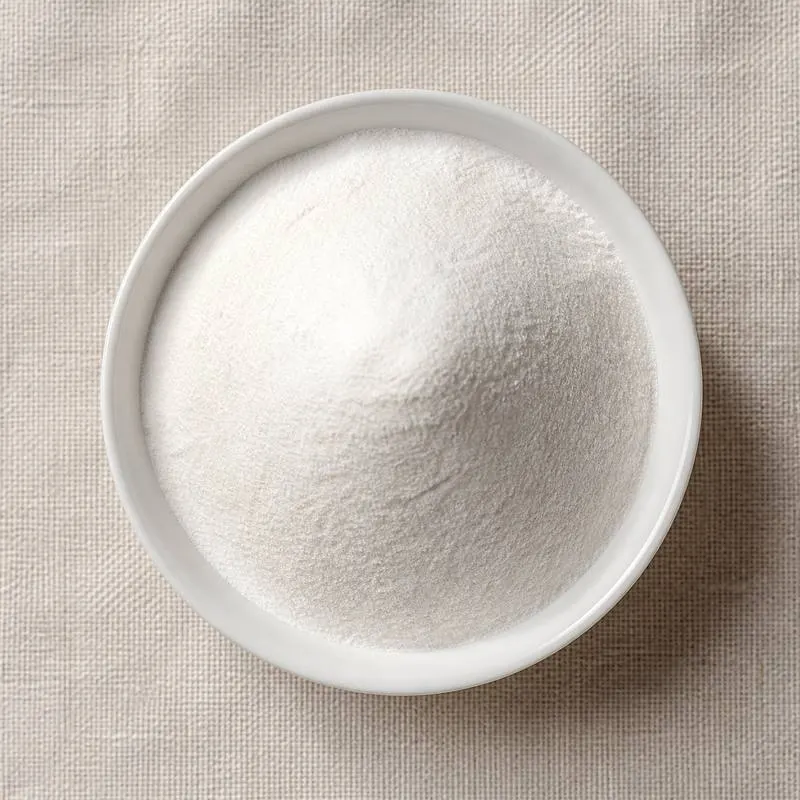
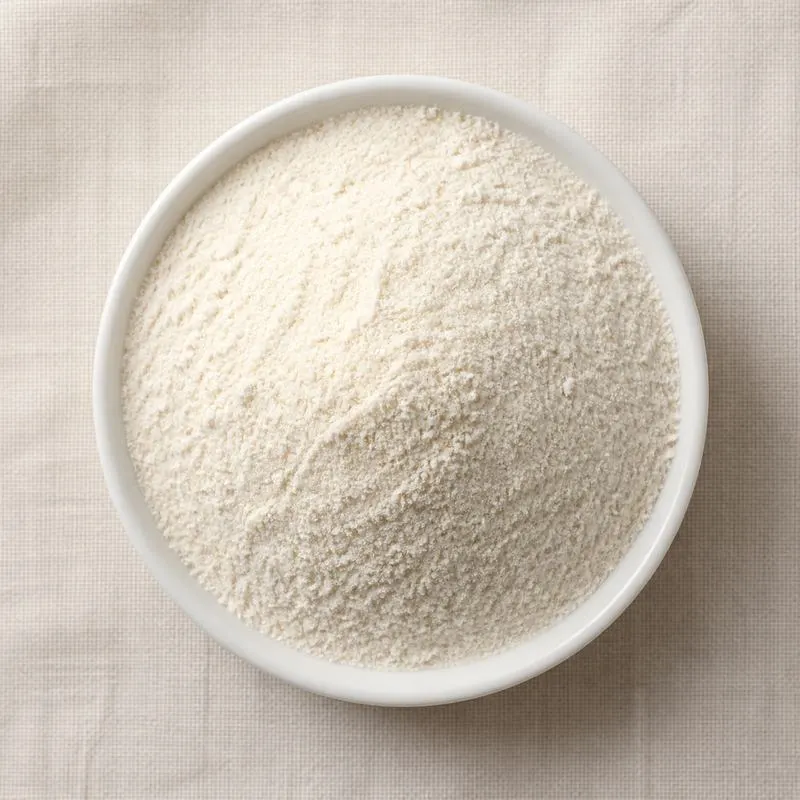
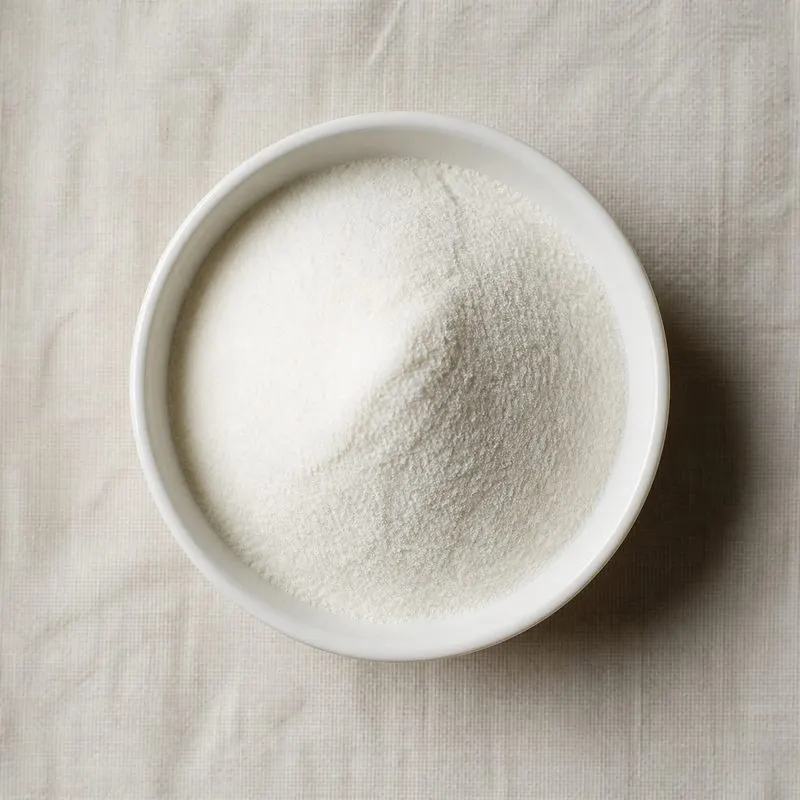
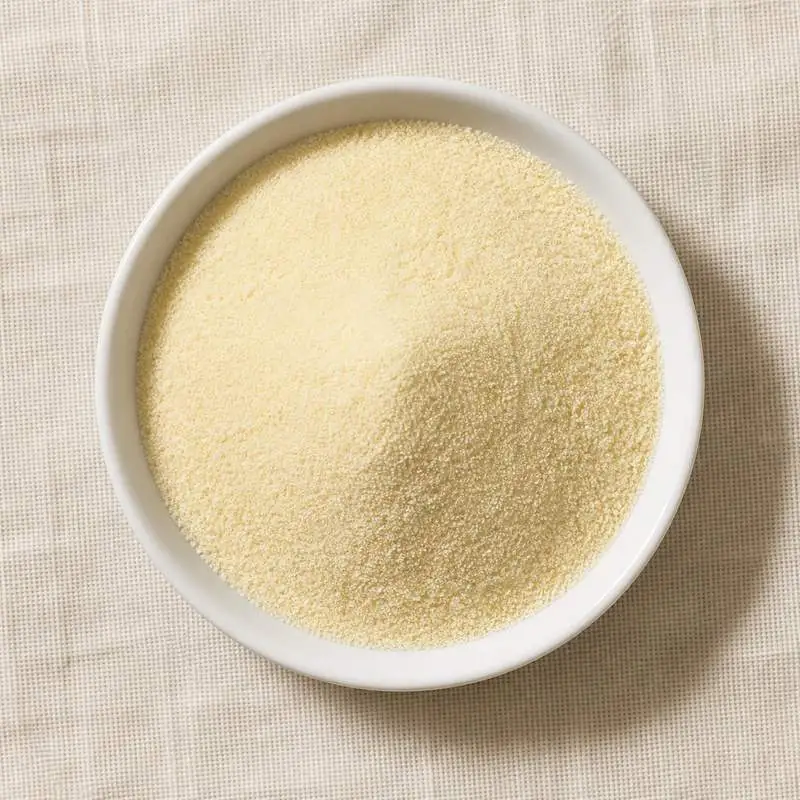
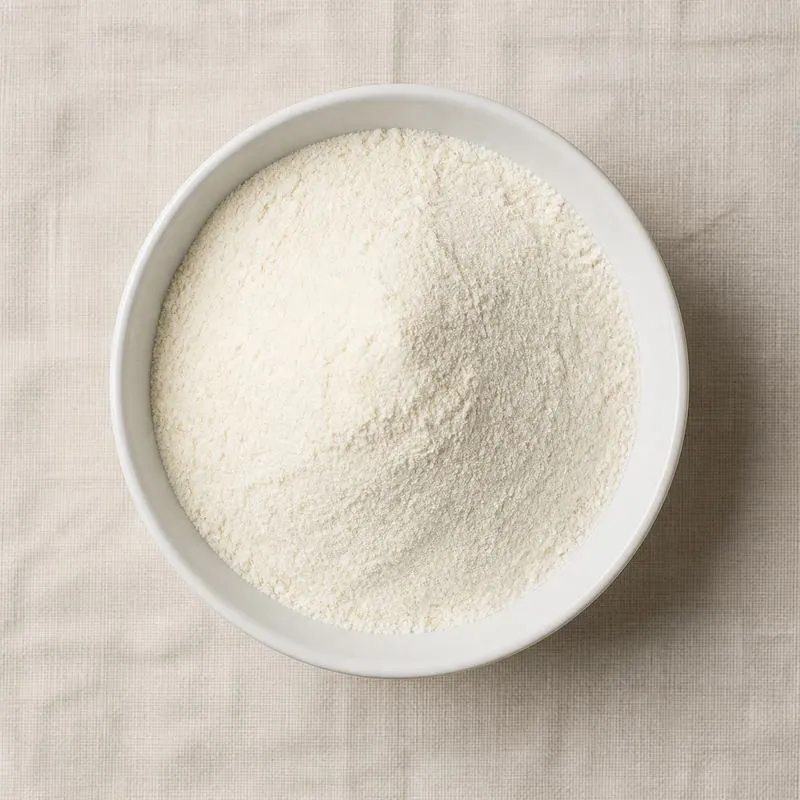
The powder is pale beige to light brown with a soft, almond-like aroma. It is sourced exclusively from sweet apricot kernel cultivars or from kernels that have been processed to reduce naturally occurring amygdalin to safe levels.
Amygdalin is a cyanogenic glycoside present in apricot kernels. Its control through cultivar selection, thermal treatment, or hydrolytic washing is the central food-safety consideration for this ingredient.
We source bulk Apricot Kernel Protein from top China manufacturers for our partners. The manufacturer is in Hebei. A smaller requirement can ship in a combined container with other ingredients.
Please send the grade you need, the volume and your destination port, and we will come back with a solution and a price.
or call +86-21-6858 0751
- Packaging
- 25 kg kraft paper bag with PE inner liner
- ISO 9001
- HACCP
- Halal
- Kosher
Specifications
| Item | Specification |
|---|---|
| Appearance | Cream to light brown fine powder |
| Protein (N×5.71, dry basis) | ≥50% |
| Moisture | ≤8.0% |
| Fat | ≤10% |
| Fibre | ≤5.0% |
| Ash | ≤6.0% |
| HCN (debittered) | ≤10 mg/kg |
| Fineness (80 mesh) | ≥95% |
| Heavy Metals (as Pb) | ≤2 mg/kg |
| Aflatoxin B1 | ≤5 μg/kg |
| Total Plate Count | ≤10,000 cfu/g |
| Salmonella | Absent in 25g |
Common Markets Grades
Apricot Kernel Protein is graded by amygdalin level, protein content, and colour.
The standard 45 to 55 percent concentrate is made from defatted press cake from sweet kernels and is used in bakery, cereal, and snack applications.
The 60 to 70 percent grade is produced for protein bars, beverages, and sports nutrition where higher protein density is needed.
Amygdalin specification is the most important grade attribute. Reputable suppliers provide certificates of analysis confirming amygdalin levels well below the local regulatory threshold for the finished food matrix.
Cosmetic and pharmaceutical grades are also offered, with tighter heavy-metal, microbiological, and amygdalin controls than food grades.
Applications
- Plant-based protein powders for niche and almond-adjacent product positioning
- Bakery: cookies, cakes, biscotti, and almond-style traditional products
- Confectionery: marzipan-style fillings, nougats, and panned coatings
- Protein bars with marzipan, almond, or amaretto flavour profiles
- Breakfast cereals and granolas with stone-fruit kernel positioning
- Dairy-free yogurts, ice creams, and frozen desserts
- Sports recovery and meal-replacement beverages
- Cosmetic formulations for body scrubs and emollient powders
- Pet food and treats positioned for novel protein diets
- Asian and Middle Eastern traditional confectionery and beverages
- Almond-substitute products for tree-nut-restricted formulations (with allergen care)
China Manufacturers of Apricot Kernel Protein
Top Apricot Kernel Protein manufacturers in China.

Company names and logos are the property of the manufacturers themselves. They are listed here because our own directory records them as producing this ingredient. A listing is not an endorsement by them, and we do not represent them or speak on their behalf.
How We Help Source Apricot Kernel Protein
Direct Factory Sourcing
We run the whole process: selecting the manufacturer from the top Chinese food ingredient producers, negotiating the price, verifying quality, and coordinating the logistics. You deal with us instead of with several factories at once.
Original Packaging and Documents from the Manufacturer
The manufacturer sends your Apricot Kernel Protein out of its own factory in the original packing, through to your destination port. The COA, COO, MSDS, TDS and any certifications reach you from the manufacturer as well.
Free Samples and Lead Time
We send 100 to 500 g free for your own laboratory to test and you cover only the courier, usually within 2 to 3 working days. ETD is usually within 7 to 15 days once the order is confirmed, and we check that date against the factory's own manufacturing schedule before we give it to you.
Combined Shipment
We can load Apricot Kernel Protein together with other ingredients such as Collagen Peptide, Soy Protein Isolate and Fish Collagen Peptide into one 20' FCL. If your quantity is small, we can also ship LCL.
Regulatory Status
Apricot Kernel Protein is regulated with explicit attention to amygdalin and cyanide exposure.
The European Food Safety Authority issued a 2016 opinion setting an acute reference dose for cyanide of 20 micrograms per kilogram body weight. Regulation EU 2017/1237 establishes a maximum hydrocyanic acid level of 20 milligrams per kilogram in unprocessed whole, ground, milled, cracked or chopped apricot kernels placed on the market for the final consumer.
Codex Alimentarius and national authorities in China, the United States, Turkey, and Australia have published similar guidance values.
Reputable suppliers test every lot by HPLC, document amygdalin and free cyanide levels, and design finished food matrices to remain well below the limit in the final consumer product.
The ingredient is otherwise regulated as a conventional food. Kosher, Halal, and organic certifications exist. Apricot kernel protein is not on major allergen lists, but cross-reactivity with tree nut and stone-fruit allergies is plausible and should be disclosed.
Manufacturing Process
Production starts with apricot pits collected from fruit-processing plants in Turkey, Iran, China, Uzbekistan, and parts of the Mediterranean.
The pits are cracked to release the kernels. The kernels are sorted to separate sweet from bitter varieties, since the bitter variety carries amygdalin at levels several times higher than the sweet.
Selected kernels are debittered if required. Common debittering uses repeated hot-water washing, steam treatment, or enzyme-assisted hydrolysis to reduce amygdalin to safe levels. The resulting kernels are tested by HPLC before further processing.
Debittered kernels are pressed mechanically to remove apricot kernel oil. The press cake holds 40 to 50 percent protein and is the protein feedstock.
The cake is milled into flour for the basic grade. For higher protein grades, water or mild alkaline extraction is followed by isoelectric precipitation, washing, neutralisation, and spray-drying.