Amygdalin
Amygdalin is a cyanogenic diglucoside found at high concentration in the kernels of apricots, bitter almonds, peaches, and other Prunus species.
It has the formula C₂₀H₂₇NO₁₁ and a molar mass of 457.43 g/mol. The molecule consists of a gentiobiose disaccharide linked to mandelonitrile, the cyanohydrin of benzaldehyde. Enzymatic or acidic hydrolysis releases hydrogen cyanide, the source of both its bitter character and its established toxicity.
We source bulk Amygdalin from top China manufacturers for our partners. The manufacturer is in Hebei. A smaller requirement can ship in a combined container with other ingredients.
Please send the grade you need, the volume and your destination port, and we will come back with a solution and a price.
or call +86-21-6858 0751
- Packaging
- 25 kg kraft paper bag with PE inner liner
- ISO 9001
- HACCP
- Halal
- Kosher
Specifications
| Item | Specification |
|---|---|
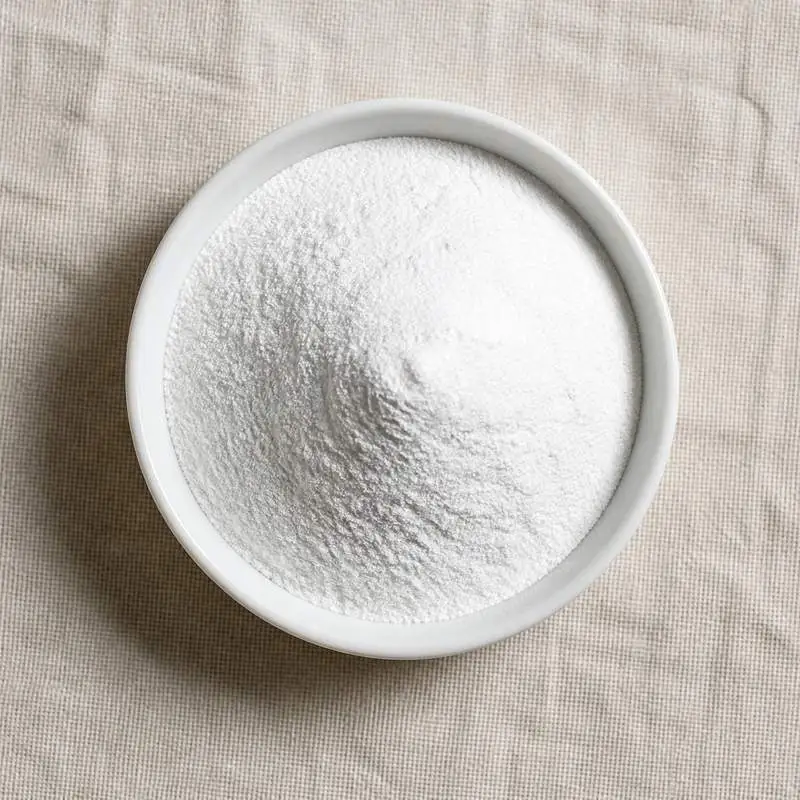
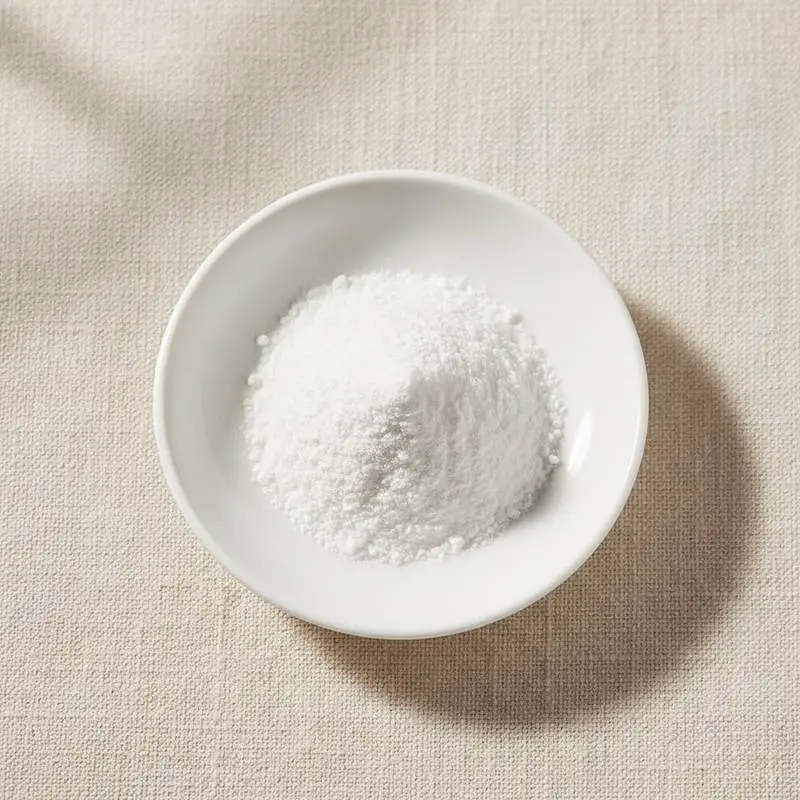
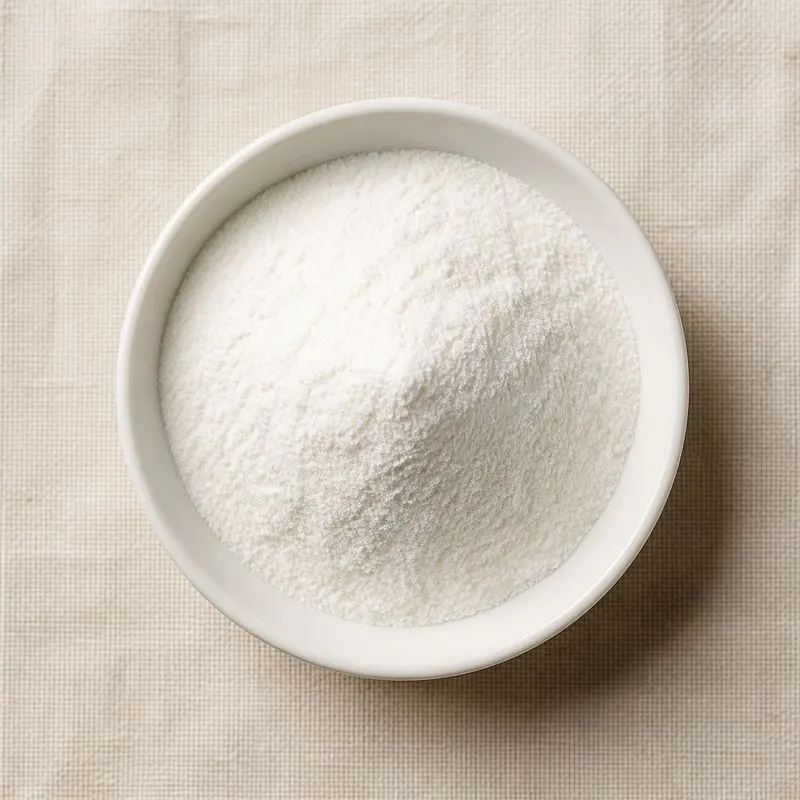
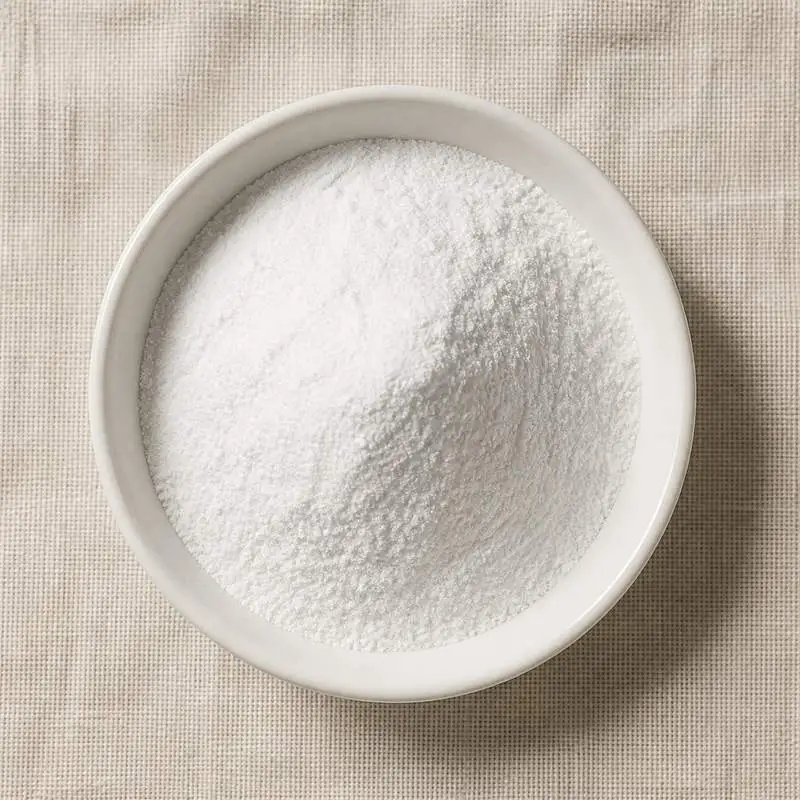
| Appearance | White crystalline powder |
| Assay (HPLC) | ≥98% |
| Moisture | ≤5.0% |
| Ash (sulphated) | ≤1.0% |
| Specific Rotation | -34° to -42° |
| Melting Point | 214–216 °C |
| Particle Size (80 mesh) | ≥95% |
| Heavy Metals (as Pb) | ≤10 mg/kg |
| Residue on Ignition | ≤0.5% |
| Total Plate Count | ≤1,000 cfu/g |
| Salmonella | Absent in 25g |
Common Markets Grades
Amygdalin is produced mainly as a research chemical and as an active ingredient in unapproved supplement preparations.
Analytical reference grades at 97 to 99 percent purity (HPLC) sell in gram quantities for pharmacopoeial and toxicological work.
Crude apricot kernel extract grades carry 20 to 40 percent amygdalin and are sold to formulators of bitter almond flavouring and to non-regulated supplement channels.
So-called laetrile preparations are semi-synthetic derivatives chemically distinct from natural amygdalin. They are not pharmaceutical-grade products in any major regulated market.
For flavour use, the deactivated apricot or bitter almond press cake is the more common starting point, since the goal is the benzaldehyde aroma rather than amygdalin itself.
Applications
- Reference standard for HPLC, LC-MS, and NMR quantification of cyanogenic glycosides in food and forensic laboratories
- Substrate for enzymology research on β-glucosidases and cyanohydrin lyases
- Starting material for the controlled enzymatic generation of benzaldehyde used in bitter almond flavouring
- Marker compound for authentication of Prunus-derived ingredients
- Toxicology research on cyanogenic poisoning and antidote development
- Botanical reference material in chemotaxonomy of Rosaceae
- Investigational research on glycosidase-activated prodrug concepts
- Quality control marker in the trade of apricot, peach, and bitter almond kernels
- Subject of pharmacology teaching cases on the difference between in vitro claims and in vivo outcomes
- Reference material in regulatory monitoring of cyanide exposure from food
Brands Using Amygdalin
Widely-distributed consumer products that list Amygdalin on the ingredient label.
- Apricot PowerApricot Power B17/Amygdalin 500mg Capsules ↗Capsules of apricot seed extract supplying 500 mg amygdalin (B17), extracted from apricot seeds and made in the USA.Label verified 2026-05-24
- Apricot PowerApricot Power B17/Amygdalin 100mg Capsules ↗Apricot Power's 100 mg capsule listing identifies B17 (amygdalin) extracted from apricot seeds as the active ingredient.Label verified 2026-05-24
Brand names, product names and logos are the property of their owners. They appear here as published evidence that the ingredient is used, taken from the brand's own label or website. Their appearance is not an endorsement, and it does not mean the brand buys from us or from any manufacturer listed on this site.
China Manufacturers of Amygdalin
Top Amygdalin manufacturers in China.

Company names and logos are the property of the manufacturers themselves. They are listed here because our own directory records them as producing this ingredient. A listing is not an endorsement by them, and we do not represent them or speak on their behalf.
How We Help Source Amygdalin
Direct Factory Sourcing
We run the whole process: selecting the manufacturer from the top Chinese food ingredient producers, negotiating the price, verifying quality, and coordinating the logistics. You deal with us instead of with several factories at once.
Original Packaging and Documents from the Manufacturer
The manufacturer sends your Amygdalin out of its own factory in the original packing, through to your destination port. The COA, COO, MSDS, TDS and any certifications reach you from the manufacturer as well.
Free Samples and Lead Time
We send 100 to 500 g free for your own laboratory to test and you cover only the courier, usually within 2 to 3 working days. ETD is usually within 7 to 15 days once the order is confirmed, and we check that date against the factory's own manufacturing schedule before we give it to you.
Combined Shipment
We can load Amygdalin together with other ingredients such as Arachidonic Acid, Coenzyme Q10 and Chondroitin Sulphate Sodium into one 20' FCL. If your quantity is small, we can also ship LCL.
Regulatory Status
Amygdalin and its semi-synthetic relative laetrile have a long and contested regulatory history.
The U.S. Food and Drug Administration has never approved amygdalin or laetrile as a treatment for cancer or any other disease. The agency rejected new drug applications in the 1970s after the National Cancer Institute clinical trials at the Mayo Clinic showed no antitumor effect and documented cases of cyanide toxicity in patients.
The FDA continues to issue warning letters and import alerts against amygdalin and laetrile products marketed with disease claims. Interstate sale of laetrile as a drug remains illegal in the United States.
The European Food Safety Authority concluded in 2016 that consumption of apricot kernels poses a clear risk of acute cyanide poisoning. EFSA derived an acute reference dose for cyanide of 20 micrograms per kilogram body weight, which is reached by a small number of bitter kernels in adults and even fewer in children.
The European Commission set maximum levels for hydrocyanic acid in unprocessed whole, ground, milled, cracked, or chopped apricot kernels placed on the market for the final consumer.
Several countries restrict or prohibit the retail sale of bitter apricot kernels and amygdalin-based products positioned as foods or supplements.
Manufacturing Process
Industrial amygdalin is obtained almost exclusively by solvent extraction of defatted Prunus kernels.
Apricot kernels from Turkey, Iran, China, and Central Asia are the dominant feedstock. After de-shelling, the kernels are cold-pressed to recover oil. The resulting cake retains most of the amygdalin and is the input to the extraction step.
The cake is extracted with hot ethanol or aqueous methanol, often after the kernel's own β-glucosidase emulsin has been deactivated by short steam treatment. Deactivation is essential, since active enzyme rapidly converts amygdalin to mandelonitrile, glucose, and hydrogen cyanide during extraction.
The crude extract is concentrated under vacuum, decolorised over activated carbon, and crystallised from ethanol-water mixtures. Recrystallisation brings analytical-grade material to 98 percent or higher purity.
All process water and ventilation streams must be monitored for free cyanide, and waste streams require alkaline oxidation before discharge.