Apricot Kernel Oil
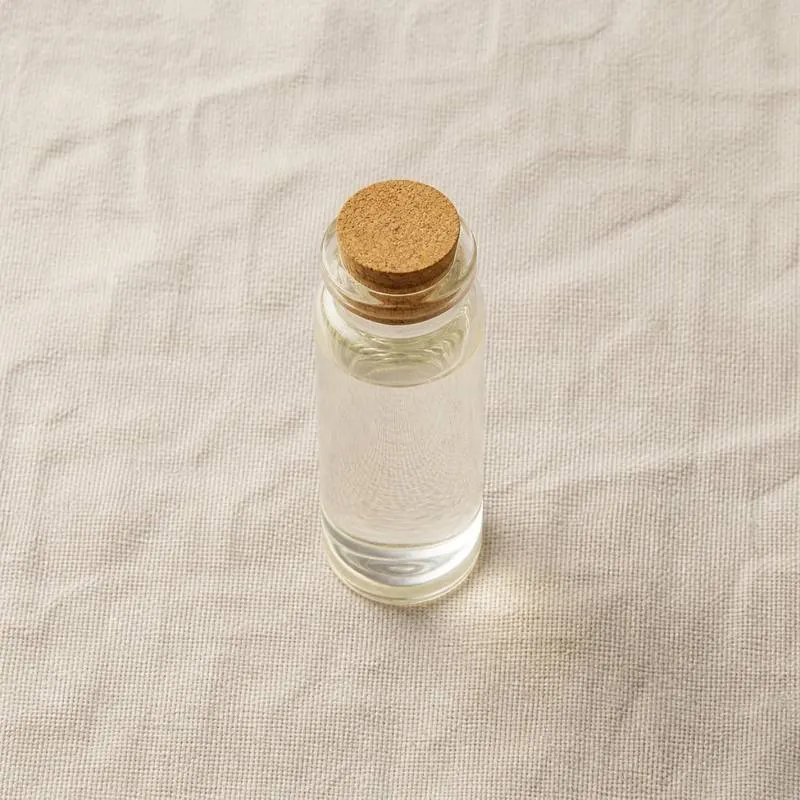
Apricot kernel oil is the fixed oil expressed from the seed of Prunus armeniaca, a pale yellow liquid triglyceride oil with a light, faintly nutty odour. It belongs to the same compositional family as sweet almond and peach kernel oil, with oleic acid at roughly sixty to seventy percent of the fatty acid profile, linoleic acid at twenty to thirty percent, and only a few percent of saturated palmitic and stearic acids.
The high monounsaturated content gives the oil a low melting point, so it stays clear and fluid down to refrigeration temperature, and it gives moderate oxidative stability, better than a linoleic dominant oil but well short of a saturated fat. Naturally present tocopherols, mainly the gamma form, provide some protection, and refined oil is often given an added antioxidant.
The oil is completely miscible with other vegetable oils and with most non polar solvents and is insoluble in water. It spreads readily and absorbs quickly on skin, which accounts for the large share of production that goes to cosmetics rather than to food. Food grade material ships refined, bleached and deodorised in drums or flexitanks, while the cold pressed grade is sold unrefined and retains the kernel aroma and a deeper yellow colour.
We source bulk Apricot Kernel Oil from top China manufacturers for our partners. The manufacturer is in Hebei. A smaller requirement can ship in a combined container with other ingredients.
Please send the grade you need, the volume and your destination port, and we will come back with a solution and a price.
or call +86-21-6858 0751

- Function
- Plant extract
Specifications
| Item | Specification |
|---|---|
| Appearance | Clear liquid, free of sediment at 20 °C |
| Colour | Pale yellow, Gardner ≤ 4 refined |
| Odour and Taste | Bland for refined grade, faintly nutty for cold pressed |
| Oleic Acid (C18:1) | 58% to 72% |
| Linoleic Acid (C18:2) | 20% to 34% |
| Palmitic Acid (C16:0) | 3.0% to 6.0% |
| Refractive Index (40 °C) | 1.464 to 1.470 |
| Acid Value | ≤ 0.6 mg KOH/g |
| Peroxide Value | ≤ 5.0 meq/kg |
| Saponification Value | 185 to 198 mg KOH/g |
| Iodine Value | 95 to 110 g I₂/100 g |
| Unsaponifiable Matter | ≤ 1.5% |
| Moisture and Volatiles | ≤ 0.1% |
| Hydrocyanic Acid | Not detected |
| Lead | ≤ 0.1 mg/kg |
| Arsenic | ≤ 0.1 mg/kg |
Common Markets Grades
Two production routes define the main grades. Cold pressed oil is expressed without heat, filtered only, and traded as a virgin oil on its colour, its faint natural aroma and a low peroxide value. Refined oil is solvent or press extracted and then taken through degumming, neutralisation, bleaching and deodorisation, which strips colour and odour and lowers the free fatty acid figure to a fraction of a percent.
Within those routes the trade separates food grade from cosmetic grade. The difference lies less in the oil itself than in the documentation, the allergen and pesticide testing and the facility standard behind it. Kernel origin also matters, since oil pressed from bitter kernels must be shown free of cyanogenic residues, and cold pressed bitter kernel oil is tested for hydrocyanic acid on every lot. Organic certified oil is available in both cold pressed and refined form, and a refined winterised grade is offered where the oil must stay clear in a chilled product.
Applications
- Salad and finishing oils, where the cold pressed grade contributes a light nutty character without dominating a dressing
- Bakery and confectionery fats, used as a liquid oil component in fillings and creams that must stay soft at room temperature
- Nut flavoured spreads and pastes, where the oil is added back to adjust consistency after grinding
- Infant and specialised nutrition oil blends, contributing oleic acid to a designed fatty acid profile
- Encapsulated oil supplements, sold on the fatty acid and tocopherol content of the unrefined grade
- Skin care emulsions, massage oils and bath products, which take the largest share of production
- Hair conditioning products and scalp oils, where the light feel is the formulation reason
- Carrier oil for essential oils and oil soluble actives, both in cosmetics and in flavour dilution
- Soap and bar formulations, where it contributes a soft, conditioning fraction to the fat blend
Brands Using Apricot Kernel Oil
Widely-distributed consumer products that list Apricot Kernel Oil on the ingredient label.
- Aura CaciaApricot Kernel Skin Care Oil 4 fl. oz. ↗Single carrier oil whose whole ingredient list is Prunus armeniaca apricot kernel oil with mixed tocopherols added.Label verified 2026-08-31
- Dr. HauschkaApricot Day Cream ↗Day moisturiser whose ingredient declaration lists Prunus armeniaca kernel oil as part of the apricot base of the formula.Label verified 2026-08-31
Brand names, product names and logos are the property of their owners. They appear here as published evidence that the ingredient is used, taken from the brand's own label or website. Their appearance is not an endorsement, and it does not mean the brand buys from us or from any manufacturer listed on this site.
China Manufacturers of Apricot Kernel Oil
Top Apricot Kernel Oil manufacturers in China.

Company names and logos are the property of the manufacturers themselves. They are listed here because our own directory records them as producing this ingredient. A listing is not an endorsement by them, and we do not represent them or speak on their behalf.
Regulatory Status
In the United States, apricot kernel oil is a food fat governed by the general food provisions of the Federal Food, Drug and Cosmetic Act. It has no dedicated food additive listing and does not need one for use as an edible oil, while its use in cosmetics falls under the cosmetic provisions rather than the food ones. Refining and deodorisation are relied on to remove any cyanogenic material carried from bitter kernel feedstock, and lots intended for food are tested to confirm this.
In the European Union the oil is a food ingredient rather than a food additive, so no E number applies. Vegetable oils placed on the Union market are subject to the general contaminants framework, which covers process contaminants formed during refining such as glycidyl esters and chloropropanediol esters, and refiners control deodorisation temperature accordingly. Codex includes named vegetable oils in its standard for oils not covered by individual standards, and apricot kernel oil is traded against the general quality parameters set out there, covering acid value, peroxide value and the identity characteristics of the oil. JECFA has issued no additive specification, since the material is a food rather than an additive.
Manufacturing Process
Cleaned, sorted apricot kernels are dried to a moisture level suited to pressing and, for the refined route, flaked or cracked to open the cell structure. Cold pressed oil is expressed on a screw press run at low speed and controlled temperature so that the oil leaves the press below the point at which colour and aroma change, then settled, filtered on a plate or bag filter and filled. Yields on this route are modest and the press cake retains a significant oil fraction.
The refined route presses the kernels harder, often followed by solvent extraction of the cake with hexane, and combines the two oil streams. Crude oil is degummed with water or acid to remove phospholipids, neutralised with caustic to strip free fatty acids as a soapstock, washed and dried, bleached over acid activated clay to remove colour bodies and traces of soap and metals, and deodorised by steam stripping under vacuum, which also removes any volatile benzaldehyde carried from bitter kernels. Winterisation is applied where the oil must stay clear when chilled. The finished oil is filtered, blanketed with nitrogen and filled into drums or bulk containers.