Aronia Extract
Aronia Extract is a deep purple-black polyphenol concentrate produced from the fruit of Aronia melanocarpa (Michx.) Elliott, the black chokeberry. The species is native to eastern North America and is now cultivated extensively in Poland, which supplies most of the world's commercial crop.
The berry is one of the densest sources of anthocyanins, proanthocyanidins, and total polyphenols in the cultivated fruit kingdom, and consistently posts the highest ORAC values among commercial berries. Standardised grades are quoted by anthocyanin and total polyphenol content.
We source bulk Aronia Extract from top China manufacturers for our partners. The manufacturer is in Zhejiang. A smaller requirement can ship in a combined container with other ingredients.
Please send the grade you need, the volume and your destination port, and we will come back with a solution and a price.
or call +86-21-6858 0751
- Packaging
- 25 kg fibre drum with double PE liner
- ISO 9001
- HACCP
- Halal
- Kosher
Specifications
Grades / Types Available: Food Grade
| Item | Specification |
|---|---|
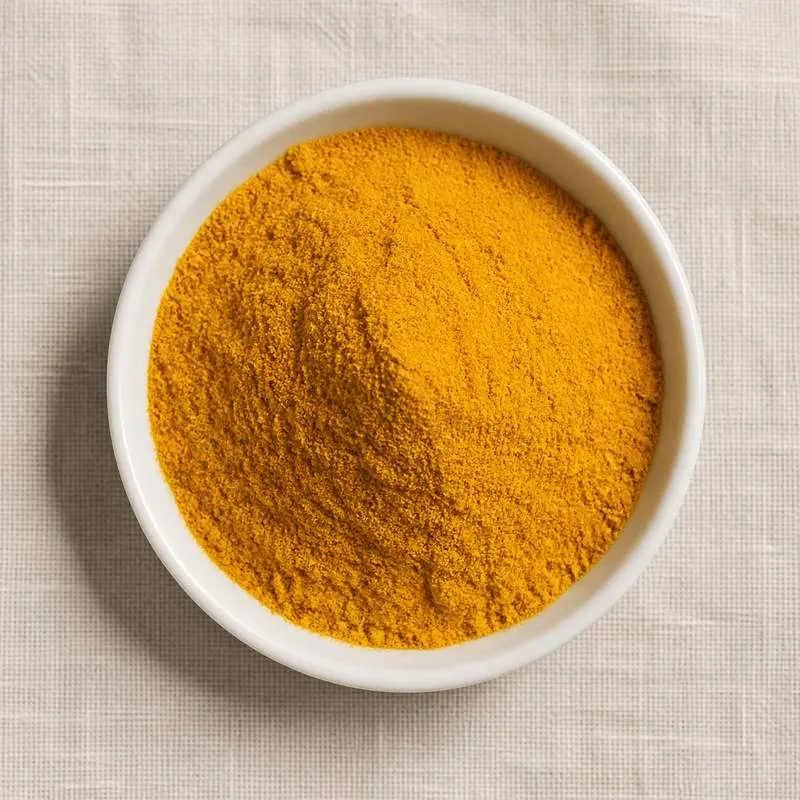
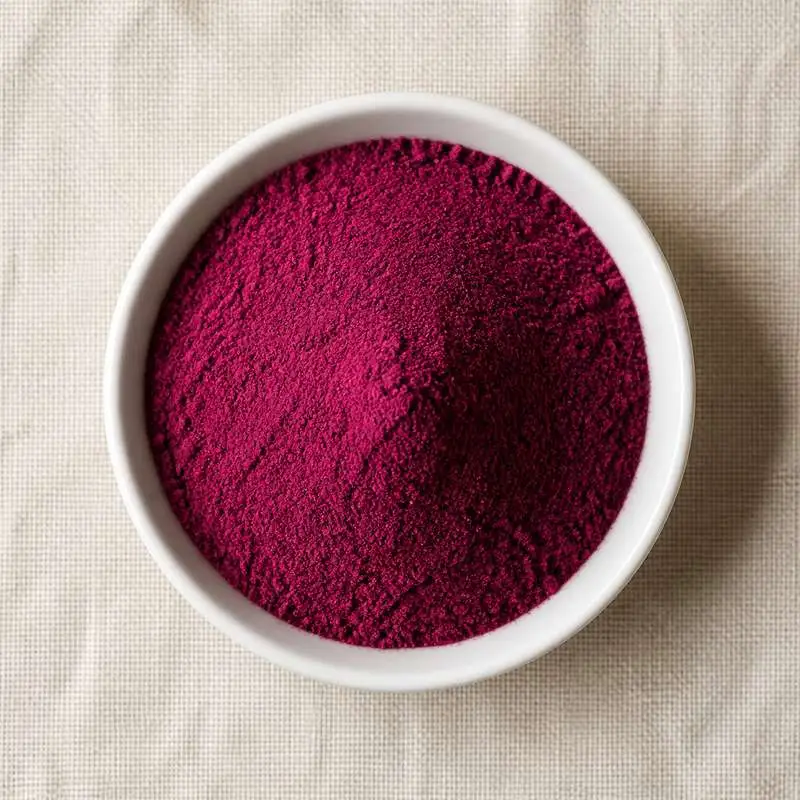
| Appearance | Dark purple powder or liquid |
| Anthocyanin Content | ≥ 5-25% (grade-dependent) |
| Polyphenol Content | ≥ 40% (powder) |
| Moisture | ≤ 5.0% (powder) |
| Heavy Metals (as Pb) | ≤ 2 mg/kg |
| Total Plate Count | ≤ 1,000 cfu/g |
| Solubility | Water Soluble |
| Main Coloring Component | Anthocyanin extract |
| Main Function | Natural red food coloring for food and beverage applications |
| Extraction Process | Water extraction without chemical solvent |
| Color Direction | Natural red to red-purple tone depending on formulation |
| Application Orientation | Beverage, confectionery, dairy, desserts, fillings and nutritional drink systems |
| Storage | Store in a cool, dry place away from direct light and high temperature |
| Certification Support | FSSC22000, Halal, Kosher, Organic and related technical documents available upon request |
Common Markets Grades
Aronia Extract spans several format and concentration tiers.
Juice powders and 4:1 native concentrates carry 1 to 4 percent anthocyanins and the full fruit polyphenol matrix. These grades are widely used in beverages and confectionery.
Standardised supplement grades step up to 5, 10, 15, and 25 percent anthocyanins by UV-Vis pH-differential assay. Total polyphenol values, measured by Folin-Ciocalteu and expressed as gallic acid equivalents, are also routinely quoted, with premium grades reaching above 60 percent.
Specialty grades report proanthocyanidin content by BL-DMAC alongside anthocyanin assay. Press-cake polyphenol concentrates and seedless berry powders are produced for clean-label nutraceuticals.
Organic-certified material is the default in many European supply chains. Tableting and beverage-soluble carriers are blended on request.
Applications
- Antioxidant and healthy-aging supplements positioned around polyphenol density
- Cardiovascular and blood-pressure support blends
- Functional beverages, juice blends, shots, and powdered drink mixes
- Confectionery: gummies, jellies, pastilles, and chocolate inclusions
- Bakery and cereal applications: muffins, granola, breakfast bars, and toppings
- Dairy and frozen desserts including yogurt swirls and ice cream ribbons
- Natural colour in low-pH applications, often as an anthocyanin source for clean-label reformulation
- Sports nutrition recovery blends targeting oxidative stress
- Cosmetic and personal-care formulations claiming antioxidant defense
- Senior-nutrition powders and immune-support combinations
- Pet supplements for senior antioxidant support
- Wine-style and infused-spirit applications in craft beverage
Brands Using Aronia Extract
Widely-distributed consumer products that list Aronia Extract on the ingredient label.
- SwansonFull Spectrum Aronia (Chokeberry) 400 mg Capsules ↗Swanson Premium Full Spectrum Aronia is a 400 mg Aronia melanocarpa (black chokeberry) fruit capsule.Label verified 2026-05-24
- Eclectic HerbAronia Berry Capsules (Fresh Freeze-Dried) ↗Capsules of US-grown organic Aronia melanocarpa berries, fresh freeze-dried.Label verified 2026-05-24
- J&J AroniaOrganic Aronia Supplement with Acerola Capsules ↗Organic black chokeberry capsules combined with acerola cherry extract.Label verified 2026-05-24
- PowbabAronia Berry Powder ↗A 100% aronia (black chokeberry) berry powder for smoothies and drinks.Label verified 2026-05-24
Brand names, product names and logos are the property of their owners. They appear here as published evidence that the ingredient is used, taken from the brand's own label or website. Their appearance is not an endorsement, and it does not mean the brand buys from us or from any manufacturer listed on this site.
China Manufacturers of Aronia Extract
Top Aronia Extract manufacturers in China.

Company names and logos are the property of the manufacturers themselves. They are listed here because our own directory records them as producing this ingredient. A listing is not an endorsement by them, and we do not represent them or speak on their behalf.
How We Help Source Aronia Extract
Direct Factory Sourcing
We run the whole process: selecting the manufacturer from the top Chinese food ingredient producers, negotiating the price, verifying quality, and coordinating the logistics. You deal with us instead of with several factories at once.
Original Packaging and Documents from the Manufacturer
The manufacturer sends your Aronia Extract out of its own factory in the original packing, through to your destination port. The COA, COO, MSDS, TDS and any certifications reach you from the manufacturer as well.
Free Samples and Lead Time
We send 100 to 500 g free for your own laboratory to test and you cover only the courier, usually within 2 to 3 working days. ETD is usually within 7 to 15 days once the order is confirmed, and we check that date against the factory's own manufacturing schedule before we give it to you.
Combined Shipment
We can load Aronia Extract together with other ingredients such as Astaxanthin, Dehydrated Garlic and Lutein into one 20' FCL. If your quantity is small, we can also ship LCL.
Regulatory Status
Aronia Extract is broadly accepted in major markets.
The fruit has a documented history of food use in eastern and central Europe and North America, supporting conventional food ingredient status in the European Union and the United States. The extract is marketed as a food supplement in the EU and as a dietary supplement under DSHEA in the US.
Aronia juice carries a Polish national geographical identification and is the subject of EU-level promotion campaigns by the Polish growers' association. Several anthocyanin-related health claims have been proposed to the European Food Safety Authority but have not been adopted at the generic level.
Japan accepts aronia-derived products under the Foods with Function Claims framework. The INCI name for cosmetic use is Aronia Melanocarpa Fruit Extract. Organic, Kosher, and Halal certifications are widely available, and most Polish supply is organic by default.
Manufacturing Process
Aronia berries are mechanically harvested in late summer and early autumn. The fruit is sorted, washed, and either pressed for juice or held as frozen material for later extract manufacture.
Juice processing recovers a soluble fraction rich in organic acids, sugars, and a portion of the anthocyanins. The press cake retains most of the polyphenol density, particularly the proanthocyanidins, and is the preferred starting material for high-spec extract.
Dried pomace is milled and extracted with food-grade aqueous ethanol. The crude extract is filtered, optionally enriched by macroporous resin chromatography, vacuum-concentrated, blended with a carrier, and spray-dried under controlled conditions.
Lot release combines UV-Vis anthocyanin assay, HPLC fingerprinting of cyanidin-3-galactoside (the dominant pigment), Folin-Ciocalteu total polyphenols, and BL-DMAC for PAC content. The astringency of the raw fruit, driven by its high tannin load, is a meaningful formulation consideration that often pushes downstream debittering or flavour masking.