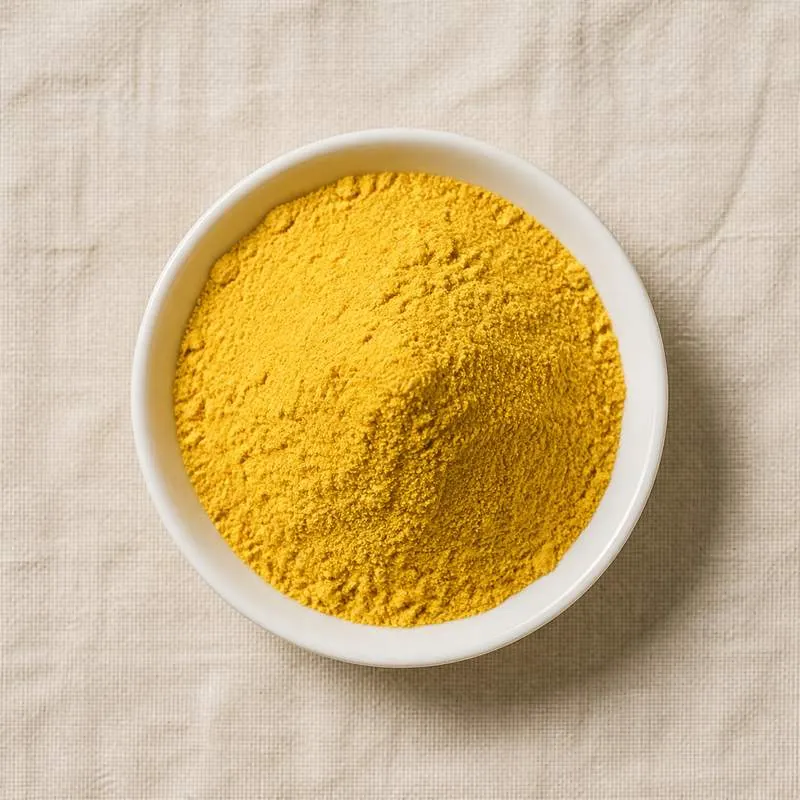
Anthocyanin
Anthocyanin is the generic name for a large family of water-soluble vacuolar flavonoid pigments that produce the red, purple, and blue colours of most flowers and many fruits. The family is registered in the European Union as E163 and covers extracts standardised to the common aglycones cyanidin, delphinidin, malvidin, pelargonidin, peonidin, and petunidin.
Commercial Anthocyanin colourants are produced as extracts of grape skin, grape marc, blackcurrant, elderberry, red cabbage, purple sweet potato, hibiscus, and similar high-pigment plant matrices. The hue delivered shifts with pH, ranging from cherry red below pH 3 through purple at neutrality to greenish blue above pH 8.
We source bulk Anthocyanin from top China manufacturers for our partners. The manufacturers are in Heilongjiang and Liaoning. A smaller requirement can ship in a combined container with other ingredients.
Please send the grade you need, the volume and your destination port, and we will come back with a solution and a price.
or call +86-21-6858 0751
- Packaging
- 20 kg fibre drum, light-shielded
- ISO 9001
- HACCP
- Halal
- Kosher
Specifications
Grades / Types Available: Food Grade, Pharmaceutical Grade
| Item | Specification |
|---|---|
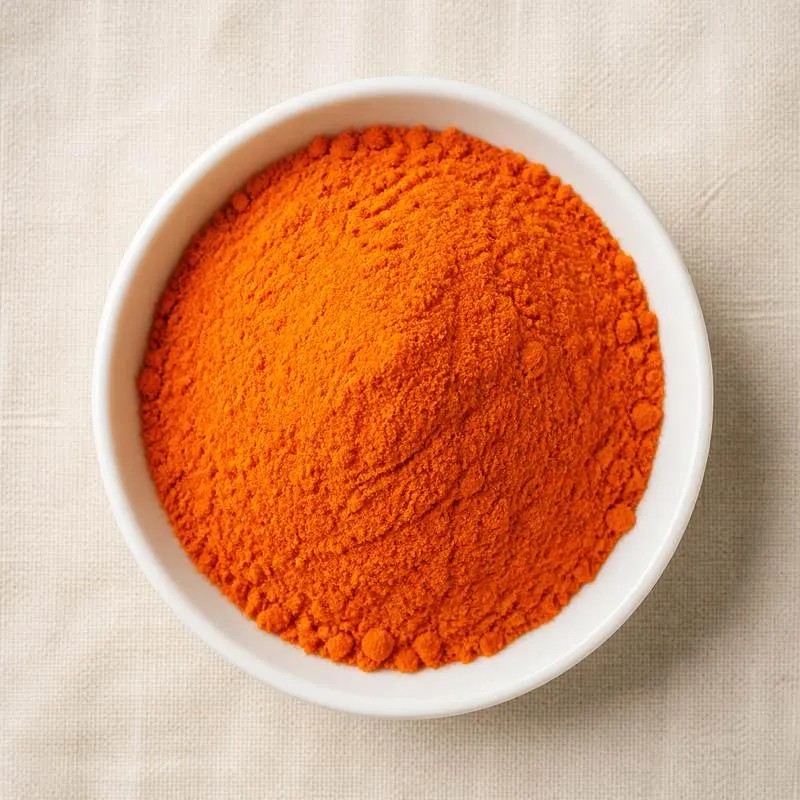
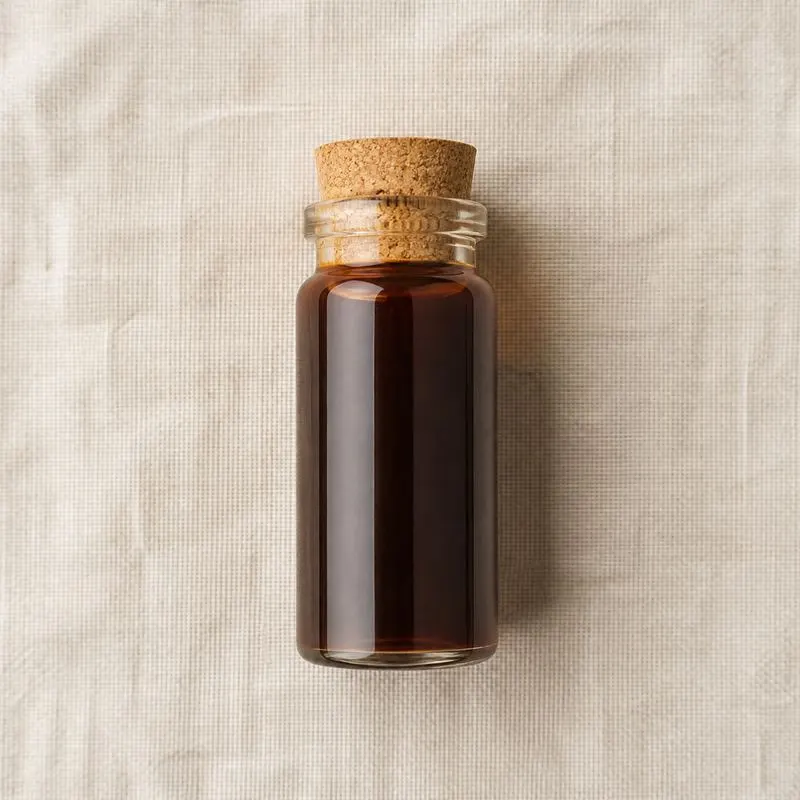
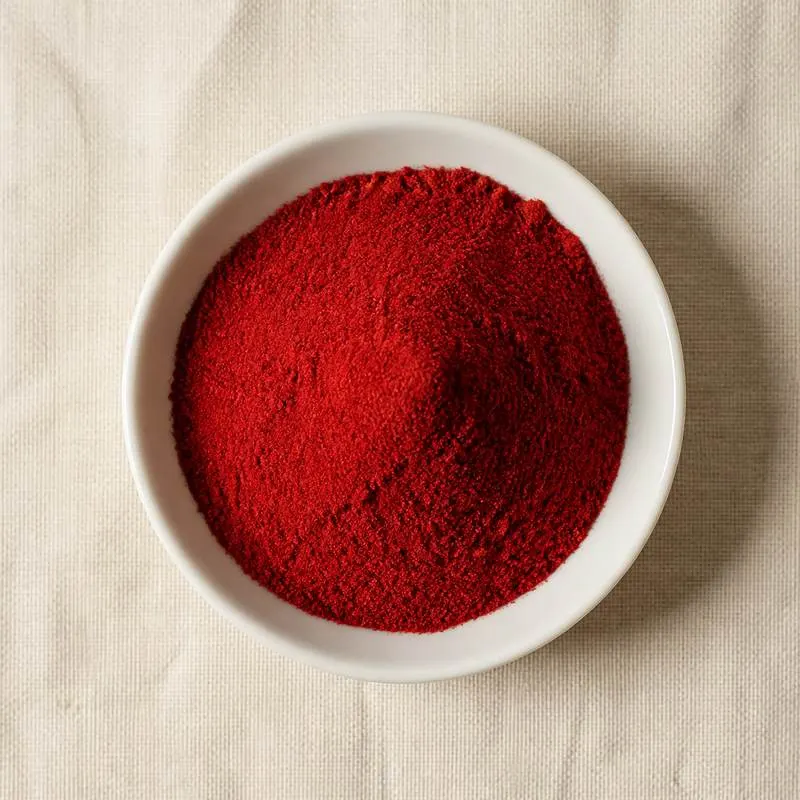
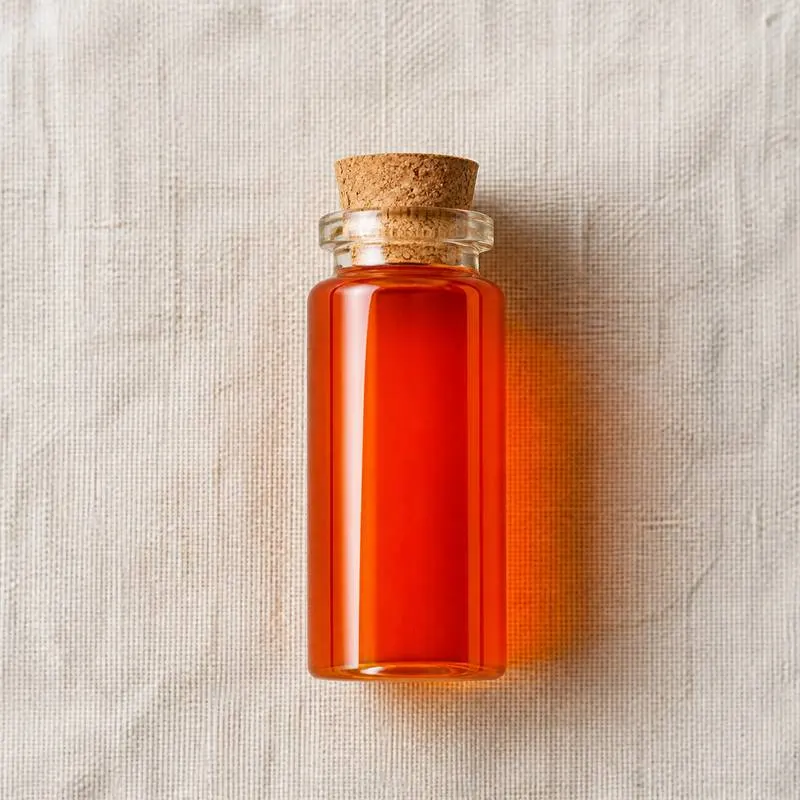
| Appearance | Dark red-purple powder or liquid |
| Anthocyanin Content | ≥ 5-25% (source-dependent) |
| Moisture | ≤ 5.0% (powder) |
| pH Stability | pH 2.0-5.0 (best colour stability) |
| Solubility | Water-soluble |
| Heavy Metals (as Pb) | ≤ 2 mg/kg |
| Total Plate Count | ≤ 1,000 cfu/g |
| Purity/Assay (Food Grade) | ≥ 25% |
| Moisture/Loss on Drying | ≤ 5% |
| pH | 3.0 - 5.0 |
| Lead | ≤ 1 ppm |
| Arsenic | ≤ 0.5 ppm |
| Yeast & Mold | ≤ 100 cfu/g |
Common Markets Grades
Anthocyanin extracts are graded by total monomeric anthocyanin content, measured by the pH-differential method and reported as colour value E1%/1cm at 520 nm in acidified solvent.
Liquid grades at colour value 50 to 400 in aqueous ethanol or propylene glycol are the standard for beverages, sauces, and dairy applications.
Spray-dried powder grades at colour value 200 to 1500 are carried on maltodextrin, gum arabic, or modified starch and are preferred for dry mixes, confectionery, and bakery premixes.
Concentrated grades on adsorption-resin-purified pigment, with colour value above 2000, are produced where formulation space is critical or where the natural sugars and acids of the source juice are unwanted.
Source-specific grades are differentiated by aglycone profile: grape-skin extracts are malvidin-dominant, blackcurrant and elderberry are cyanidin- and delphinidin-rich, and red-cabbage extracts are non-acylated cyanidin glycosides with the broadest pH-stability window.
Applications
- Soft drinks, sports drinks, and flavoured waters in berry and grape profiles
- Wine-style and grape-juice beverages for colour top-up after pressing
- Hard candies, jellies, gummies, and chewing gum in red, purple, and pink shades
- Yogurt, ice cream, and other dairy desserts in berry and tropical-fruit profiles
- Bakery: fruit fillings, frostings, decorative icings, and dessert sauces
- Jams, preserves, and fruit spreads where natural fruit pigment has faded during processing
- Confectionery panned coatings and chocolate-shell decorations
- Plant-based meat analogs for a raw or bloody appearance
- Dietary supplements positioned on antioxidant or vascular-health claims
- Cosmetics: lipsticks, blushers, and natural-positioning skincare
Brands Using Anthocyanin
Widely-distributed consumer products that list Anthocyanin on the ingredient label.
- Mott'sFor Tots Fruit Punch ↗Mott's For Tots Fruit Punch product page lists vegetable and fruit juice concentrates added for colour (anthocyanin-based natural colour).Label verified 2026-05-24
- Welch'sFruit Punch Juice Drink ↗Welch's official Fruit Punch product page lists vegetable juice and fruit juice for colour; uses anthocyanin-rich juice concentrates for natural colour.Label verified 2026-05-24
Brand names, product names and logos are the property of their owners. They appear here as published evidence that the ingredient is used, taken from the brand's own label or website. Their appearance is not an endorsement, and it does not mean the brand buys from us or from any manufacturer listed on this site.
China Manufacturers of Anthocyanin
Top Anthocyanin manufacturers in China.
 Heilongjiang Province Shangzhi Luye Berry Co., Ltd.1 ingredient in the directory
 Huludao Mao Hua Biology.,Co., Ltd.3 ingredients in the directory
Company names and logos are the property of the manufacturers themselves. They are listed here because our own directory records them as producing this ingredient. A listing is not an endorsement by them, and we do not represent them or speak on their behalf.
How We Help Source Anthocyanin
Direct Factory Sourcing
We run the whole process: selecting the manufacturer from the top Chinese food ingredient producers, negotiating the price, verifying quality, and coordinating the logistics. You deal with us instead of with several factories at once.
Original Packaging and Documents from the Manufacturer
The manufacturer sends your Anthocyanin out of its own factory in the original packing, through to your destination port. The COA, COO, MSDS, TDS and any certifications reach you from the manufacturer as well.
Free Samples and Lead Time
We send 100 to 500 g free for your own laboratory to test and you cover only the courier, usually within 2 to 3 working days. ETD is usually within 7 to 15 days once the order is confirmed, and we check that date against the factory's own manufacturing schedule before we give it to you.
Combined Shipment
We can load Anthocyanin together with other ingredients such as Beta Carotene, Caramel Colour and Lycopene into one 20' FCL. If your quantity is small, we can also ship LCL.
Regulatory Status
Anthocyanins are approved as food colours in essentially every major regulated market.
In the European Union Regulation (EC) No 1333/2008 lists them as E163 in Annex II, and Commission Regulation (EU) 231/2012 restricts the source to extracts of strawberry, blackberry, blackcurrant, cherry, raspberry, grape, elderberry, plum, hibiscus, red cabbage, and a small number of other approved plants.
In the United States, 21 CFR 73 lists individual anthocyanin-rich extracts as color additives exempt from certification, with separate entries for grape colour extract (73.169), grape skin extract for beverage use (73.170), fruit juice (73.250), vegetable juice (73.260), and several other plant-source extracts. Use levels and food categories vary by listing.
JECFA has evaluated anthocyanin extracts from grape skin and from other listed plant sources and assigned them acceptable status as colours. Most commercial Anthocyanin grades carry Halal, Kosher, and vegan certifications consistent with their all-botanical origin.
Manufacturing Process
Production starts with selection of a high-pigment plant matrix. Grape skin, recovered as a press cake from red-wine production, is the largest single feedstock by volume and supplies the bulk of grape-marc Anthocyanin on the global market.
The matrix is extracted with acidified water, aqueous ethanol, or sulphur-dioxide-conditioned water at moderate temperature. Acid stabilises the flavylium cation, which is the coloured form of the pigment.
The extract is filtered to remove particulates, concentrated under vacuum to limit thermal degradation, and either standardised as a liquid or further purified on a macroporous adsorption resin. Resin treatment retains the pigment while letting sugars, acids, and minerals pass through, and is the standard route to high-colour-value powders.
The purified concentrate is spray-dried on a carrier polysaccharide. Acylated anthocyanin sources such as red cabbage and purple sweet potato are processed similarly but require gentler thermal conditions to preserve the acyl groups that drive their superior colour stability.