Ashwagandha Extract
Ashwagandha Extract is a concentrated preparation of the dried root of Withania somnifera, an evergreen shrub of the Solanaceae family native to dry regions of India, the Middle East, and parts of Africa.
The extract is standardised to withanolides, a family of C28 steroidal lactones that includes withaferin A, withanolides A through D, and the glycowithanolides known as sitoindosides. Standardisation is typically expressed as a percentage of total withanolides by HPLC or gravimetric assay.
We source bulk Ashwagandha Extract from top China manufacturers for our partners. The manufacturers are in Shaanxi. A smaller requirement can ship in a combined container with other ingredients.
Please send the grade you need, the volume and your destination port, and we will come back with a solution and a price.
or call +86-21-6858 0751
- Packaging
- 25 kg fibre drum with double PE liner
- ISO 9001
- HACCP
- Halal
- Kosher
Specifications
| Item | Specification |
|---|---|
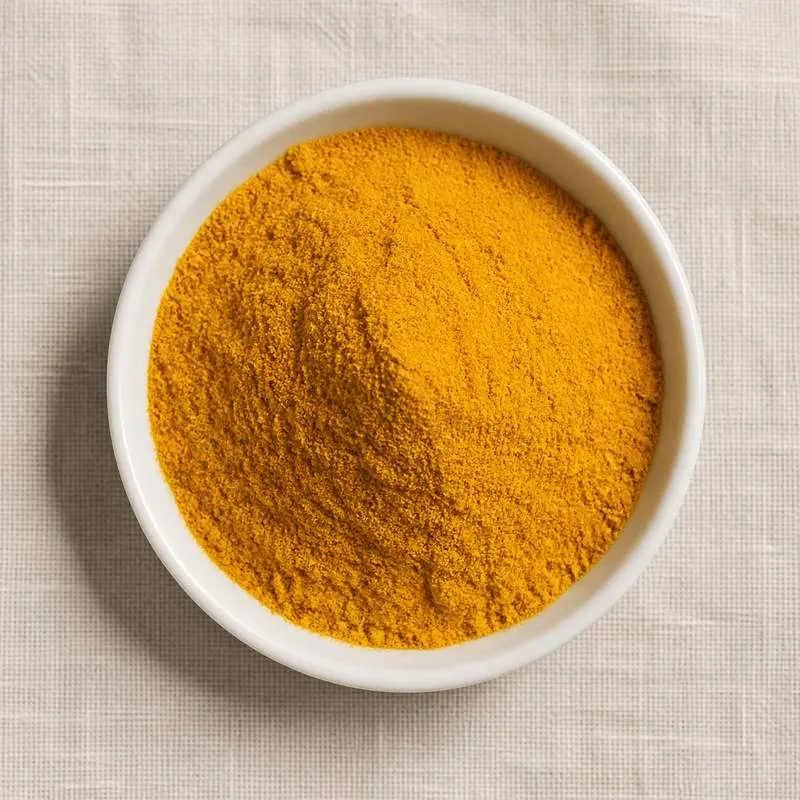
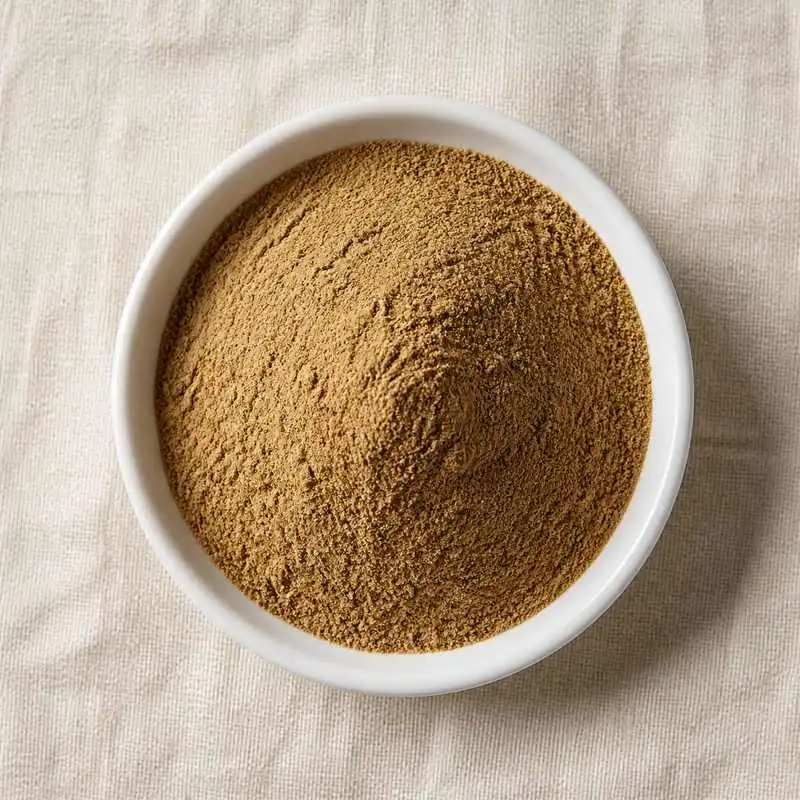
| Appearance | Light brown to brown fine powder |
| Withanolides (HPLC) | 1.5–10% |
| Moisture | ≤5.0% |
| Ash | ≤5.0% |
| Extraction Solvent | Water / ethanol |
| Ratio (crude:extract) | 4:1 to 10:1 |
| Particle Size (80 mesh) | ≥95% |
| Heavy Metals (as Pb) | ≤2 mg/kg |
| Pesticide Residues | Complies |
| Total Plate Count | ≤10,000 cfu/g |
| Salmonella | Absent in 25g |
Common Markets Grades
Ashwagandha Extract is graded by withanolide content, with a strong split between water and ethanol extraction.
Standard commercial grades run at 1.5, 2.5, 5, and 10 percent withanolides by HPLC, with 2.5 percent the most common grade for capsule fill.
Branded full-spectrum extracts at defined withanolide content (commonly 5 percent) carry the bulk of the global clinical research portfolio and trade at premium prices.
Higher-potency grades reaching 15 to 35 percent withanolides are produced by ethanol extraction and macroporous resin enrichment for high-dose clinical material and cosmetic actives.
The extract is a free-flowing pale brown to tan powder with a characteristic mildly bitter horse-like odour that gives the herb its Sanskrit name (ashwa = horse, gandha = smell).
Applications
- Stress management and cortisol-balance capsules and tablets
- Sleep support gummies and chewables, often combined with magnesium and L-theanine
- Sports nutrition products targeting strength, recovery, and testosterone optimisation
- Adaptogen blends with rhodiola, holy basil, and reishi in capsule and powder formats
- Cognitive performance and memory supplements paired with bacopa or lion's mane
- Women's health formulas for menopausal balance and energy
- Functional beverages and energy shots in the stress-relief positioning
- Ayurvedic compound preparations including chyawanprash and traditional pastes
- Pet supplements for canine stress, anxiety, and senior vitality
- Skincare creams and serums claiming anti-aging and stress-skin benefits
- Plant-based protein blends with an adaptogen positioning
- Functional chocolates and snack bars in the calming-snack category
Brands Using Ashwagandha Extract
Widely-distributed consumer products that list Ashwagandha Extract on the ingredient label.
- Nature MadeAshwagandha Gummies 300 mg (KSM-66) ↗Nature Made's official Ashwagandha Gummies product page delivers 300 mg/day of clinically studied KSM-66 ashwagandha root extract for stress support.Label verified 2026-05-24
- Gaia HerbsAshwagandha Root Liquid Phyto-Caps ↗Vegan Liquid Phyto-Caps of organic Withania somnifera root extract.Label verified 2026-05-24
- NOW FoodsKSM-66 Ashwagandha Veg Capsules ↗Veg capsules of branded full-spectrum KSM-66 ashwagandha root extract.Label verified 2026-05-24
- Jarrow FormulasAshwagandha 300 mg (Sensoril) ↗Jarrow Formulas' official Ashwagandha product page contains 300 mg Sensoril Ashwagandha extract (standardised to 8% withanolide glycosides) per capsule for stress resistance.Label verified 2026-05-24
- Pure EncapsulationsAshwagandha 500 mg (KSM-66) ↗Pure Encapsulations' official Ashwagandha product page delivers 500 mg KSM-66 Ashwagandha root extract per capsule for stress, sleep and cognitive support.Label verified 2026-05-24
- Garden of Lifemykind Organics Ashwagandha Stress & Mood ↗Garden of Life's mykind Organics Ashwagandha page sells certified-organic fermented Withania somnifera root extract tablets for stress, mood and energy support.Label verified 2026-05-24
- HimalayaOrganic Ashwagandha ↗Himalaya's official Organic Ashwagandha caplets combine clinically studied Withania somnifera root powder and root extract for adrenal/stress support.Label verified 2026-05-24
Brand names, product names and logos are the property of their owners. They appear here as published evidence that the ingredient is used, taken from the brand's own label or website. Their appearance is not an endorsement, and it does not mean the brand buys from us or from any manufacturer listed on this site.
China Manufacturers of Ashwagandha Extract
Top Ashwagandha Extract manufacturers in China.
- Fufeng Ciyuan Biotech Co., Ltd.24 ingredients in the directory
 Shaanxi HerboMate Bio-Tech Co., Ltd.6 ingredients in the directory
Company names and logos are the property of the manufacturers themselves. They are listed here because our own directory records them as producing this ingredient. A listing is not an endorsement by them, and we do not represent them or speak on their behalf.
How We Help Source Ashwagandha Extract
Direct Factory Sourcing
We run the whole process: selecting the manufacturer from the top Chinese food ingredient producers, negotiating the price, verifying quality, and coordinating the logistics. You deal with us instead of with several factories at once.
Original Packaging and Documents from the Manufacturer
The manufacturer sends your Ashwagandha Extract out of its own factory in the original packing, through to your destination port. The COA, COO, MSDS, TDS and any certifications reach you from the manufacturer as well.
Free Samples and Lead Time
We send 100 to 500 g free for your own laboratory to test and you cover only the courier, usually within 2 to 3 working days. ETD is usually within 7 to 15 days once the order is confirmed, and we check that date against the factory's own manufacturing schedule before we give it to you.
Combined Shipment
We can load Ashwagandha Extract together with other ingredients such as Astaxanthin, Dehydrated Garlic and Lutein into one 20' FCL. If your quantity is small, we can also ship LCL.
Regulatory Status
Ashwagandha is regulated as a dietary ingredient under the Dietary Supplement Health and Education Act in the United States and as a Natural Health Product in Canada under the Withania somnifera monograph.
In India, ashwagandha is a classical Ayurvedic drug substance covered by the Ayurvedic Pharmacopoeia of India. The Ministry of AYUSH governs its use in licensed Ayurvedic, Siddha, and Unani preparations.
The European Food Safety Authority has reviewed ashwagandha within broader botanical assessments. Several EU member states permit its use in food supplements; Denmark and a few others have placed restrictions, and Health Canada updated its monograph to address pregnancy contraindications.
The Therapeutic Goods Administration in Australia lists Withania somnifera as a permissible ingredient for listed medicines.
Kosher and Halal certifications are routinely available. Many branded extracts also hold organic certification under USDA NOP or EU organic frameworks.
Manufacturing Process
Cultivation is concentrated in Madhya Pradesh and Rajasthan in India, with smaller acreage in Gujarat and Maharashtra. The crop matures in 150 to 180 days from sowing to root harvest.
Roots are dug after the foliage yellows, washed, cut to short lengths, and dried in shade or low-temperature air dryers. The dried root is the starting material for extraction; the leaves are processed separately and carry a different withanolide profile dominated by withaferin A.
Two extraction approaches dominate. Water extraction with proprietary processing produces a full-spectrum extract with both withanolides and the water-soluble glycowithanolides and oligosaccharides preserved. Ethanol-water extraction yields a concentrate richer in lipophilic withanolides.
The miscella is filtered, vacuum-concentrated, and spray-dried with maltodextrin, gum acacia, or starch carriers. Higher-potency grades pass through macroporous resin enrichment before drying.
Quality control by HPLC quantifies the major withanolides and confirms the absence of withaferin A above grade-specific limits, since withaferin A carries a stronger cytotoxic profile than the other withanolides and is typically restricted in root-based products.