Astragalus Extract
Astragalus extract is a botanical concentrate prepared from the dried root of Astragalus membranaceus and its variety mongholicus, a perennial legume of the Fabaceae family grown across northern China, Mongolia and Korea. The root is one of the most widely traded botanicals in Chinese herbal medicine and reaches the food and supplement trade both as a water soluble polysaccharide preparation and as a saponin standardised extract.
Two marker classes define the material. Astragalus polysaccharides are branched glucans and heteropolysaccharides of high molecular weight, quantified as a percentage of the powder and responsible for its water solubility and mild sweetness. Cycloartane triterpene saponins, of which astragaloside IV is the reference compound, occur at far lower levels and require a purification step to reach a declarable figure. Isoflavones such as calycosin and formononetin are present as secondary markers used in identification.
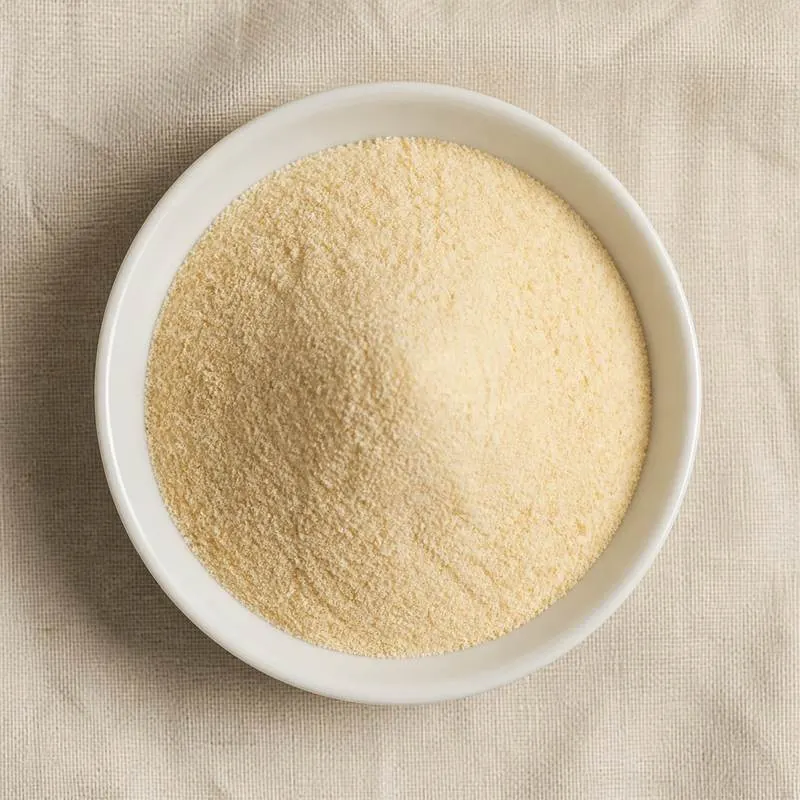
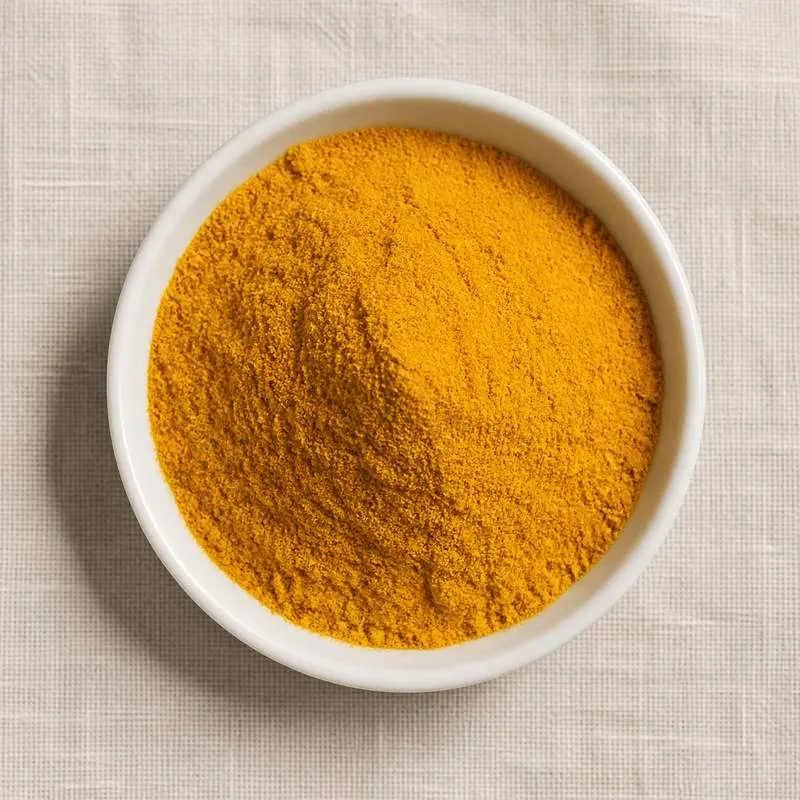
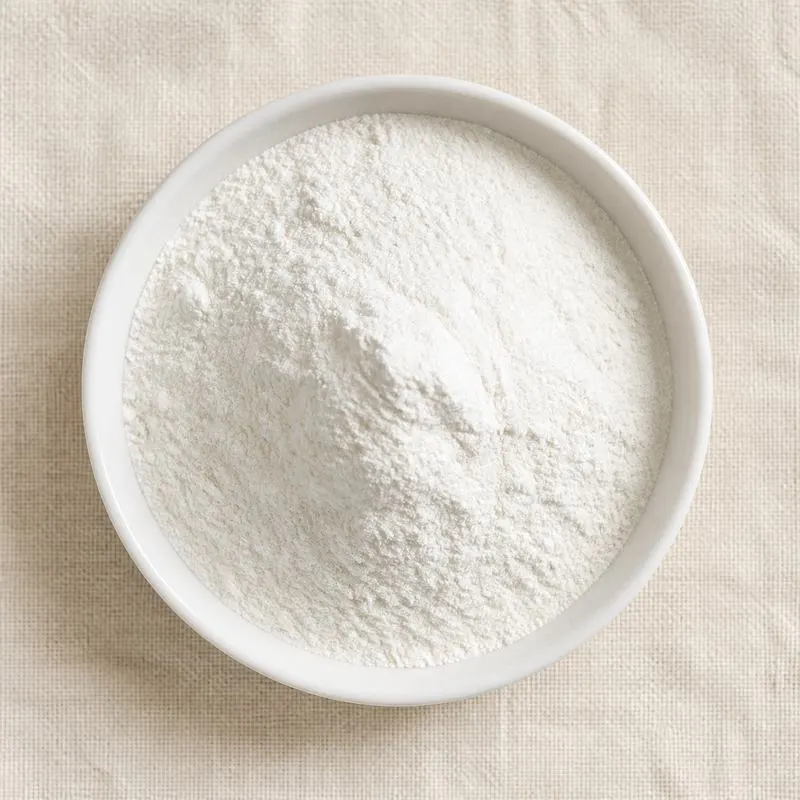
The extract is a fine powder, pale yellow to light brown for polysaccharide grades and off white for purified saponin grades. Polysaccharide material dissolves readily in water to a slightly viscous solution and is hygroscopic. Saponin grades are poorly water soluble and are handled in dilute ethanol or dispersed with a carrier.
We source bulk Astragalus Extract from top China manufacturers for our partners. The manufacturer is in Heilongjiang. A smaller requirement can ship in a combined container with other ingredients.
Please send the grade you need, the volume and your destination port, and we will come back with a solution and a price.
or call +86-21-6858 0751
- Function
- Plant extract
Specifications
| Item | Specification |
|---|---|
| Appearance | Pale yellow to light brown fine powder |
| Odour and Taste | Characteristic, faintly sweet |
| Botanical Source | Astragalus membranaceus root |
| Identification | HPLC and TLC conforming to reference extract |
| Astragalus Polysaccharides | ≥ 50.0% (UV, phenol sulphuric acid) |
| Astragaloside IV | ≥ 0.3% (HPLC) |
| Particle Size | ≥ 95% through 80 mesh |
| Loss on Drying | ≤ 5.0% |
| Total Ash | ≤ 6.0% |
| Residual Ethanol | ≤ 0.5% |
| Lead | ≤ 2.0 mg/kg |
| Arsenic | ≤ 1.0 mg/kg |
| Cadmium | ≤ 1.0 mg/kg |
| Total Plate Count | ≤ 10,000 cfu/g |
| Yeast and Mould | ≤ 500 cfu/g |
| Escherichia coli | Negative in 1 g |
| Salmonella | Negative in 25 g |
Common Markets Grades
The polysaccharide grades are the volume trade, specified at 10, 30, 50 and 70 percent astragalus polysaccharides by the phenol sulphuric acid colourimetric method. These are produced by water extraction and alcohol precipitation and are used wherever water solubility matters. Ratio extracts at 4:1, 10:1 and 20:1 without a marker claim sit below them and are used in traditional formula work.
The saponin grades are quoted on astragaloside IV by HPLC, commonly at 0.3, 0.5, 1, 5, 10 and 98 percent, with the higher figures requiring resin and chromatographic purification. A cycloastragenol grade, produced by hydrolysing the saponins to their aglycone, is traded separately in small volumes at 1, 10 and 98 percent. Powders are offered carrier free or on maltodextrin at 80 mesh, and organic certified root is available. Because astragaloside IV is expensive to purify, substitution and assay inflation are recognised risks and buyers routinely verify the figure by an independent HPLC method.
Applications
- Capsule and tablet supplements, typically as a polysaccharide standardised grade in immune support formulas
- Instant herbal granules and sachets, where the water soluble polysaccharide grade dissolves without residue in hot water
- Functional and herbal beverages, dosed at low inclusion for its mild sweetness and clean dissolution
- Soup bases and slow cooked broth concentrates, reflecting the root's long standing culinary use in Chinese cooking
- Traditional formula preparations, where astragalus is combined with codonopsis, angelica or liquorice
- Longevity and cellular health supplements, using the purified astragaloside IV or cycloastragenol grades at small inclusion
- Sports nutrition and recovery blends, where the polysaccharide fraction is the labelled active
- Skin care serums and creams, added to the water phase for its polysaccharide film forming behaviour
- Animal feed and aquaculture premixes, applied as a plant derived immune support additive
Brands Using Astragalus Extract
Widely-distributed consumer products that list Astragalus Extract on the ingredient label.
- SolarayAstragalus Root Extract 200 mg ↗Vegetable capsule built on astragalus root extract, sold as a concentrated form of the root traditionally used for immune support.Label verified 2026-08-31
- Gaia HerbsAstragalus Supreme ↗Liquid phyto-cap whose proprietary extract blend lists astragalus root alongside schisandra berry and ligustrum berry.Label verified 2026-08-31
Brand names, product names and logos are the property of their owners. They appear here as published evidence that the ingredient is used, taken from the brand's own label or website. Their appearance is not an endorsement, and it does not mean the brand buys from us or from any manufacturer listed on this site.
China Manufacturers of Astragalus Extract
Top Astragalus Extract manufacturers in China.

Company names and logos are the property of the manufacturers themselves. They are listed here because our own directory records them as producing this ingredient. A listing is not an endorsement by them, and we do not represent them or speak on their behalf.
Regulatory Status
In the United States, astragalus root and its extracts are used as dietary ingredients under the Dietary Supplement Health and Education Act, with finished products manufactured under 21 CFR Part 111. The root has a documented history of use in the American food supply that predates the 1994 cut off, so conventional water and ethanol extracts are handled as old dietary ingredients, while highly purified single saponin preparations may require a new dietary ingredient notification. Astragalus is also listed among natural substances used in conjunction with flavourings.
In the European Union astragalus is a food supplement ingredient rather than an authorised food additive, so no E number applies, and its acceptability is determined at member state level under national botanical lists. Health claims for the species remain unauthorised. Highly purified constituents such as isolated astragaloside IV or cycloastragenol have no history of consumption in the Union at those concentrations and fall within the novel food regulation. Codex has no commodity standard for astragalus extract and JECFA has issued no additive specification for it.
Manufacturing Process
Roots are lifted in autumn from four to six year old plants, washed, trimmed of rootlets, cut into slices and dried. Sliced root is milled and extracted with hot water for polysaccharide grades or with ethanol at 50 to 70 percent where the saponins are the target. Water extraction is run in a counter current or multi stage batch system, and the liquor is separated from the spent root by decanting and pressing.
For polysaccharide grades the liquor is clarified, concentrated under vacuum and precipitated by adding ethanol to a high final concentration, which drops the polysaccharide out of solution while sugars, amino acids and small molecules remain dissolved. The precipitate is separated by centrifugation, redissolved, filtered and spray dried, with the ethanol recovered by distillation. For saponin grades the ethanolic liquor is concentrated, loaded onto a macroporous adsorption resin, washed with dilute ethanol to remove polysaccharide and isoflavone, and eluted with a stronger ethanol fraction. High assay astragaloside IV requires a further preparative chromatography step and crystallisation. Dried material is milled, sieved, blended to assay and packed in food grade liners inside fibre drums.